THE REALITY
Why so many people with bipolar disorder turn to cannabis
If you searched for this page, you're in enormous company. Cannabis is one of the most commonly used substances among people with bipolar disorder - studies consistently estimate that roughly one in four people with the condition uses it, among the highest rates of any mental health diagnosis. The reasons people give are consistent, and they make sense: quieting racing thoughts, getting to sleep during hypomanic stretches, taking the edge off anxiety, or lifting the gray weight of a depressive episode.
Bipolar disorder is exhausting to live with, first-line medications can carry heavy side effects, and cannabis is legal, nearby, and fast-acting. Self-medication here isn't a character flaw - it's a predictable response to a hard illness.
But 'understandable' and 'helpful' are different questions. What people feel in the moment and what happens to the course of the illness over months and years turn out to be very different stories - and that gap is exactly what the research below is about.
THE EVIDENCE
What the research actually shows
This is one of the better-studied questions in cannabis science, and the findings point in a consistent direction.
Cannabis use is linked to roughly triple the risk of manic symptoms. A systematic review and meta-analysis published in the Journal of Affective Disorders (Gibbs et al., 2015) pooled the available studies and found cannabis use associated with about a threefold increase in the risk of new-onset manic symptoms - and with worsening manic symptoms in people already diagnosed with bipolar disorder. THC is the ingredient driving this signal.
Heavy use is linked to developing bipolar disorder in the first place. A 2023 study in JAMA Psychiatry following Denmark's national health registries (Jefsen et al.) found that cannabis use disorder was associated with a significantly increased risk of later developing bipolar disorder - in both men and women, for both psychotic and non-psychotic forms of the illness.
Ongoing use predicts a rougher course. Studies following people after a first manic episode (including work by Strakowski and colleagues) found that continued cannabis use predicted more time spent in mood episodes and faster cycling. The flip side is genuinely hopeful: in one study of patients tracked after a manic episode (Zorrilla et al., 2015), those who stopped using cannabis went on to do about as well as patients who had never used it at all. The harm doesn't appear to be a life sentence - it tracks with ongoing use.
High-THC products raise psychosis risk. Across the broader literature, high-potency THC is associated with psychotic symptoms in vulnerable people. Bipolar I, where mania can include psychotic features, sits squarely in that vulnerable category.
Why this matters even if cannabis 'works' for you tonight
CANNABIDIOL
CBD and bipolar disorder: the part worth watching
Here's where the conversation gets more interesting. CBD (cannabidiol) is the non-intoxicating cannabinoid - it doesn't produce a high, and critically, it has not shown the mania-triggering signal that THC has. That distinction is why researchers who are pessimistic about cannabis flower for bipolar disorder are still running CBD trials.
What the trials show so far: The first randomized, double-blind, placebo-controlled study of CBD as an add-on treatment for bipolar depression (Pinto et al., 2023, Canadian Journal of Psychiatry) tested 150-300 mg per day alongside standard medication. The honest result: depression scores improved in both groups, but CBD did not beat placebo on the primary outcome. It was well tolerated, and the researchers suggested future studies test higher doses - but as of today, CBD is not an evidence-supported treatment for bipolar disorder.
What's coming: Larger trials are underway, including a Phase 3 randomized controlled trial of adjunctive CBD for bipolar depression in patients who haven't responded to first-line treatments. In other words: real scientists consider this question open. We'll update this page as results publish.
What people actually buy: Most of the search interest here is in CBD oil. Two things to know before spending money: first, typical over-the-counter CBD products contain far less CBD than the doses used in clinical research. Second, product quality varies wildly - if you buy CBD at all, buy from a licensed dispensary with third-party lab results, not a gas station.
The bottom line on CBD: plausible, unproven, and - unlike THC - not currently linked to making bipolar disorder worse. If you and your prescriber decide to experiment with any cannabinoid, this is the one that discussion should be about.
DRUG INTERACTIONS
CBD, lithium, and your medications: the interaction question
This is the most searched - and most skipped - part of this topic. Cannabinoids are processed by the same liver enzyme family (cytochrome P450) as several psychiatric medications, which means they can change how much of your medication is actually in your blood.
What's documented:
- CBD + valproate (Depakote): In clinical trials of pharmaceutical CBD, combining it with valproate produced elevated liver enzymes in a meaningful share of patients. If you take valproate, CBD without medical supervision and liver monitoring is a genuinely bad idea.
- CBD + certain sedatives and anticonvulsants: CBD inhibits liver enzymes that clear drugs like clobazam, raising their levels and amplifying sedation.
- THC/cannabis + lithium: There's no well-characterized direct chemical interaction - but lithium has a narrow safe range that depends on hydration and kidney function. Heavy cannabis use that causes vomiting or dehydration (including cannabinoid hyperemesis syndrome in chronic users) can push lithium levels into dangerous territory.
- Cannabis + quetiapine, olanzapine, or other sedating meds: sedation stacks. Smoking cannabis (like smoking tobacco) can also speed up the clearance of some antipsychotics, quietly lowering their effect.
The one rule
THE WRONG QUESTION
Indica or sativa for bipolar disorder?
Neither - and the question itself is built on a myth worth retiring. 'Indica = calming, sativa = energizing' is folk taxonomy, not chemistry. Two plants labeled the same strain name can have completely different chemical profiles depending on who grew them, and the indica/sativa label predicts almost nothing about how a product will affect your mood.
What actually matters is the chemotype - the THC-to-CBD ratio printed on the lab label:
- Type I (THC-dominant): the overwhelming majority of dispensary flower. This is the category the bipolar research warns about. The stereotypical 'relaxing indica' at 25% THC is still a high-THC product.
- Type II (balanced THC:CBD): moderate THC, buffered by CBD.
- Type III (CBD-dominant, minimal THC): barely intoxicating or not at all. Of everything on a dispensary shelf, this is the only category that aligns with the direction the clinical research is exploring.
If you take one thing from this section: for bipolar disorder, the risk dial is THC potency, not plant shape.
THE HONEST ANSWER
So… are there 'best strains' for bipolar?
Here is the answer no listicle will give you: no strain has ever been shown to treat bipolar disorder, and the pages ranking online that name a 'top 5' are naming THC-dominant cultivars that the actual research associates with worse outcomes. We're a strain database - it would be easy for us to publish that list. We're not going to.
What we can tell you honestly:
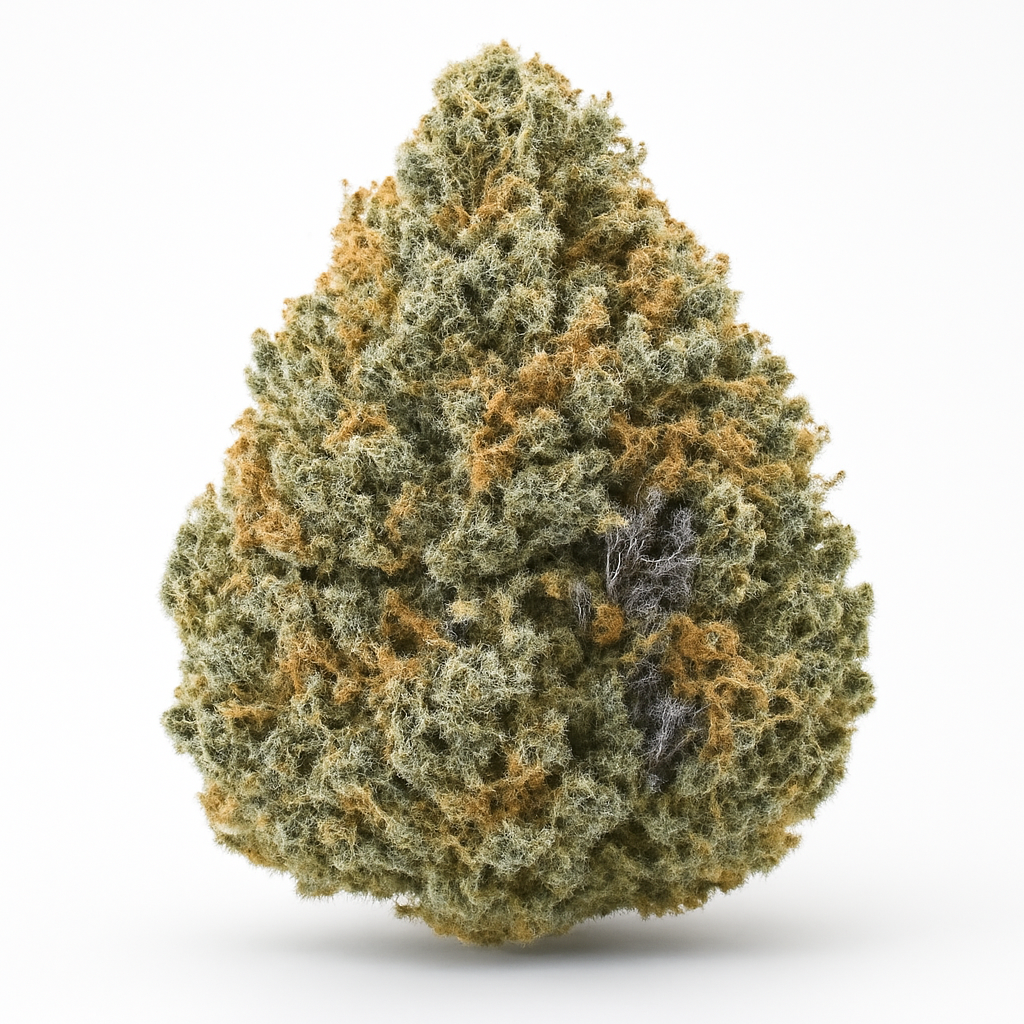
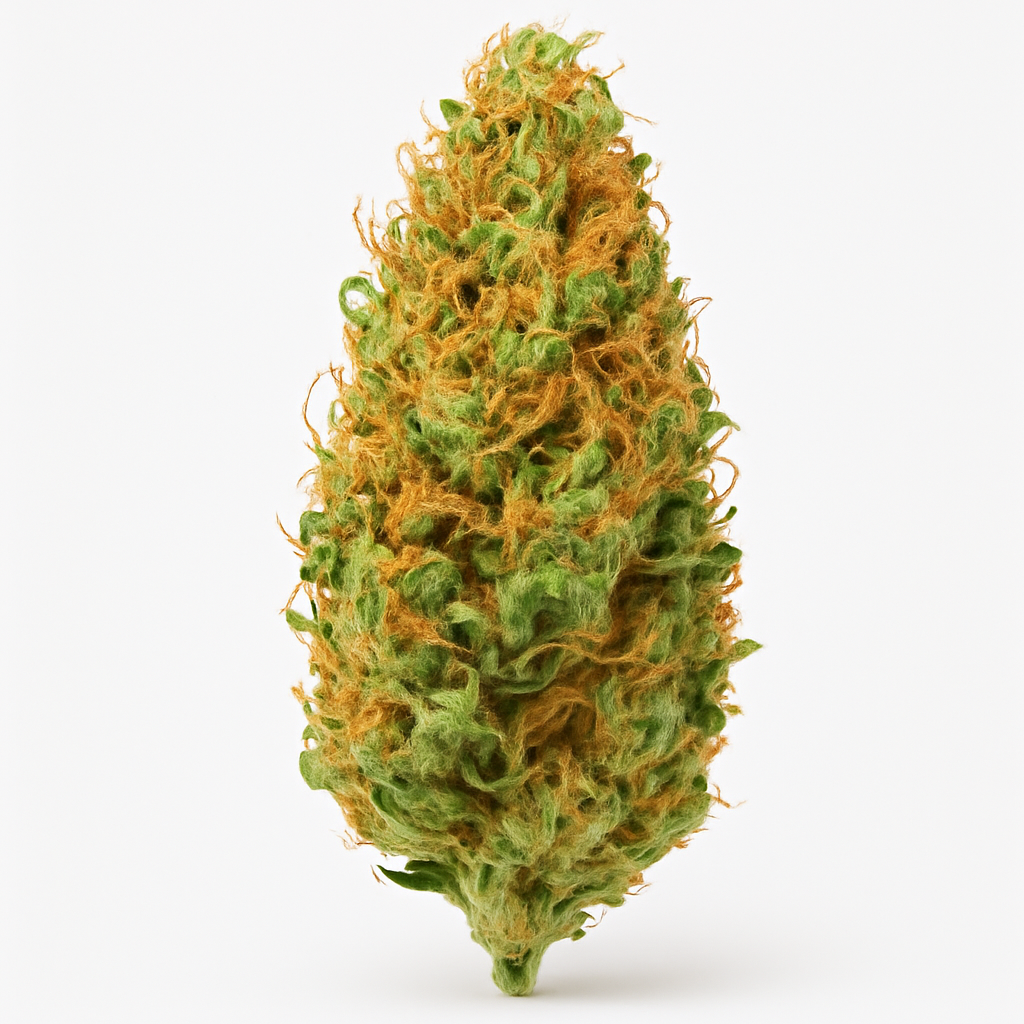
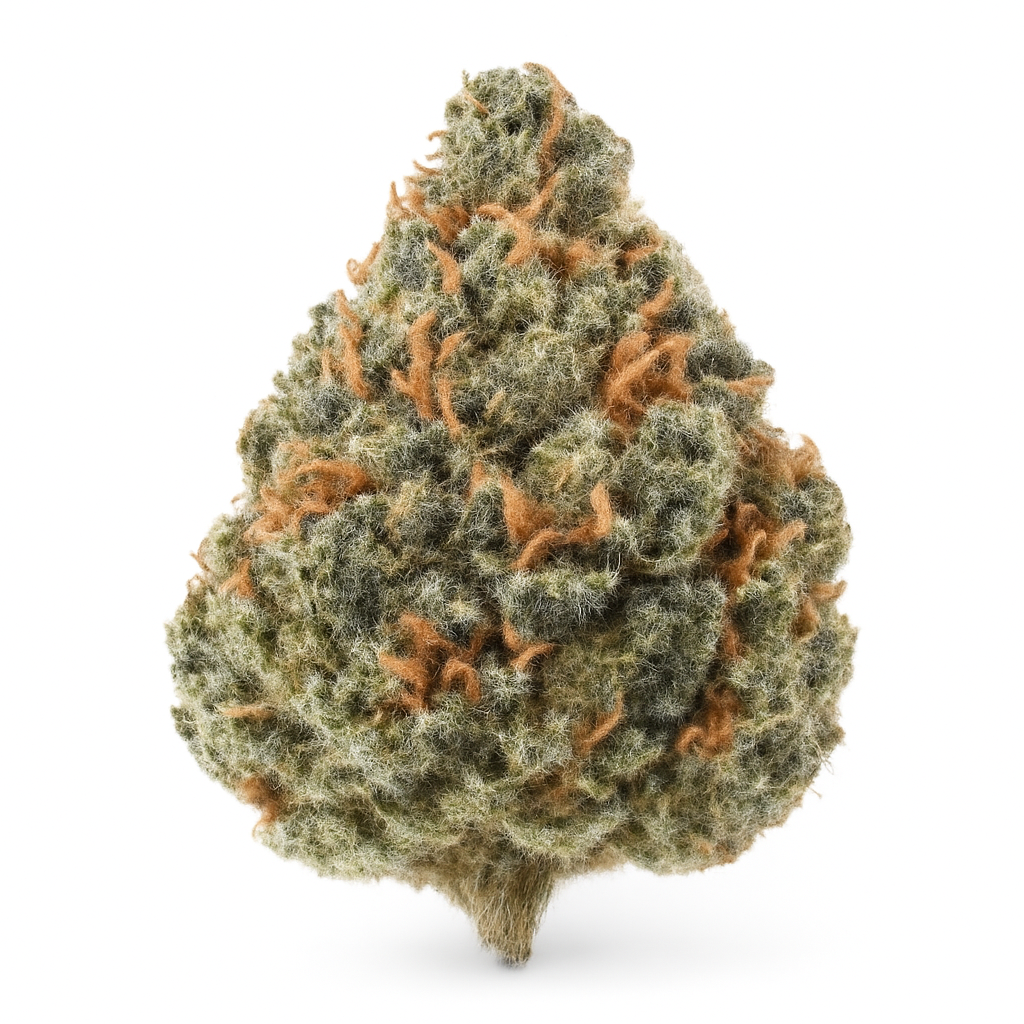
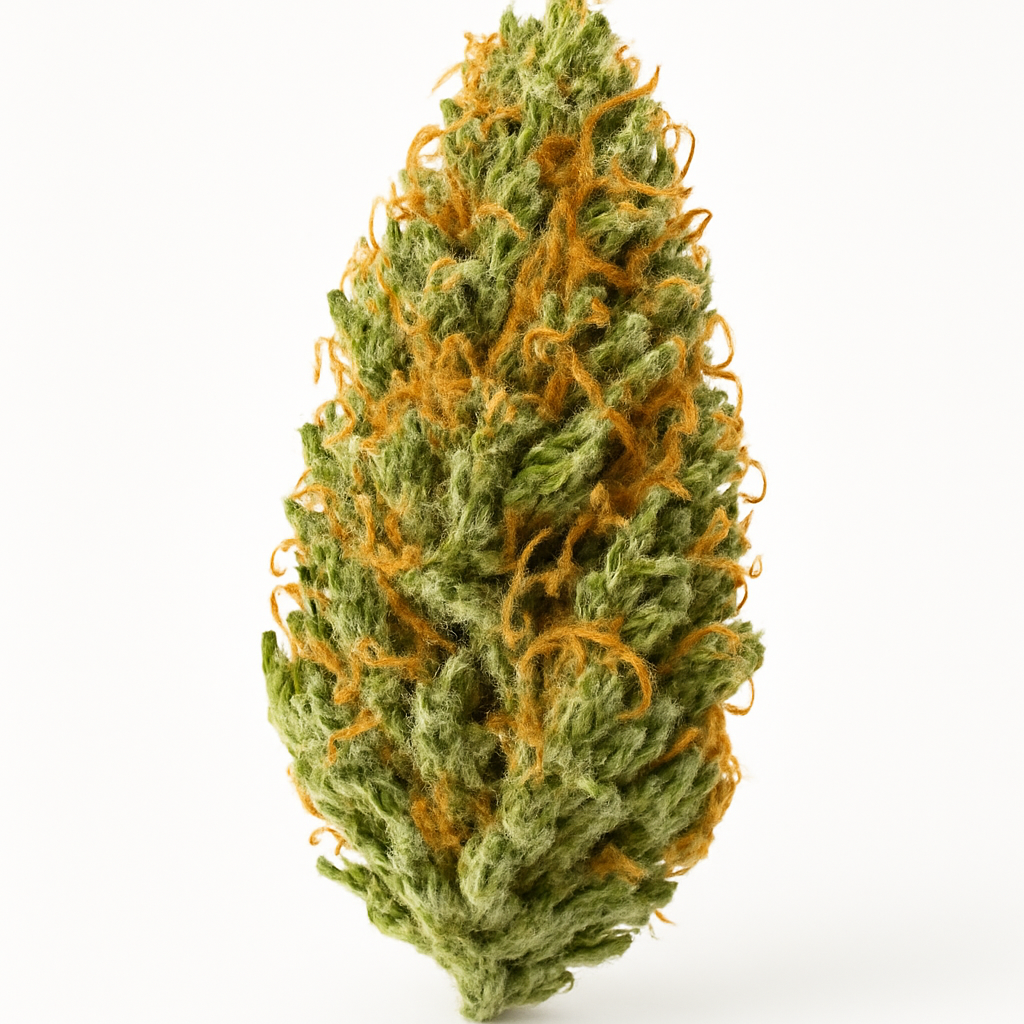
What the community reports. In self-reported reviews - on our site and in patient forums - people managing mood conditions who use cannabis anyway tend to gravitate toward high-CBD, low-THC cultivars: ACDC, Harlequin, Cannatonic, and Charlotte's Web are the names that come up most. These are Type III/II chemotypes - the lowest-THC end of the shelf. That is a pattern in what people choose, not evidence that these strains treat bipolar disorder.
The caveat that matters: a strain name is not a guarantee. 'Harlequin' from one grower can test at a very different ratio than another's. Check the actual lab label - the numbers outrank the name, every time.
And the line we won't soften: if you have bipolar disorder, the highest-percentage decision available to you isn't a strain choice. It's keeping your prescribed treatment steady and putting this whole question in front of your prescriber.
HARM REDUCTION
If you're going to use anyway: reduce the risk
We'd rather you have this information than not.
If you have bipolar disorder and choose to use cannabis despite the risks above:
- Keep taking your prescribed medication. Never trade a mood stabilizer for a plant. Stopping meds is the single most reliable way to trigger an episode.
- Stay at the low-THC end of the shelf. Type III (CBD-dominant) products carry the least of the mania-associated ingredient.
- Avoid high-potency concentrates - dabs, distillate carts, and 30%+ flower are the exact products the risk research points at.
- Don't use during unstable periods - during a mood episode, in the weeks after one, or while your medication is being adjusted. Those are the windows when THC is most likely to tip things.
- Keep it boring: same product, low amount, not daily. Escalating frequency and potency is the pattern associated with the worst outcomes.
- Track your mood with an app or journal, and let someone close to you know to speak up if they see the early signs below.
- Tell your prescriber. (Yes, again. It's the rule.)
SAFETY
Warning signs: when to stop and get help
Stop using and contact your prescriber promptly if you notice mania's early signature: needing much less sleep without feeling tired, racing thoughts or pressured fast talking, sudden big plans or spending, irritability that others comment on, or feeling 'too good' in a way that's escalating.
Seek help immediately for any psychotic symptoms - hearing or seeing things, or fixed beliefs others say aren't real.
Crisis Resources
If you're in crisis or thinking about suicide:
call or text 988 (Suicide & Crisis Lifeline, US) - free, 24/7. If someone is in immediate danger, call 911. Bipolar disorder carries a serious suicide risk, and reaching out early is strength, not failure.
FREQUENTLY ASKED
Common questions
Can weed cause bipolar disorder?
Does indica help with bipolar disorder?
Is CBD safe to take with bipolar medications?
Can cannabis replace mood stabilizers like lithium?
Can you get a medical marijuana card for bipolar disorder?
Is cannabis worse for bipolar 1 or bipolar 2?
SUMMARY
The bottom line
Cannabis is not a treatment for bipolar disorder, and the strain question most people arrive here asking has an unglamorous answer: THC is the risk, chemotype is the real variable, and the only cannabinoid with a live scientific case is non-intoxicating CBD - which so far hasn't beaten placebo.
If you have bipolar disorder, the evidence-backed moves are unchanged: stay on your treatment, be honest with your prescriber, and if you use cannabis anyway, use the harm-reduction playbook above and watch for early warning signs. That's the whole truth - and you deserved a page that told it to you.
References
- Gibbs M, et al. Cannabis use and mania symptoms: a systematic review and meta-analysis. Journal of Affective Disorders, 2015.
- Jefsen OH, et al. Cannabis use disorder and subsequent risk of psychotic and nonpsychotic unipolar depression and bipolar disorder. JAMA Psychiatry, 2023.
- Pinto JV, et al. Cannabidiol as an adjunctive treatment for acute bipolar depression: a pilot study. Canadian Journal of Psychiatry, 2023.
- Cannabidiol for Bipolar Depression (CBD-BD), Phase 3 randomized controlled trial. ClinicalTrials.gov NCT05867849.
- Strakowski SM, et al. Effects of co-occurring cannabis use disorders on the course of bipolar disorder after a first hospitalization for mania. Archives of General Psychiatry, 2007.
- Zorrilla I, et al. Cannabis and bipolar disorder: does quitting cannabis use during manic/mixed episode improve clinical/functional outcomes? Acta Psychiatrica Scandinavica, 2015.