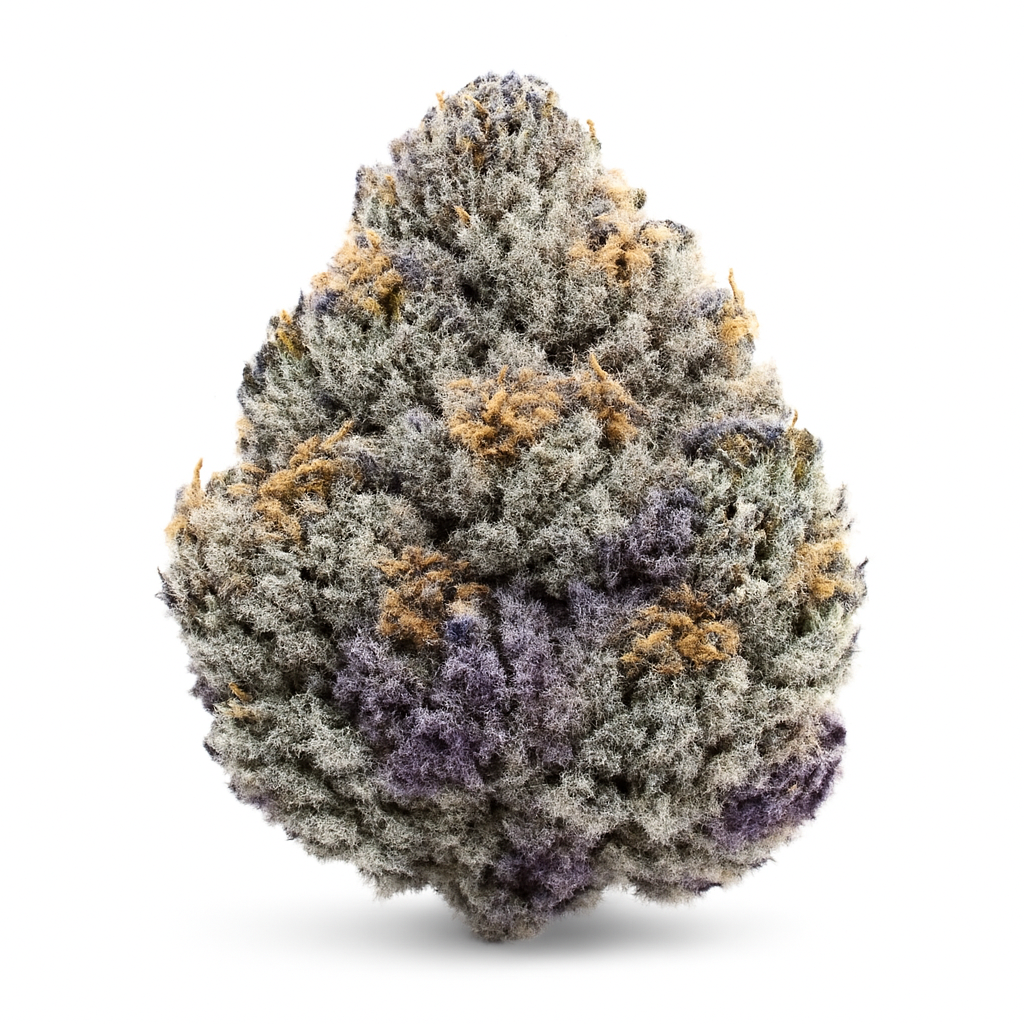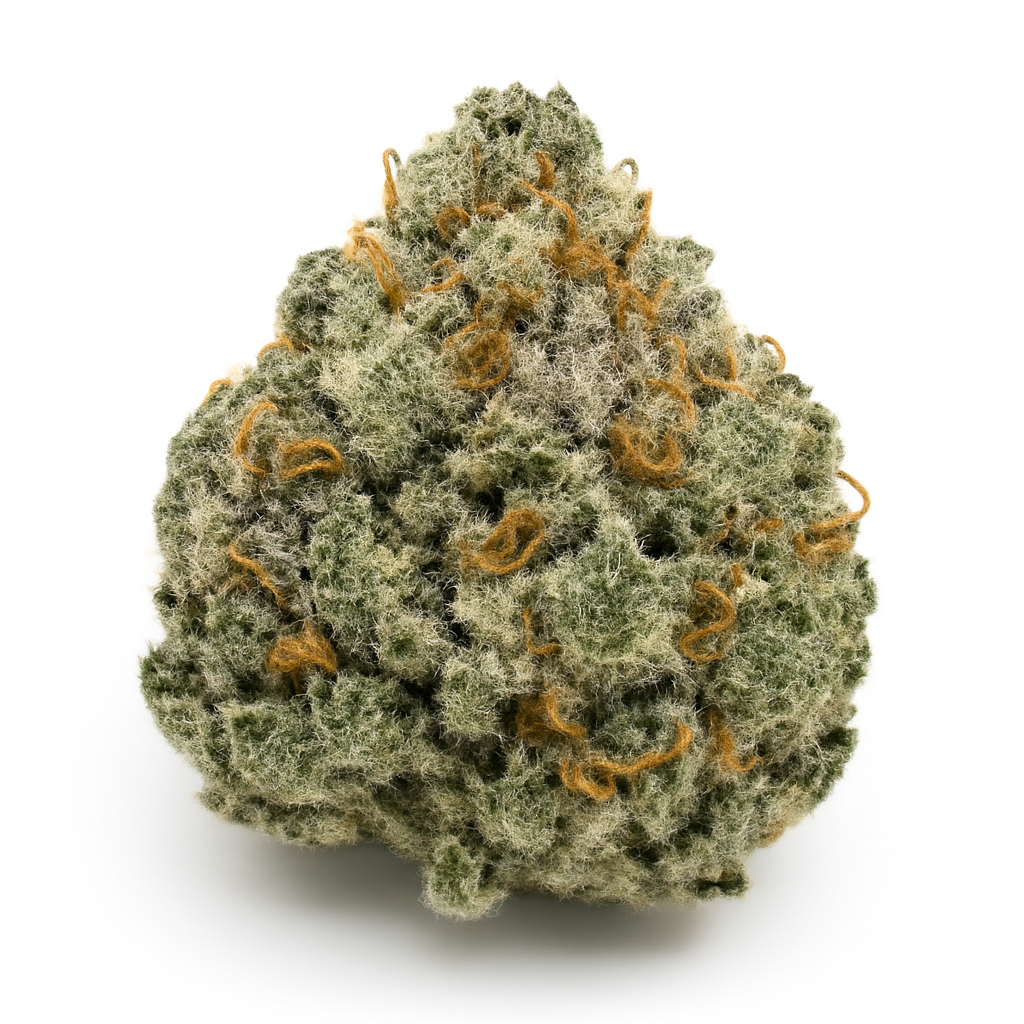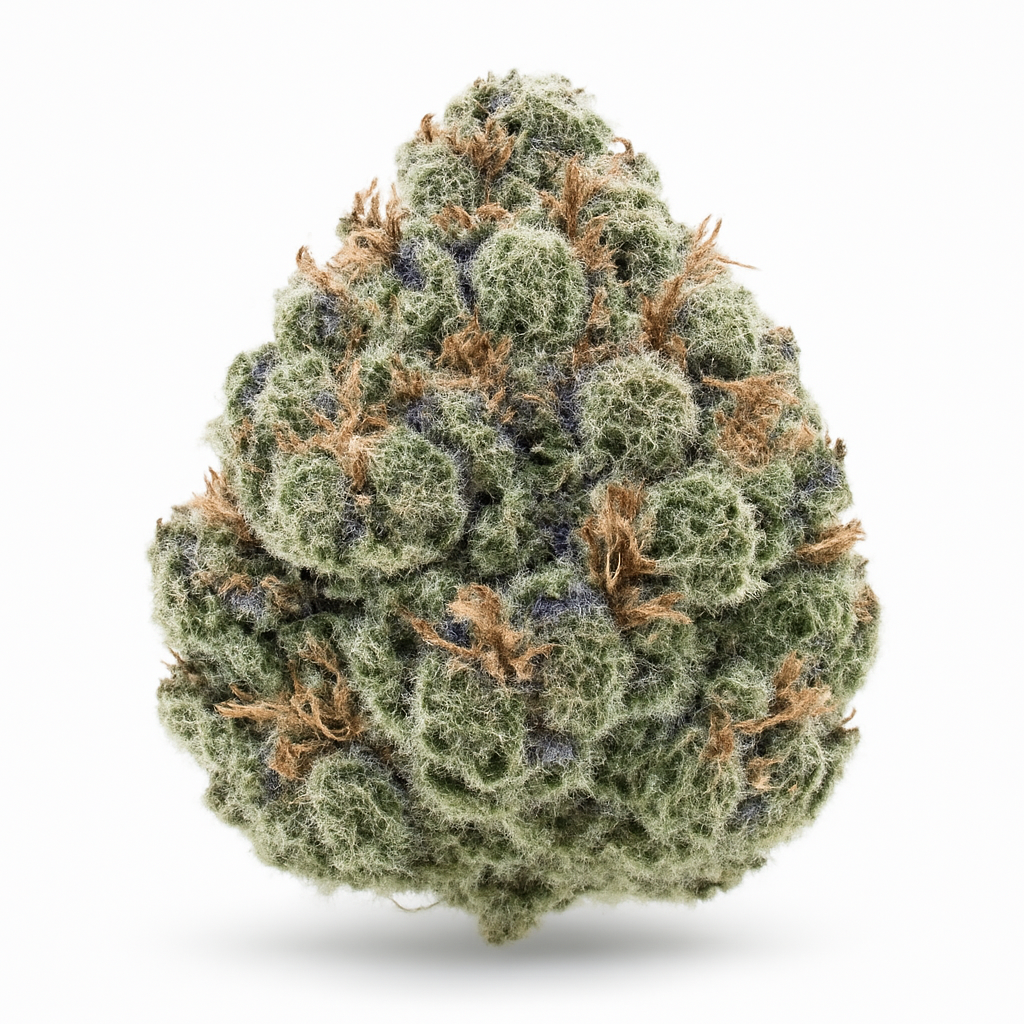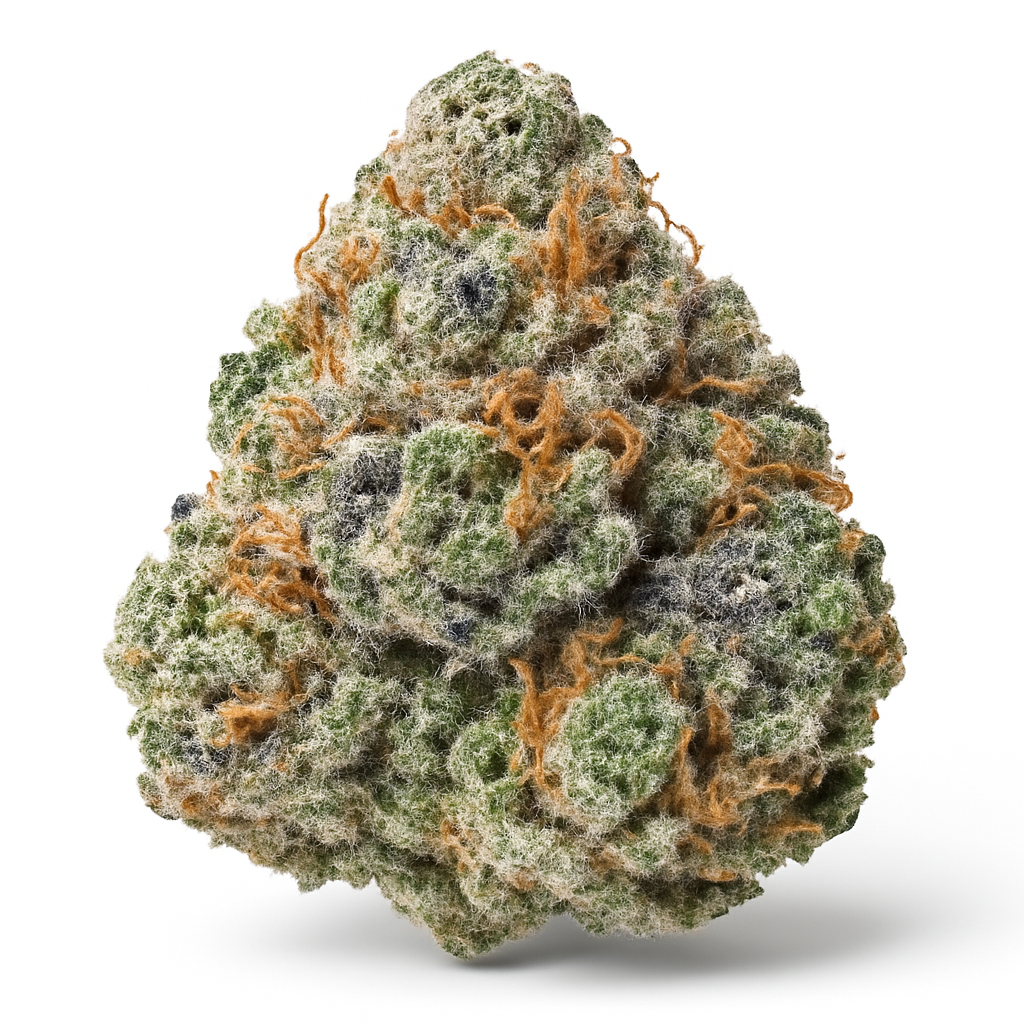
Representative image of Carbon Candy
Carbon Candy is a hybrid built from TK41 and Carbon Fiber that leans toward a noticeably potent profile with 25% THC. It sits above the catalog average and offers a balanced hybrid experience for consumers who like their highs on the stronger side.
Carbon Candy
What Is the Carbon Candy Strain?
Carbon Candy is a hybrid cannabis cultivar combining the genetics of TK41 and Carbon Fiber and carrying a headline THC level of 25%. No CBG measure is provided, so THC is the primary reported cannabinoid; the pairing of two named parents suggests a deliberate cross aimed at blending characteristics rather than a landrace or single-line phenotype.
Carbon Candy Genetics & Lineage
The pedigree of Carbon Candy - TK41 crossed with Carbon Fiber - gives the strain an identity rooted in two cultivated lines. Each parent contributes half the genetic makeup, so the final character of Carbon Candy reflects an interaction between those lineages. Without detailed profiles of TK41 or Carbon Fiber in this dataset, we can’t list exact inherited flavors or growth traits, but the named-parent lineage signals a modern hybrid bred to combine desirable attributes from both sides.
Carbon Candy THC & CBG Content
At 25% THC, Carbon Candy sits well above the typical catalog average of around 20% THC. That difference is meaningful: you can expect a more pronounced psychoactive effect per dose compared with an average strain, so smaller amounts will achieve the same intensity. No CBG numbers are provided, so potency guidance should be based on the THC figure alone and consumers should start low and titrate slowly.
Is Carbon Candy Indica or Sativa?
Carbon Candy is classified as a hybrid, which generally implies a blend of cerebral and body effects rather than a one-note indica or sativa experience. Hybrid genetics tend to produce variable expressions across phenotypes and users; some sessions may feel more uplifting while others lean toward calming body effects, depending on individual tolerance and consumption method.
Who Is Carbon Candy Best For?
Because of its 25% THC and hybrid profile, Carbon Candy is best suited to consumers who are comfortable with above-average potency. It can work well for afternoon to evening use when a stronger, balanced experience is welcome, and for social or creative activities where a noticeable but not one-dimensional effect is desirable. Beginners should approach with caution - take smaller hits, wait to assess the full effect, and avoid mixing with other intoxicants.
Our Take on Carbon Candy
We like Carbon Candy for what it is: a deliberate hybrid that delivers a stronger-than-average hit without being extreme. Its 25% THC is a selling point for seasoned users who want a step up from the catalog norm, but that very potency is the main trade-off for novices. We’re encouraged by a 4/5 average rating, yet that score comes from a single review, so our confidence in broad consensus is limited. In short, we’d recommend Carbon Candy to experienced consumers seeking a balanced but potent hybrid; anyone new to higher-THC flowers should consider milder options or microdosing when trying it.
Carbon Candy FAQ
What kind of strain is Carbon Candy?
Carbon Candy is a hybrid cannabis strain bred from TK41 and Carbon Fiber.
How strong is Carbon Candy?
Carbon Candy registers 25% THC, which is higher than the typical catalog level of about 20% and indicates a notably potent effect.
What are the parent strains of Carbon Candy?
The recorded parents are TK41 and Carbon Fiber.
Who is Carbon Candy best suited for?
Given its 25% THC and hybrid nature, it’s best for consumers comfortable with above-average potency - especially for afternoon or evening use - while beginners should use smaller amounts.
Are there terpene or CBG details available for Carbon Candy?
No specific terpene or CBG data is provided here; terpene content can significantly influence aroma and the overall effect profile, so check lab or vendor notes for those details when available.
How reliable is the user rating for Carbon Candy?
Carbon Candy has an average rating of 4 out of 5, but that score is based on a single review, so it’s a positive signal with limited sample size.