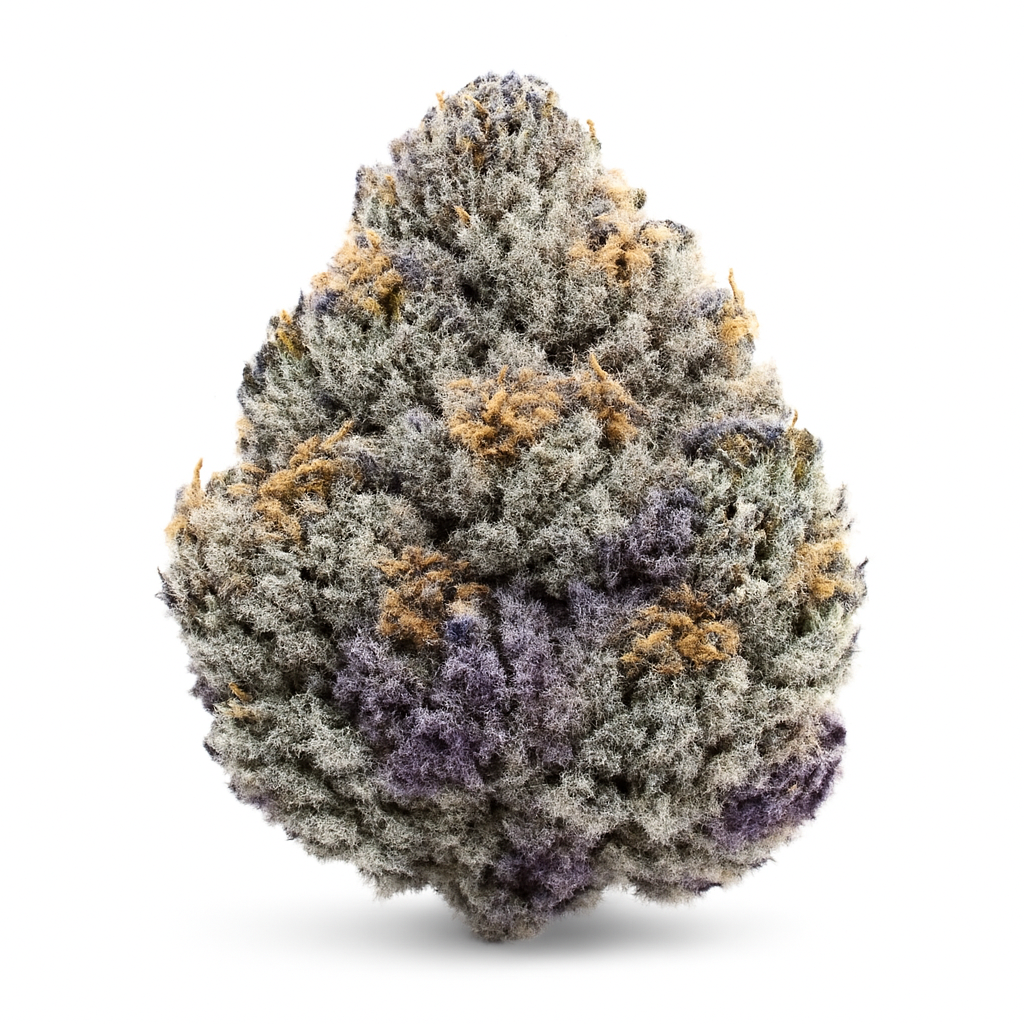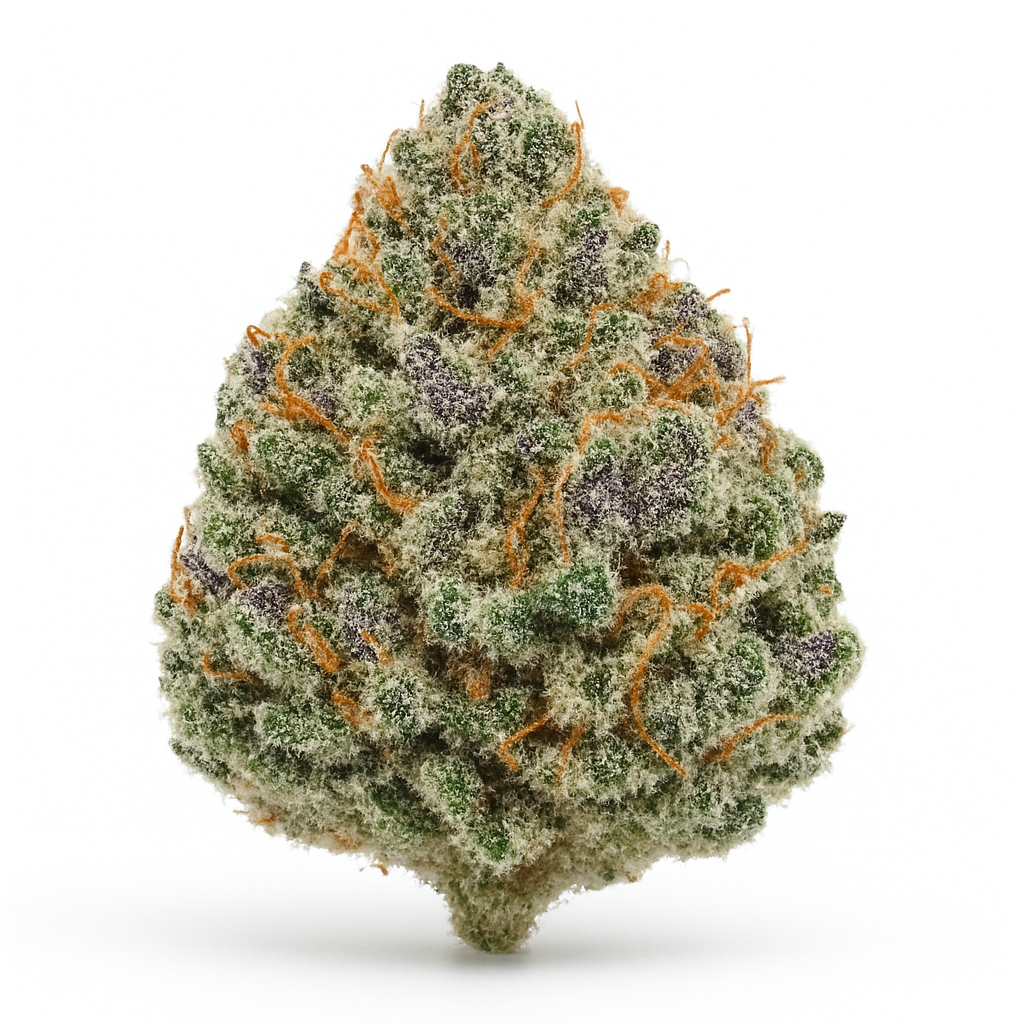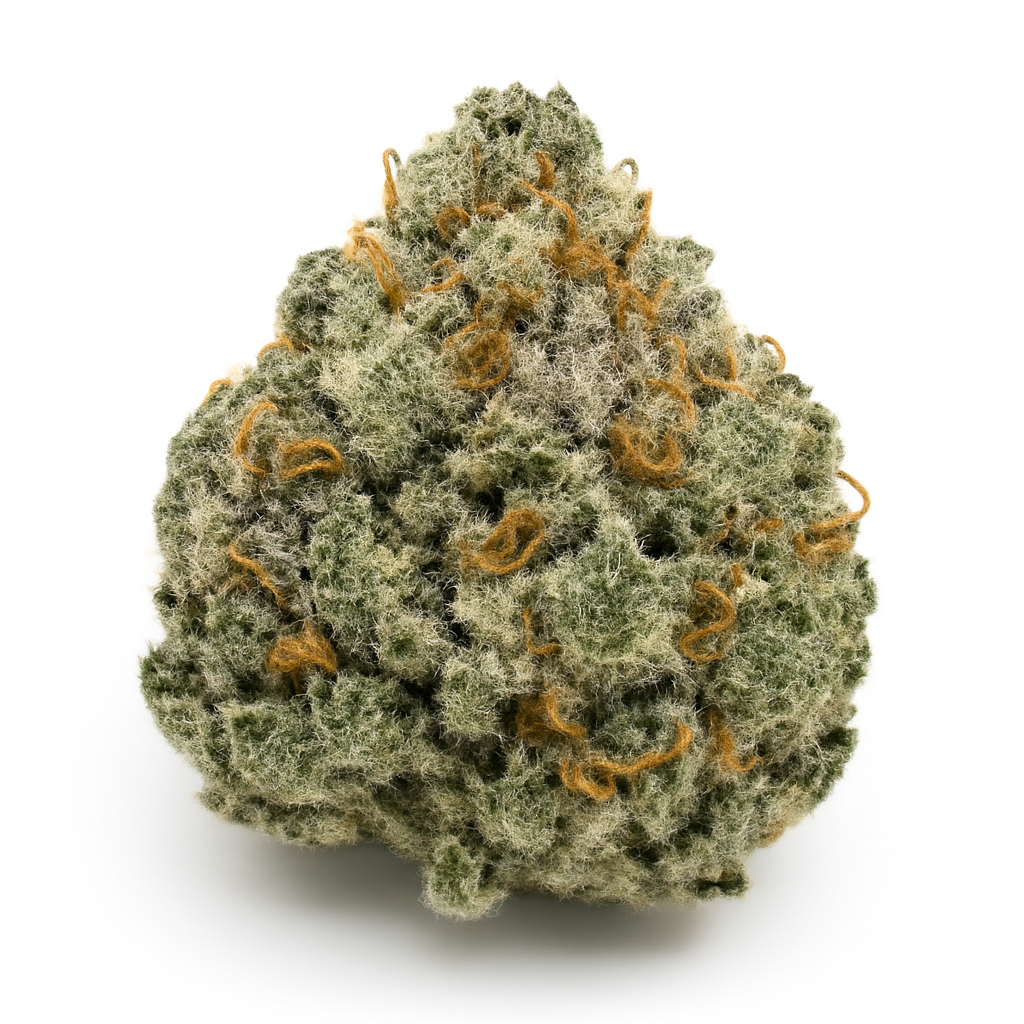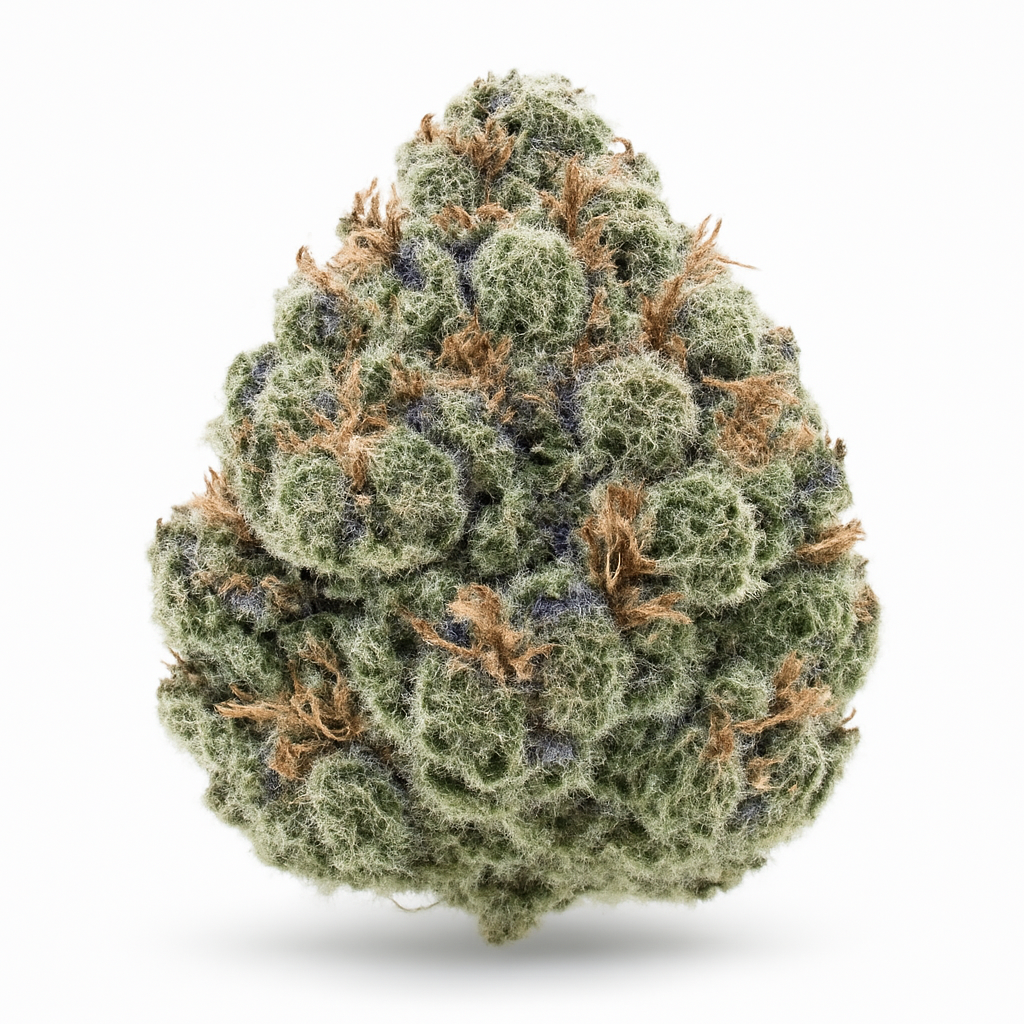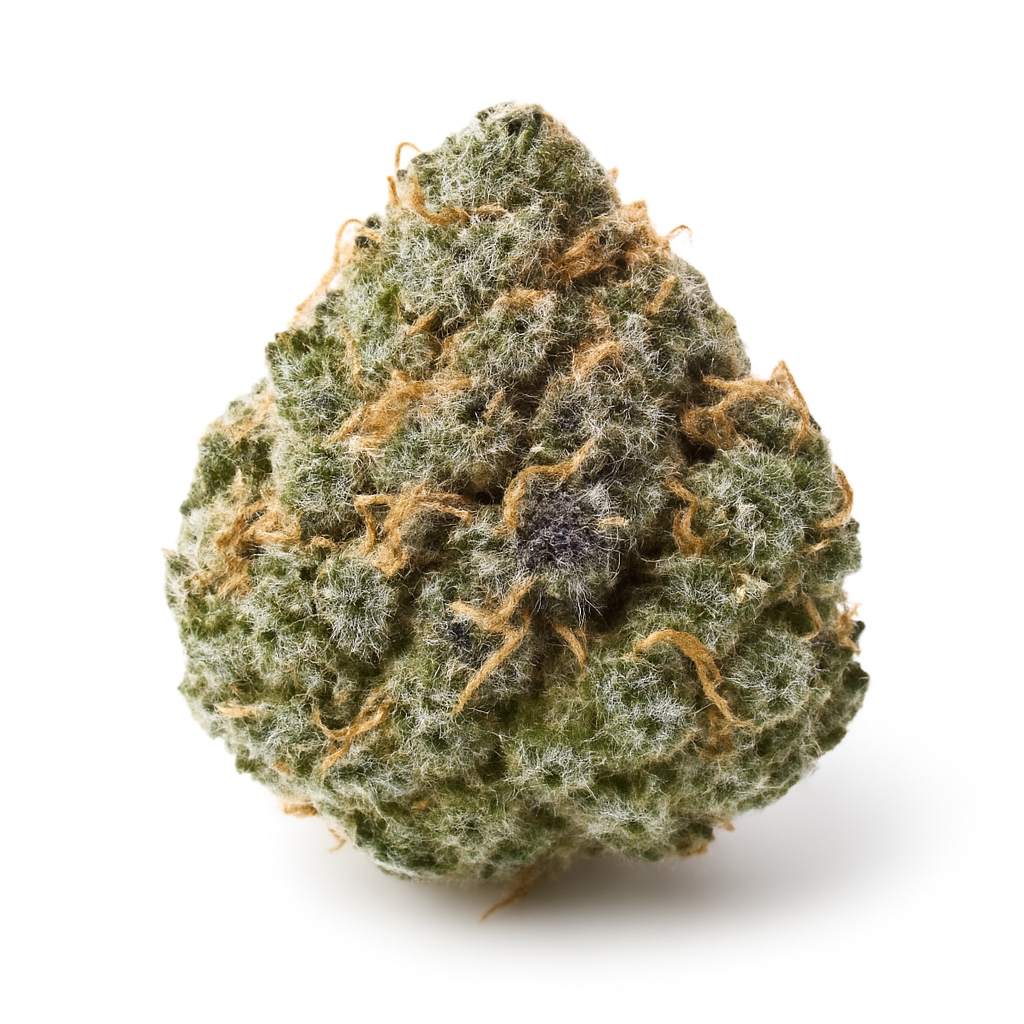
Representative image of Caribbean Chocolate
Caribbean Chocolate is a hybrid that leans into a richer cannabinoid profile than many everyday offerings. With parents listed as GSC and Passion Fruit and a measured 23% THC, it presents as a slightly more potent hybrid that aims for balance rather than extremes.
Caribbean Chocolate
What Is the Caribbean Chocolate Strain?
Caribbean Chocolate is a hybrid cannabis strain built from the GSC and Passion Fruit lines and tested at 23% THC. That THC headline places it above the typical catalog mean, signaling a dose that will feel a step up from many everyday strains while still remaining in the mid-range of modern flower potency. Specific cannabinoid or terpene lab data for this phenotype aren't provided here.
Caribbean Chocolate Genetics & Lineage
The pedigree for Caribbean Chocolate is a direct blend of GSC and Passion Fruit. Those two parent names tell us this cultivar comes from mixed lineage rather than a single-dominant landrace, so expect a compound character that reflects contributions from both sides. Because the parents are explicitly listed, gardeners and consumers can anticipate a hybrid identity shaped by dual influences rather than a one-note profile.
Caribbean Chocolate THC & CBG Content
At 23% THC, Caribbean Chocolate sits above the catalog average of around 20% - a meaningful but not extreme difference. For most users this means a clearer, longer-lasting effect than a typical 20% strain; for novices we’d recommend starting low and titrating up. The absence of additional cannabinoid numbers (CBG/CBD) here prevents a fuller potency picture, so treat the THC value as the primary guide for dosing.
Is Caribbean Chocolate Indica or Sativa?
Classified simply as a hybrid, Caribbean Chocolate implies a middle path between indica and sativa effects rather than an overtly couch- or couch-jump profile. In practical terms that suggests both uplifting and relaxing qualities may appear depending on dose and individual tolerance. Without a specified dominant phenotype, assume versatility rather than a strict daytime or strictly sedating effect.
Who Is Caribbean Chocolate Best For?
Given its hybrid status and slightly elevated 23% THC, Caribbean Chocolate suits users who want a reliable, versatile experience that’s a touch stronger than average. It’s a solid pick for late-morning to evening use when you want a balanced uplift that can settle into relaxation. Beginners should proceed cautiously with small doses; more experienced consumers can treat it as a go-to hybrid for social sessions, creative tasks, or winding down after a busy day. Because terpene and full-cannabinoid details aren’t listed, start with a modest amount and adjust based on how the strain lands.
Our Take on Caribbean Chocolate
We find Caribbean Chocolate interesting because it combines a clear hybrid lineage with THC that nudges above the catalog norm. That 23% figure gives it an edge for users seeking more noticeable effects without jumping into top-shelf potency territory. We’d recommend it to hybrid fans who want something versatile and slightly more pronounced than the average 20% flower; those who prefer very mild or extremely sedating strains should look elsewhere. Lacking terpene and additional cannabinoid data, our confidence is tempered - we like what the genetics and THC suggest, but we’d want full lab details and user ratings to make a stronger endorsement.
Caribbean Chocolate FAQ
What type of strain is Caribbean Chocolate?
Caribbean Chocolate is classified as a hybrid.
How potent is Caribbean Chocolate?
This strain tests at 23% THC, which is modestly higher than the catalog average of around 20%.
What are the parent strains of Caribbean Chocolate?
Its listed parents are GSC and Passion Fruit.
When is Caribbean Chocolate best used?
As a balanced hybrid with a slightly elevated THC, it’s well suited to late-morning through evening sessions where a blend of uplift and relaxation is desired.
Are terpene and CBD details available for Caribbean Chocolate?
No specific terpene or additional cannabinoid data are provided here, so effect nuance beyond THC must be judged by dose and the hybrid genetics.