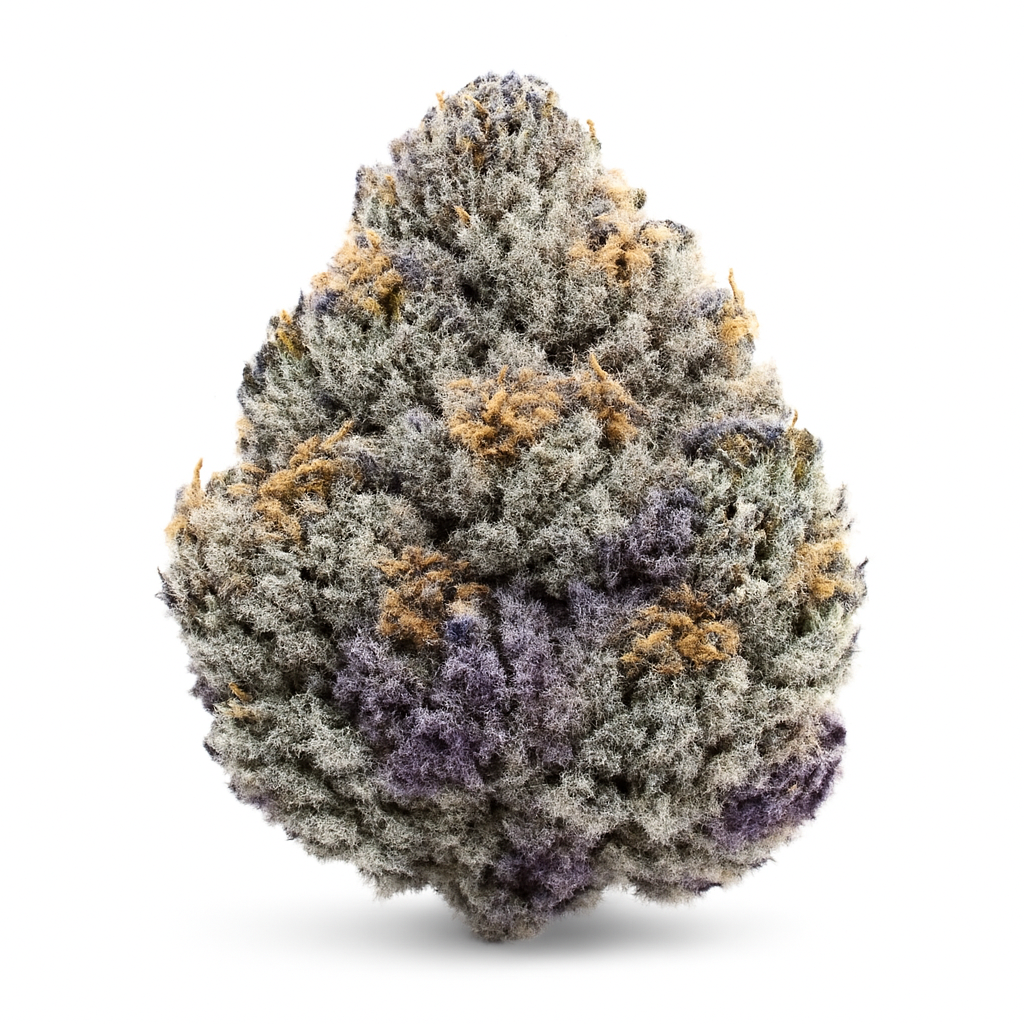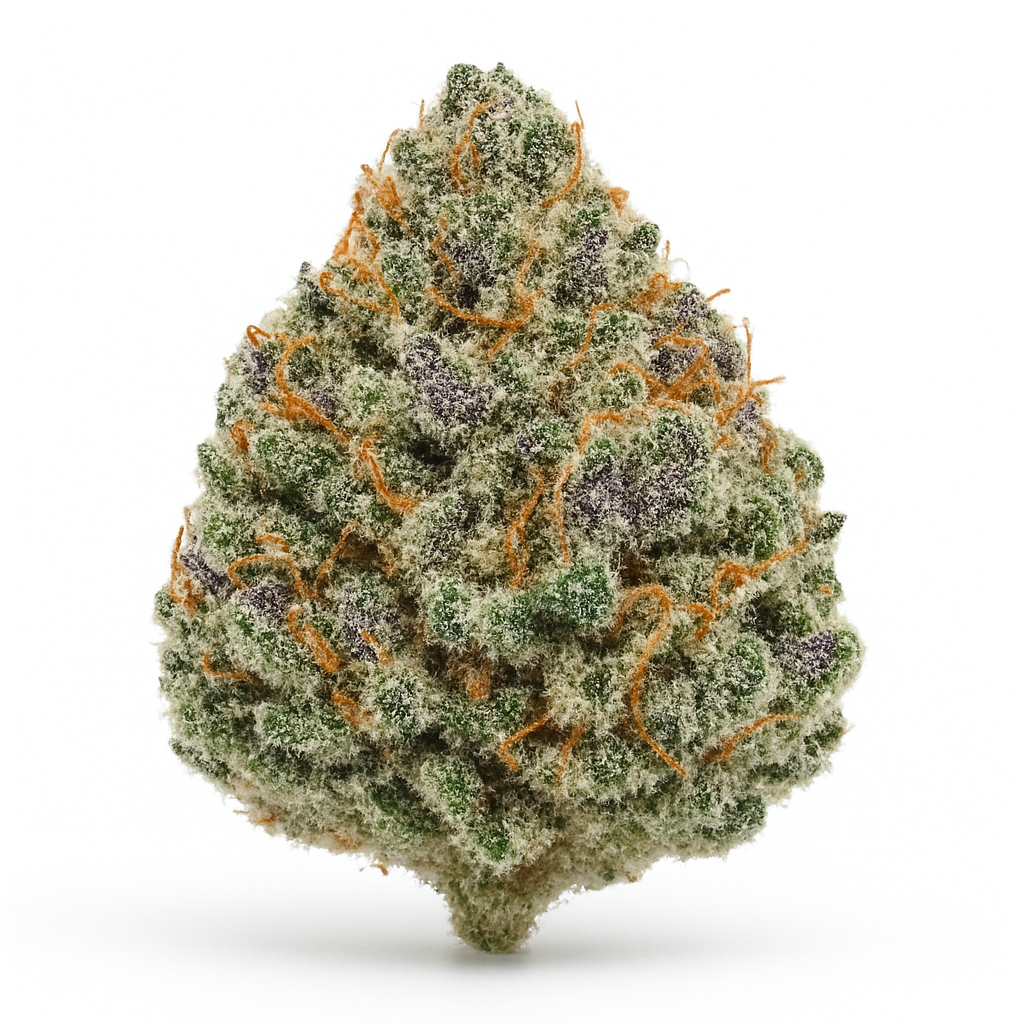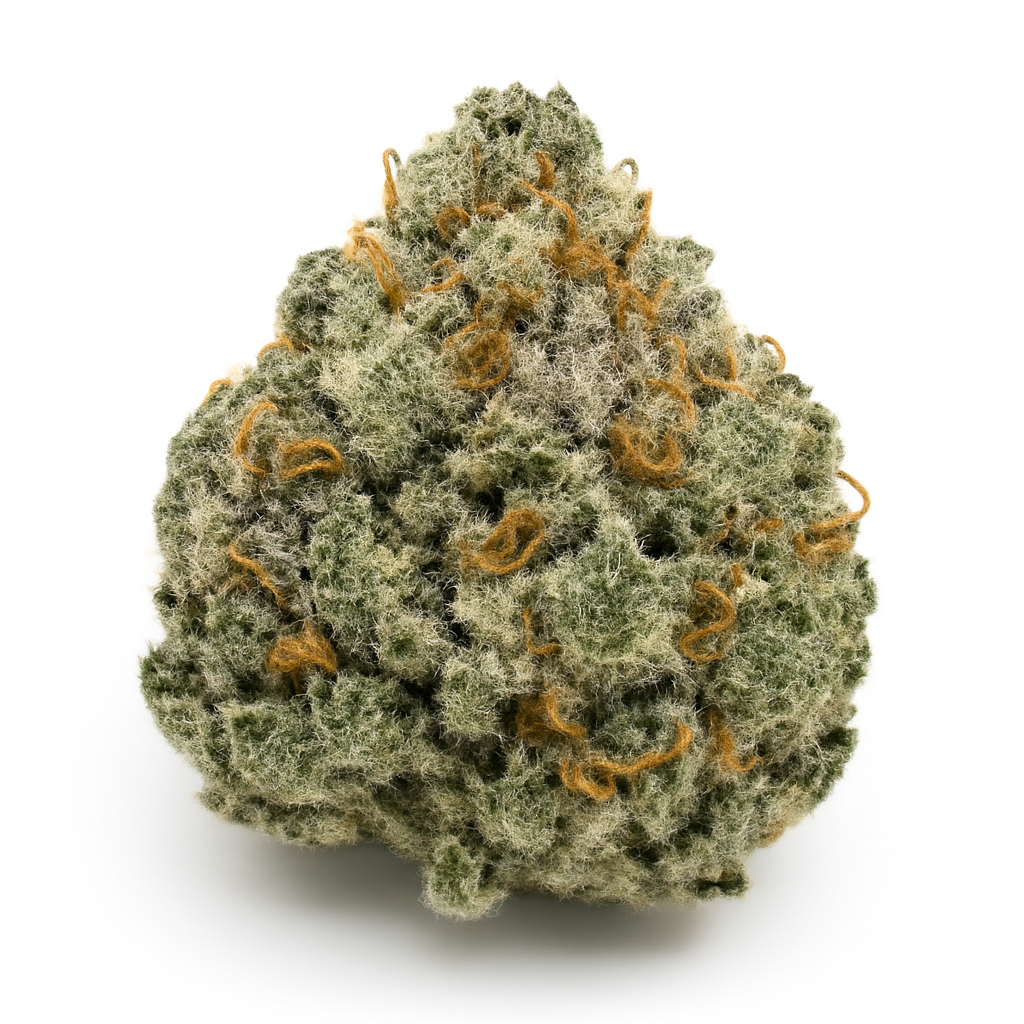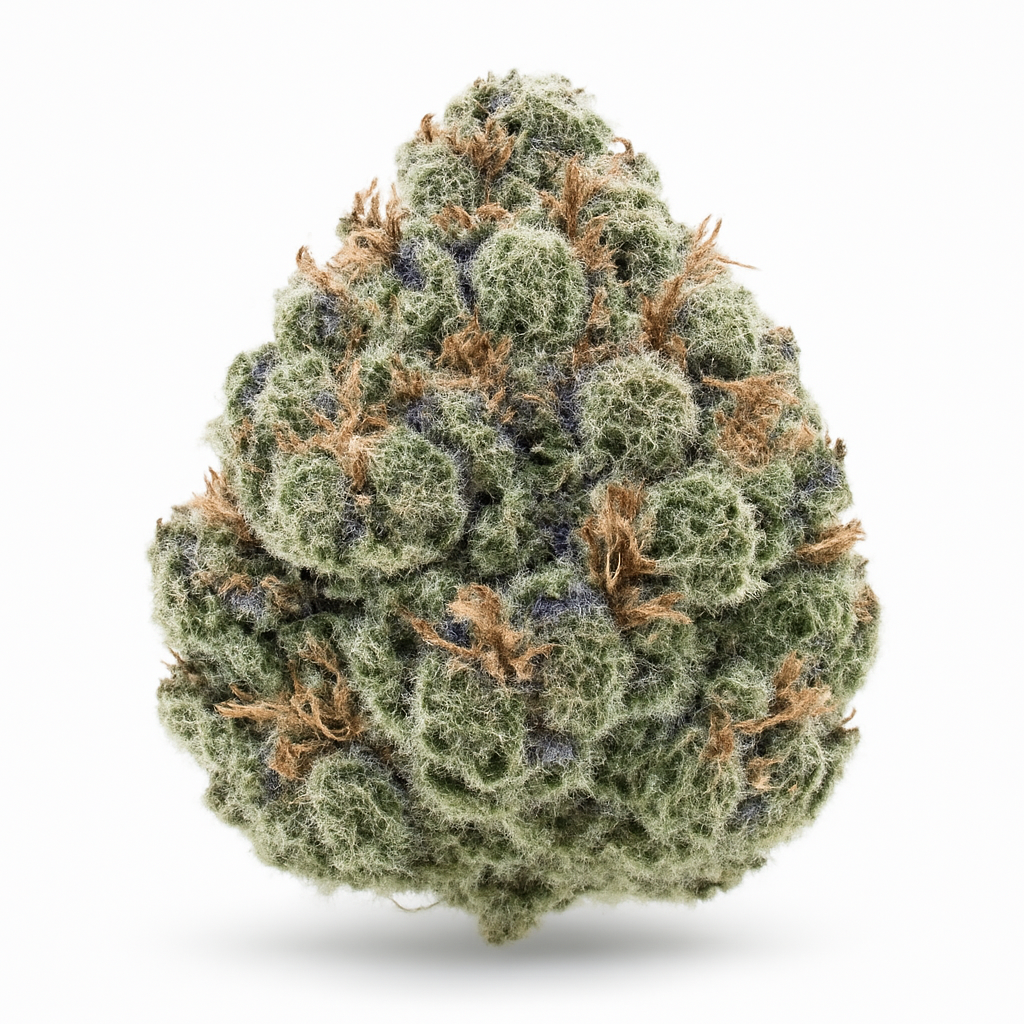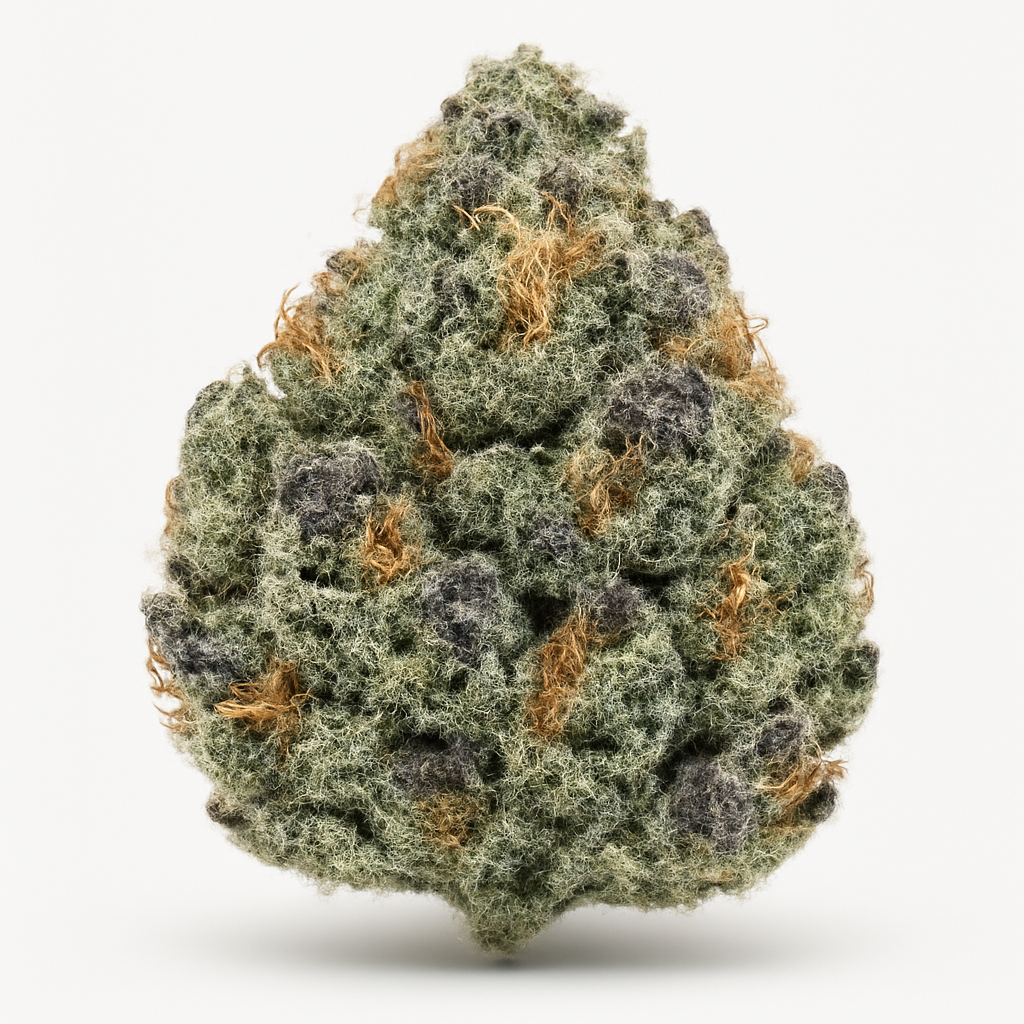
Representative image of Cherry Tart
Cherry Tart is a hybrid built on a cherry-forward family tree, offering a familiar potency that will suit many users. With 20% THC and parents listed as Cherry Pie and Very Cherry, it aims for balanced appeal rather than extremes.
Cherry Tart
What Is the Cherry Tart Strain?
Cherry Tart is a hybrid cannabis variety whose lineage traces to Cherry Pie and Very Cherry. Its headline potency is 20% THC, positioning it as neither mild nor overpowering - a strain that reads as approachable and versatile for many consumers.
Cherry Tart Genetics & Lineage
The parentage of Cherry Tart - Cherry Pie crossed with Very Cherry - tells us a lot about its likely character. Both parents are named for their fruit-forward profiles, so Cherry Tart's genetics point toward aromatic sweet and tart notes and a flavor profile shaped by those cherry-dominant ancestors. Genetically, the cross aims to blend the dessert-like qualities of Cherry Pie with an intensified cherry character from Very Cherry to create a hybrid that leans on fruity terpene influence.
Cherry Tart THC & CBG Content
At 20% THC, Cherry Tart sits right at the catalog average, so it represents middle-of-the-road potency rather than an outlier. For most users this level is enough to deliver noticeable effects without the intense punch of ultra-high-THC varieties. We recommend standard microdosing etiquette: start with a small amount, wait to assess the effect, then increase gradually - a prudent approach whether you're new or experienced.
Is Cherry Tart Indica or Sativa?
Classified as a hybrid, Cherry Tart should offer a mix of head and body effects rather than a pure indica or sativa experience. Because the listing doesn't indicate dominance, treat it as a balanced hybrid that aims to combine uplifting and relaxing elements depending on dose and individual response.
Who Is Cherry Tart Best For?
Cherry Tart is best suited to consumers who want a flavorful, easygoing hybrid with predictable potency. Its 20% THC makes it a reasonable choice for daytime or early evening use when you want clarity but also gentle relaxation; novices should begin with lower doses, while regular users will find it reliably effective. Its fruit-forward lineage makes it a good match for social settings, creative tasks, or relaxed evenings - and the high 5/5 user rating (from two reviews) suggests positive reception among those who've tried it.
Our Take on Cherry Tart
We like Cherry Tart as a crowd-pleasing hybrid: the 20% THC level means it won’t overwhelm most users, and the Cherry Pie x Very Cherry lineage promises a dessert-like, fruit-forward character that stands out without being gimmicky. The perfect audience is someone who wants a flavorful hybrid with balanced effects rather than the extreme highs of modern high-THC strains. That said, the glowing 5/5 score comes from just two reviews, so while sentiment is clearly positive, the sample is small - enthusiasts seeking reliably heavy effects or medical-grade potency should look elsewhere. Overall, we recommend Cherry Tart for recreational users and flavor-focused consumers who appreciate a steady, approachable hybrid.
Cherry Tart FAQ
What is Cherry Tart?
Cherry Tart is a hybrid cannabis strain with parents listed as Cherry Pie and Very Cherry and a THC level of 20%.
How strong is Cherry Tart?
Cherry Tart clocks in at 20% THC, which is roughly the average potency for strains in our catalog.
What are the parent strains of Cherry Tart?
Its documented parents are Cherry Pie and Very Cherry.
Is Cherry Tart indica or sativa?
Cherry Tart is classified as a hybrid, indicating a blend of indica and sativa characteristics rather than a pure dominance.
What does Cherry Tart taste or smell like?
Given its Cherry Pie and Very Cherry lineage, a fruit- and cherry-forward aroma and flavor profile is likely, though individual experiences can vary.
Who should try Cherry Tart?
Try Cherry Tart if you want a balanced, flavor-forward hybrid at moderate potency; beginners should start low and increase slowly, while those seeking extreme potency may prefer other options.