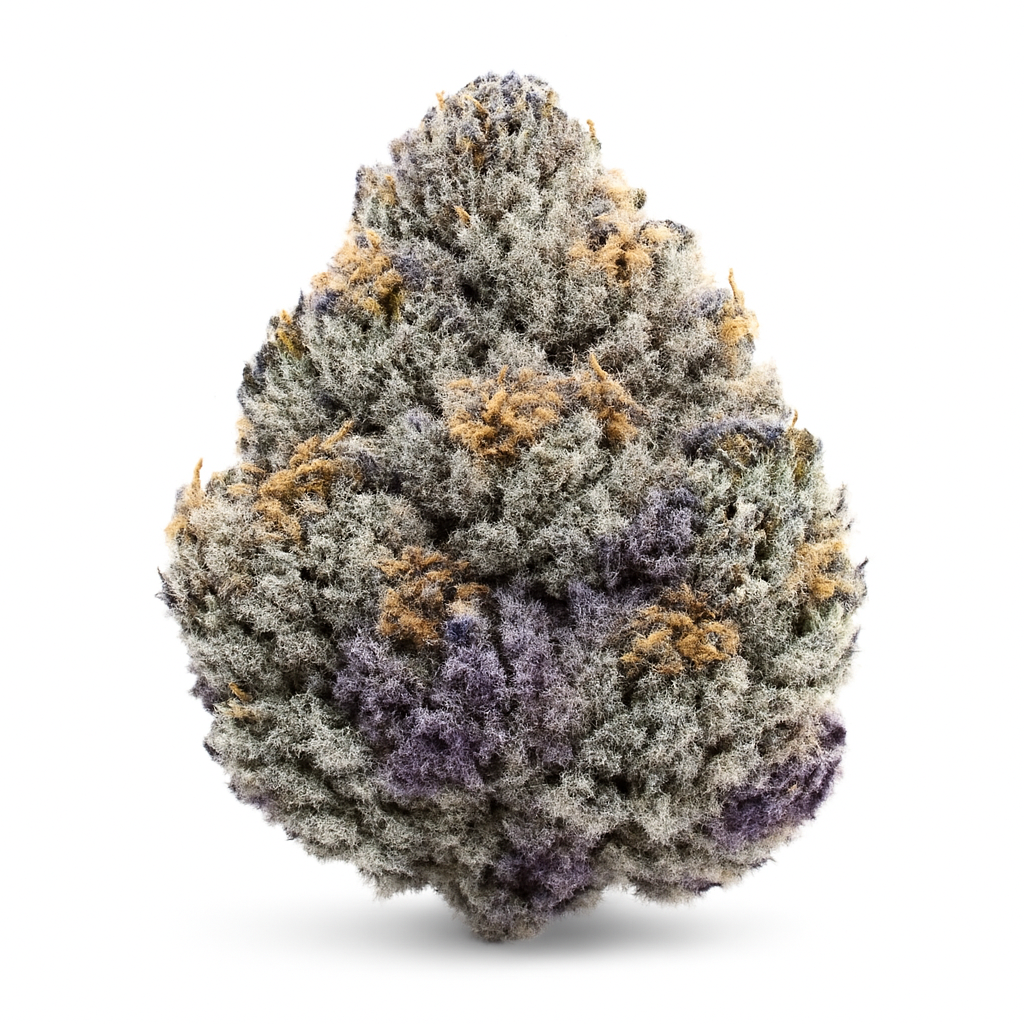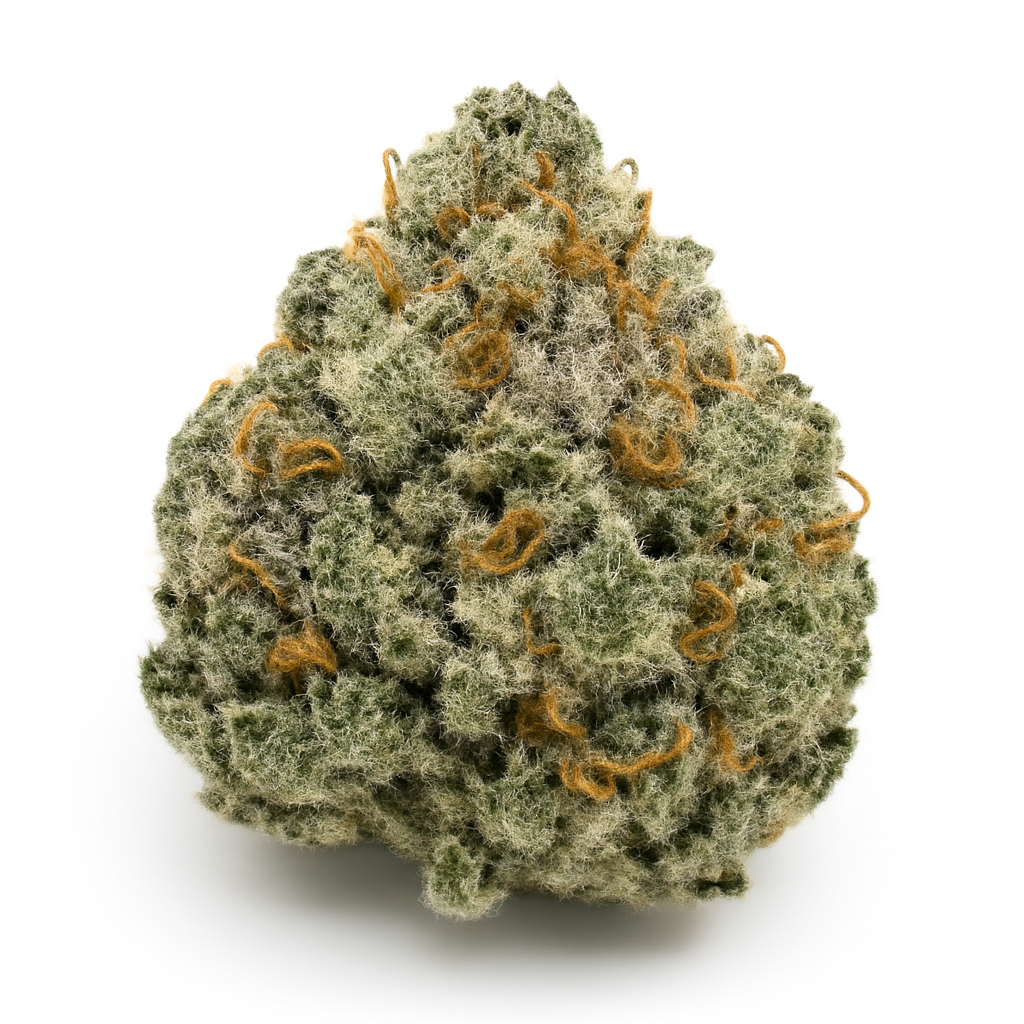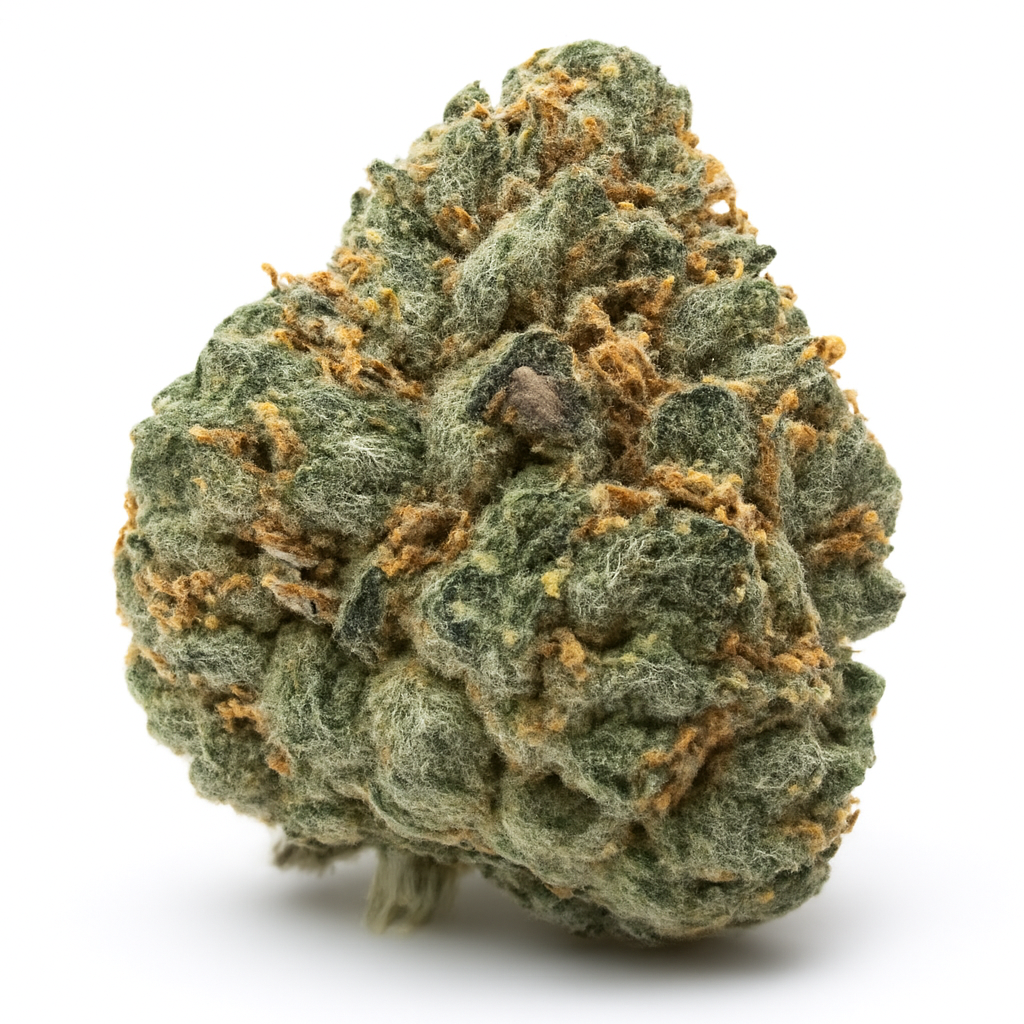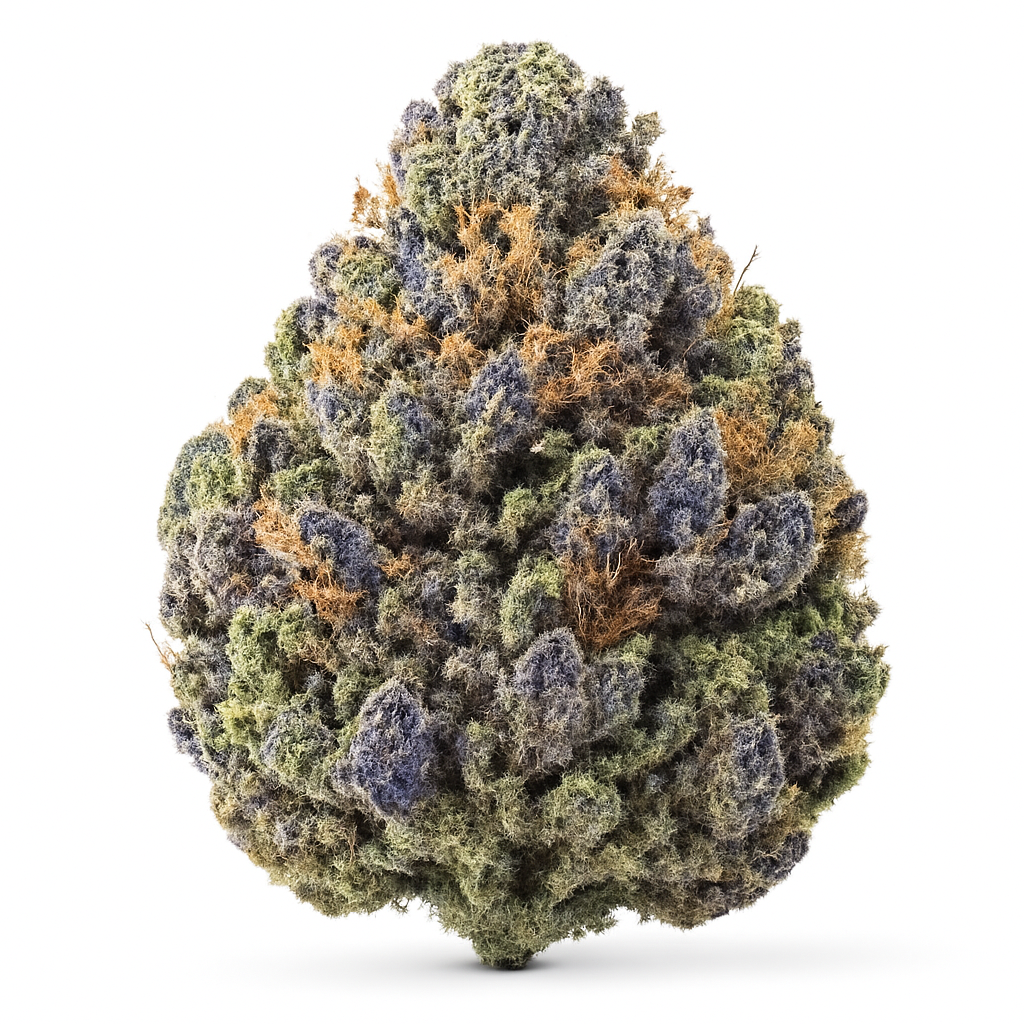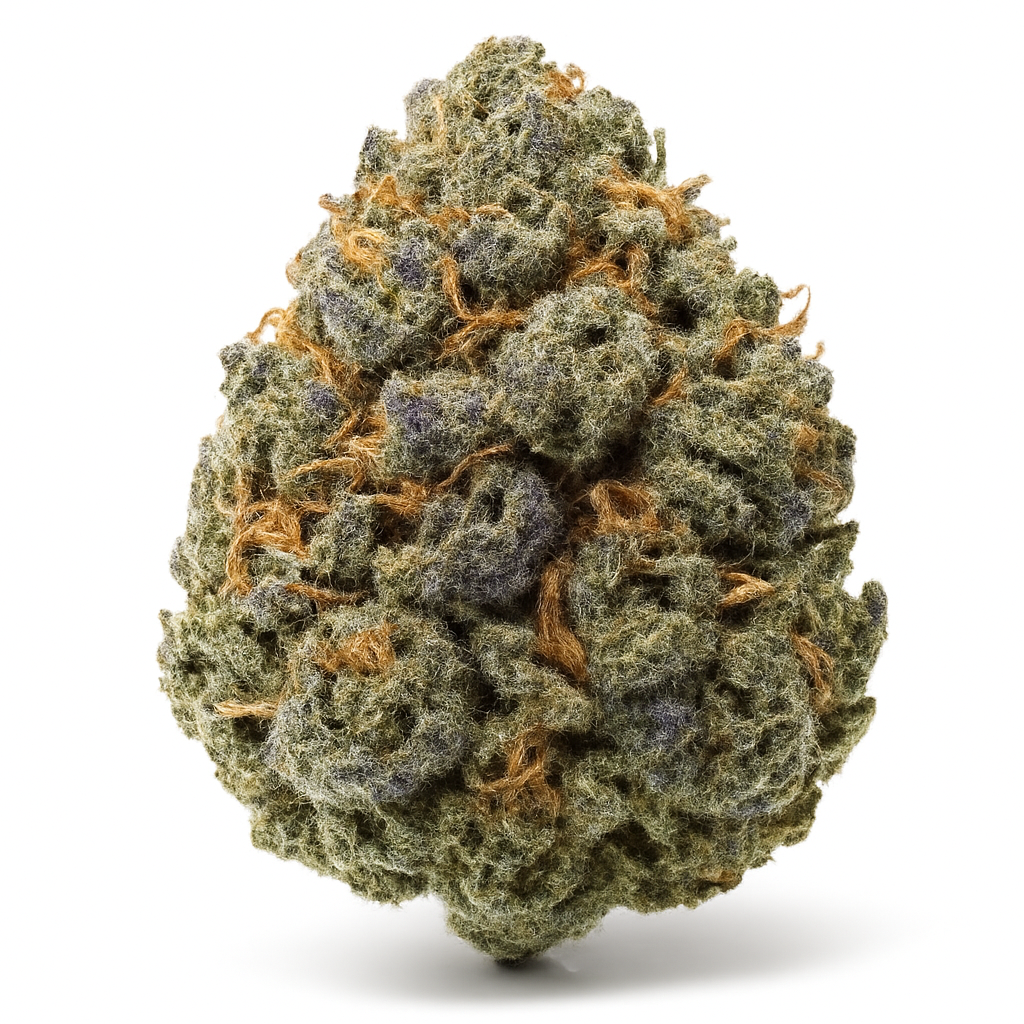
Representative image of Harle-Tsu
Harle-Tsu is a hybrid cannabis strain with 0% THC. Users report feeling relaxed, focused and uplifted. Flavors include spicy/herbal, woody and earthy.
Harle-Tsu
Also known as Harlequin Tsunami
Terpenes
Harle-Tsu Flavors & Aroma
Harle-Tsu’s taste profile runs to spicy and herbal top notes with a woody, earthy backbone. On inhale you’re likely to notice a peppery or herb-like bite that settles into warm wood and damp earth on the finish, making for a grounded, savory smoke or vapor experience.
Terpene Profile of Harle-Tsu
The dominant terpenes listed for Harle-Tsu are myrcene, pinene, and terpinolene. Myrcene contributes herbal, slightly musky aromas and is often associated with calming effects, pinene adds clear pine notes and may support alertness, and terpinolene brings light fruity or floral nuances that can lift the bouquet. Together these terpenes help shape both the aroma and the strain’s balanced, focused-relaxation character.
Harle-Tsu Genetics & Lineage
Harle-Tsu is a descendant of Harlequin and Sour Tsunami, and that parentage informs its hybrid temperament. Those two lines contribute a mix of calming and clarifying qualities that show up here as a relaxing but alert effect profile, while the flavor inheritance leans toward earthy and herbal tones.
Is Harle-Tsu Indica or Sativa?
Classified as a hybrid, Harle-Tsu aims for balance between indica- and sativa-like attributes. Practically, that means you can anticipate a mixture of relaxation and mental clarity rather than a one-note sedative or energizing rush.
Harle-Tsu FAQ
What effects does Harle-Tsu produce?
Users report feeling relaxed, focused, and uplifted-calm and clear rather than heavily sedated or intensely euphoric.
What does Harle-Tsu taste like?
The flavor profile is spicy and herbal with woody and earthy notes, offering a savory, grounded smoke or vapor.
What do people use Harle-Tsu for?
Anecdotally, people use Harle-Tsu to help with pain, stress, and anxiety, seeking symptomatic relief without a strong intoxicating effect.
Are there side effects to watch for?
Reported negatives include headache, dizziness, and dry eyes; start with a low dose and hydrate to reduce risk.