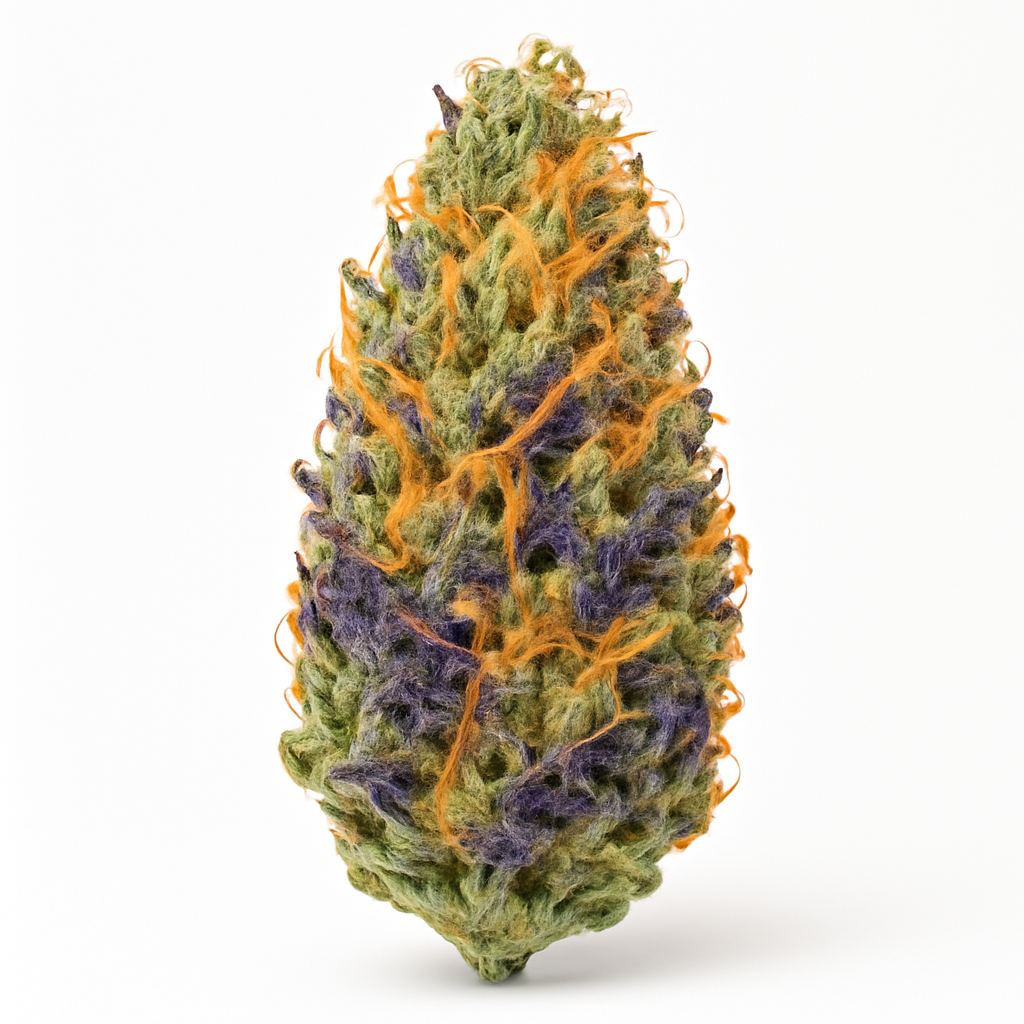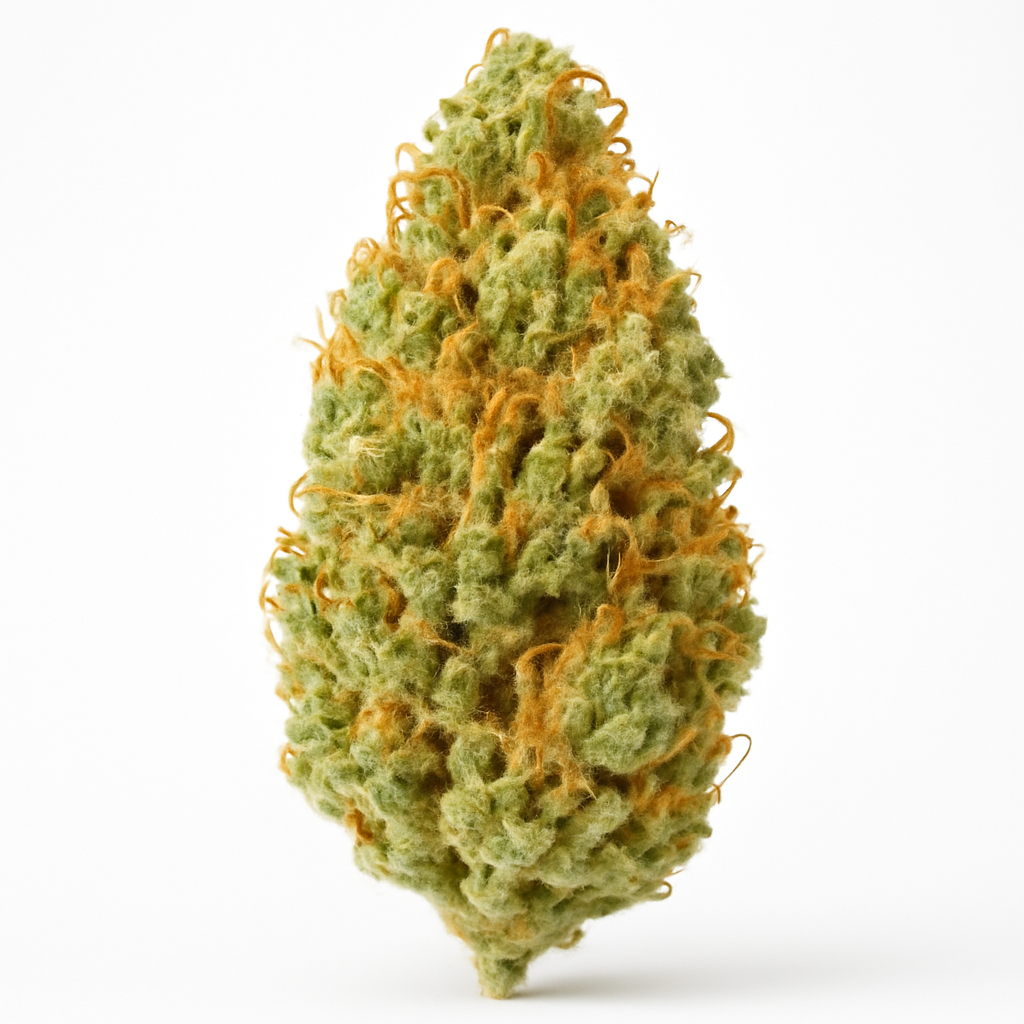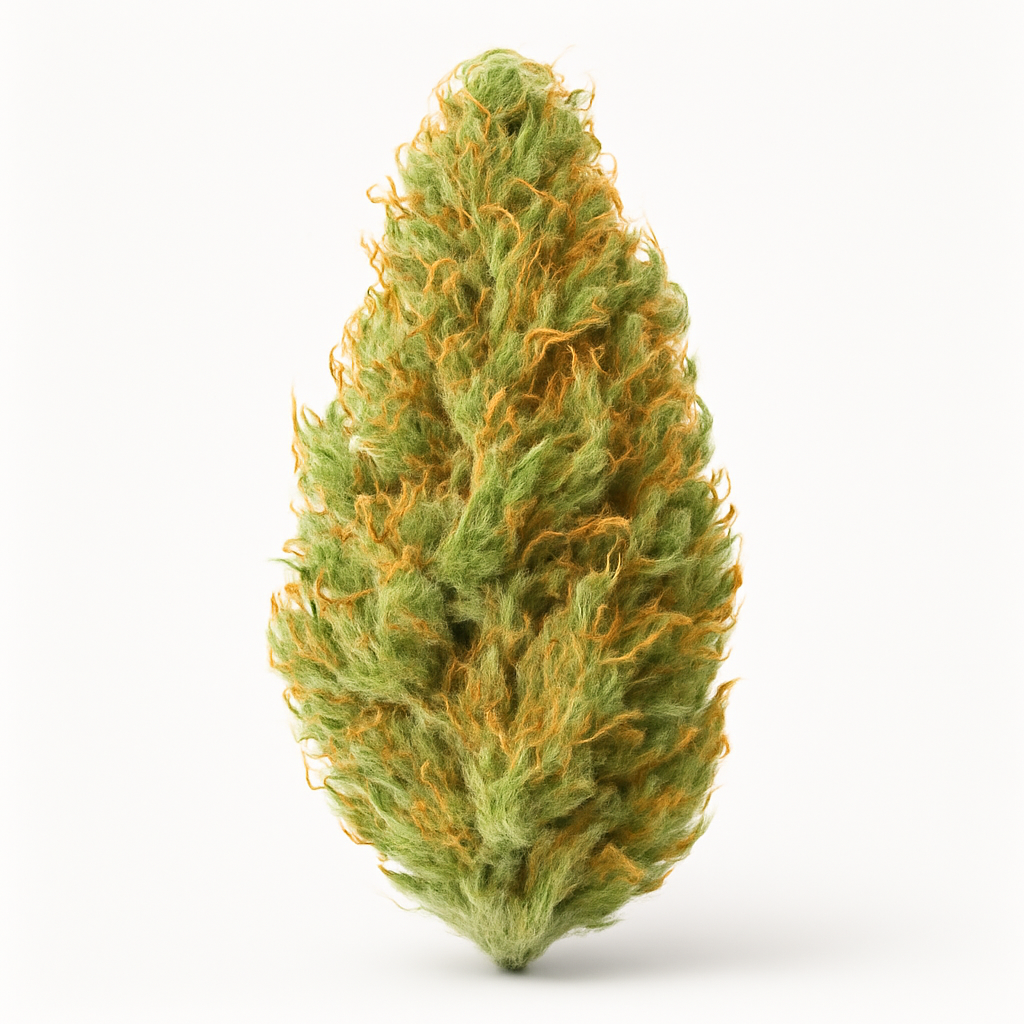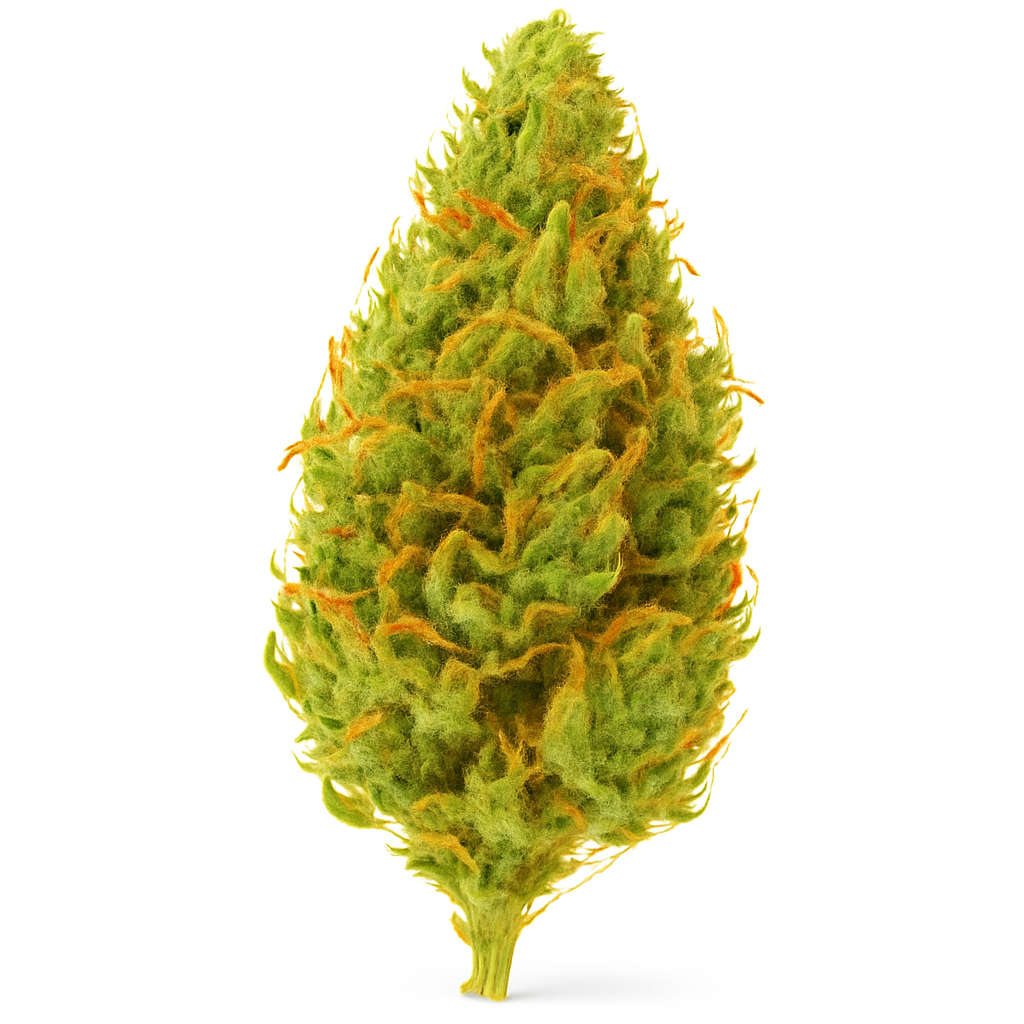
Representative image of Lemon Jack
Lemon Jack is a sativa cannabis strain with 17% THC. Flavors include lemon, citrus and chemical. Users report feeling energetic, focused and talkative.
Lemon Jack
Terpenes
Lemon Jack Effects
Users report Lemon Jack delivers energetic, focused, and talkative effects-an uplift that tends to favor mental clarity and social engagement over couch-lock. Expect a cerebral buzz that can sharpen conversation or make creative tasks feel more accessible; because the experience is mentally active, people prone to overthinking should pace their intake.
Lemon Jack Flavors & Aroma
The flavor profile centers on bright lemon and broader citrus notes with an underlying chemical edge that gives the smoke a slightly sharp, modern terpene bite. The citrus top notes are immediate and zesty, while the chemical nuance lingers on the finish to round out a complex, memorable aroma.
What Does Lemon Jack Help With?
Anecdotally, people reach for Lemon Jack to manage stress, lift low mood, or counteract fatigue-uses that align with its energizing and focus-enhancing reputation. These reported benefits are subjective, but the strain’s sativa profile and terpene mix make it a natural candidate for daytime mood and motivation support.
Lemon Jack Side Effects & Negatives
Reported negatives include feelings of anxiety or paranoia for some users and the common cannabis side effect of dry eyes. Because the high is mentally active, those with anxiety histories should start with smaller doses and move up slowly; staying hydrated and in a familiar environment can also help minimize uncomfortable reactions.
Lemon Jack Genetics & Lineage
The genetic pairing of Jack Herer with Lemon Kush explains much of Lemon Jack’s character: the lineage marries a cerebral sativa influence with a pronounced lemony aroma from the Kush side. That parentage is reflected in the strain’s focused, talkative highs and its bright citrus-forward flavor.
Is Lemon Jack Indica or Sativa?
Classified as a sativa, Lemon Jack typically produces uplifting, cerebral effects rather than heavy physical sedation. That classification aligns with its energetic and focused effect profile, making it better suited for daytime use and activities that benefit from mental engagement.