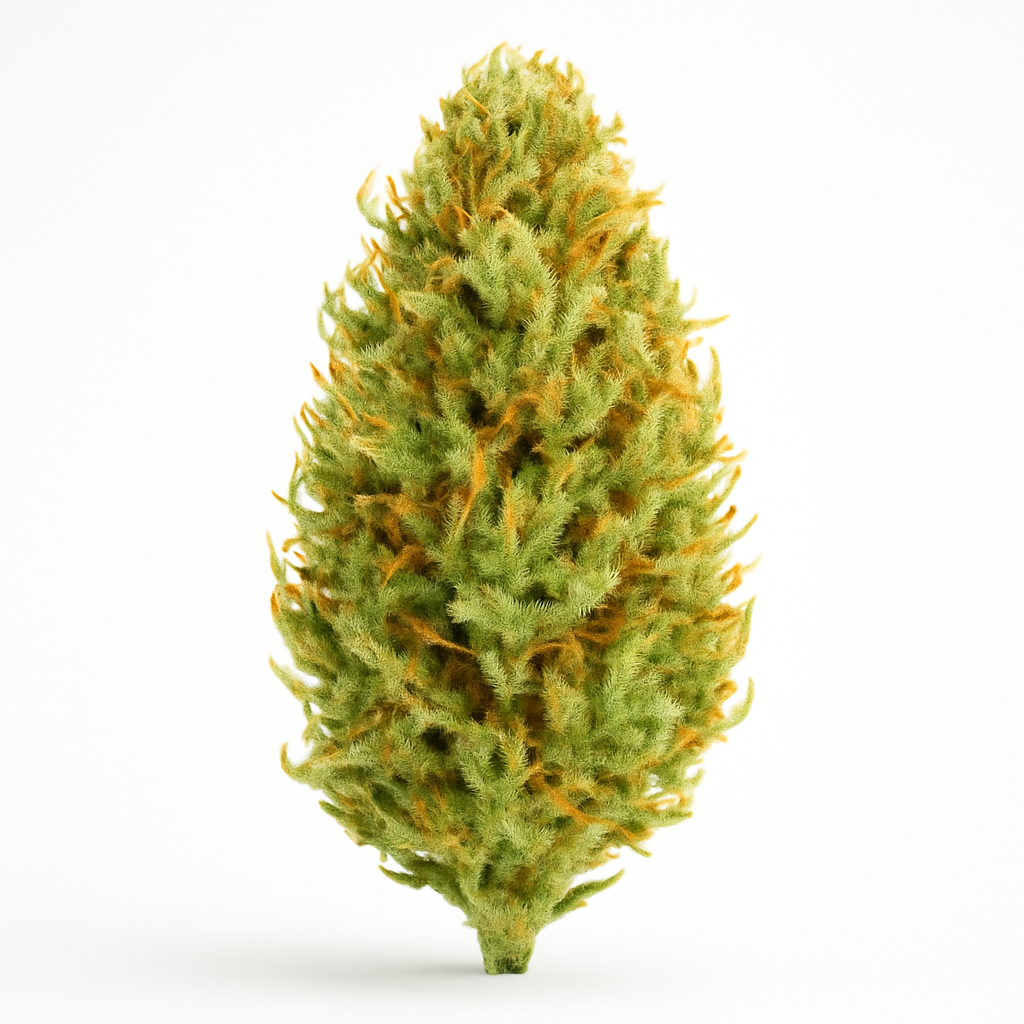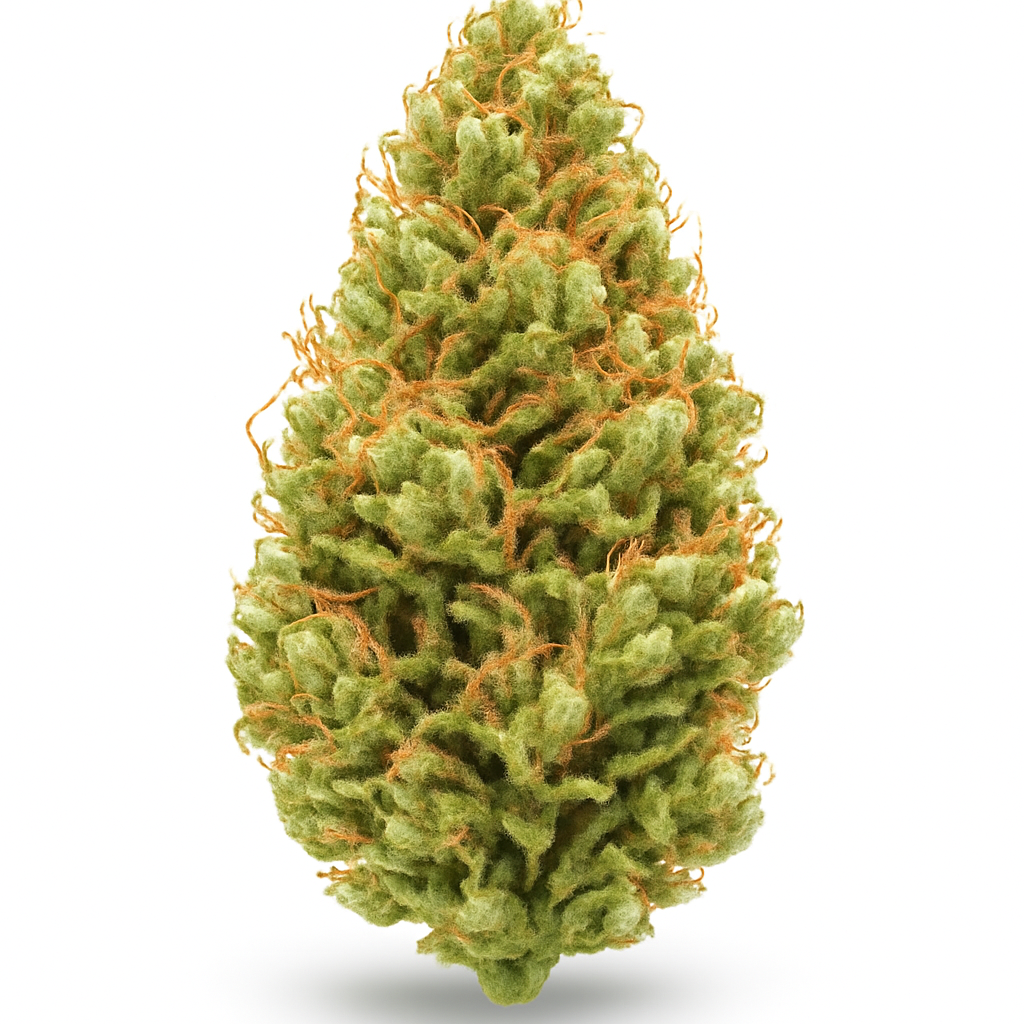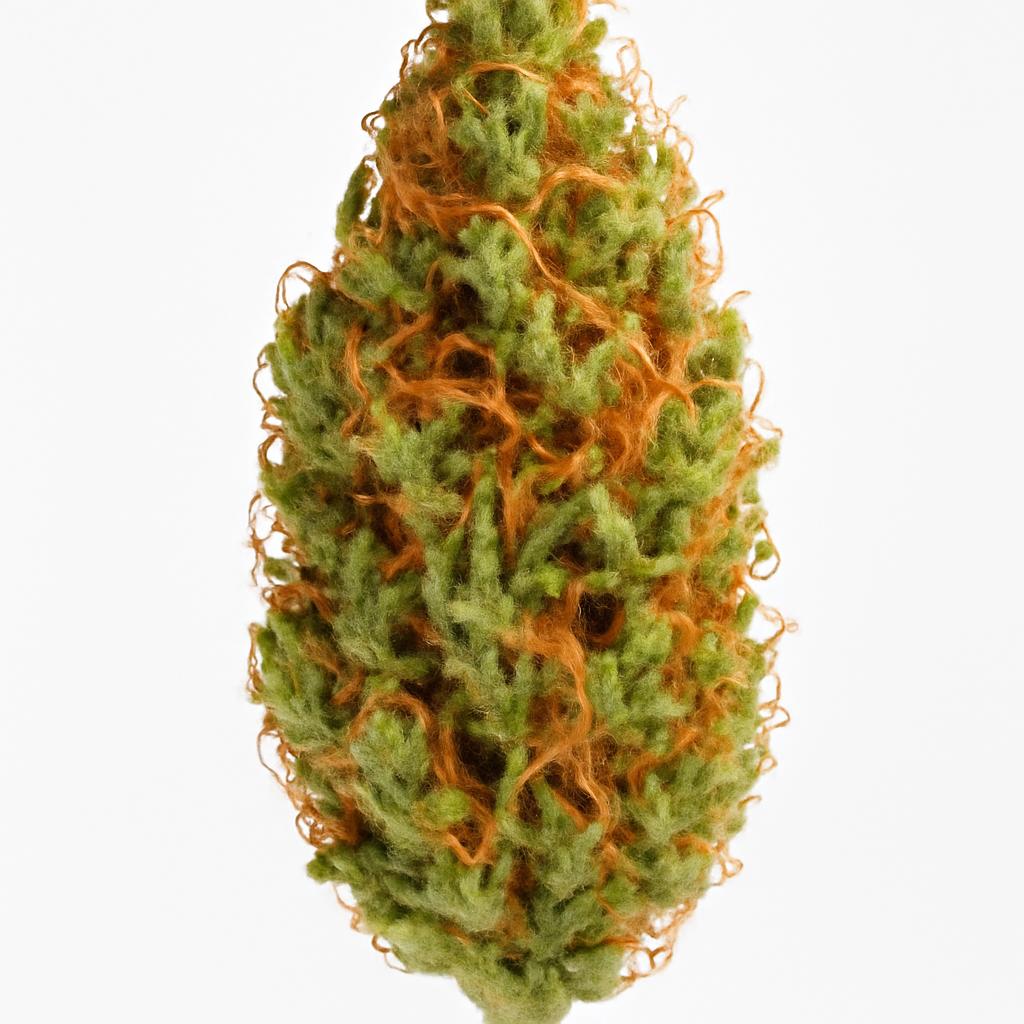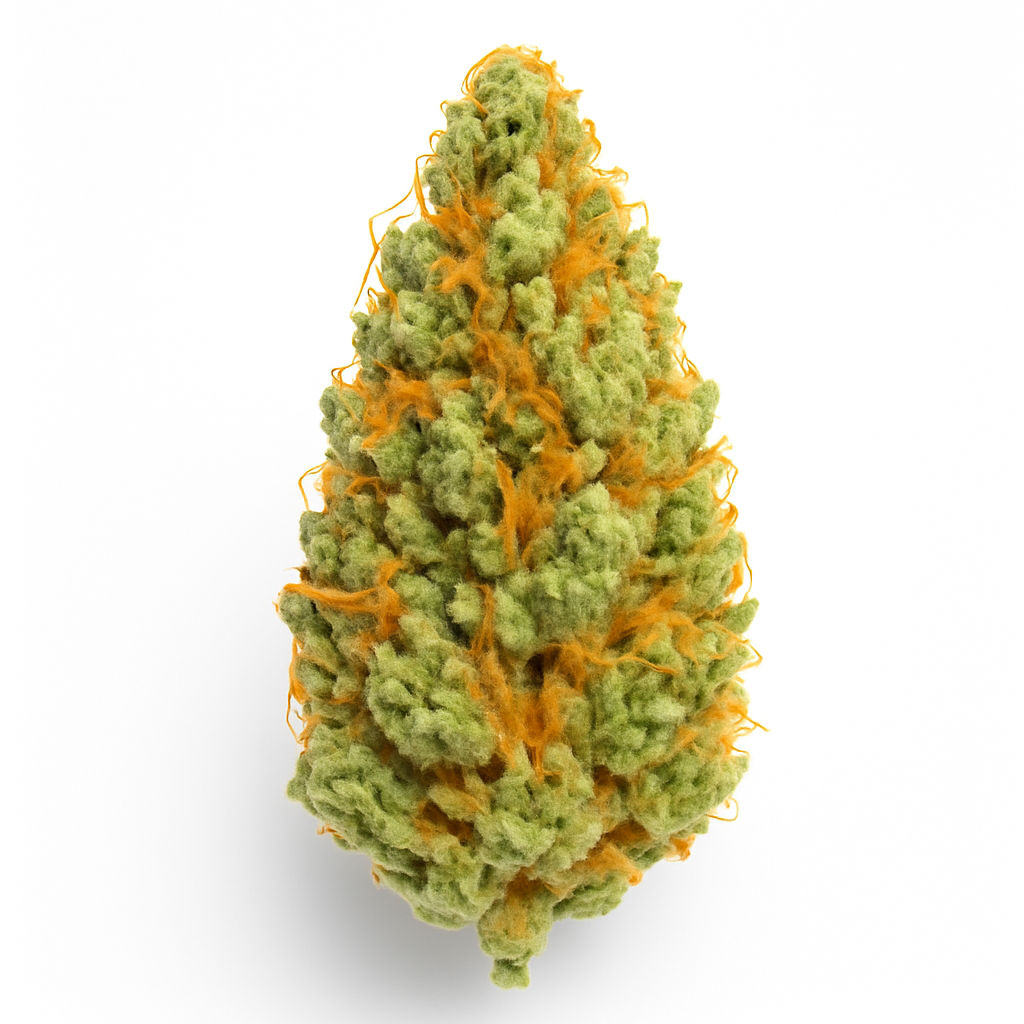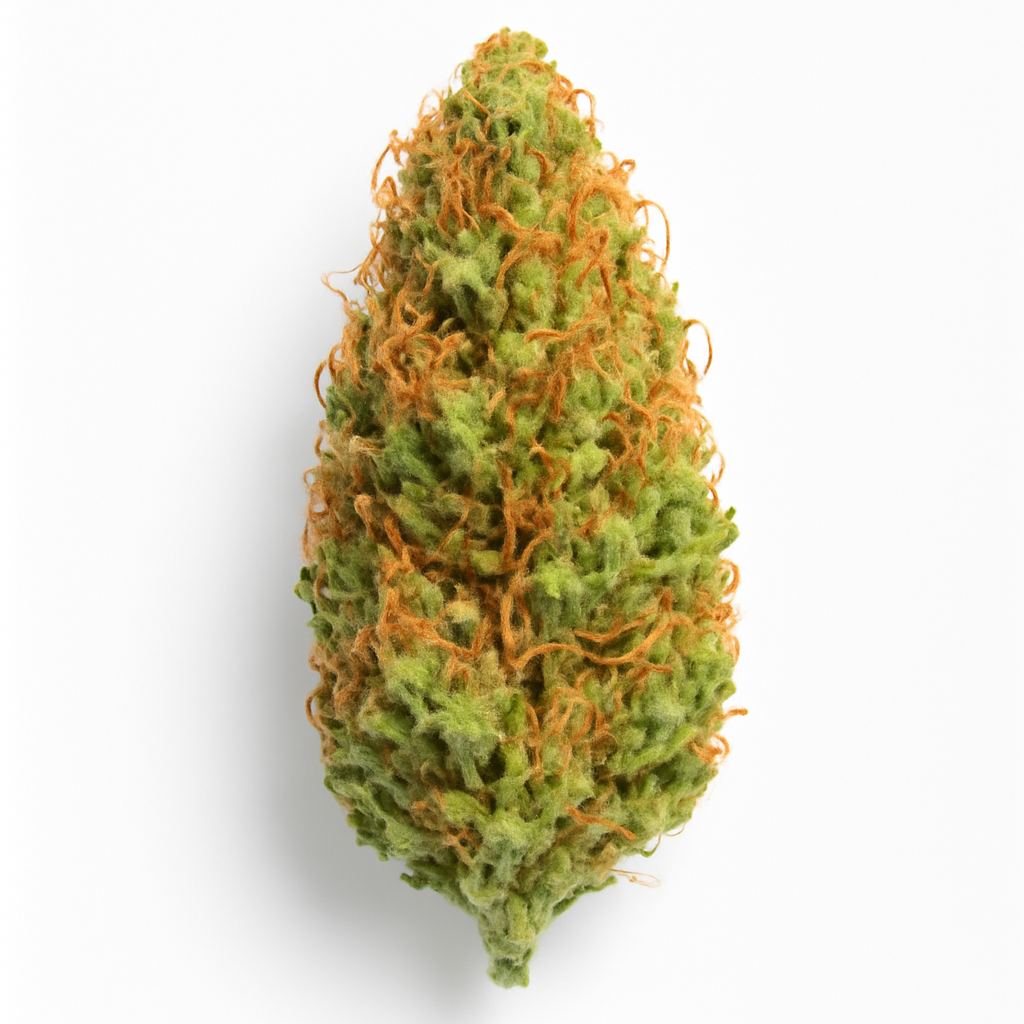
Representative image of Pearadise
Pearadise is a sativa that leans toward a mellow, approachable experience, carrying 16% THC and 1% CBG. Its terpene mix of myrcene, pinene and caryophyllene helps explain why users report feeling relaxed rather than wired.
Pearadise
Top effects
Terpenes
What Is the Pearadise Strain?
Pearadise is classified as a sativa with parentage traced to Kosher Kush and Peach Ozz and a measured cannabinoid profile of 16% THC and 1% CBG. That combination positions it as a clear sativa entry in our catalog but one that delivers a softer psychoactive punch than many modern releases.
Pearadise Effects
Reported effects center on feeling relaxed. Given its sativa label, users can expect Pearadise to favor a clear-headed calm rather than heavy sedation - the vibe is more unwound than energized. With that single-word effect reported, the experience likely sits on the lower-to-moderate side of intensity rather than producing strong cerebral stimulation.
Terpene Profile of Pearadise
Pearadise’s dominant terpenes are myrcene (herbal), pinene (pine) and caryophyllene (pepper). Myrcene often brings an herbal, slightly green aroma and can smooth out harsher notes; pinene adds bright piney top notes that can feel sharp and refreshing; caryophyllene supplies a spicy, peppery backbone. Together these profiles create a herbal-pine-spice bouquet and likely shape a calming, layered sensory impression through the entourage effect.
What Does Pearadise Help With?
Anecdotally, people reach for Pearadise when they want to dial down stress and settle into a relaxed state without crashing. Because reports emphasize relaxation rather than sedation, users seeking relief from everyday tension or a way to unwind after a busy day may find it useful - framed as personal reports rather than medical claims.
Pearadise Genetics & Lineage
Pearadise comes from Kosher Kush crossed with Peach Ozz, so its pedigree mixes two distinct parents. That lineage suggests a hybrid interplay where traits from both sides contribute to aroma, structure and behavior; the exact balance will vary by phenotype and grow, but the cross explains why Pearadise can register as sativa while still presenting calming qualities.
Pearadise THC & CBG Content
At 16% THC Pearadise sits below the typical catalog average of about 20% THC, meaning it’s generally milder than many contemporary strains. The 1% CBG is a modest presence that may subtly influence the overall profile. Practically, this potency level suggests lower risk of overwhelming psychoactivity for new or cautious consumers, though it remains psychoactive and dosing should be adjusted to tolerance.
Is Pearadise Indica or Sativa?
As a sativa, Pearadise is expected to lean toward cerebral and uplifting tendencies in the species sense, but its reported relaxed effect shows sativa labels don’t always equal high-energy outcomes. In short, it behaves like a gentler sativa-more mellow clarity than racing headspace.
Who Is Pearadise Best For?
Pearadise is best for daytime or early evening use when you want to relax without heavy sedation. Because its THC is below our catalog average, it’s a reasonable fit for moderate users and cautious beginners who prefer a softer onset; seasoned consumers can enjoy it for mellow sessions or social settings where high stimulation isn’t desired. Start low and go slow to gauge individual response, and choose methods that allow easy titration (small doses, microdosing, or controlled vaping).
Our Take on Pearadise
We like Pearadise for what it tries to be: a sativa that calms rather than overexcites. Its 16% THC makes it approachable compared with the 20% norm, and the myrcene/pinene/caryophyllene trio explains the herbal-pine-spice aroma and the relaxed outcome people report. With a modest 3.8/5 average from five reviews, satisfaction appears mixed-to-positive - enough to recommend it for fans of milder, terpene-forward sativas, but not a universal pick for those chasing high-potency effects or intense cerebral rides. If you want a sativa that favors balance and a soothing profile, Pearadise deserves a try; if you need maximum punch, look elsewhere.
Pearadise FAQ
What type of strain is Pearadise?
Pearadise is classified as a sativa.
How strong is Pearadise?
Pearadise measures 16% THC, which is below the catalog average of about 20% THC, and contains 1% CBG.
What effects can I expect from Pearadise?
Users report feeling relaxed after using Pearadise, suggesting a mellow, calming experience rather than intense stimulation.
What does Pearadise taste or smell like?
The dominant terpenes-myrcene (herbal), pinene (pine) and caryophyllene (pepper)-point to an herbal, piney and slightly spicy aroma and flavor profile.
What does Pearadise reportedly help with?
Anecdotally, people use Pearadise to help manage stress and unwind; these uses are reported rather than medical claims.
Who created Pearadise or what are its parents?
Pearadise’s parent strains are Kosher Kush and Peach Ozz.