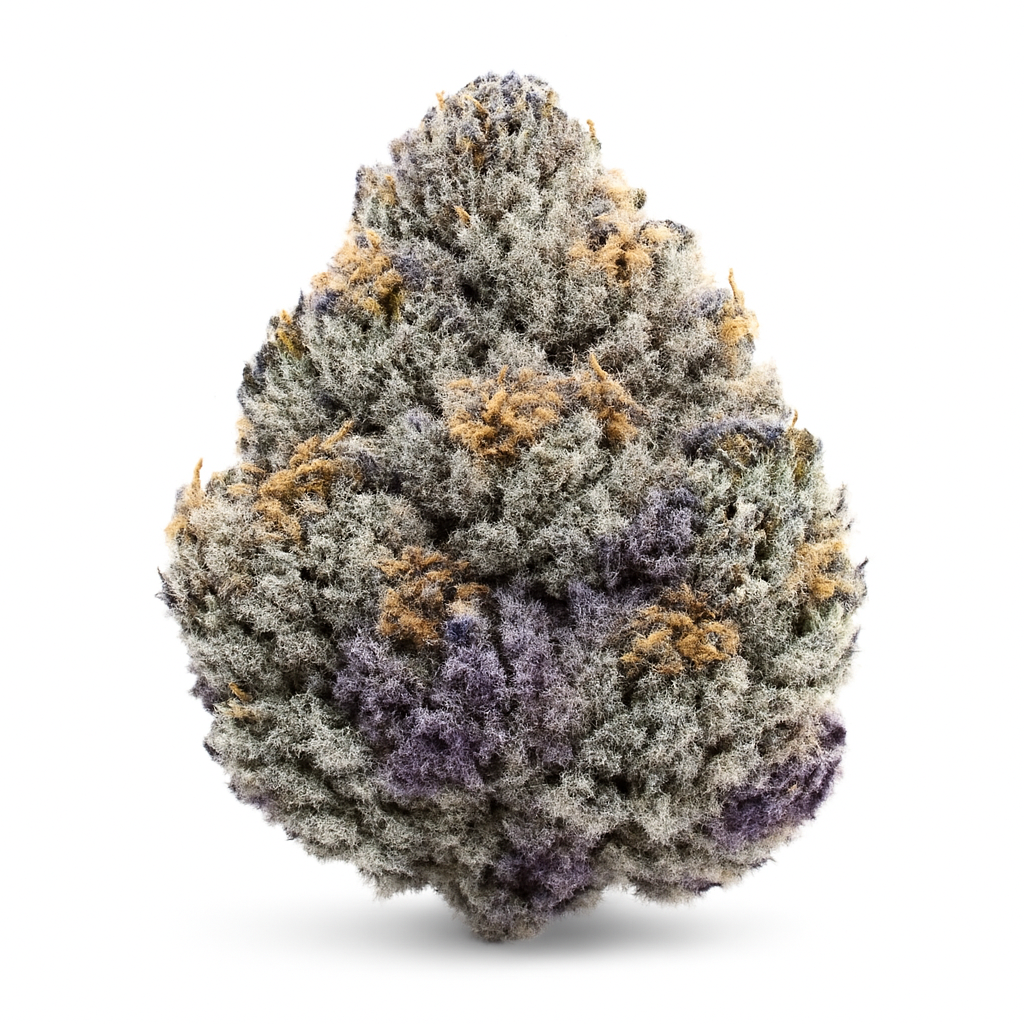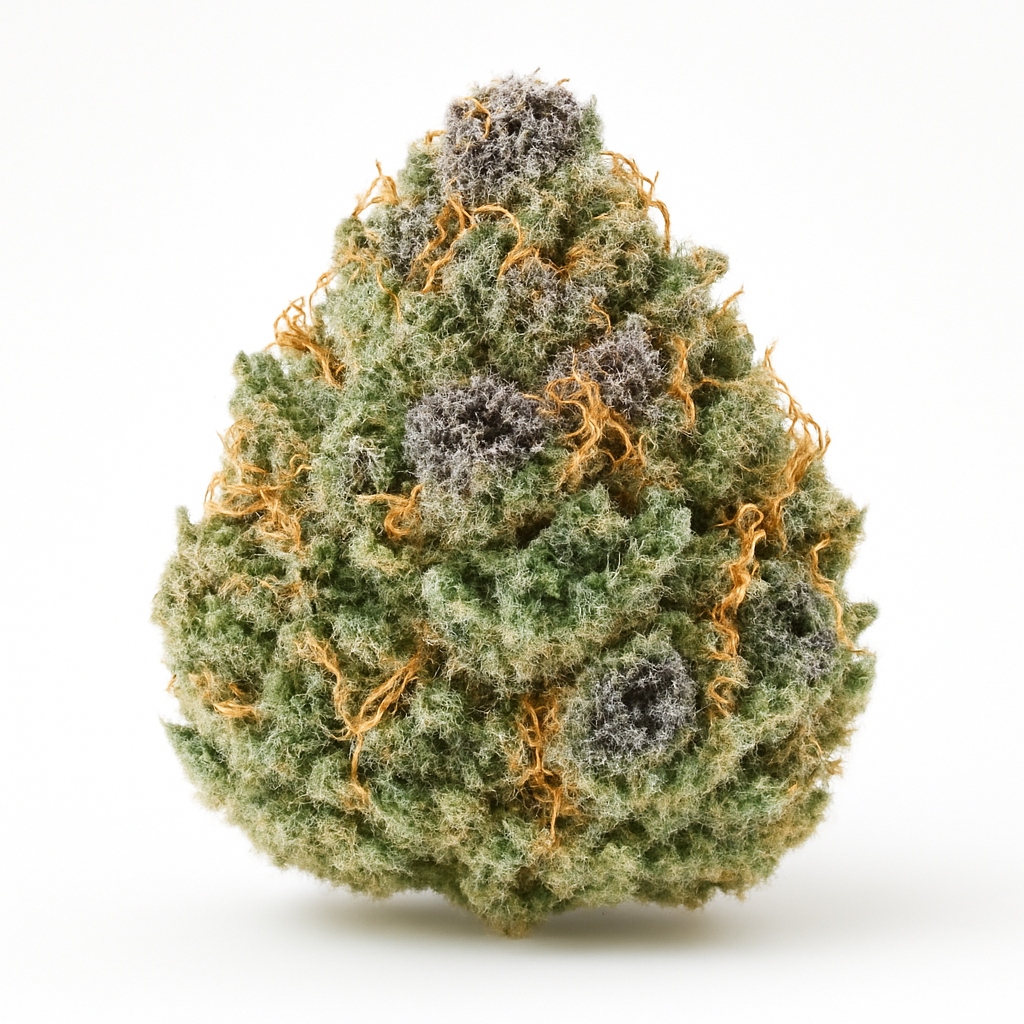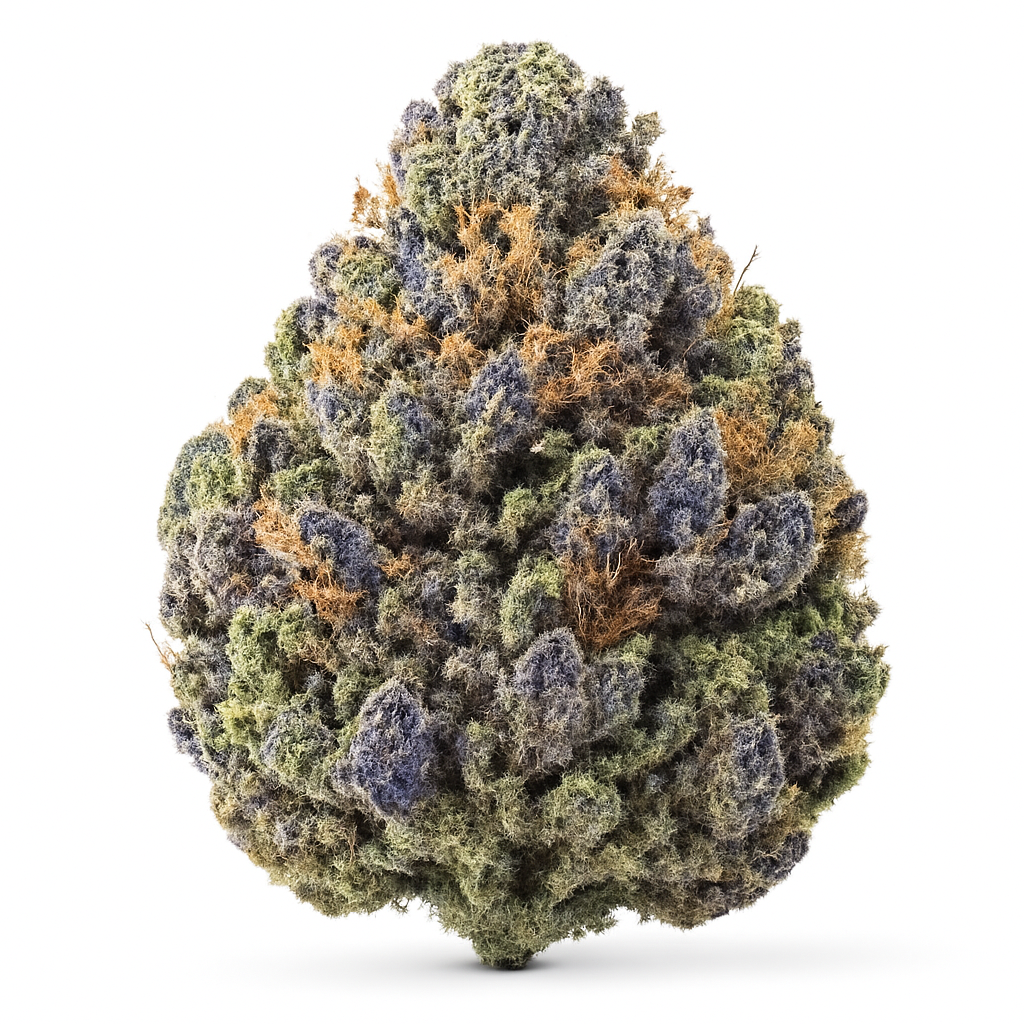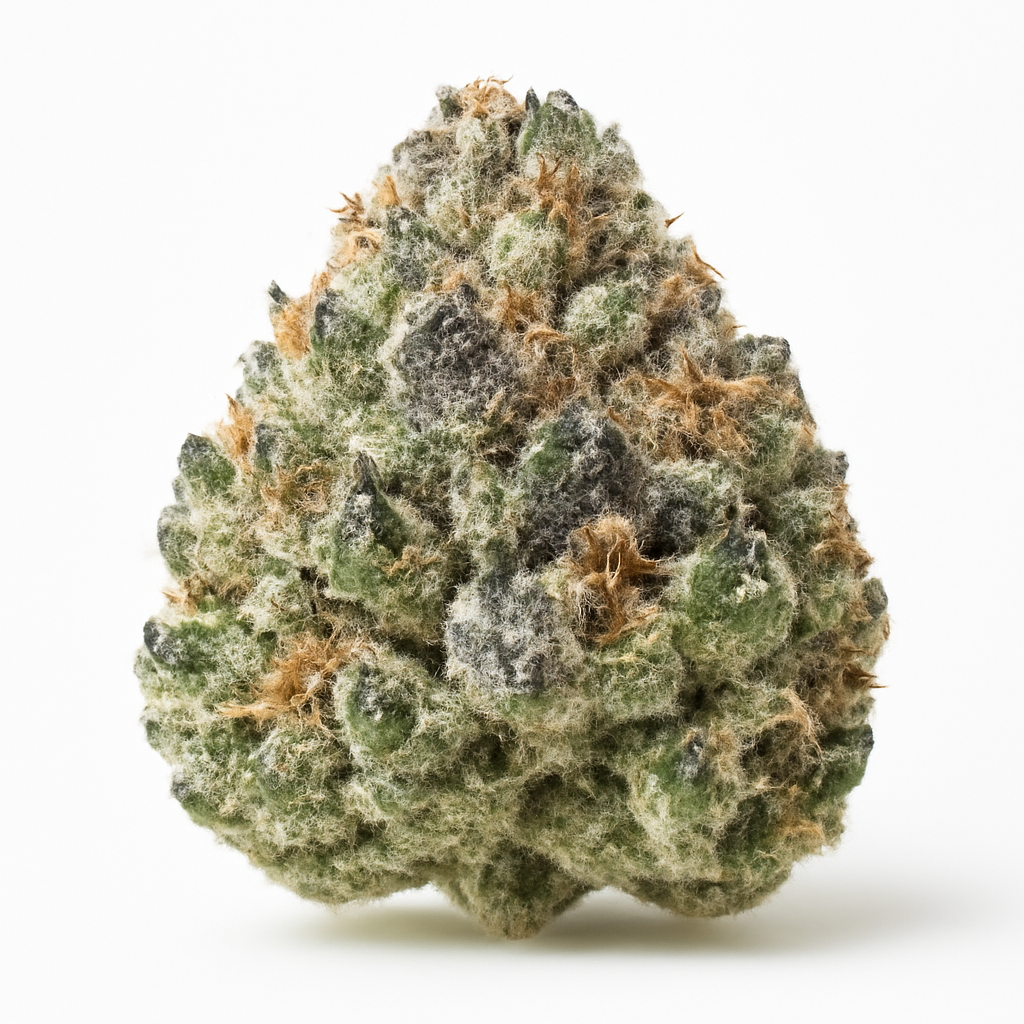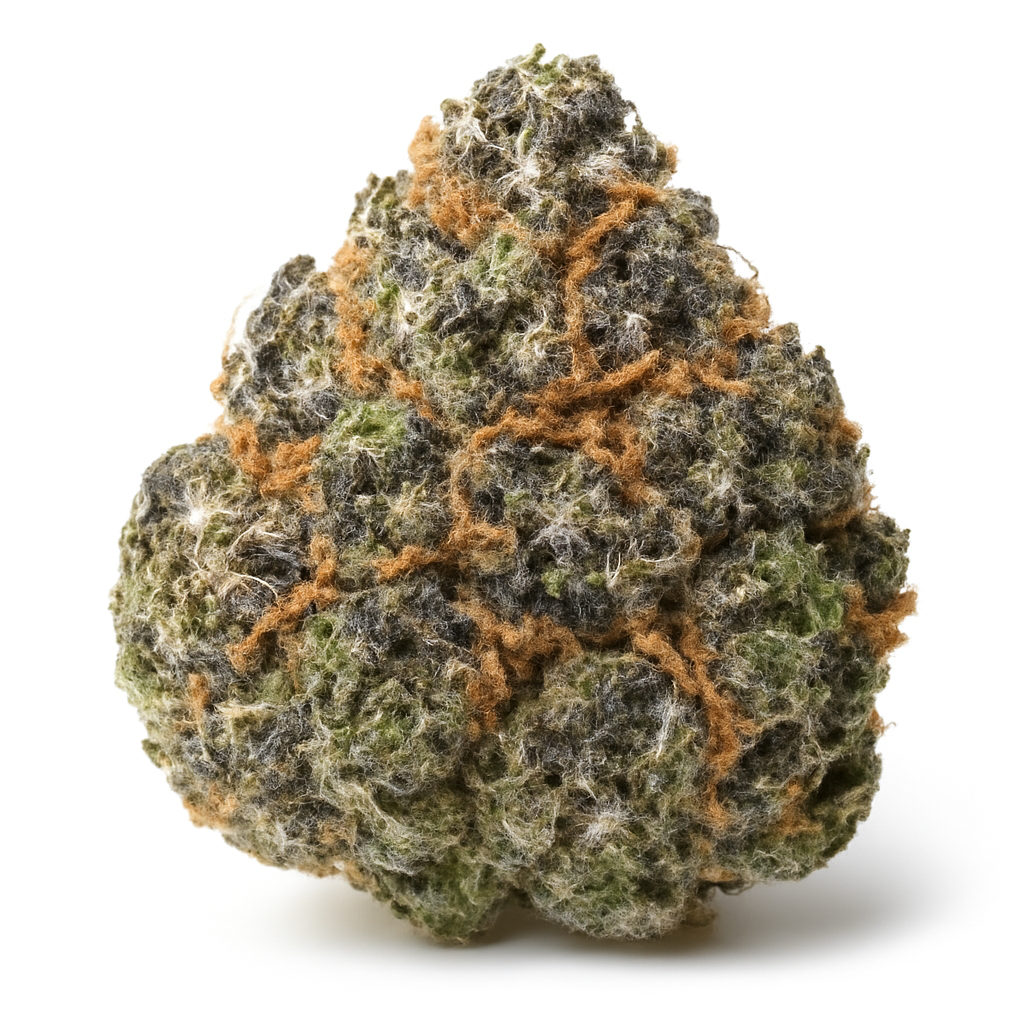
Representative image of Purple Tears
Purple Tears pairs soft floral aromatics with a reliably pleasant high, delivering a tingly, hunger‑promoting experience that leans upbeat. With 19% THC and 1% CBG, it sits just under the catalog average for potency while packing a distinctive lavender-and-wood flavor profile.
What Is the Purple Tears Strain?
Purple Tears is a hybrid cannabis strain bred from the parents DelaHaze and Querkle and tested at 19% THC with 1% CBG. That combination of hybrid genetics and a measurable CBG presence positions it as a balanced option for consumers who want a noticeable but not extreme psychoactive effect.
Purple Tears Effects
Users report Purple Tears as tingly, hungry, and happy - a mix that suggests both a physical sensation and a pleasant mood lift. Expect an initial buoyant warmth and a gentle body tingle that can stimulate appetite and leave you feeling content rather than sedated, making it feel lively without overwhelming intensity.
Purple Tears Flavors & Aroma
The flavor profile leans floral and fragrant, with clear lavender notes woven through woody undertones and a general flowery perfume. On inhale and exhale you’ll notice that lavender-forward character first, softened by a clean woody backbone that keeps the profile from becoming cloyingly sweet.
Terpene Profile of Purple Tears
Purple Tears' dominant terpenes are myrcene (herbal), caryophyllene (pepper) and pinene (pine). Myrcene typically brings an herbal, sometimes calming dimension, caryophyllene adds a spicy, peppery edge and is often linked with anti-inflammatory associations, and pinene contributes bright piney notes and a hint of clarity. Together these terpenes shape both the scent and the nuanced effects via the entourage interplay.
What Does Purple Tears Help With?
Anecdotally, consumers reach for Purple Tears to help with depression, headaches and inflammation. Those reports align with its uplifting mood profile and the presence of terpenes like caryophyllene and pinene, which are commonly associated with anti‑inflammatory and clarifying sensations, though these are user reports rather than medical claims.
Purple Tears Side Effects & Negatives
The most commonly reported downsides are dry eyes and dry mouth. To minimize discomfort, stay hydrated, consider eye drops if you’re prone to irritation, and start with a conservative dose if you’re sensitive to cannabinoid effects.
Purple Tears Genetics & Lineage
The listed parents, DelaHaze and Querkle, form Purple Tears’ pedigree and explain its hybrid balance: the cross of two distinct lines yields a strain that carries floral aromatics and a complex terpene mix. That parentage helps account for Purple Tears’ layered scent and the mixed mental/physical effects it tends to produce.
Purple Tears THC & CBG Content
At 19% THC, Purple Tears is slightly below the typical 20% average in our catalog, putting it in the moderate potency range. The 1% CBG is present at a modest level and may contribute subtle entourage effects, but THC will be the primary psychoactive driver. For most users this level is approachable, though dosing should still be sensible for newer consumers.
Is Purple Tears Indica or Sativa?
Classified as a hybrid, Purple Tears is designed to blend the qualities commonly associated with both indica and sativa heritage rather than favoring one extreme. That classification corresponds with a mixed experience - some uplifting, mood‑boosting elements alongside a gentle physical tingle.
Who Is Purple Tears Best For?
Purple Tears is well suited to daytime or early evening use when you want a mood lift, appetite stimulation, or gentle physical relief without heavy sedation. Because its THC is moderate, it’s approachable for many users, but novices should start low and go slow. Pair it with relaxed social settings, creative tasks, or low‑key solo activities and keep water handy to counteract dry mouth and eyes.
Our Take on Purple Tears
We like Purple Tears for its floral-forward flavor and reliably pleasant, balanced high. Its 19% THC offers meaningful effects without being overpowering, and the myrcene/caryophyllene/pinene trio gives both aromatic interest and a plausible link to the reported mood and comfort benefits. The perfect five‑star average (from three reviews) signals strong approval from a small sample, so we’re enthusiastic but cautious: this is a great pick for people who favor fragrant, uplifting hybrids and want an approachable potency; those seeking extreme THC highs or very sedative strains should look elsewhere.
Purple Tears FAQ
What is Purple Tears and what are its parents?
Purple Tears is a hybrid strain bred from DelaHaze and Querkle, tested at 19% THC and 1% CBG.
What effects can I expect from Purple Tears?
Users report feeling tingly, happy, and hungry - an uplifting mood boost with a noticeable physical tingle and appetite stimulation.
How strong is Purple Tears compared to other strains?
At 19% THC it sits just below the typical catalog average of about 20%, making it moderately potent and approachable for many users.
What does Purple Tears taste and smell like?
The profile is floral and lavender-forward with woody undertones and a flowery aroma throughout.
What terpenes are dominant in Purple Tears and what do they do?
Its dominant terpenes are myrcene (herbal), caryophyllene (pepper) and pinene (pine), which jointly shape its herbal, spicy and piney notes and may influence its calming and clarifying sensations.
Are there any common side effects?
Reported negatives include dry eyes and dry mouth; staying hydrated and starting with a low dose can help manage these effects.