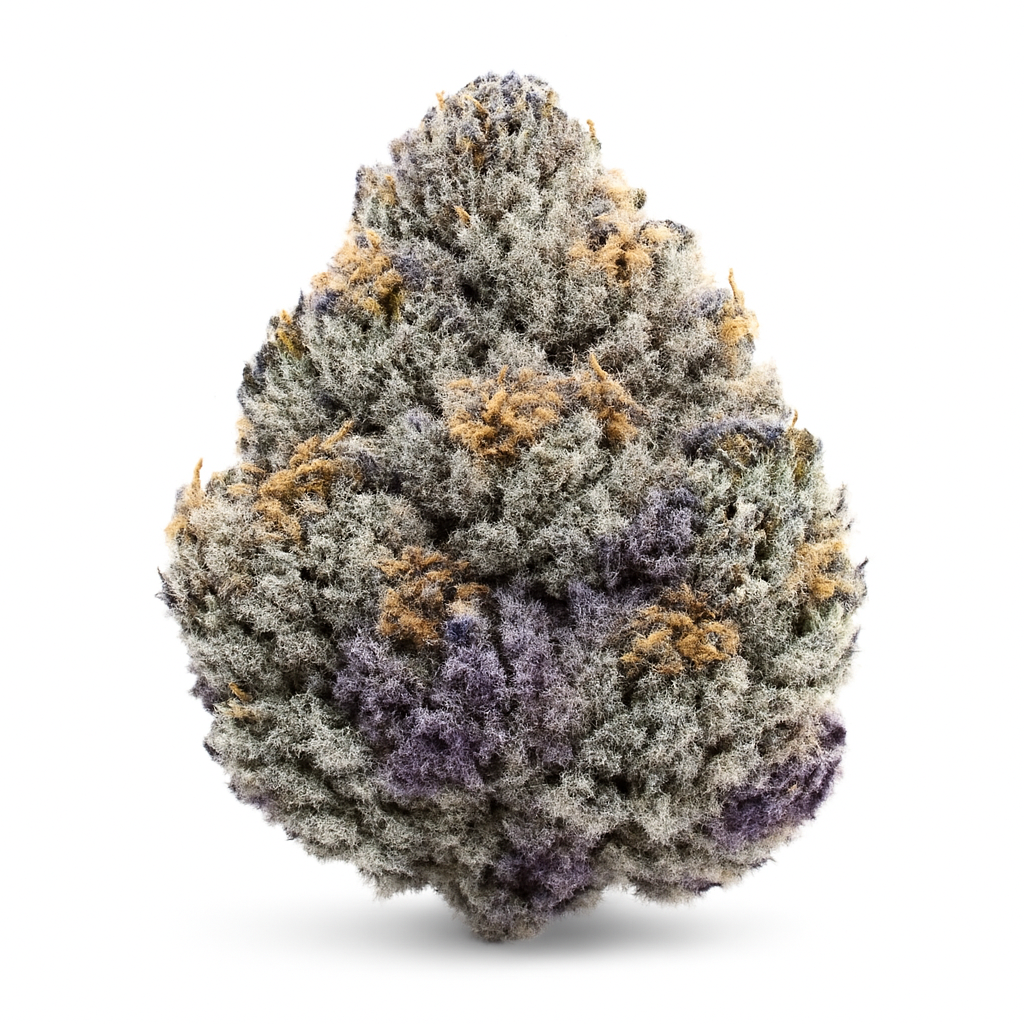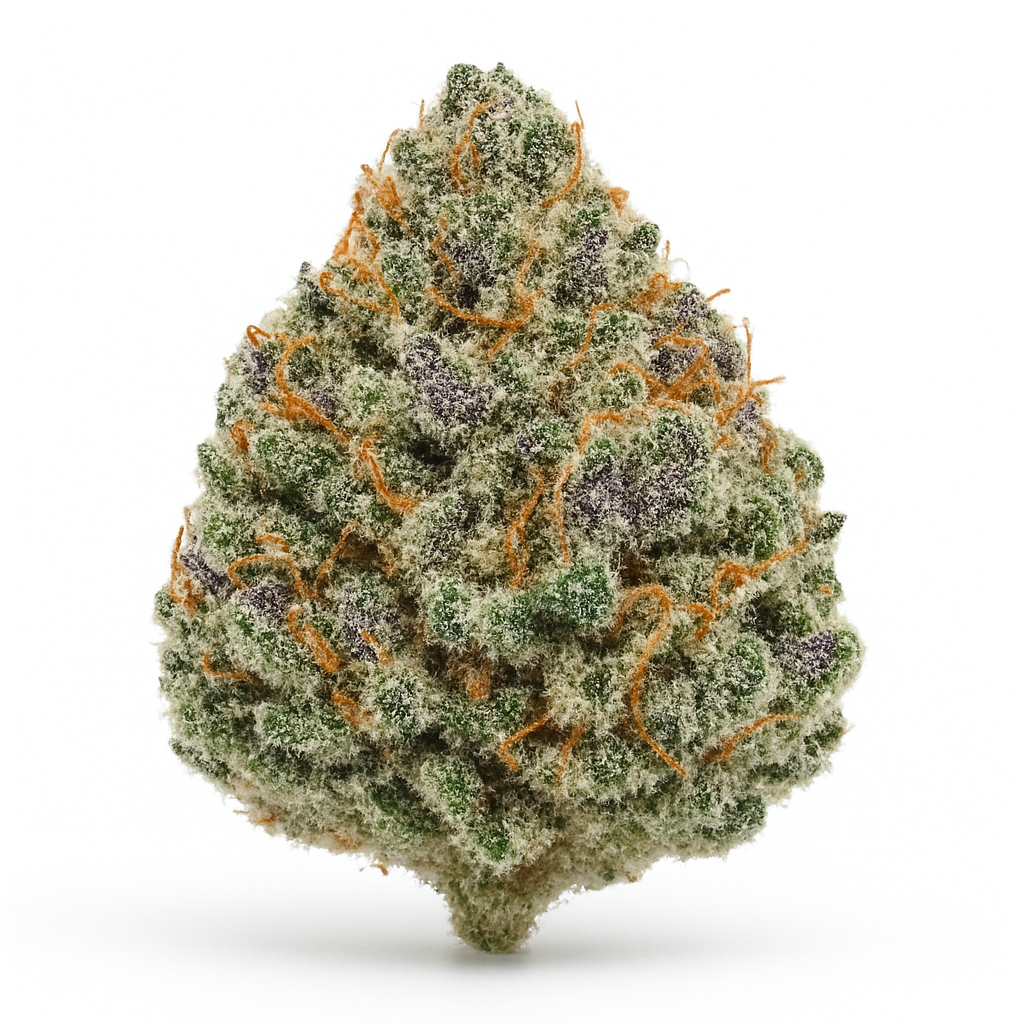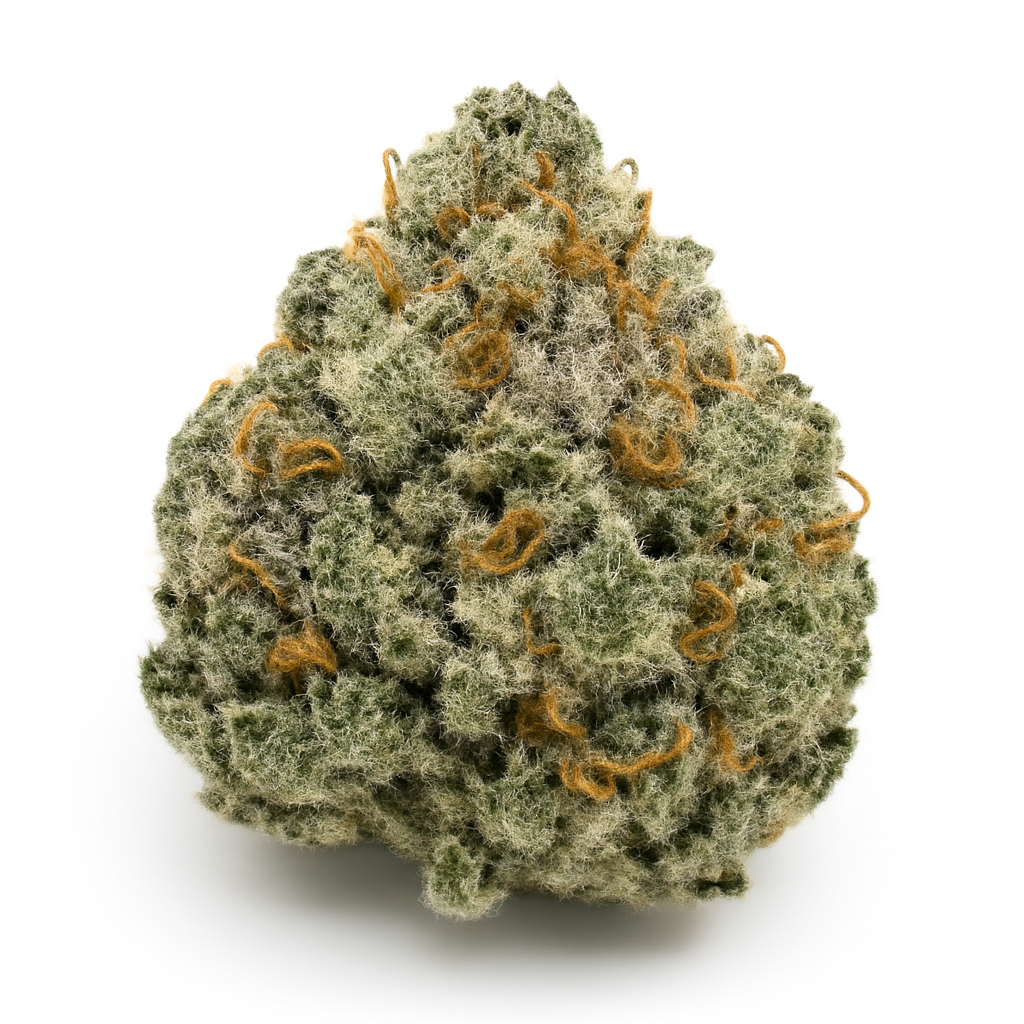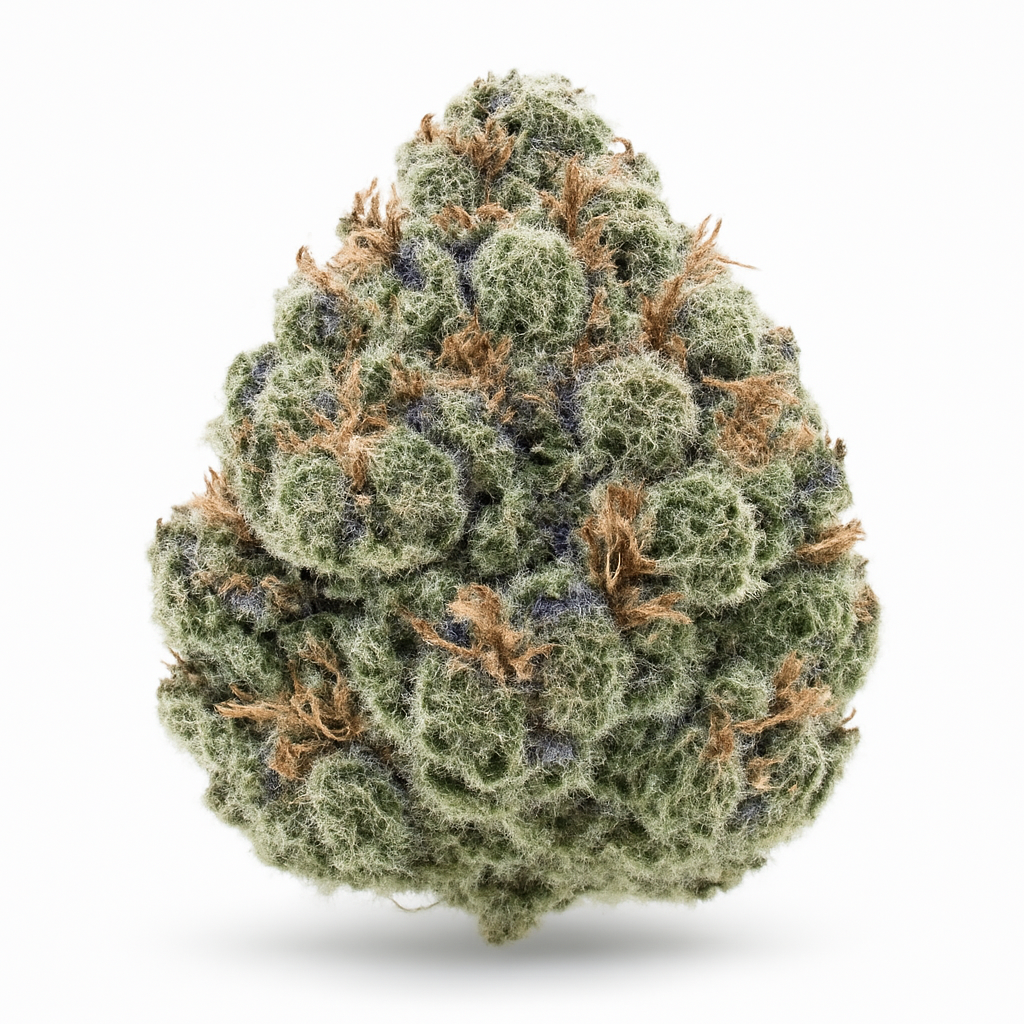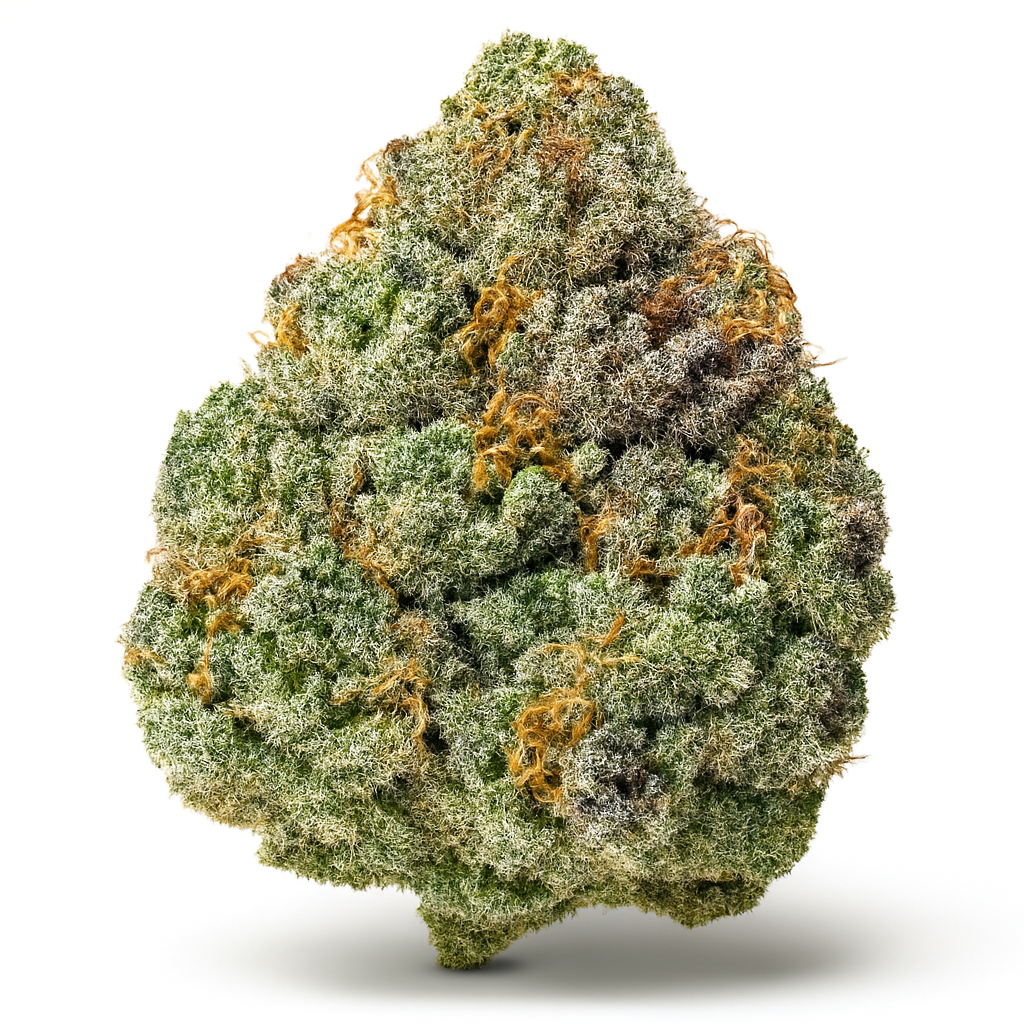
Representative image of Texas Rainbow
Texas Rainbow is a hybrid that carries a headline 23% THC, placing it a notch above our catalog's typical 20% baseline. With Rainbow listed as its parent, this is a strain that promises a familiar genetic backbone while delivering a touch more punch than average.
Texas Rainbow
What Is the Texas Rainbow Strain?
Texas Rainbow is a hybrid cannabis strain with a measured THC level of 23% and Rainbow listed as its parent. That THC figure is the most prominent lab detail available for this cultivar, so Texas Rainbow presents itself as a clearly potent option within a hybrid framework rather than an extreme outlier.
Texas Rainbow Genetics & Lineage
The only listed parent for Texas Rainbow is Rainbow, which means the child strain's core attributes are likely inherited from that single lineage. When a strain derives directly from one named parent it typically carries forward structural, flowering and chemical tendencies from that source - in other words, Texas Rainbow will largely reflect whatever hallmark characteristics Rainbow contributes, filtered through any breeder selections that produced this specific phenotype.
Texas Rainbow THC & CBG Content
At 23% THC, Texas Rainbow sits above the catalog average (around 20%) and should be considered moderately strong. That difference is meaningful: consumers familiar with 20% flowers will notice a clearer, longer-lasting effect at similar doses. Novice users should approach with smaller doses and allow time between hits; experienced consumers can expect a pronounced effect without needing to overconsume.
Is Texas Rainbow Indica or Sativa?
Classified as a hybrid, Texas Rainbow is expected to blend both uplifting and relaxing qualities rather than skewing hard to pure sativa or indica extremes. Hybrids are versatile by nature, so expect a mixed profile that can deliver cerebral stimulation alongside physical ease depending on dose and individual tolerance.
Who Is Texas Rainbow Best For?
Texas Rainbow works well for sessions when you want a reliable, moderately potent hybrid - think social afternoons that might extend into the evening, or solo downtime when moderate potency is welcome. Because of the 23% THC, beginners should favor low doses and slower consumption methods (single small inhalations or measured edibles) until they gauge sensitivity. Seasoned users can be more experimental, but should still respect the higher-than-average THC when combining with other substances or activities that require focus.
Our Take on Texas Rainbow
We like Texas Rainbow for what it is: a hybrid that turns up the intensity slightly compared with the average 20% cultivar in our catalog. With Rainbow as the listed parent, it likely leans on a familiar genetic template while offering a touch more THC-driven clarity or resilience. We recommend it to consumers who appreciate hybrids with a bit more kick - those who want more presence without chasing the highest-THC extremes. Because no average user rating was provided here, our confidence is based on the measurable THC and the straightforward Rainbow lineage; anyone seeking a mellow, low-dose experience should consider lower-THC options instead.
Texas Rainbow FAQ
What is the THC percentage of Texas Rainbow?
Texas Rainbow tests at 23% THC.
Is Texas Rainbow an indica or sativa?
Texas Rainbow is classified as a hybrid, meaning it blends characteristics of both indica and sativa types.
How does Texas Rainbow's potency compare to other strains in the catalog?
At 23% THC, Texas Rainbow is slightly more potent than the catalog average of around 20%, so expect a stronger effect at comparable doses.
Who should consider trying Texas Rainbow?
People who want a dependable hybrid with a bit more punch than average - experienced consumers or those comfortable with moderate THC levels - may enjoy it. Novices should start with smaller doses.
What does its Rainbow parentage mean for the strain?
Since Rainbow is the listed parent, Texas Rainbow will inherit core genetic traits from that lineage; the parentage helps shape its overall character, structure, and chemical tendencies.