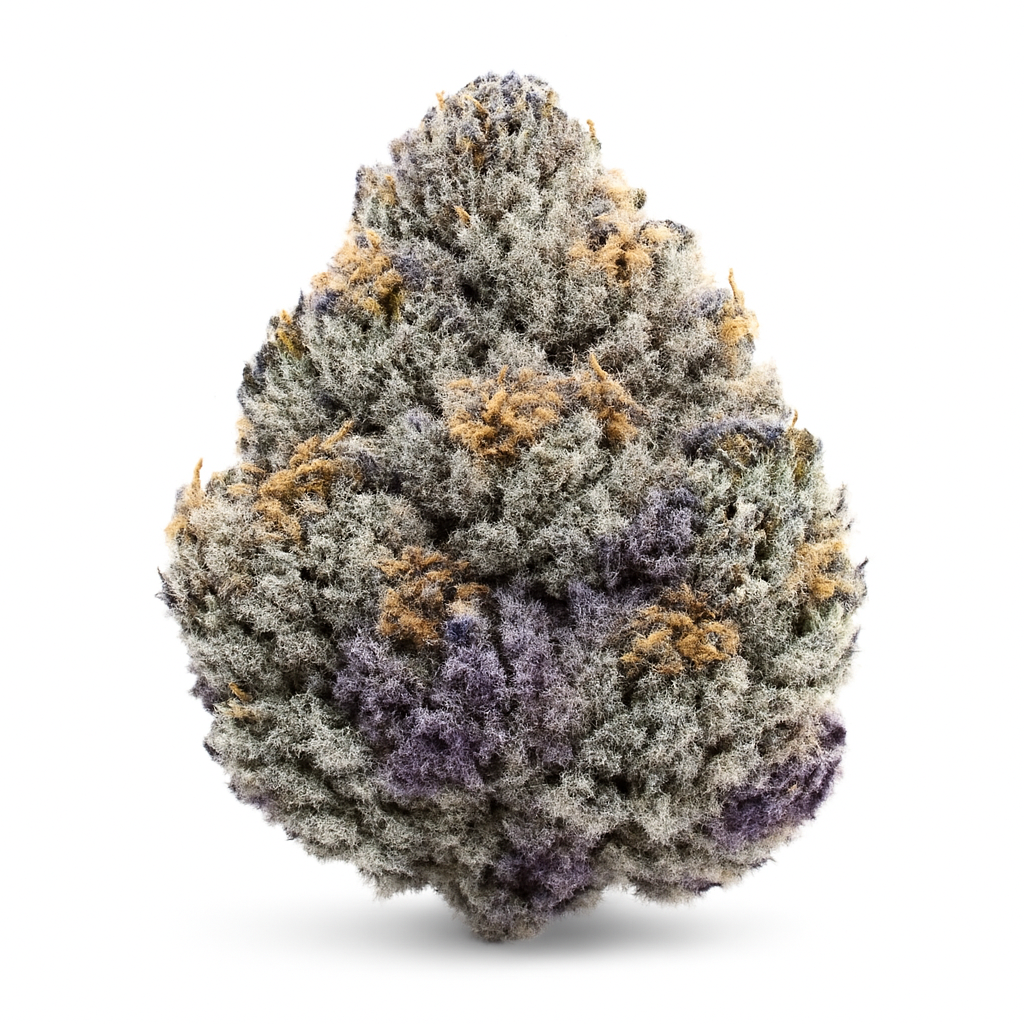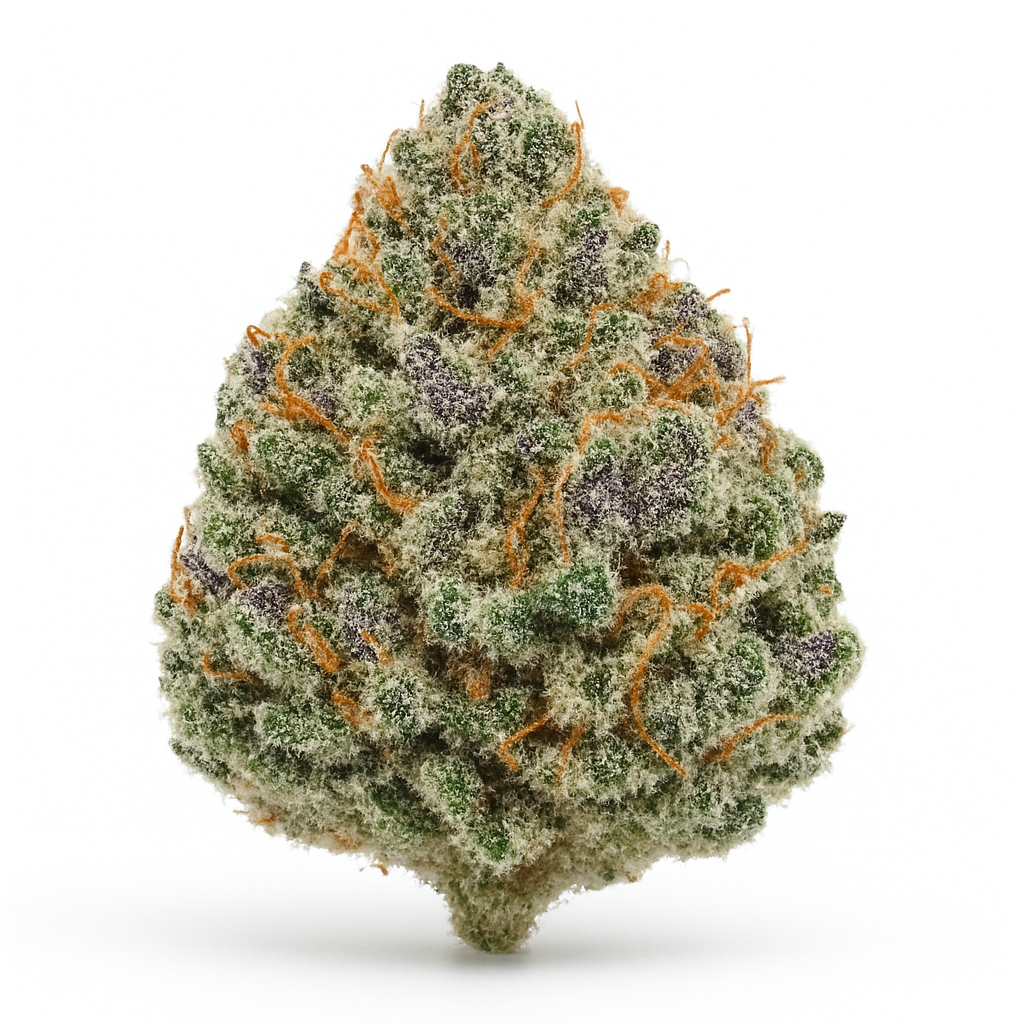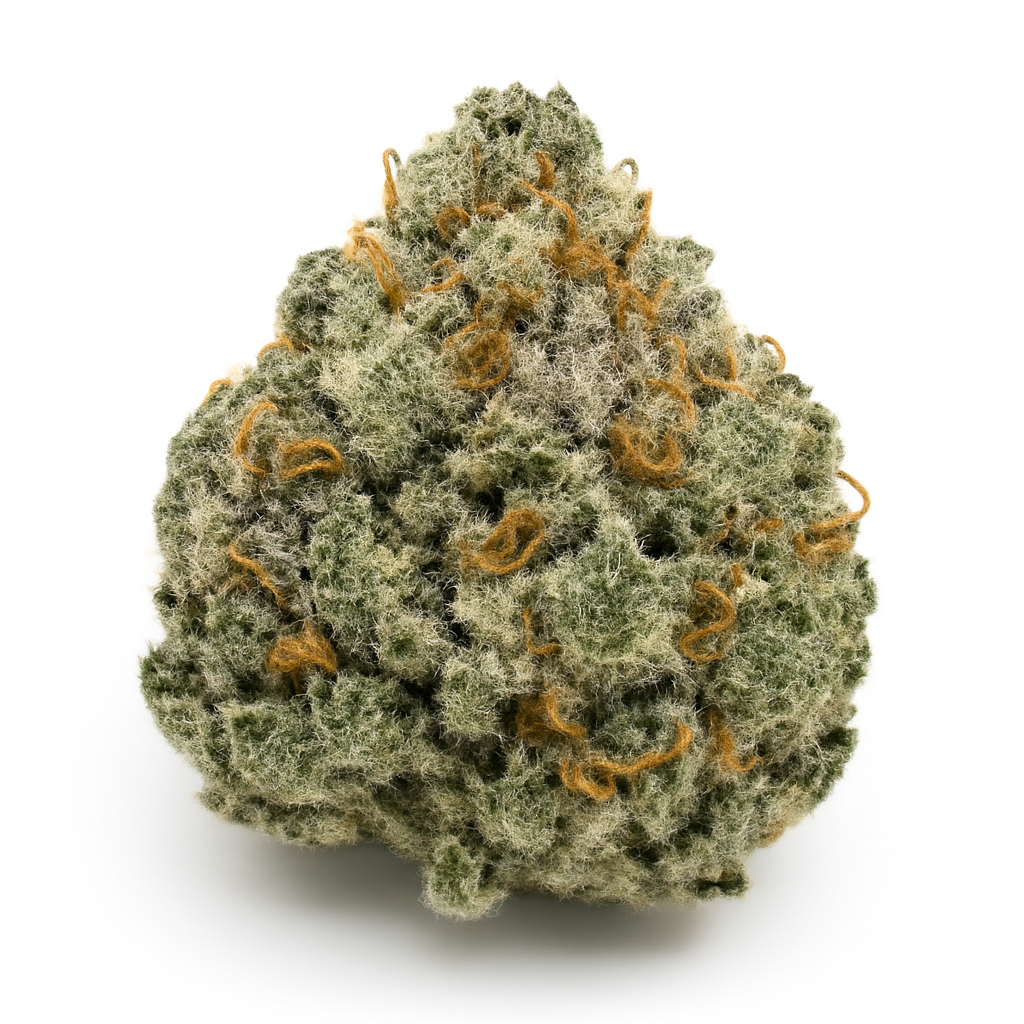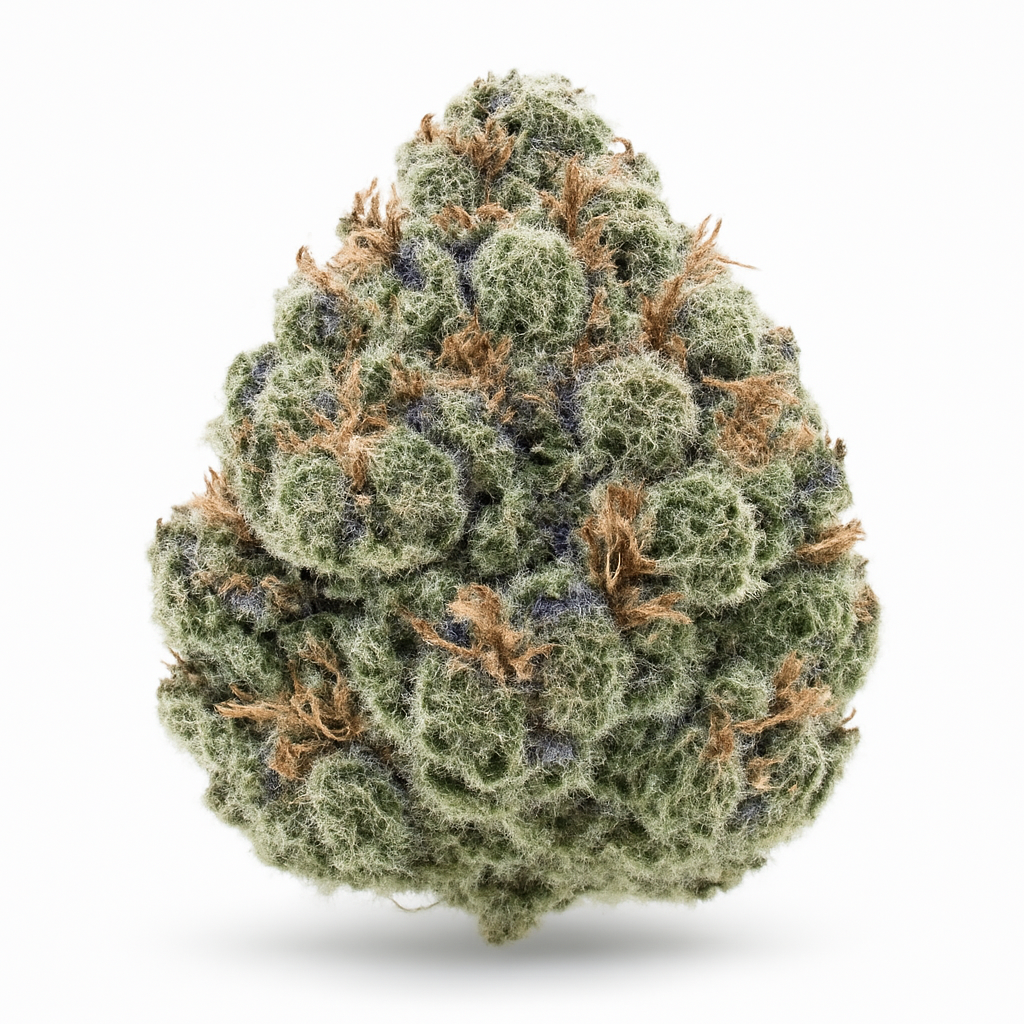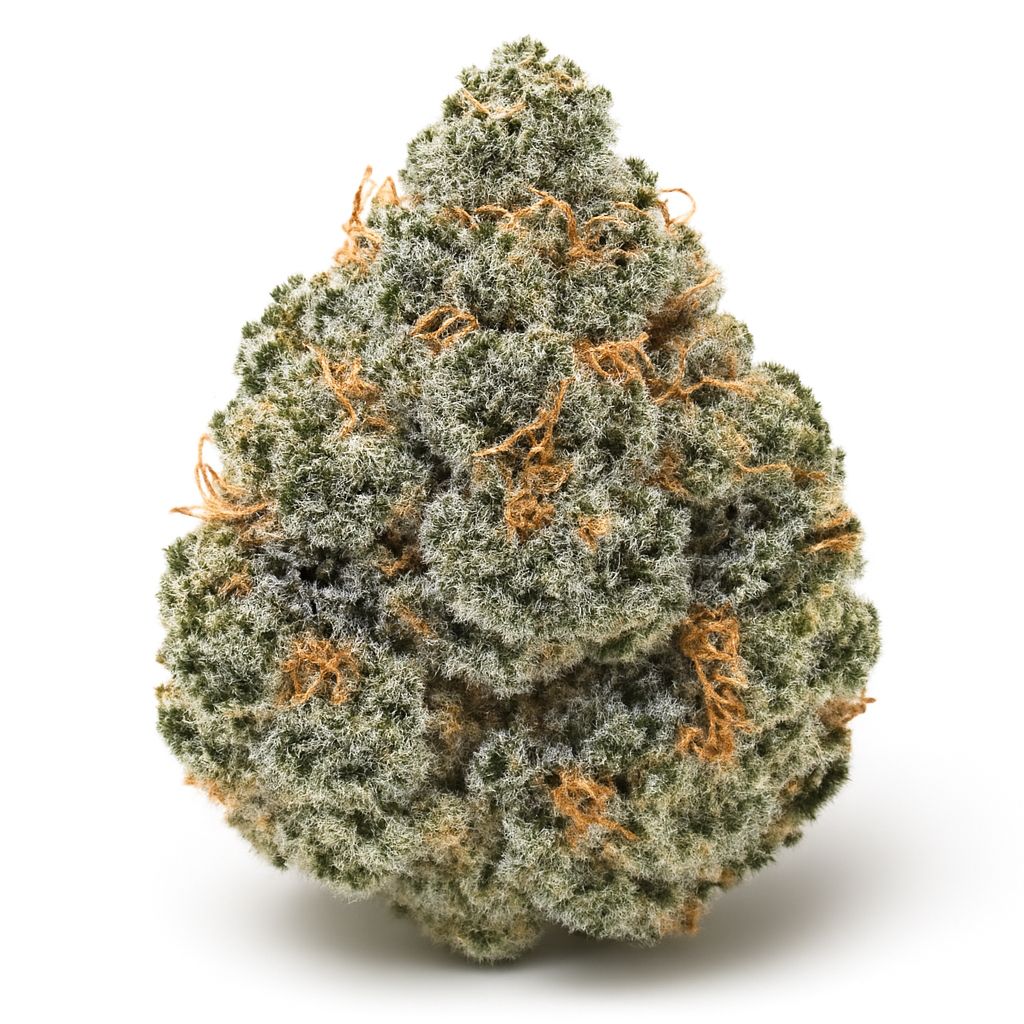
Representative image of Triple Burger
Triple Burger is a hybrid built on GMO-OG genetics and arrives with a notable 24% THC. It sits above the catalog average in potency and has earned strong user approval, making it a strain worth sampling with sensible dosing.
Triple Burger
What Is the Triple Burger Strain?
Triple Burger is a hybrid strain derived from GMO-OG and characterized here by a headline THC level of 24%. That percentage positions it as a more potent offering than the typical entry in our catalog, and the GMO-OG parentage signals a lineage that directly informs this cultivar’s overall cannabinoid profile.
Triple Burger Genetics & Lineage
The sole listed parent for Triple Burger is GMO-OG, and genetics like that act as the blueprint for a strain’s tendencies - from backbone potency to growth traits and aromatic potential. While we don’t have a full terpene lab sheet in this listing, the parent-child relationship alone tells you Triple Burger’s character springs from one concentrated lineage rather than a wide hybrid mashup, so expect qualities that echo its origin.
Triple Burger THC & CBG Content
At 24% THC, Triple Burger is measurably stronger than a typical catalog strain (around 20% THC). That delta may seem modest numerically but can be perceptible: consumers should expect a more pronounced effect per inhalation or dose. We advise starting with smaller doses than you might use for a 20% cultivar - especially if you’re sensitive to THC - and titrating up slowly to find your sweet spot.
Is Triple Burger Indica or Sativa?
Classified as a hybrid, Triple Burger is likely to offer a mix of effects rather than leaning exclusively to couch-lock or stimulation. Hybrid status generally implies a balance between cerebral and body sensations, but the exact tilt toward energetic or calming will depend on dose and the strain’s terpene makeup, which isn’t supplied here.
Who Is Triple Burger Best For?
Triple Burger suits consumers who want a noticeably potent hybrid without stepping into extreme high-THC territory. Because of its 24% THC, it’s better matched to users with some tolerance or those willing to dose cautiously - a few small hits or a low microdose will reveal its profile without overwhelming. It can work for mid-afternoon to evening sessions depending on how you react; consider it for social hangouts, creative projects, or winding down, but avoid heavy tasks until you know how it affects you.
Our Take on Triple Burger
We see Triple Burger as a confident, compact expression of its GMO-OG lineage: stronger than average in our catalog and well-regarded by users (4.7/5 from nine ratings). That rating suggests consistent satisfaction among those who've tried it, though the sample size is modest. Its strengths are clear-potency and a focused genetic identity-while the trade-offs are predictable: it demands respectful dosing and may not be the best introductory pick for novices. If you appreciate hybrids with a bit more kick and want something reliably well-reviewed, Triple Burger is worth trying; if low-THC or very mellow effects are your priority, look elsewhere.
Triple Burger FAQ
What kind of strain is Triple Burger?
Triple Burger is listed as a hybrid and is descended from the GMO-OG parent strain.
How strong is Triple Burger compared to other strains?
Triple Burger tests at 24% THC, which is higher than the typical catalog average of about 20%, so it’s noticeably more potent than many entries.
Who should try Triple Burger?
It’s best for people comfortable with above-average THC levels or anyone willing to start with small doses to gauge tolerance; beginners should approach more cautiously.
Does Triple Burger have a strong user reputation?
Yes - it carries a 4.7 out of 5 average from nine ratings, indicating high satisfaction among reviewers, though the sample size is limited.
How do terpenes affect what I’ll feel with Triple Burger?
We don’t have terpene lab data here, but the entourage effect means its terpene mix will shape the experience alongside THC; check lab tests or ask your supplier to understand flavor and nuance.