THE REALITY
Why so many people reach for cannabis when they're anxious
Anxiety is the single most-cited reason people use cannabis medically, and it's not hard to see why. Anxiety is exhausting, prescription options come with their own tradeoffs, therapy has waitlists, and cannabis is legal, immediate, and doesn't require anyone's permission. For a lot of people it works - at least at first, at least sometimes. Muscles loosen, the mental loop quiets, the evening becomes survivable. That experience is real, and the research doesn't dismiss it.
But anxiety is also the condition where cannabis most often turns on people. The same substance that settled you last Tuesday can drop you into a racing-heart spiral tonight, from the same jar. Most people conclude they've become 'sensitive,' or that something was wrong with that batch. Usually neither is true - the actual explanation is dose, and it's well documented.
THE EVIDENCE
What the research actually shows
THC is biphasic - it goes both ways depending on dose. This is the most important finding in the entire topic. THC acts on CB1 receptors in a dose-dependent fashion that produces anxiolytic (calming) effects at low doses and anxiogenic (anxiety-producing) effects at higher ones. In controlled research, higher THC doses increased negative mood and threat perception. The dose that helps and the dose that hurts are closer together than most people think, and dispensary flower has climbed steadily toward the wrong end of that range.
CBD shows real promise - in small, mostly laboratory studies. CBD appears to work through partial agonism at the 5-HT1A serotonin receptor, plus negative allosteric modulation of CB1 - which is the mechanism by which it may mitigate THC's anxiety-producing effects. Controlled trials found that single-dose CBD pretreatment reduced anxiety in people with social anxiety disorder during public-speaking and scan paradigms.
But the trial record is genuinely contradictory. A systematic review of RCTs published between 2013 and 2023 identified 11 eligible trials and found results that varied widely by anxiety disorder and dose - the overall signal favored CBD over placebo with minimal adverse effects, but the authors called for better-designed trials before drawing conclusions. A separate review of the highest-quality studies found roughly 70% reported improvement (generalized anxiety, social anxiety, PTSD) while about 30% reported no benefit (OCD, trichotillomania, test anxiety). And a 2024 randomized trial of CBD for scan-related anxiety in women with advanced breast cancer missed its primary endpoint, even though post-dose anxiety was lower in the CBD group and no serious toxicity occurred.
Low-dose THC trials are unimpressive. A month-long trial of daily THC (up to 3 mg) for an anxiety disorder reduced symptoms - but symptoms were very low throughout, limiting what can be concluded. A trial of sequential single-day low-dose THC in social anxiety disorder found no symptom change at all.
Anxiety raises your dependence risk. People with anxiety disorders carry an elevated risk of developing cannabis use disorder. The relief-seeking that makes cannabis attractive for anxiety is the same loop that makes it sticky.
The honest summary
DOSING
How much CBD should you actually take for anxiety?
Here's the fact that reframes this entire market: the CBD doses that worked in trials are enormous compared to what's on the shelf. Studies showing anxiety benefit used oral doses roughly in the 200-1,500 mg range, or about 13.75 mg vaporized. A typical retail CBD gummy contains 10-25 mg. A common tincture serving lands in the same neighborhood. That mismatch explains an enormous amount of disappointment. Many people concluding 'CBD doesn't work for me' took something like a tenth of a research dose. (Others do respond at low doses - individual variation here is wide and real.)
A sane approach, if you and your clinician decide to try it:
- Start low, go slow. Begin at the low end, hold for several days before changing anything, and change one variable at a time.
- Give it a real trial. Anxiety fluctuates on its own. One dose on one bad day tells you nothing. Two weeks of consistent use with a simple daily rating tells you a lot.
- Understand onset by format. Inhaled effects arrive in minutes and fade in hours. Oral and edible forms take 30-120 minutes and last far longer - most bad experiences come from redosing before the first dose landed.
- Buy where there's a lab report. Product quality varies enormously; unregulated CBD has repeatedly been found mislabeled. A licensed dispensary with third-party COAs is the floor.
- Watch the THC in 'full-spectrum.' Full-spectrum products legally contain trace THC. For a THC-sensitive person, trace is occasionally enough. Broad-spectrum or isolate removes that variable.
On THC dosing for anxiety: if you're using THC deliberately, the operative word is microdose - roughly 1-2.5 mg to start, which is a fraction of a standard 10 mg edible and a small fraction of a full joint. The instinct to take more when anxiety spikes is precisely backwards.
WHEN IT BACKFIRES
Why CBD (or weed) sometimes makes anxiety worse
This is one of the most searched questions in cannabis and one of the least honestly answered. If cannabis has made your anxiety worse, here are the actual explanations:
- Too much THC. By far the most common cause. You crossed from the calming side of the dose curve to the anxiety-producing side. Higher doses increase threat perception in controlled research - the panic wasn't irrational, it was pharmacological.
- Product potency crept up. Flower has trended dramatically higher in THC over the past two decades, and concentrates far exceed it. The same volume of product is a much larger dose than it used to be.
- Trace THC in a 'CBD' product. Full-spectrum products contain small amounts of THC, and mislabeling is common in unregulated markets. People genuinely sensitive to THC can react to it.
- Tolerance and withdrawal masquerading as anxiety. Daily users who cut back frequently experience irritability, restlessness, and sleep disruption - cannabis withdrawal is real, and it presents almost identically to worsening anxiety. This traps people: the 'anxiety' driving continued use is partly the absence of the drug.
- Set and setting. Anxiety is context-sensitive. The same dose in an unfamiliar or stressful environment lands differently.
If you're in a bad reaction right now
DRUG INTERACTIONS
Interactions with anxiety medications
Cannabinoids are metabolized by cytochrome P450 enzymes - chiefly CYP3A4, CYP2C9, and CYP2C19 - which are the same pathways that clear a long list of prescription drugs. CBD in particular inhibits several of them, meaning it can raise blood levels of other medications.
What to know:
- Benzodiazepines (alprazolam, clonazepam, diazepam): sedation stacks, and metabolic interaction can raise levels. This combination deserves explicit medical guidance.
- SSRIs and SNRIs: shared metabolic pathways can alter drug levels. Most people combine them without incident, but 'most people' is not a dosing plan - tell your prescriber.
- Warfarin: flagged in systematic review as a very high risk interaction. Cannabinoids can raise INR and bleeding risk.
- Buprenorphine and tacrolimus: both rated high-risk in the same review.
- Sedatives and alcohol: additive impairment, straightforwardly.
The one rule
THE WRONG QUESTION
Indica or sativa for anxiety?
'Indica for relaxation, sativa for energy' is folk taxonomy, not chemistry. Two products carrying the same strain name from different growers can test completely differently, and the category label predicts little about how a product will affect anxiety. What predicts it is the chemotype - the THC:CBD ratio on the lab label:
- Type I (THC-dominant): most of the shelf. Highest risk of the dose flip described above.
- Type II (balanced THC:CBD): CBD present in meaningful ratio, which can buffer THC's edge. For anxiety, this is where most people who benefit end up.
- Type III (CBD-dominant, minimal THC): minimally or non-intoxicating. The lowest-risk option and the one closest to the CBD research.
Terpenes likely modulate effects too - linalool (the lavender terpene), myrcene, and limonene come up most in relaxation reports - but the human evidence there is thin, and terpene content on a label is a weaker signal than the cannabinoid ratio. Treat terpenes as a tiebreaker, never as the primary criterion.
THE HONEST ANSWER
So which strains are actually best for anxiety?
The real answer is a ratio, not a name: the best 'strain' for anxiety is the one with the least THC that still does something for you. Everything else is refinement. That said, we're a strain database, and there are cultivars people with anxiety consistently gravitate toward - overwhelmingly the CBD-dominant and balanced ones:
CBD-dominant (Type III) - lowest risk
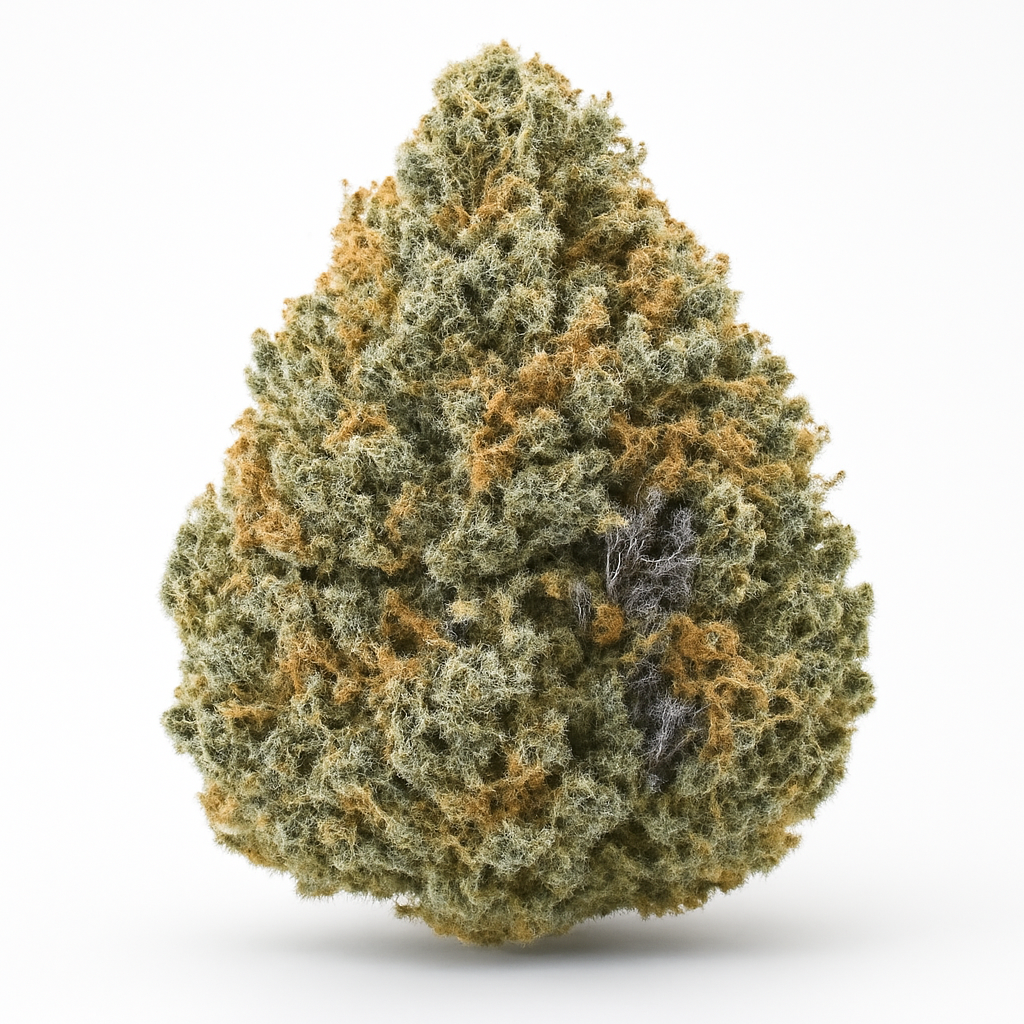
ACDC
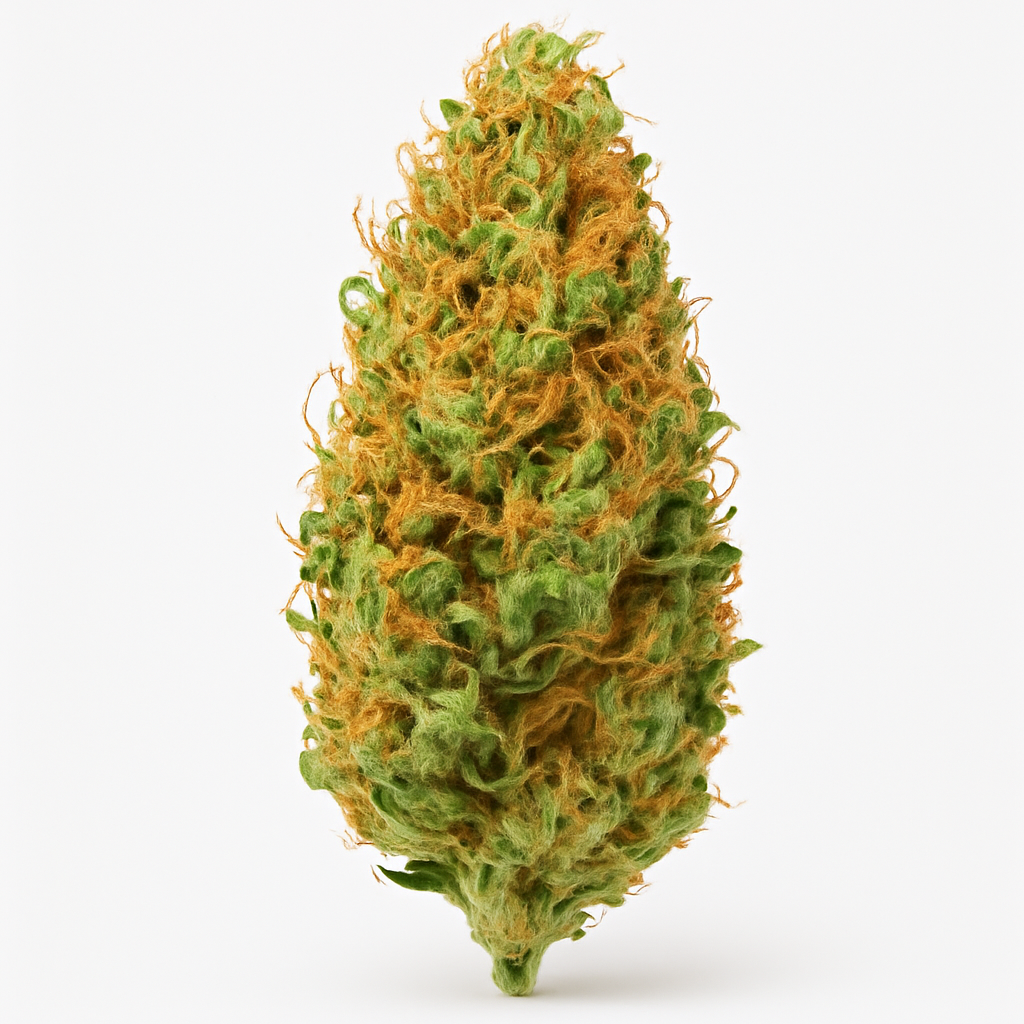
Harlequin
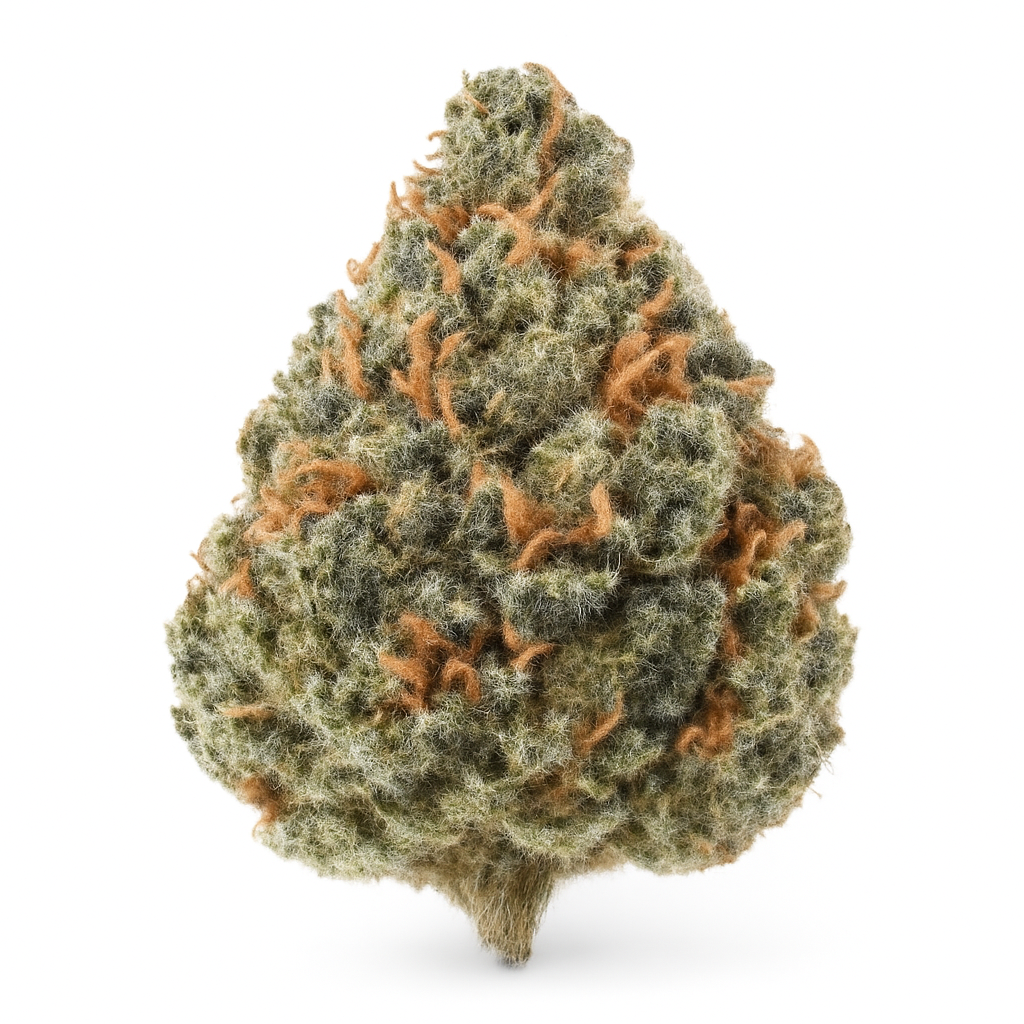
Cannatonic
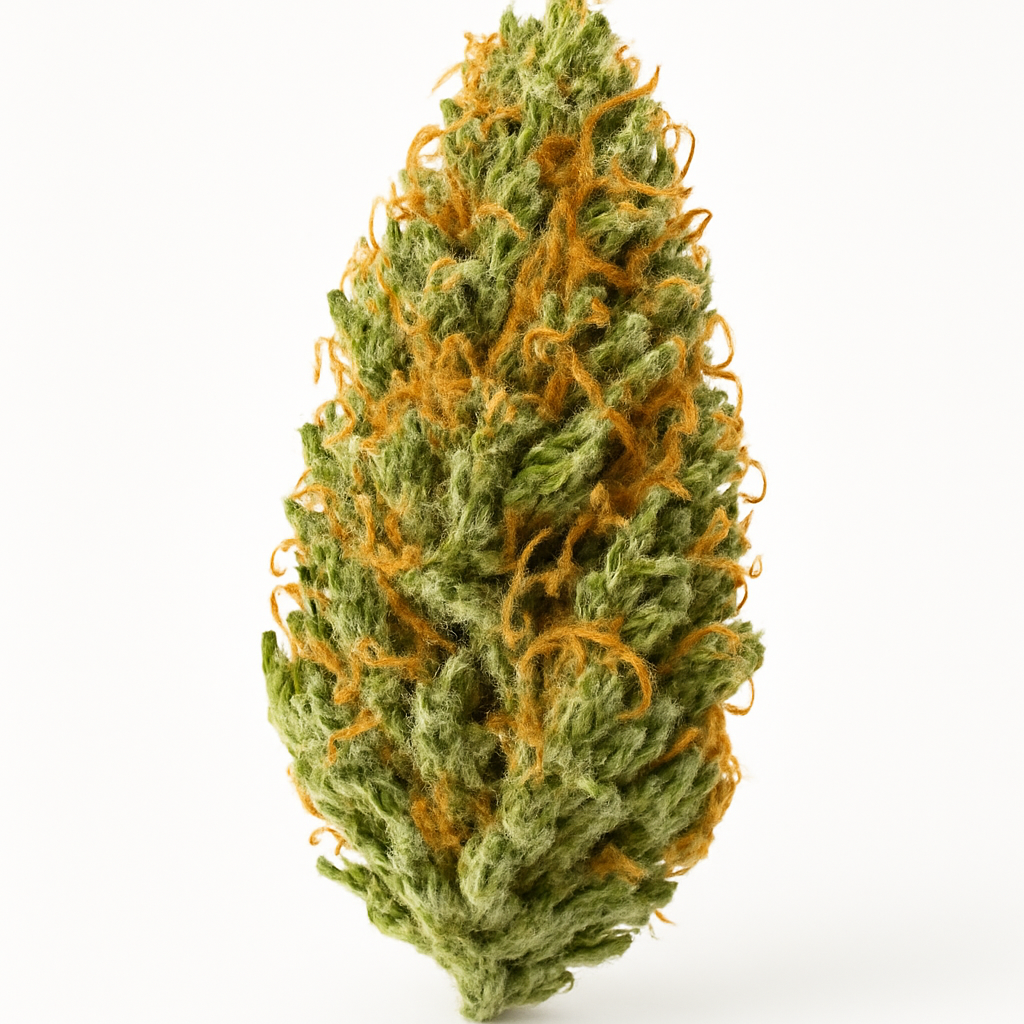
Charlotte's Web
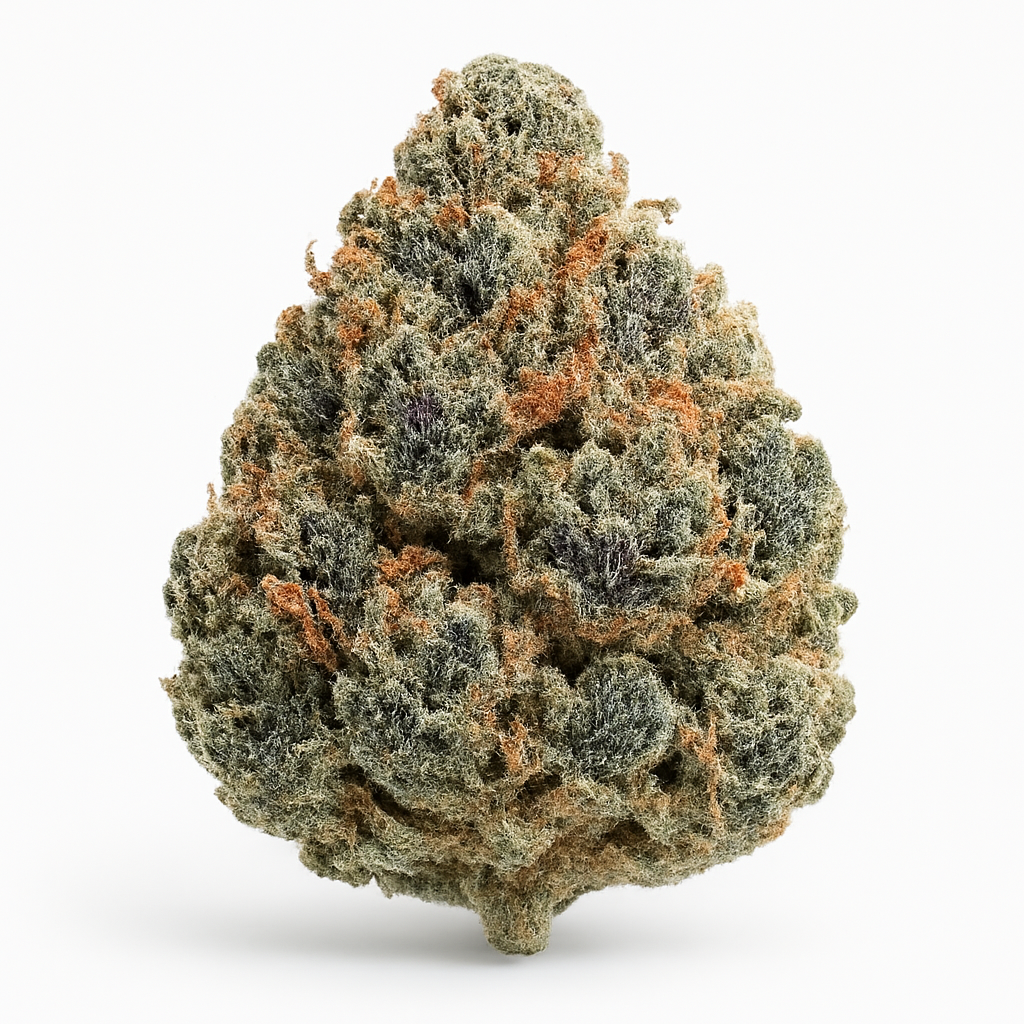
Ringo's Gift
Balanced (Type II)
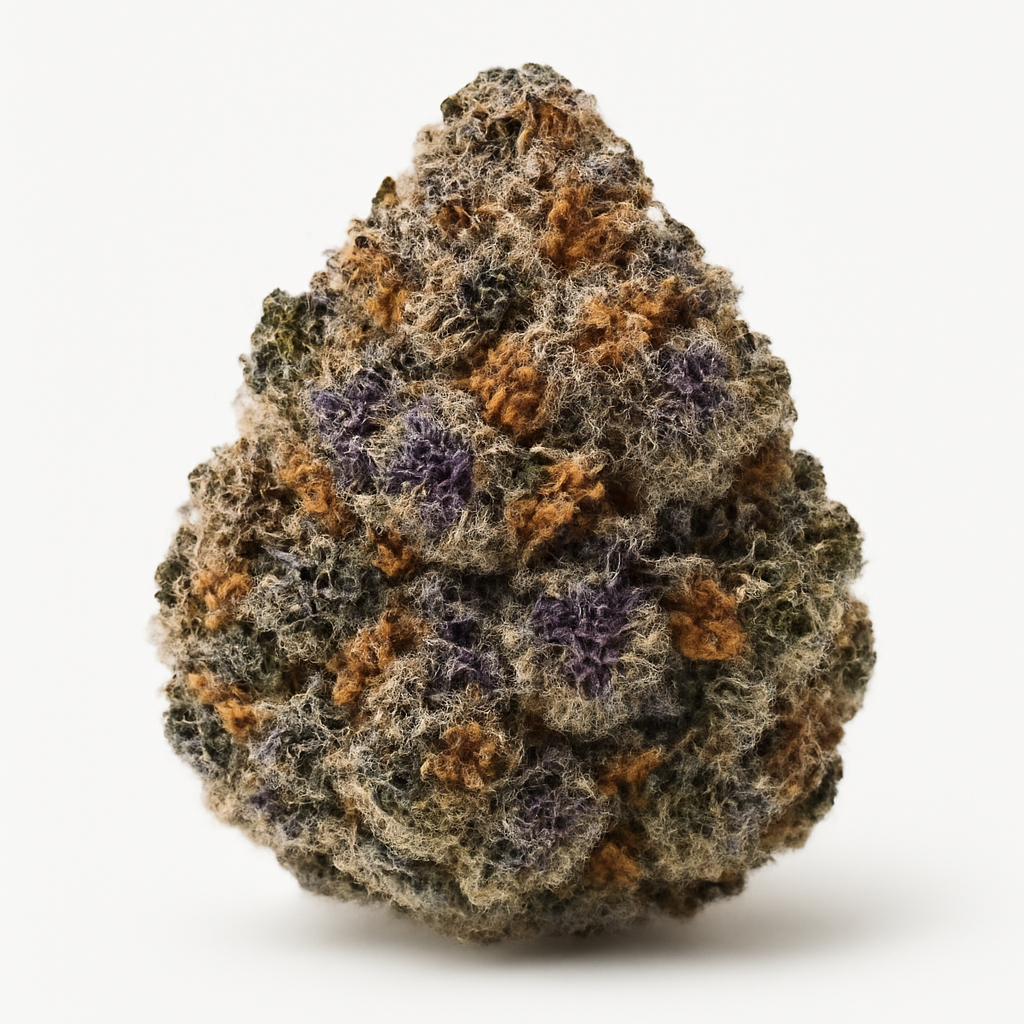
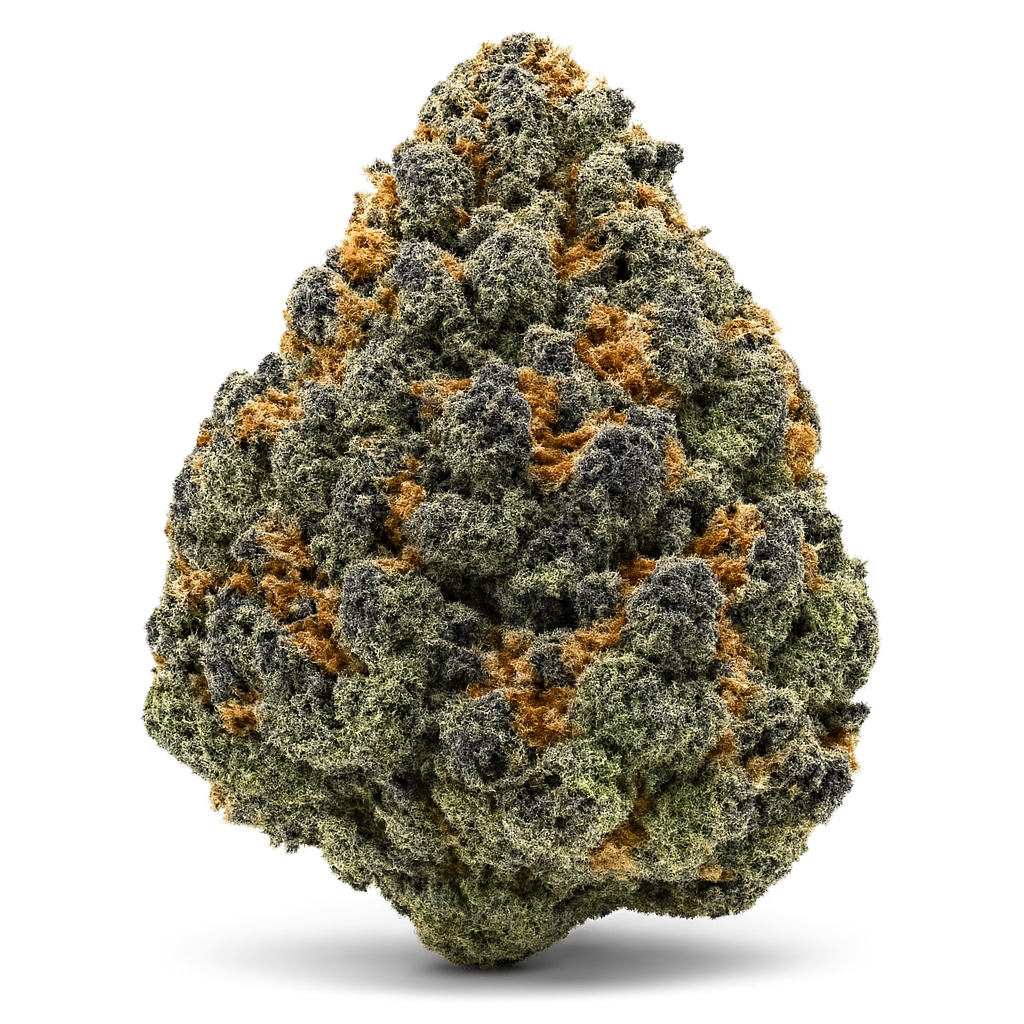
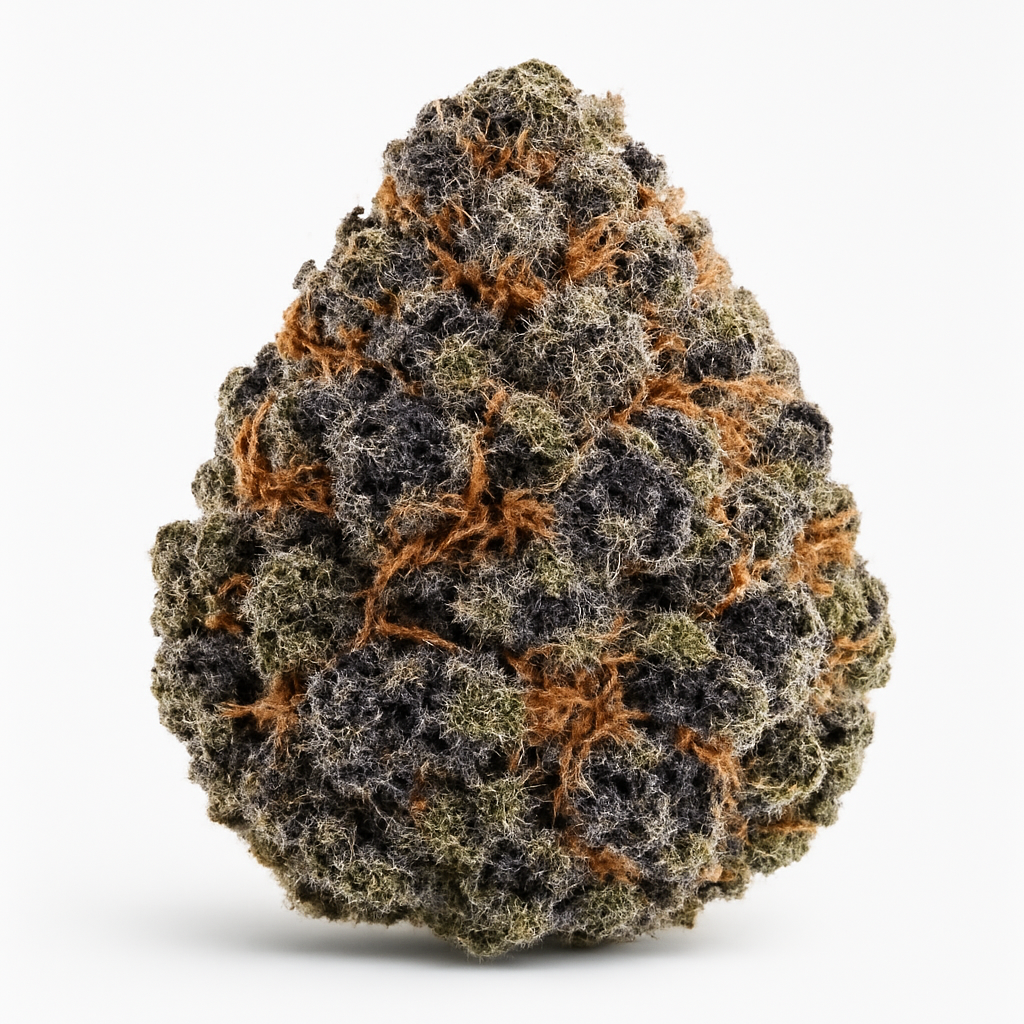
Frequently reported as calming, but THC-dominant - dose carefully
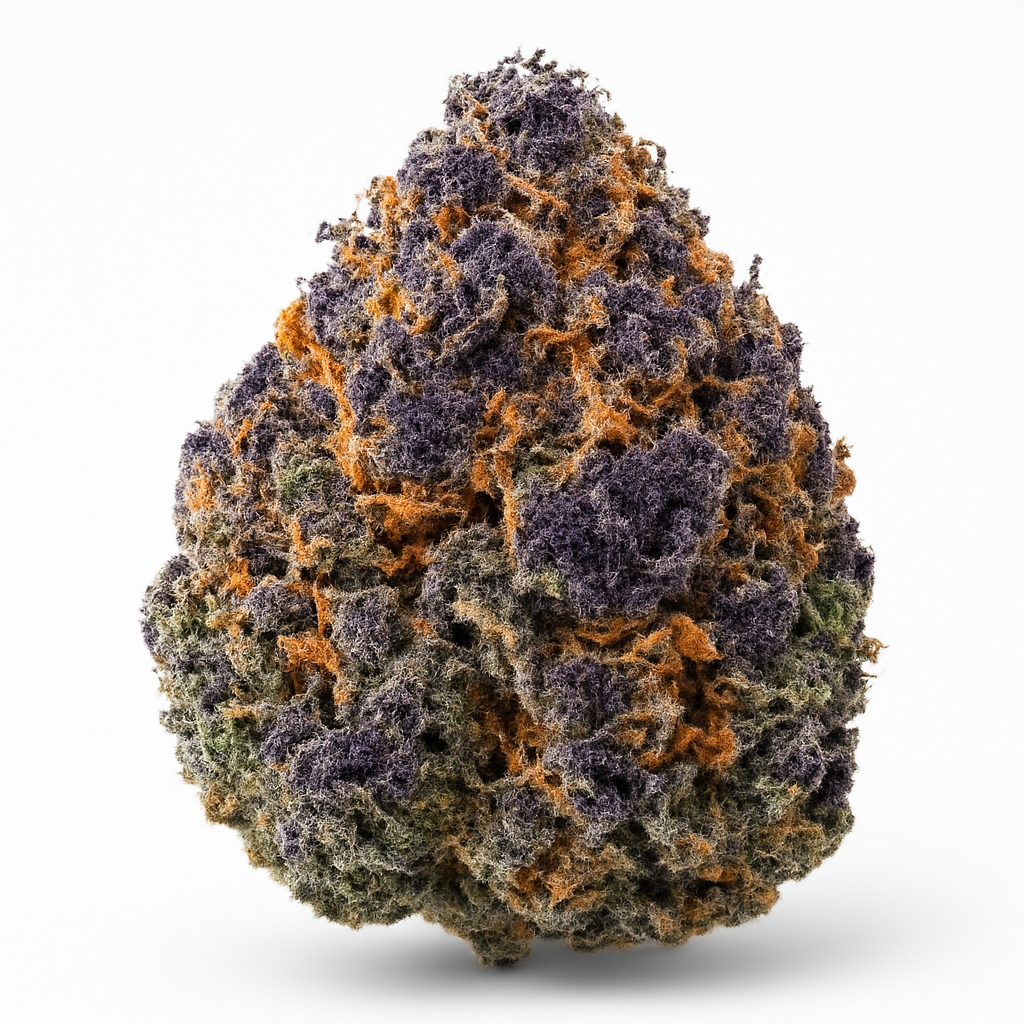
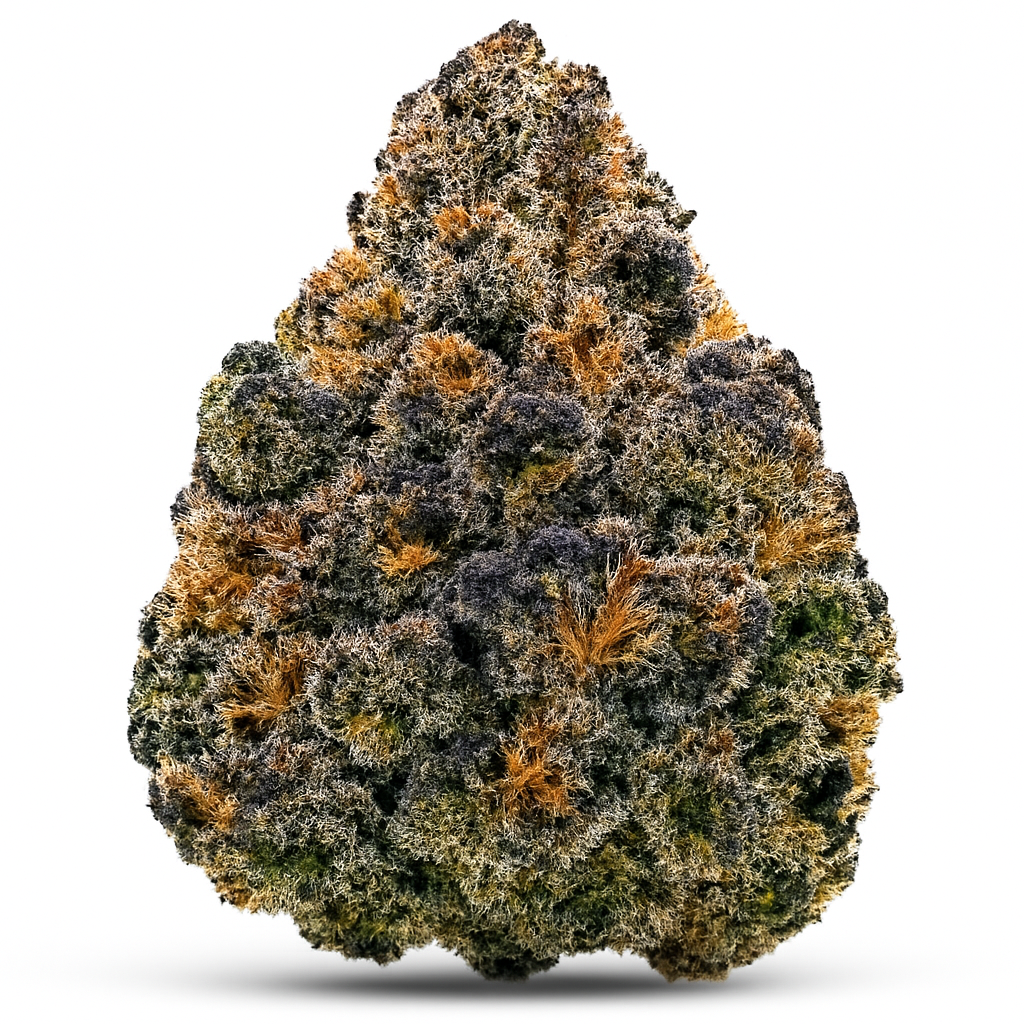
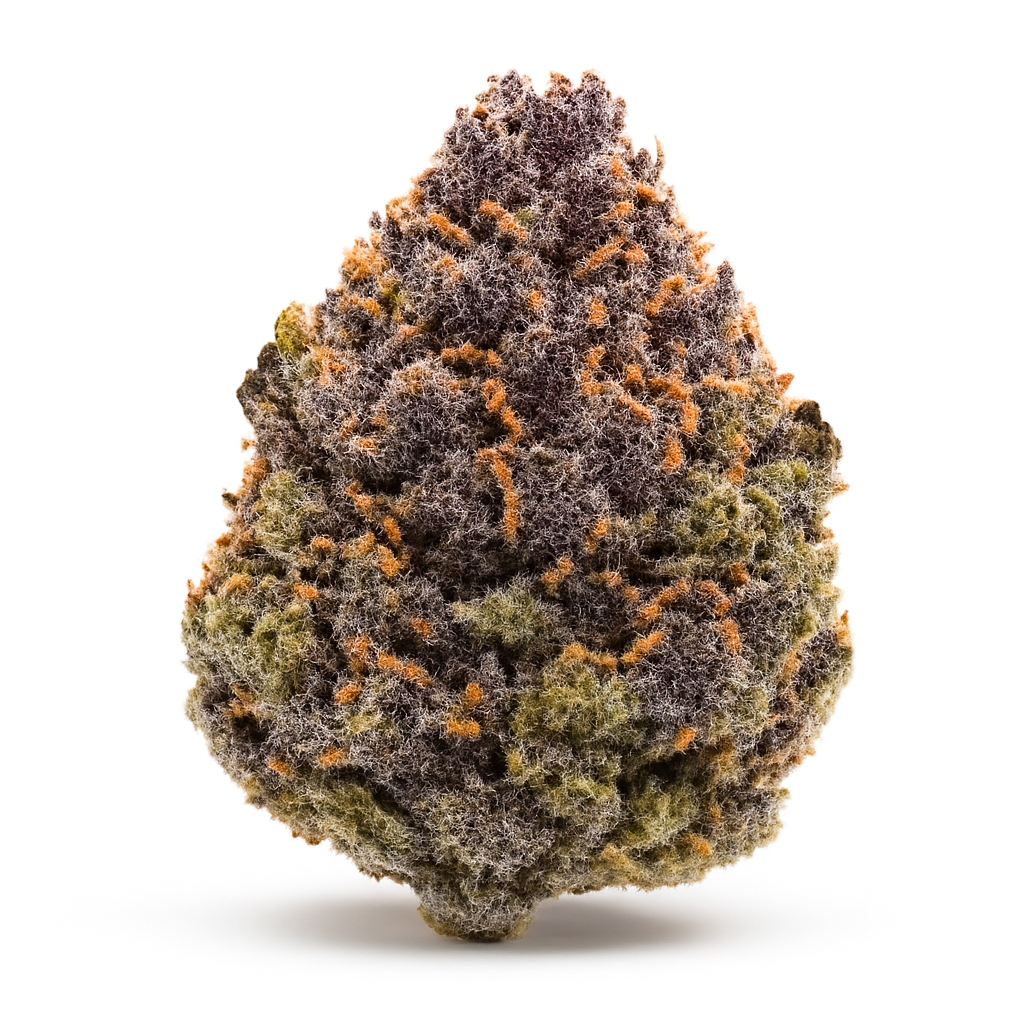
Two caveats that matter more than the list:
The name is not a guarantee. 'Harlequin' from one grower can test at a wildly different ratio than another's. The lab label outranks the name every time.
These reflect what people report choosing, not proof of clinical effect. No cultivar has been tested as a treatment for an anxiety disorder.
HOW TO TRY IT SAFELY
If you're going to use cannabis for anxiety, do it well
- Start at a dose that feels almost pointless. You can always add. You cannot subtract.
- Choose lower THC over higher, every time. This is the single highest-leverage decision available to you.
- Avoid concentrates. Dabs and high-potency vape carts make careful dosing nearly impossible.
- Don't use daily if you can help it. Daily use builds tolerance, which drives dose escalation, which is the road to the anxiety-worsening end of the curve - plus withdrawal that mimics anxiety.
- Never mix with alcohol while you're calibrating.
- Track it. Product, dose, time, anxiety rating before and two hours after. A week of that beats a year of guessing.
- Keep your actual treatment going. Cannabis is not a substitute for therapy or prescribed medication, and CBT for anxiety has an evidence base cannabis cannot approach.
SAFETY
When to get help
Talk to a clinician if anxiety is limiting your work, relationships, or sleep; if you're using cannabis daily to function; if you've tried to cut back and couldn't; or if cannabis has started producing anxiety rather than relieving it. None of those are failures - they're just information.
If you're in crisis or having thoughts of suicide, call or text 988 (Suicide & Crisis Lifeline, US) - free and available 24/7. For substance-use support, SAMHSA's national helpline is 1-800-662-4357.
FREQUENTLY ASKED
Common questions
Does CBD actually help anxiety?
Why did CBD make my anxiety worse?
How much CBD should I take for anxiety?
Is indica or sativa better for anxiety?
Can weed cause anxiety or panic attacks?
Is it safe to take CBD with my antidepressant?
Does cannabis help with stress the same way?
SUMMARY
The bottom line
For anxiety, cannabis is a dose problem before it's a strain problem. THC calms at low doses and worsens anxiety at high ones, which explains nearly every bad experience people have with it. CBD has the more encouraging evidence and none of the intoxication, but the doses that worked in research dwarf what most people buy, and the trial record is genuinely mixed.
If you want a starting point: a lab-tested, CBD-dominant or balanced product, at a dose that feels too small, tracked for two weeks, with your prescriber in the loop. And if anxiety is running your life, treat the anxiety - cannabis at its best is a supporting player.
Related conditions
References
- Chou R, et al. Living Systematic Review on Cannabis and Other Plant-Based Treatments for Chronic Pain: 2025 Update. AHRQ Comparative Effectiveness Review No. 250, July 2025.
- Systematic review of RCTs on cannabidiol treatment in anxiety disorders (2013-2023). Life, 2024;14(11):1373.
- Therapeutic potential of cannabidiol in anxiety disorders: a systematic review and meta-analysis. Psychiatry Research, 2024.
- Evidence for Use of Cannabinoids in Mood Disorders, Anxiety Disorders, and PTSD: A Systematic Review. Psychiatric Services, 2021.
- Cannabidiol for Scan-Related Anxiety in Women With Advanced Breast Cancer: A Randomized Clinical Trial, 2024.
- Cannabis-drug interaction systematic reviews, 2022 and 2024 (warfarin, buprenorphine, tacrolimus risk stratification).