THE QUESTION EVERYONE ASKS
Is indica or sativa better for sleep?
Straight answer: indica has the reputation, but the label isn't what's doing the work. 'Indica for night, sativa for day' is the most repeated rule in cannabis, and it's folk taxonomy rather than chemistry. Modern cultivars are so thoroughly hybridized that the botanical distinction has little predictive value, and two products with the same strain name from different growers can test completely differently. There's a kernel of truth in it - products marketed as indica do tend to be sedating more often than not, partly because growers select for that and partly because expectation shapes experience. But if you've ever taken an 'indica' and lain awake at 3 a.m., you've met the limits of the label.
What actually predicts sedation:
- Dose - the dominant variable. Low-to-moderate THC reduces the time it takes to fall asleep; high doses more often produce grogginess, next-day fog, and disrupted sleep architecture.
- THC:CBD ratio - the number on the lab report, not the name on the jar.
- Format and timing - inhaled peaks in minutes and fades in a few hours (which is why some people fall asleep fine and wake at 3 a.m.); edibles take 30-120 minutes to arrive and last much longer, which suits sleep-maintenance insomnia better than sleep-onset insomnia.
- Terpenes, probably - myrcene and linalool come up most in sedation reports, though human evidence is thin.
So: buy the indica if you like, but choose it by the lab label and dose it deliberately. That's what's actually working.
THE EVIDENCE
What the research actually shows
Cannabis helps people fall asleep - and the trial evidence is real. A randomized, double-blind, placebo-controlled crossover trial of a cannabinoid extract (ZTL-101) in 24 adults with chronic insomnia found that two weeks of nightly sublingual dosing significantly reduced insomnia symptoms and improved sleep quality versus placebo, and was well tolerated - adverse events were mild and mostly resolved after waking. A separate 2023 randomized crossover trial of a THC:CBD oral oil found roughly 60% of participants no longer met the clinical criteria for insomnia after two weeks.
But controlled trials are much less enthusiastic than real-world reports. Across systematic reviews covering 31 studies (19 RCTs and 12 observational), roughly 37% of the randomized trials showed positive sleep results, versus about 58% of the observational studies. That gap is the story: when you measure sleep objectively rather than asking people how they slept, the effect shrinks.
One controlled study found cannabis reduced total sleep time. A pilot randomized trial using 256-channel high-density EEG in 20 patients with diagnosed insomnia found a single oral dose of 10 mg THC / 200 mg CBD decreased total sleep time by about 24.5 minutes versus placebo. It also suppressed REM sleep - an effect the researchers noted is comparable to benzodiazepines.
THC is biphasic for sleep, too. Low-to-moderate doses reduce sleep latency and increase total sleep time. Higher doses suppress REM, disrupt sleep architecture, and can produce tolerance-related rebound insomnia. The dose that helps and the dose that backfires are, once again, not far apart.
Tolerance builds - including tolerance to the REM suppression. Repeated use appears to blunt THC's REM-suppressant effect over time. That sounds like good news, but it's the mechanism behind the trap described below: the drug does less, so people take more, and stopping produces a rebound worse than the original problem.
The honest framing
SLEEP QUALITY
What THC does to your sleep architecture
Sleep isn't one thing - it cycles through light sleep, deep (slow-wave) sleep, and REM. Each does different work. Deep sleep handles physical restoration; REM handles emotional processing and memory consolidation. THC's documented effect is REM suppression. In practice that often means fewer dreams or none at all - one of the most commonly reported effects among nightly cannabis users, and a reliable sign the drug is altering sleep structure rather than just quieting your mind.
Two consequences worth knowing:
- REM rebound on withdrawal. When regular users stop, REM comes back with interest - that's the vivid, exhausting, sometimes disturbing dreams people report in the first week or two after quitting. It's temporary and it's a normal readjustment, not damage.
- The quality question is unsettled. Suppressing REM while feeling more rested is a real tension in the research, and it's why sleep specialists tend to be cooler on cannabis than users are. THC also suppresses orexin, a wakefulness-promoting neuropeptide, which is part of why it works at all.
None of this makes cannabis uniquely bad - benzodiazepines and alcohol suppress REM too, and alcohol is worse across the board. But 'it knocks me out' and 'I'm sleeping well' are different claims, and only the first is well supported.
WHICH CANNABINOID
CBD or THC for sleep?
They work differently, and the honest answer is that THC is the sedating one. THC reduces sleep latency at low-to-moderate doses. It's the reason cannabis works for sleep at all - and the source of every downside above.
CBD is not directly sedating in the way THC is. Its plausible sleep benefit is indirect: reducing the anxiety and hyperarousal that keep people awake, likely via 5-HT1A serotonin receptor activity. For the very common presentation of 'I can't sleep because my brain won't stop,' that's a real mechanism - but it treats the anxiety, not the sleep.
CBN is the internet's favorite sleep cannabinoid, and this is the most oversold claim in the category. The 'CBN is sedating' idea traces to old, small studies that mostly used CBN with THC. Products marketed on CBN content are running well ahead of the evidence.
Balanced THC:CBD is what most of the positive trials actually used - including the ZTL-101 and THC:CBD oil trials above. If you're aiming at the research, that's the target, not high-THC flower.
DOSING
Dosing cannabis for sleep
- Start much lower than you think. For edibles, 2.5 mg THC is a reasonable starting point; a standard 10 mg gummy is a large dose for a sleep aid and a common cause of next-day fog.
- Time it to your problem. Trouble falling asleep → inhaled (fast on, short duration) or an edible taken 60-90 minutes before bed. Waking at 3 a.m. → an edible's longer curve suits you better than inhaling.
- Watch the hangover. Grogginess the next morning almost always means the dose was too high, taken too late, or both. Cut the dose before you abandon the approach.
- Don't take a second dose at 2 a.m. You'll still be metabolizing it at 9 a.m.
- Take breaks - deliberately. Tolerance is the central long-term risk. Non-nightly use, or a scheduled break every few weeks, keeps the effective dose low.
WHEN IT BACKFIRES
The tolerance trap, and when cannabis makes sleep worse
This is the pattern that catches most nightly users:
- It works well at a low dose.
- Tolerance develops within weeks.
- The dose goes up to get the same effect.
- Sleeping without it is now harder than before you started - because you're experiencing withdrawal, not your original insomnia.
Cannabis withdrawal is documented and its signature symptoms are insomnia, vivid dreams, irritability, and restlessness - which read exactly like the problem you were treating. This is how people conclude they 'need' it. If you're on that treadmill, it's usually reversible: sleep tends to normalize over one to two weeks after stopping, with the REM rebound easing as it goes.
Other reasons cannabis makes sleep worse: dose too high (grogginess and fragmented sleep), inhaling too early in the evening (the effect fades before your sleep does), and combining it with alcohol.
The intervention that actually beats cannabis for insomnia
SAFETY
Interactions and cautions
- Sedatives stack. Combining cannabis with benzodiazepines, z-drugs (zolpidem), opioids, or alcohol amplifies sedation and impairment. Alcohol plus cannabis is also the combination most likely to produce nausea and a wrecked night.
- CBD alters drug metabolism. It inhibits CYP3A4, CYP2C9, and CYP2C19, and can raise levels of other medications. Systematic reviews flag warfarin as very high risk, and buprenorphine and tacrolimus as high risk.
- Sleep apnea. If you snore heavily, gasp, or wake unrefreshed despite adequate hours, get evaluated. Cannabis is not a treatment for apnea, sedatives can worsen it, and untreated apnea is a cardiovascular risk. Synthetic THC has been studied for apnea, and the American Academy of Sleep Medicine recommends against using cannabis for it.
- Next-day impairment. Grogginess affects driving and work. Don't test this on a morning that matters.
THE HONEST ANSWER
So which strains are actually best for sleep?
The best product for sleep is a modest dose of a balanced or moderately THC-dominant product, taken at the right time - the ratio and the timing matter more than the cultivar. That said, these are the names people reach for most:
Classically sedating, THC-dominant - start low
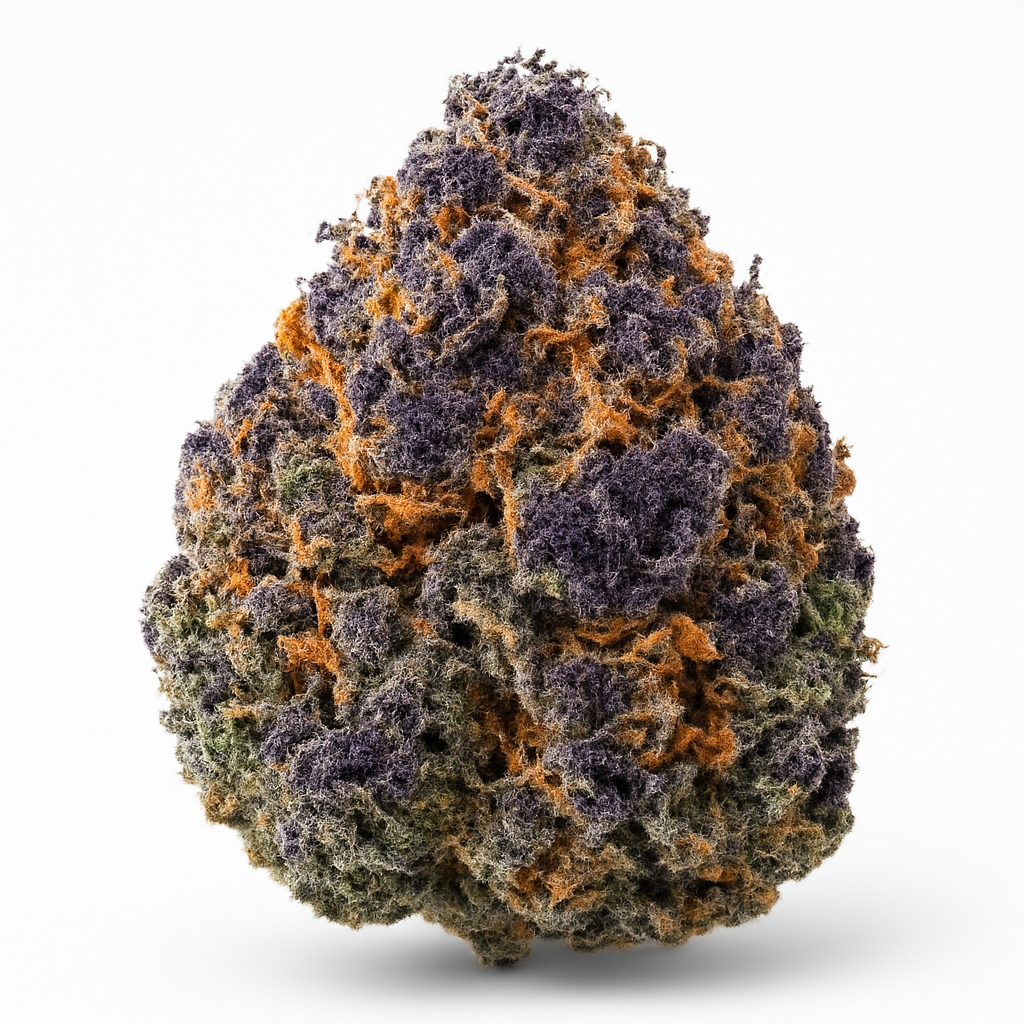
Granddaddy Purple
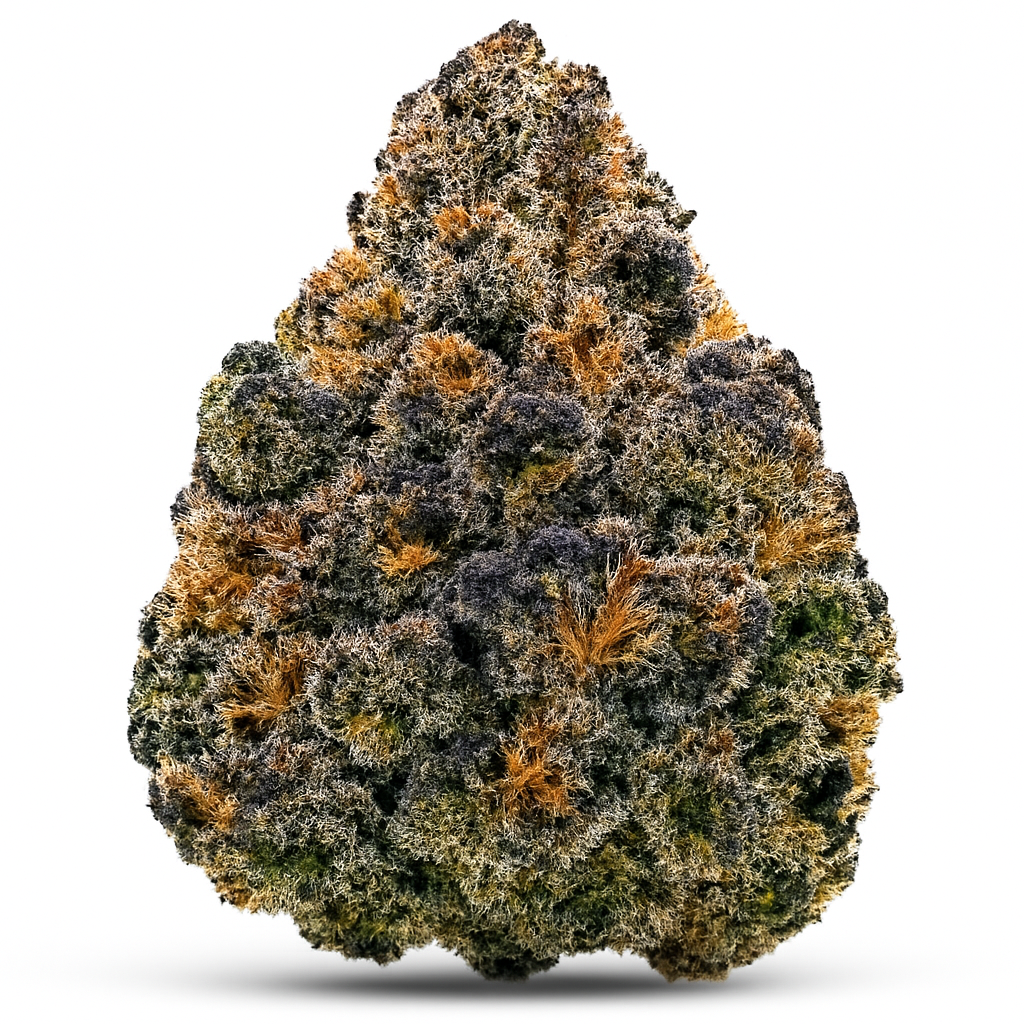
Northern Lights
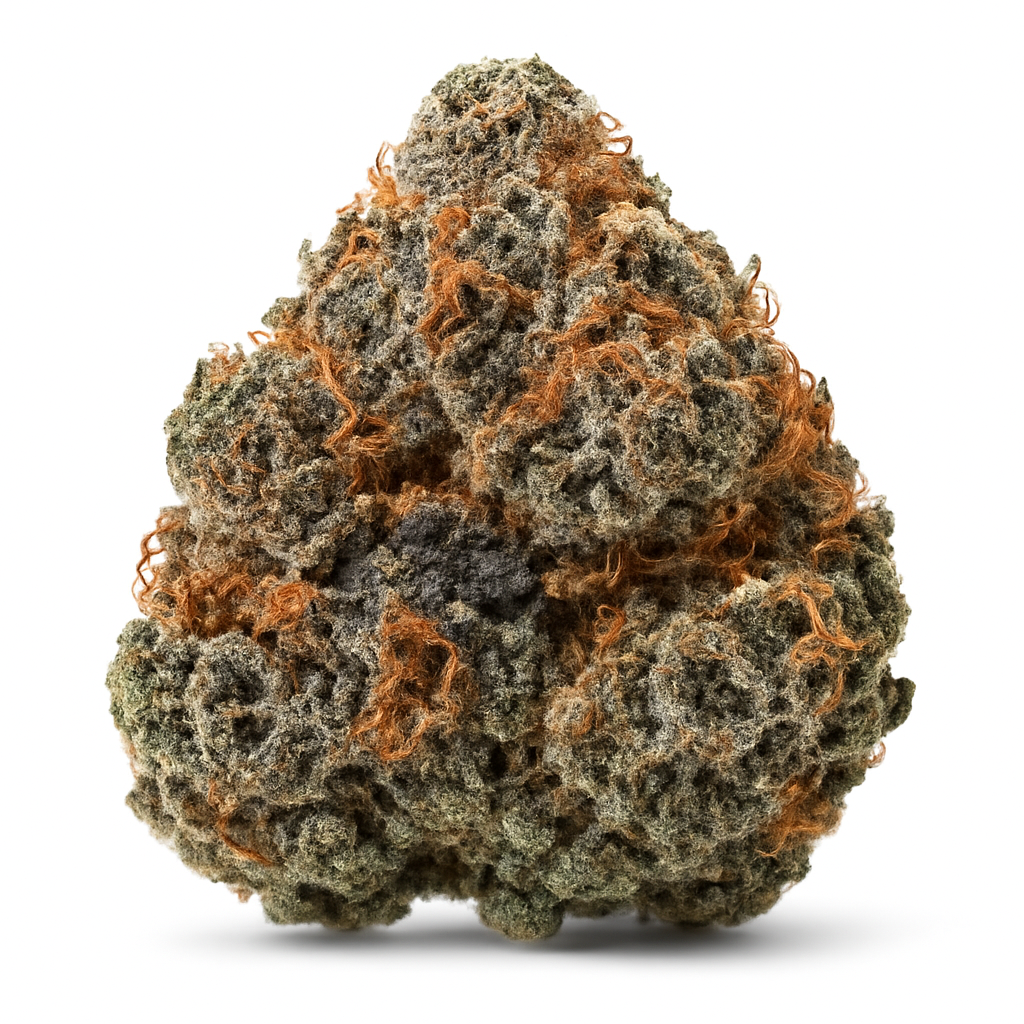
Bubba Kush
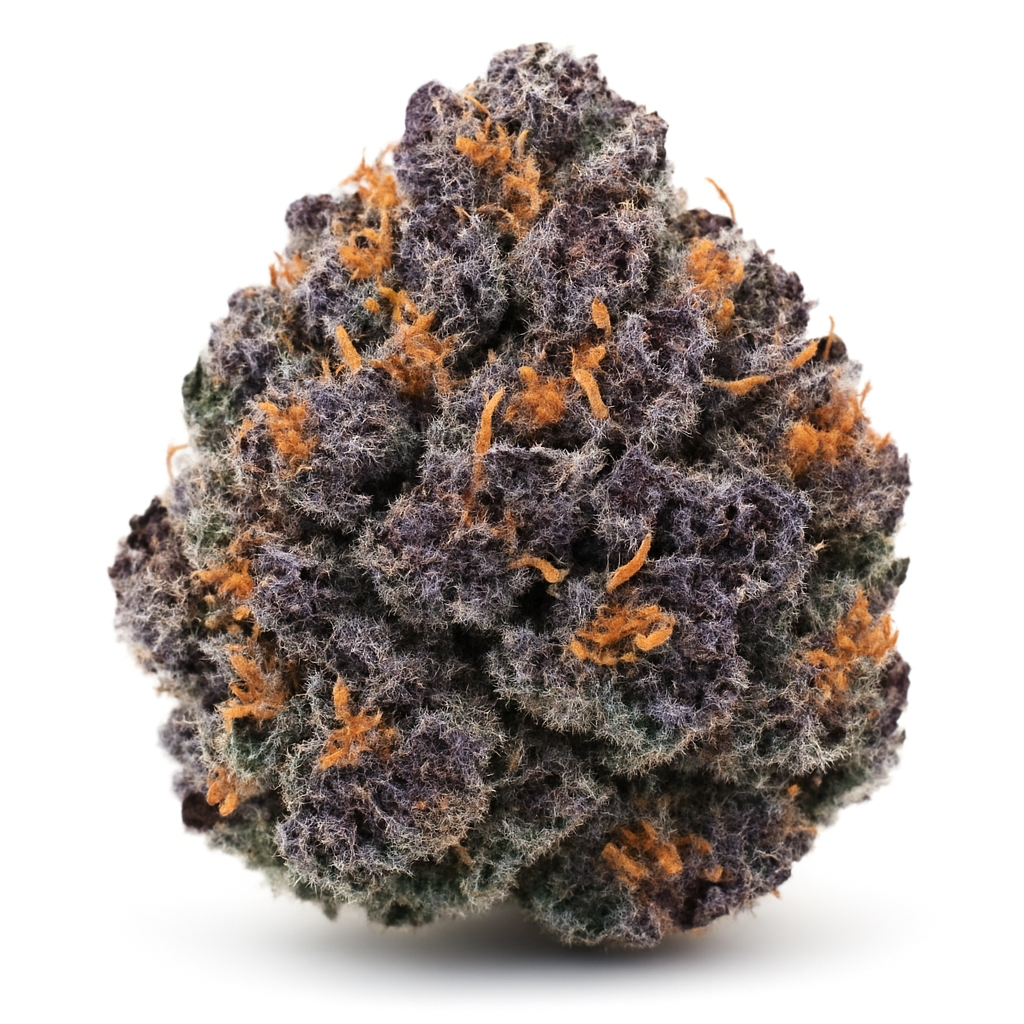
Purple Punch
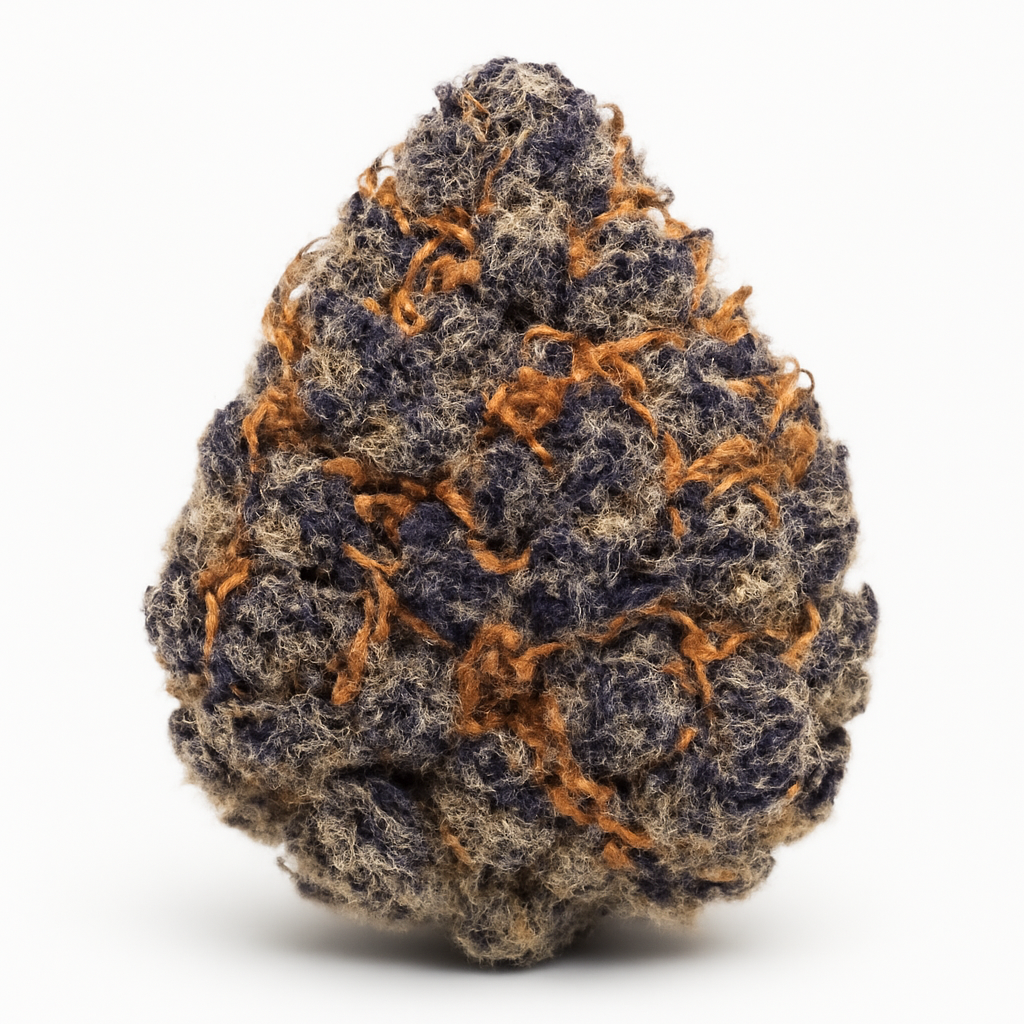
9 lb Hammer
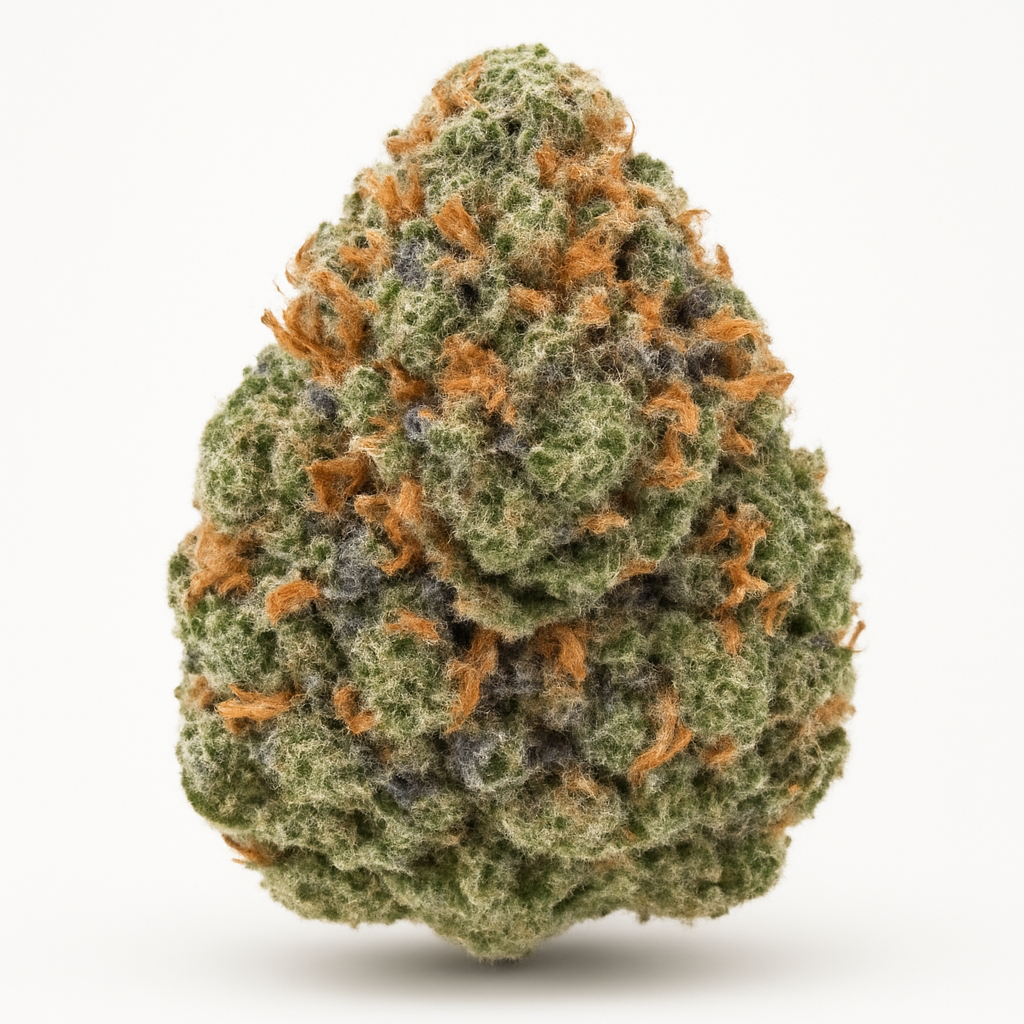
Tahoe OG
Balanced / lower-THC - closer to what trials used
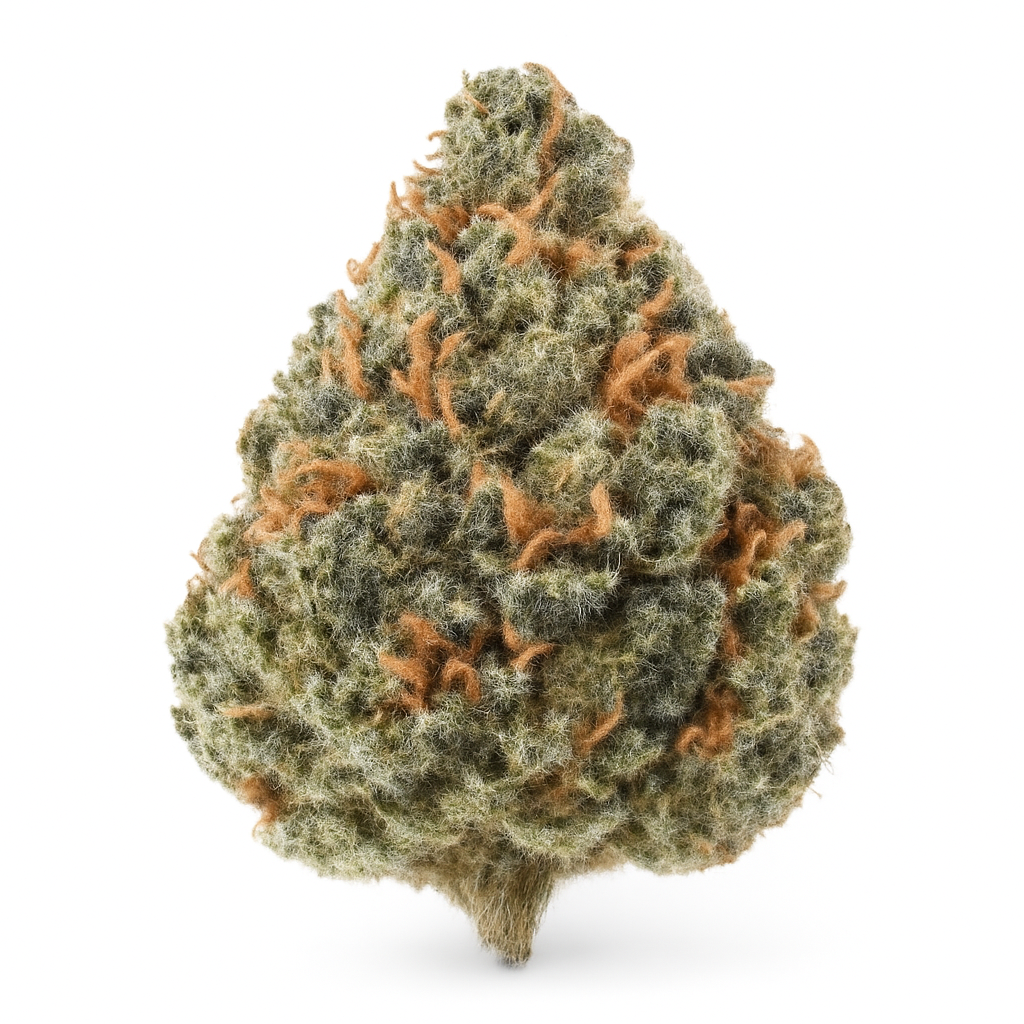
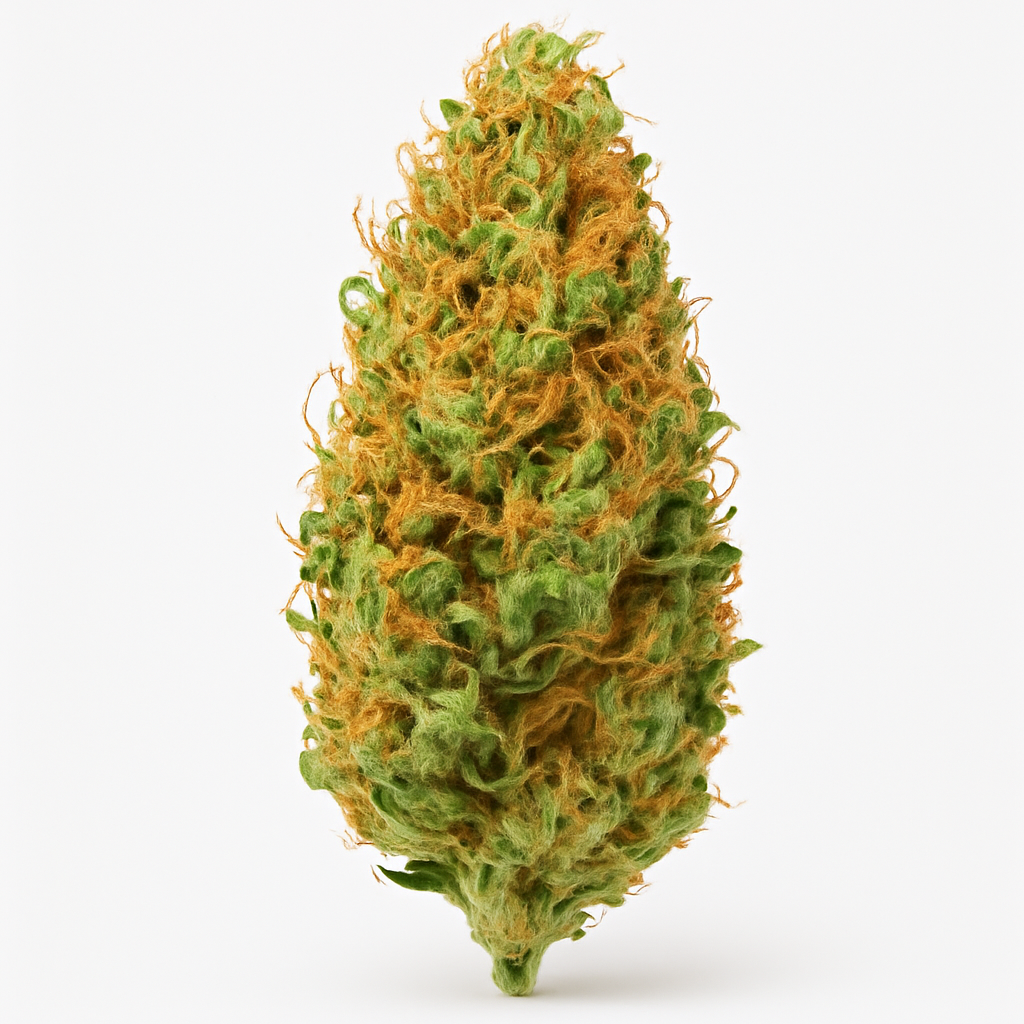
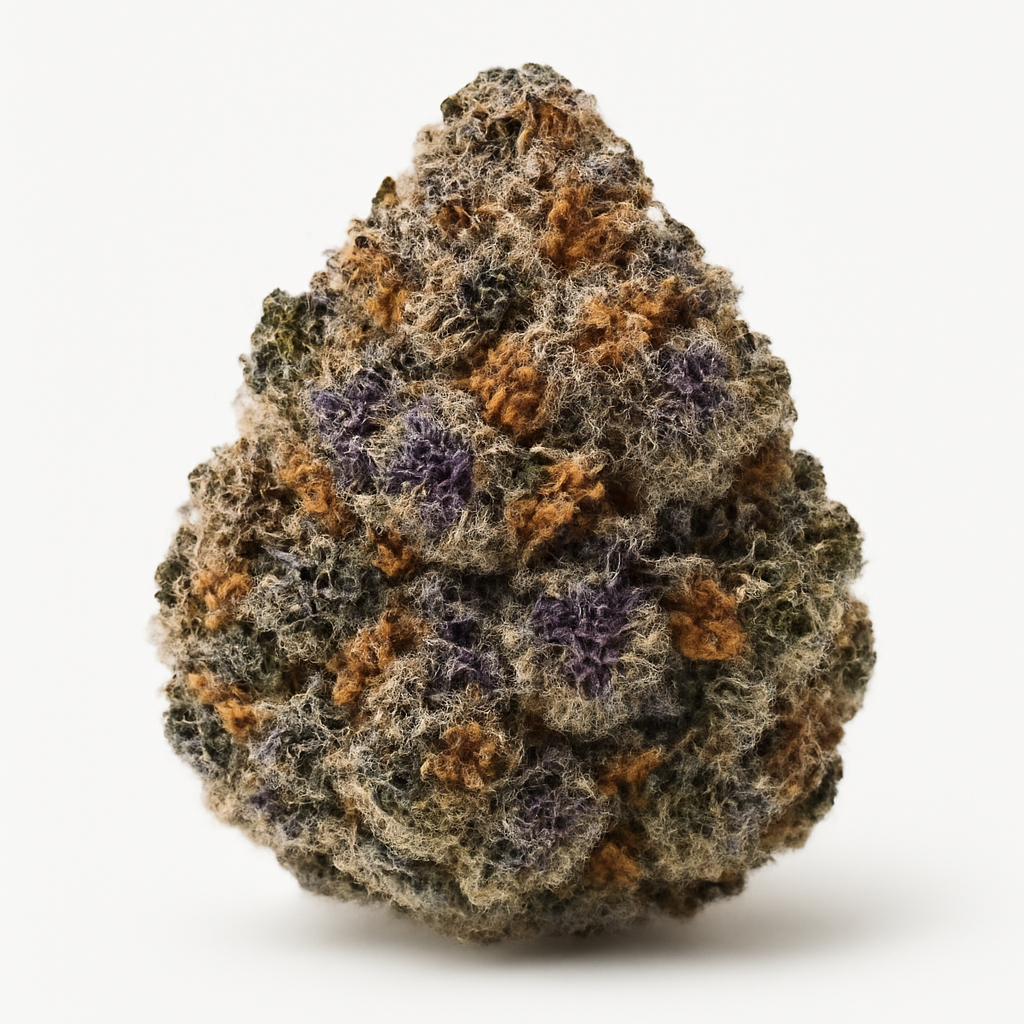
Caveat, as always: the name is not a guarantee - the same cultivar from different growers tests differently, and no strain has been trialed as a treatment for insomnia. These reflect reported preference, not clinical proof.
WHEN TO GET HELP
When to see a doctor
See a clinician if insomnia has lasted more than three months, if you're using something every night to sleep, if you snore heavily or wake gasping, if you're exhausted despite adequate sleep hours, or if you've tried to stop using cannabis for sleep and couldn't. Chronic insomnia is treatable, and it's often a symptom of something else worth finding - including depression, anxiety, apnea, or a thyroid issue.
FREQUENTLY ASKED
Common questions
Does indica actually help you sleep?
Do THC gummies help you sleep?
Is CBD or THC better for sleep?
Does weed ruin your sleep quality?
Why do I have crazy dreams when I stop smoking?
Does cannabis stop working for sleep?
What’s better than cannabis for chronic insomnia?
SUMMARY
The bottom line
Cannabis is a decent sedative and an unproven sleep treatment. Trials genuinely show people falling asleep faster and insomnia scores improving over two weeks - and also show REM suppression, one instance of reduced total sleep time, and tolerance that arrives fast. If you use it: go low, use a balanced product, time it to whether your problem is falling asleep or staying asleep, and don't use it every single night. If insomnia is chronic, CBT-I is the intervention with the evidence cannabis doesn't have.
Related conditions
Browse all strains for Insomnia →References
- Walsh JH, et al. Treating insomnia symptoms with medicinal cannabis: a randomized, crossover trial of the efficacy of a cannabinoid medicine compared with placebo. SLEEP, 2021;44(11).
- Suraev A, et al. Acute Effects of Oral Cannabinoids on Sleep and High-Density EEG in Insomnia: A Pilot Randomised Controlled Trial. Journal of Sleep Research, 2026.
- Randomized double-blind placebo-controlled crossover trial of THC:CBD oral oil in chronic insomnia, 2023.
- Systematic reviews of cannabinoids and sleep outcomes (31 studies; 19 RCTs, 12 observational).
- Chou R, et al. Living Systematic Review on Cannabis and Other Plant-Based Treatments for Chronic Pain: 2025 Update. AHRQ Comparative Effectiveness Review No. 250, July 2025.
- Cannabis-drug interaction systematic reviews, 2022 and 2024.