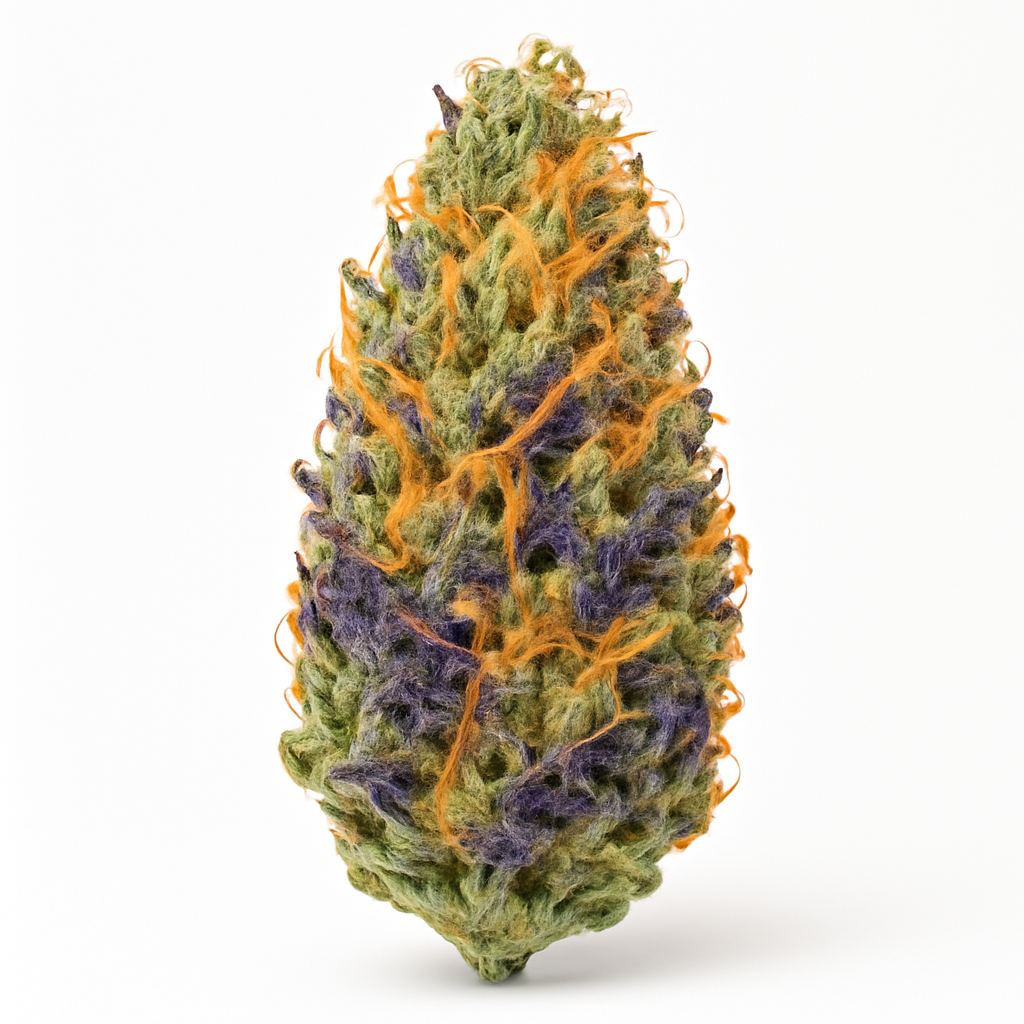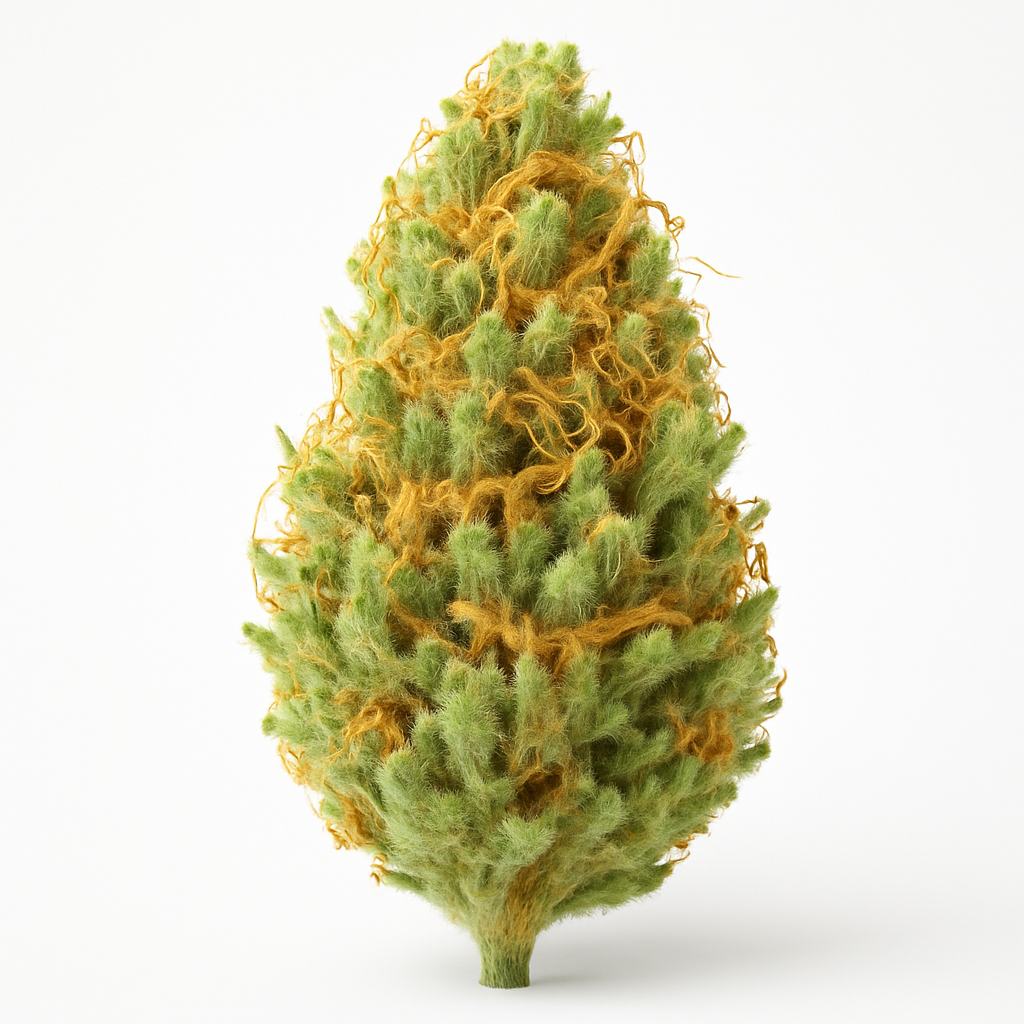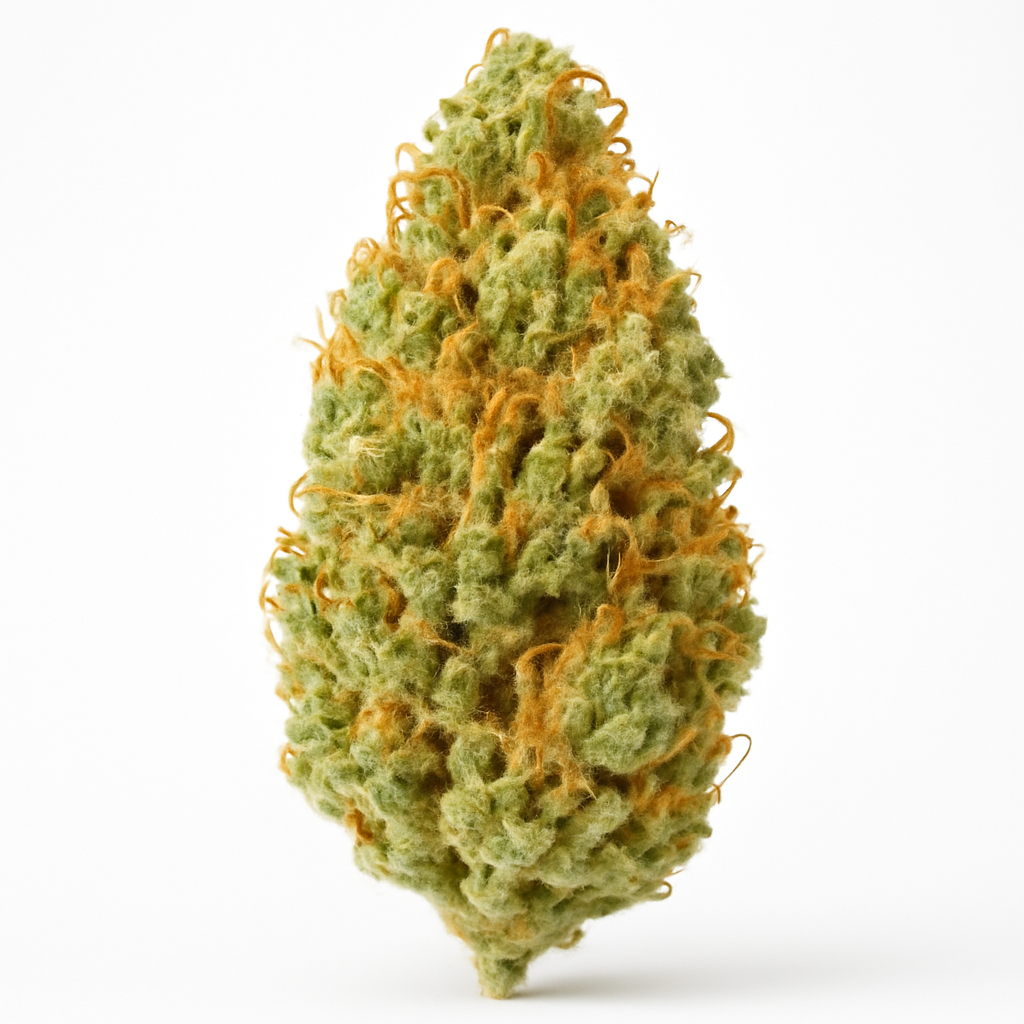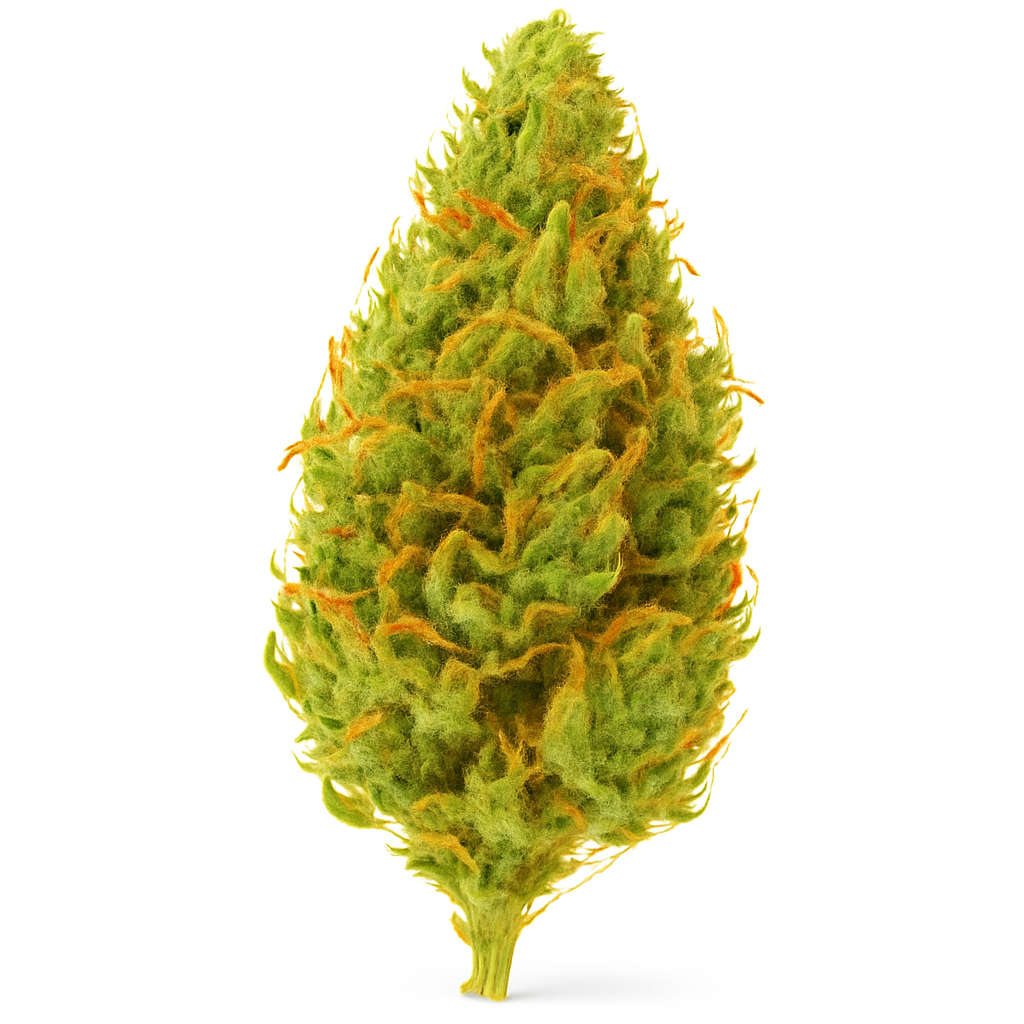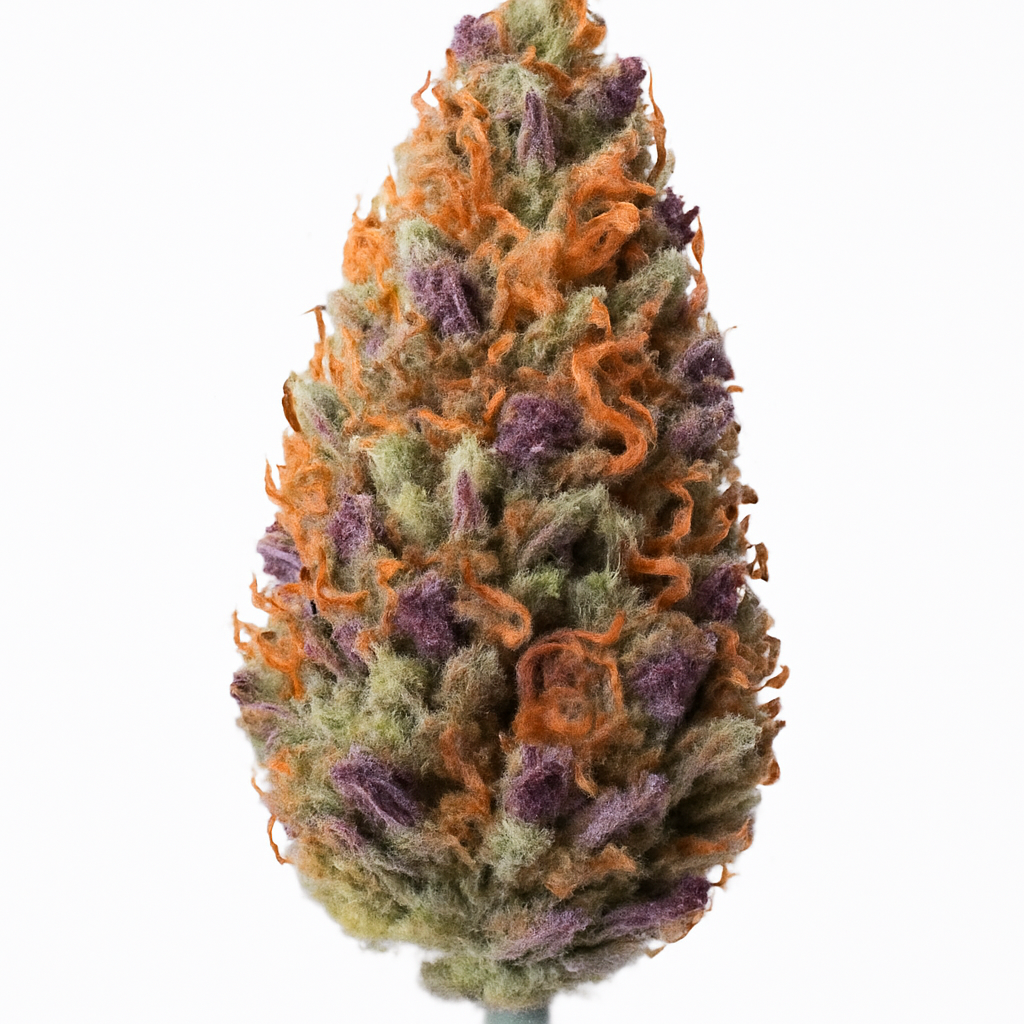
Representative image of Alice in Wonderland
Alice in Wonderland is a sativa cannabis strain with 16% THC. Users report feeling creative. Flavors include grapefruit and pear. Parent: Willy's Wonder.
Alice in Wonderland
Terpenes
What Is the Alice in Wonderland Strain?
Alice in Wonderland is a sativa strain descended from Willy's Wonder and carries a headline potency of 16% THC plus 1% CBG. It presents as a daytime-oriented cultivar built more for mental activation than body sedation, making it easily identifiable among sativa-leaning options.
Alice in Wonderland Effects
Users report a trio of effects: creative, focused, and energetic. Expect a cerebral lift that can sharpen attention and nudge ideas forward rather than blanketing the mind. That said, the experience tilts toward productivity and inspiration rather than couch-bound relaxation.
Alice in Wonderland Flavors & Aroma
A citrus-forward profile greets the palate with grapefruit brightness tempered by a mellow pear sweetness and subtle floral notes. The overall aroma is lively and slightly perfume-like, with fruit and flower balancing each other rather than any single note dominating.
Terpene Profile of Alice in Wonderland
Alice in Wonderland lists myrcene, caryophyllene, and terpinolene as prominent terpenes. Myrcene often brings herbal, earthy undertones and can modulate overall potency; caryophyllene contributes peppery spice and is unique for interacting with stress-related pathways; terpinolene adds light, fruity, almost piney top notes. Together these terpenes support the strain’s uplifting, focused character through classic entourage dynamics.
What Does Alice in Wonderland Help With?
Anecdotal reports point to this strain being used for stress relief, depression, and anxiety. Many users seek it out when they want a mental boost or mood lift during the day; these are reported benefits rather than medical claims and will vary by individual.
Alice in Wonderland Side Effects & Negatives
Reported downsides include occasional paranoia, heightened anxiety, and dry eyes. Because the high is cerebral and energetic, those prone to anxious responses should start low and move slowly. Staying hydrated and using conservative doses can help mitigate common side effects.
Alice in Wonderland Genetics & Lineage
With Willy's Wonder in its pedigree, Alice in Wonderland inherits a clear sativa lineage that helps explain its lift and lively flavor profile. The parentage informs both the energetic effects and the aromatic fruit-and-flower character, tying the overall experience back to its genetic roots.
Alice in Wonderland THC & CBG Content
At 16% THC Alice in Wonderland sits below our catalog’s typical ~20% THC average, so it’s moderate rather than high-potency by modern standards. The 1% CBG is modest but notable; together they suggest an approachable dosing window: newcomers may find it manageable, while experienced users can still enjoy a lucid, active high without extreme intensity.
Is Alice in Wonderland Indica or Sativa?
Classified as a sativa, this strain generally implies a head-focused experience - alertness, creativity, and energy over heavy body sedation. Expect stimulation that supports daytime tasks rather than evening relaxation.
Who Is Alice in Wonderland Best For?
This strain is best for daytime or early-afternoon use when you want to be productive, creative, or mentally engaged. Because its THC is moderate, it's suitable for users with some experience but also accessible to cautious beginners if they dose conservatively. Activities that benefit from sustained focus - brainstorming, light social outings, or creative work - pair well with its profile; avoid using large doses if you are anxiety-prone.
Our Take on Alice in Wonderland
We like Alice in Wonderland for what it sets out to be: a reliable, sativa-forward option with a clean creative lift and a pleasant fruit-and-flower palate. Its 16% THC makes it less intimidating than many modern highs, and the terpene mix explains both the flavor and the focused energy users report. The trade-off is that its cerebral edge can trigger nervousness in susceptible people, so it’s not our top pick for anyone seeking pure relaxation. Given a 4.5/5 average from 112 ratings, many users find it satisfying - we’d recommend it to those who want an energized, creative daytime strain and urge caution for highly anxious consumers.
Alice in Wonderland FAQ
Is Alice in Wonderland a sativa or indica?
Alice in Wonderland is classified as a sativa, meaning it tends to produce a head-focused, energetic experience rather than heavy physical sedation.
How strong is Alice in Wonderland?
This strain has 16% THC and 1% CBG, which is moderate compared with the catalog average of around 20% THC-approachable for many users but still capable of a clear uplift.
What effects can I expect from Alice in Wonderland?
Reported effects are creative, focused, and energetic-users commonly describe a cerebral, productive lift suited to daytime activities.
What does Alice in Wonderland taste like?
Flavors include grapefruit and pear with flowery notes, creating a bright, fruity aroma with a soft floral backdrop.
Can Alice in Wonderland help with stress or anxiety?
Anecdotally, people report using this strain for stress, depression, and anxiety relief, though individual responses vary and these are not medical claims.
Are there any side effects to watch for?
Reported negatives include paranoia, anxious feelings, and dry eyes; starting with a low dose and hydrating can reduce these risks.