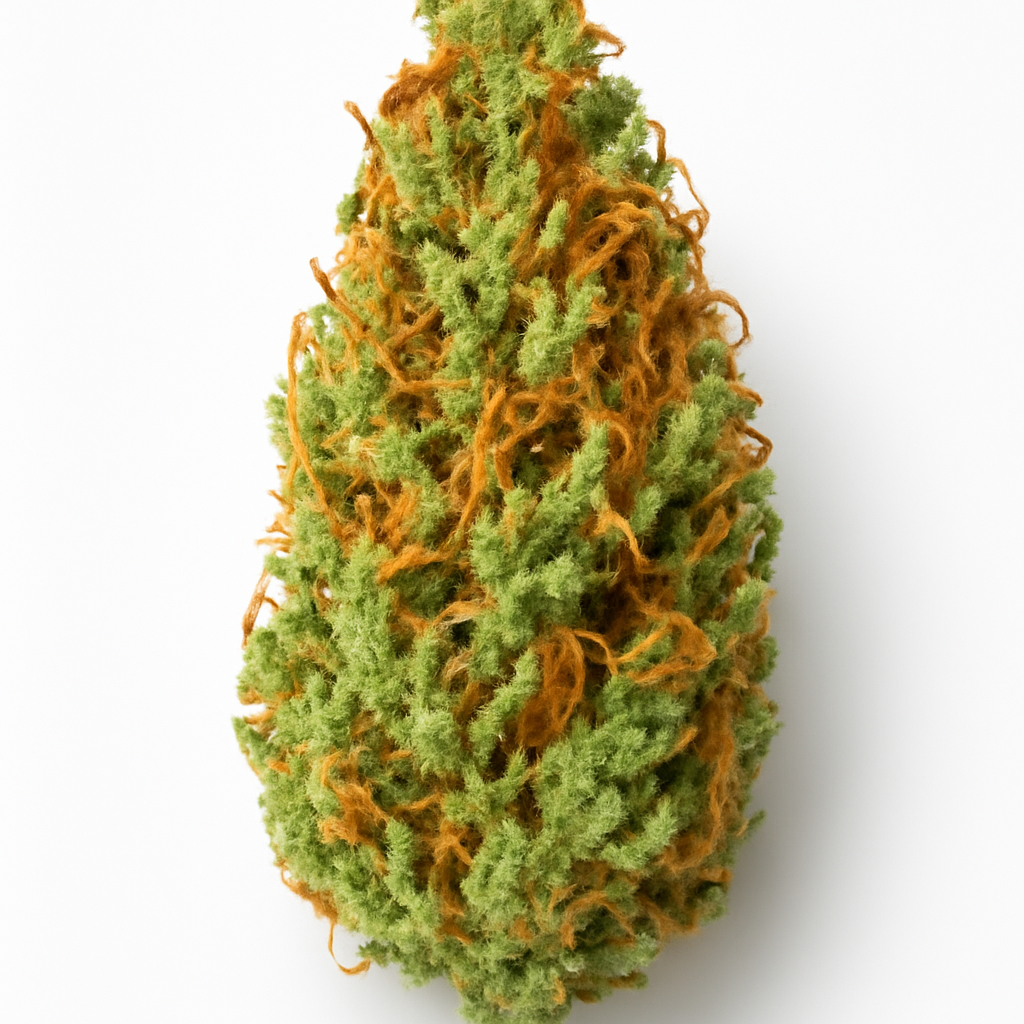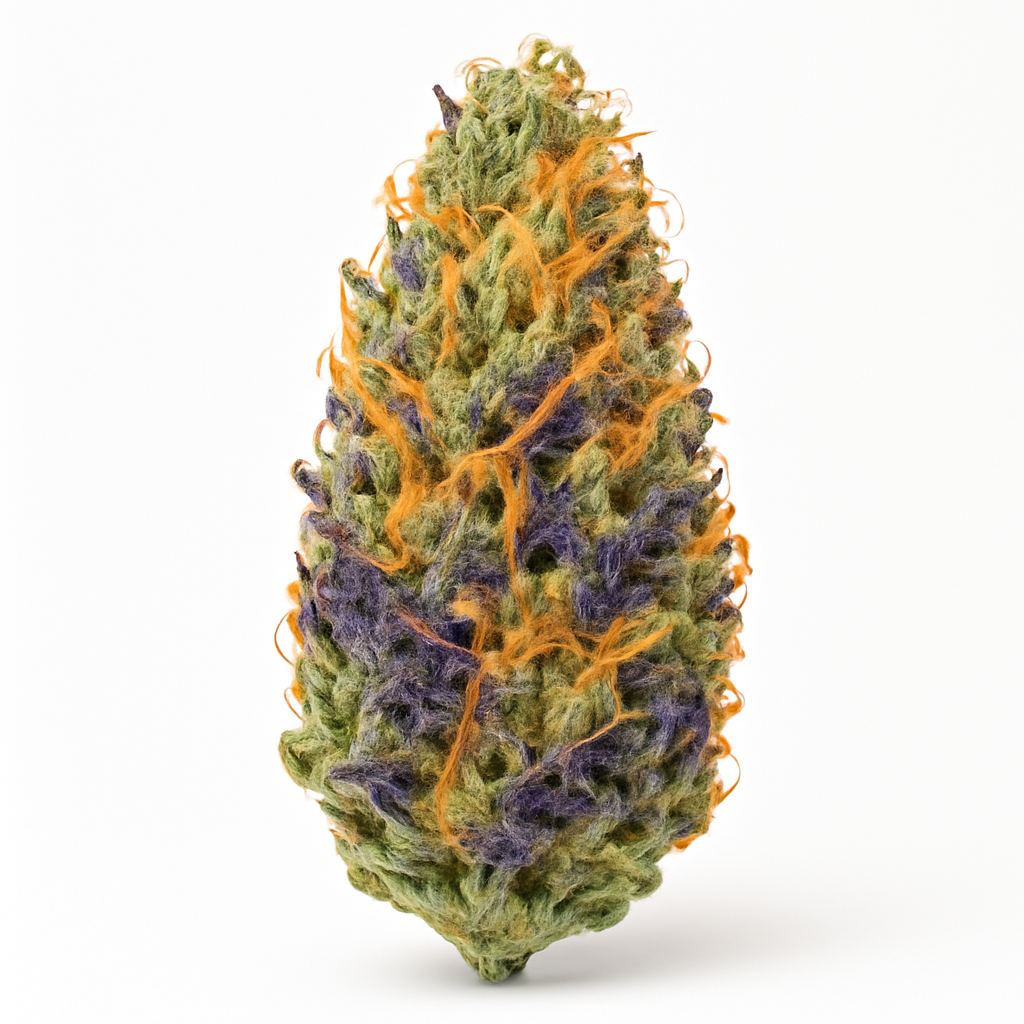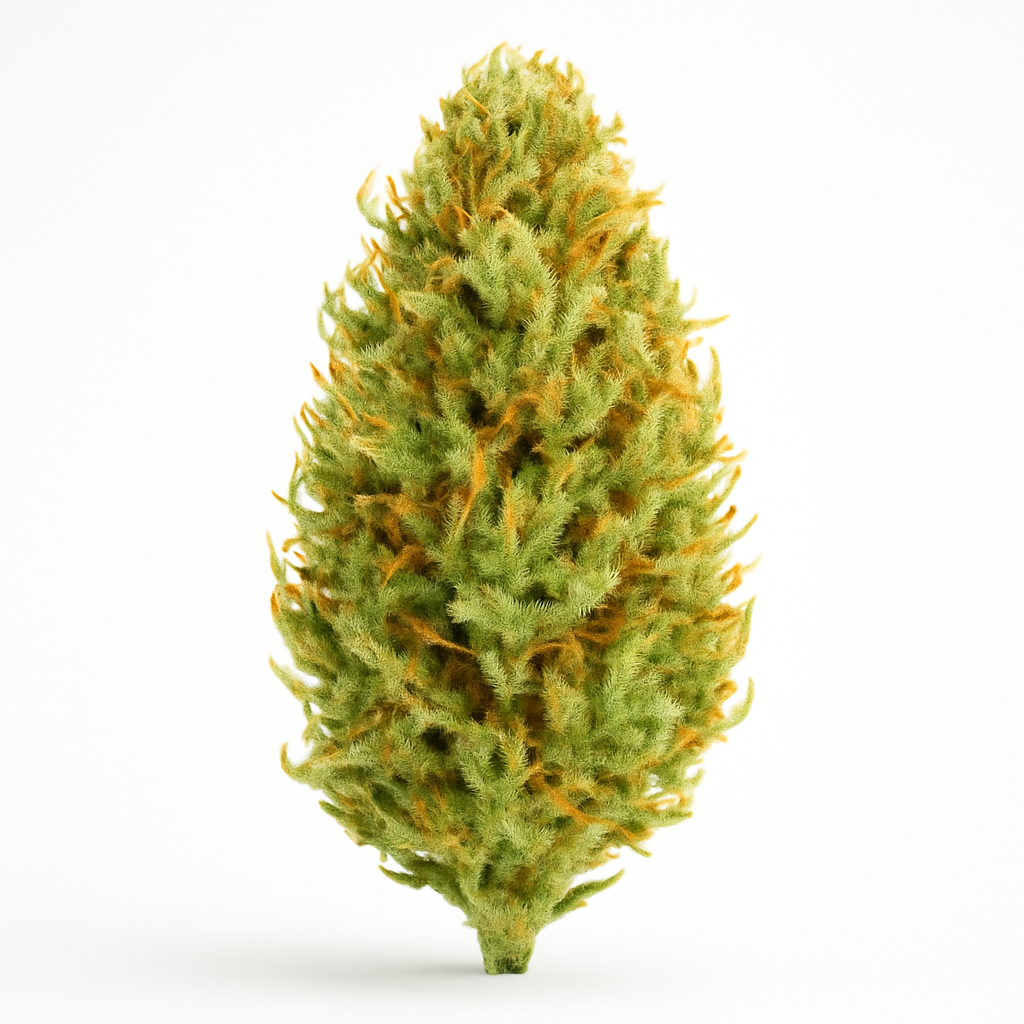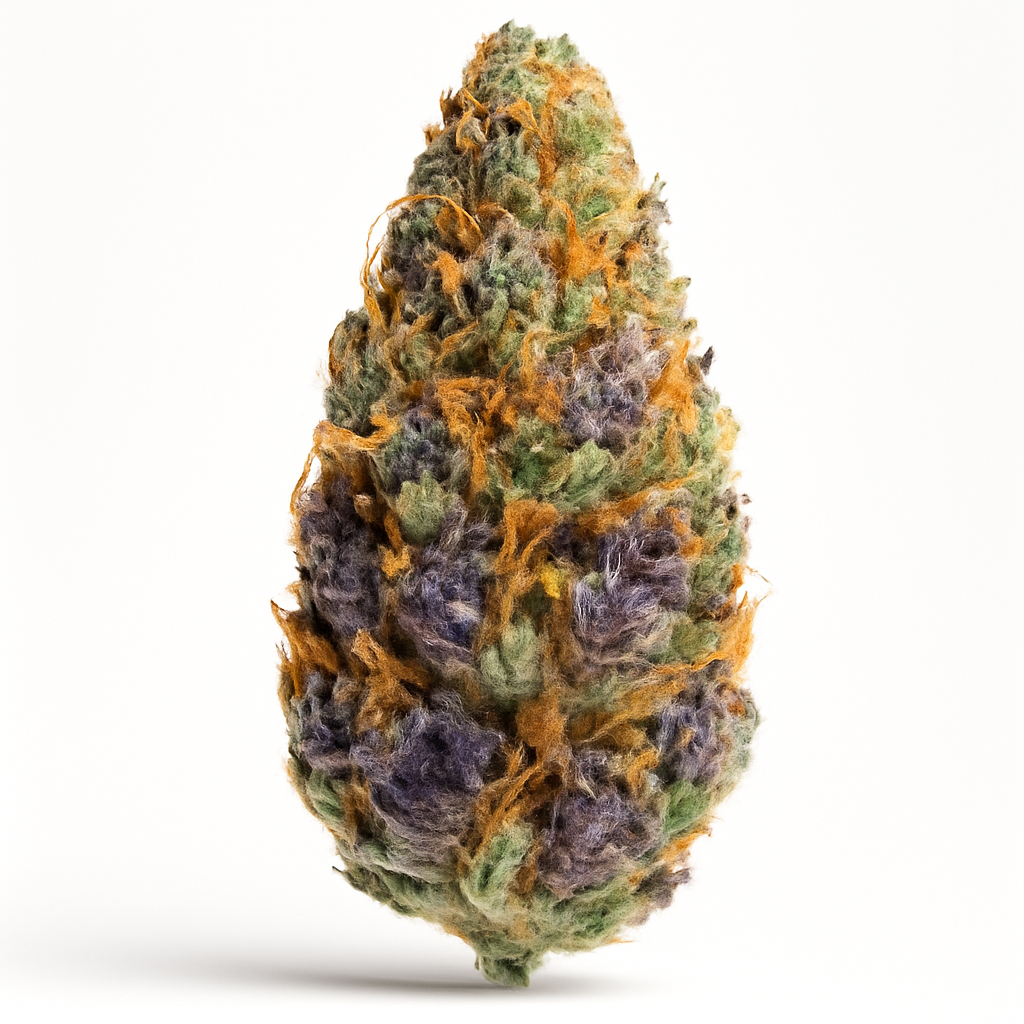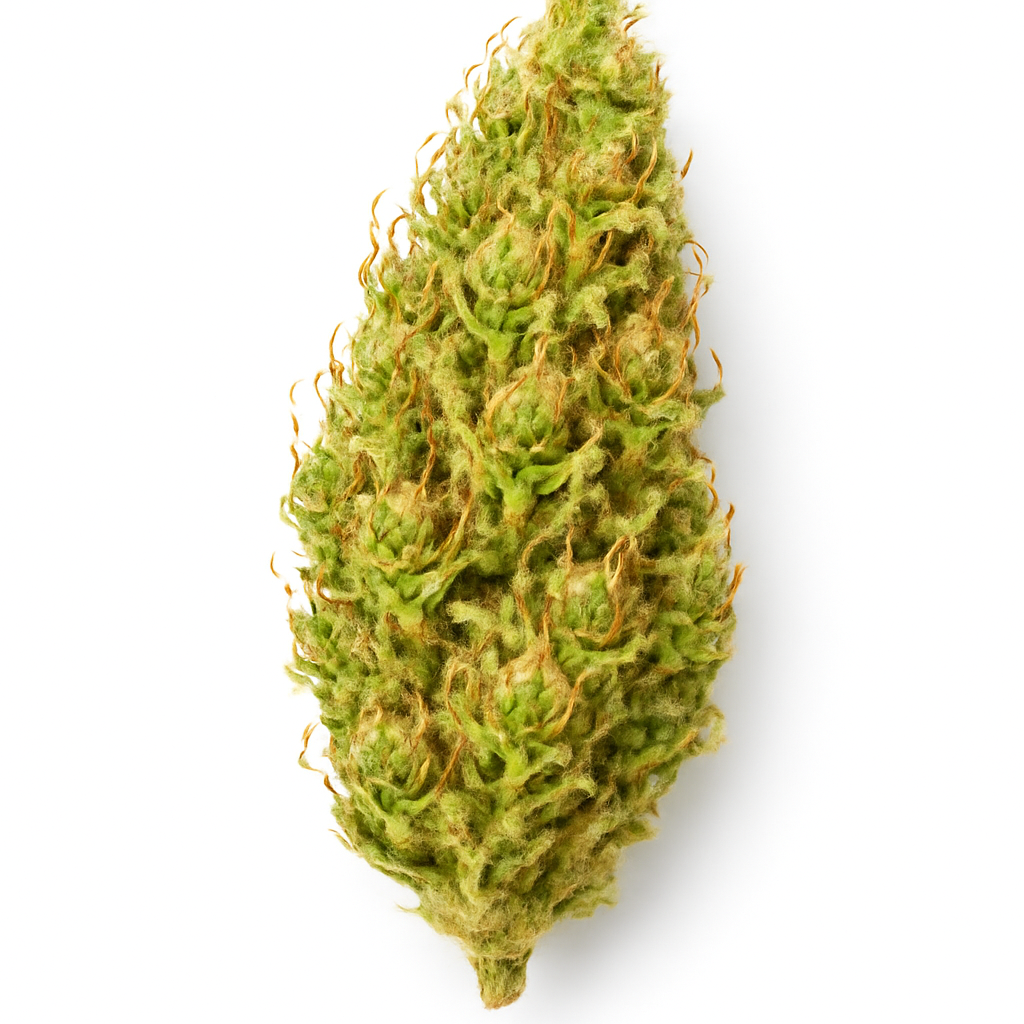
Representative image of Candyland
Candyland is a sativa-forward strain that skews social and energetic. With 19% THC and 1% CBG, it delivers an uplifting, talkative buzz wrapped in sweet, spicy and pungent flavors.
Candyland
Also known as Kandyland
Terpenes
What Is the Candyland Strain?
Candyland is listed as a sativa and carries a clear lineage: its parents are Granddaddy Purple and Platinum Cookies. Its reported cannabinoid profile (19% THC and 1% CBG) places it in the moderately potent range for modern flower while still favoring a lively sativa character.
Candyland Effects
Users report energetic, uplifted, and talkative effects from Candyland. Expect a head-focused rise that promotes sociability and mental momentum rather than heavy sedation - a profile that makes it easy to picture for conversation, errands, or creative bursts. Because the effects skew energetic, pacing and dosage can influence whether the experience stays pleasantly social or tips toward anxious.
Candyland Flavors & Aroma
The flavor profile mixes sweet notes with a spicy, herbal backbone and an overall pungent presence. That combination can read as candy-like sweetness up front, followed by a peppery or herbal kick and a lingering, assertive finish that announces itself on the exhale.
Terpene Profile of Candyland
Candyland’s dominant terpenes include caryophyllene, limonene, and humulene. Caryophyllene brings a peppery, spicy edge that sharpens the aroma; limonene contributes citrus brightness often associated with uplifting sensations; and humulene adds a hoppy, earthy balance that can smooth the overall profile. Together these terpenes support the strain’s lively, social character through the so-called entourage effect.
What Does Candyland Help With?
Anecdotally, people reach for Candyland to manage stress, low mood, and social anxiety. Its reported uplifting and talkative effects explain why users often turn to it when they want an active, mood-lifting experience rather than quiet relaxation. These are user reports and not medical claims.
Candyland Side Effects & Negatives
Commonly reported negatives are dry eyes along with feelings of anxiety or paranoia in some users. Because it trends toward an energetic sativa high, those who are sensitive to THC’s stimulating side should start with small doses and use caution in unfamiliar settings to reduce the chance of an uncomfortable reaction.
Candyland Genetics & Lineage
The parentage of Granddaddy Purple crossed with Platinum Cookies suggests Candyland inherits a mix of traits from two established lines. That genetic combination helps explain the strain’s striking flavor contrasts and its ability to produce an uplifting sativa expression despite complex, heavier-sounding flavor notes. In short, its roots point to a deliberate hybridization that favors lively, aromatic results.
Candyland THC & CBG Content
At 19% THC, Candyland sits just below our catalog’s typical level (~20% THC) - not dramatically different, but enough to describe it as moderately potent. The 1% CBG is present at a low but detectable level and can subtly contribute to the entourage effect. For most consumers this means Candyland delivers a noticeable, daytime-friendly high without being among the very strongest offerings.
Is Candyland Indica or Sativa?
As a sativa, Candyland generally implies an experience focused on cerebral stimulation, energy, and sociability rather than deep body sedation. That classification aligns with the reported effects of uplift, talkativeness, and heightened energy.
Who Is Candyland Best For?
Candyland is best suited for daytime or early-evening use when you want to stay alert and social - think small gatherings, creative work, or conversational hangouts. Because its THC is moderate and effects lean energetic, it fits intermediate users well and cautious beginners who start low and go slow. If you’re prone to anxiety or paranoia, consider smaller doses and a familiar environment to reduce risk.
Our Take on Candyland
We like Candyland as a dependable sativa option: it’s flavorful, social, and consistently rated (4.5/5 from 1,179 reviews), which gives us confidence that many users enjoy its profile. Its 19% THC is slightly under the catalog norm but still substantive enough to produce real uplift; the terpene mix of caryophyllene, limonene, and humulene explains both the spicy-sweet aroma and the lively mental buzz. If you want an energetic, talkative strain with candy-like sweetness and a spicy kick, Candyland is worth trying. If you’re highly sensitive to stimulation or worry-prone, this one may be more hit-or-miss - approach it conservatively or look for something mellower.
Candyland FAQ
Is Candyland a sativa or indica?
Candyland is classified as a sativa.
How strong is Candyland?
Candyland tests at 19% THC, slightly below the catalog average of about 20%, so it’s moderately potent.
What does Candyland taste and smell like?
Users report sweet upfront notes with spicy/herbal accents and an overall pungent finish.
What effects can I expect from Candyland?
The reported effects are energetic, uplifted, and talkative-good for social or creative situations.
What conditions do people use Candyland for?
Anecdotally, users reach for Candyland for stress, depression, and anxiety relief, though these are reported effects rather than medical claims.