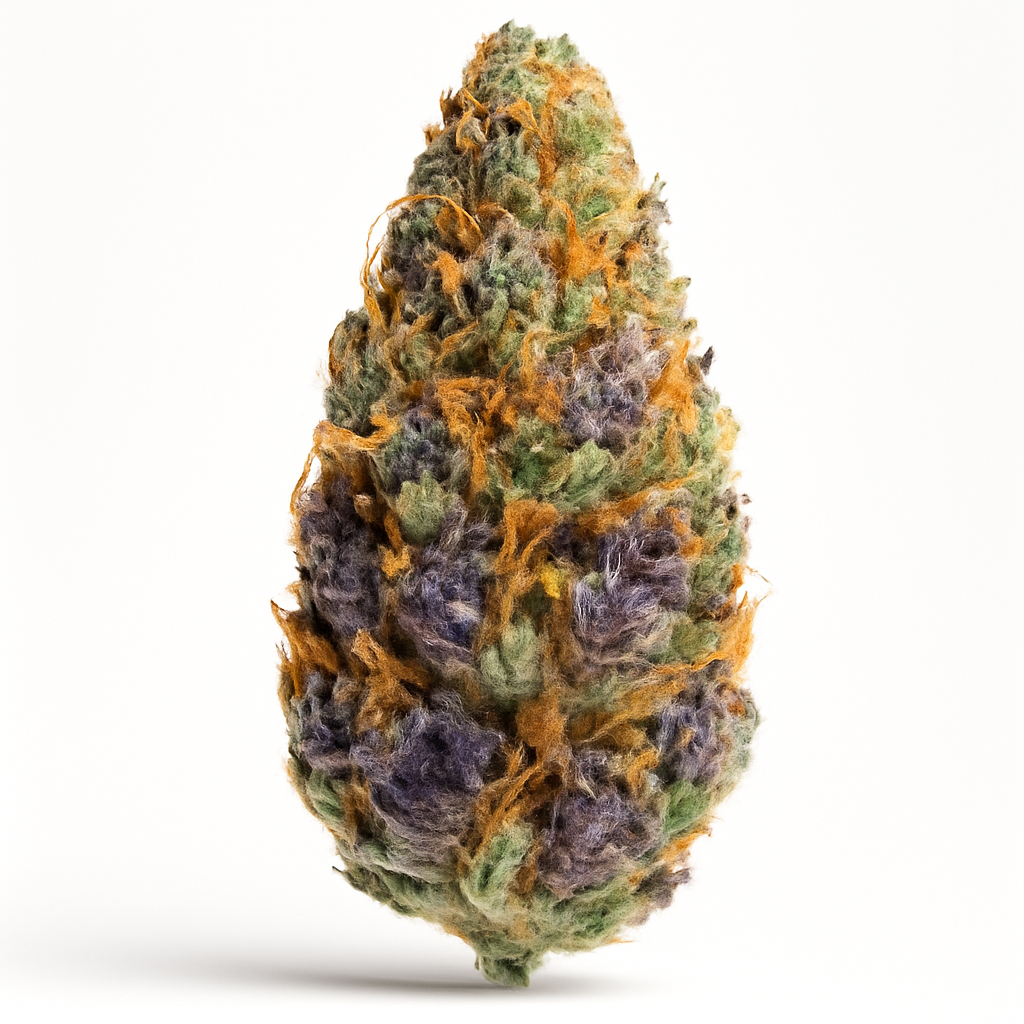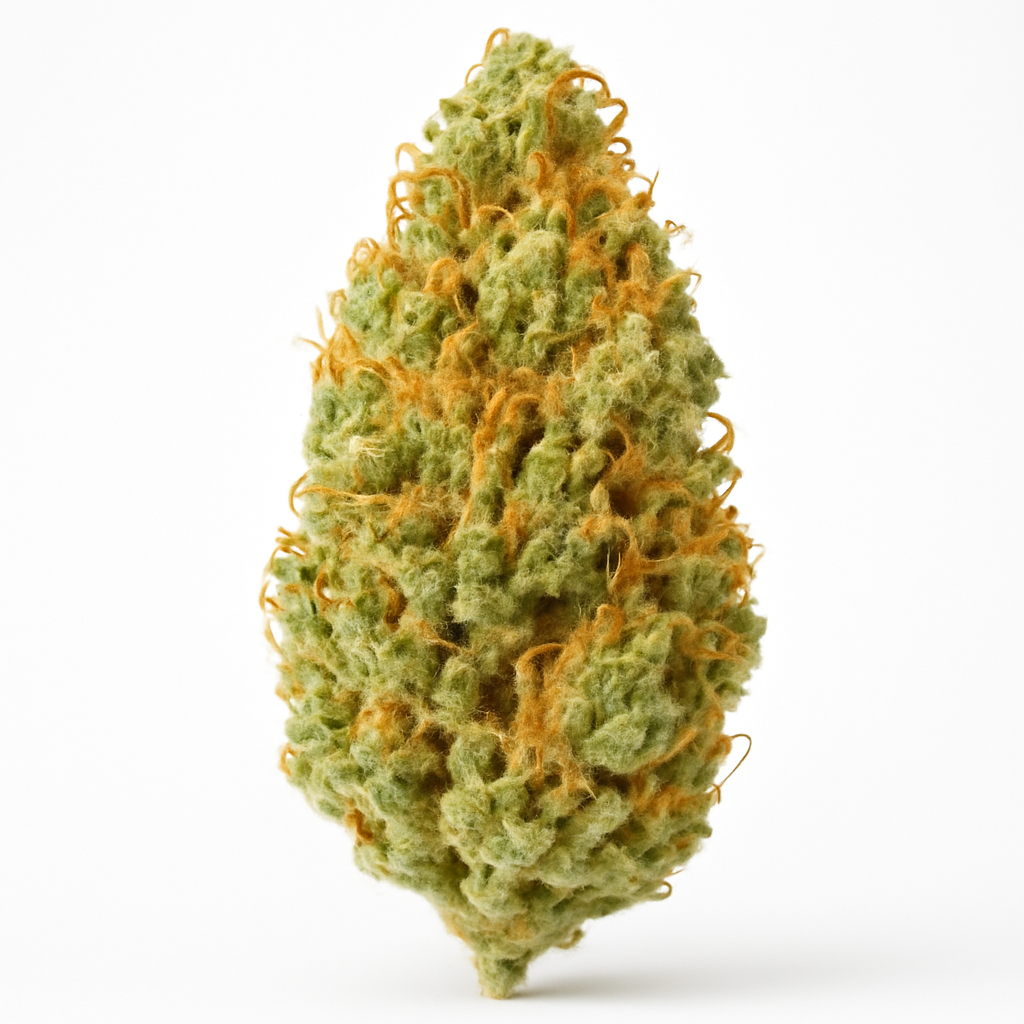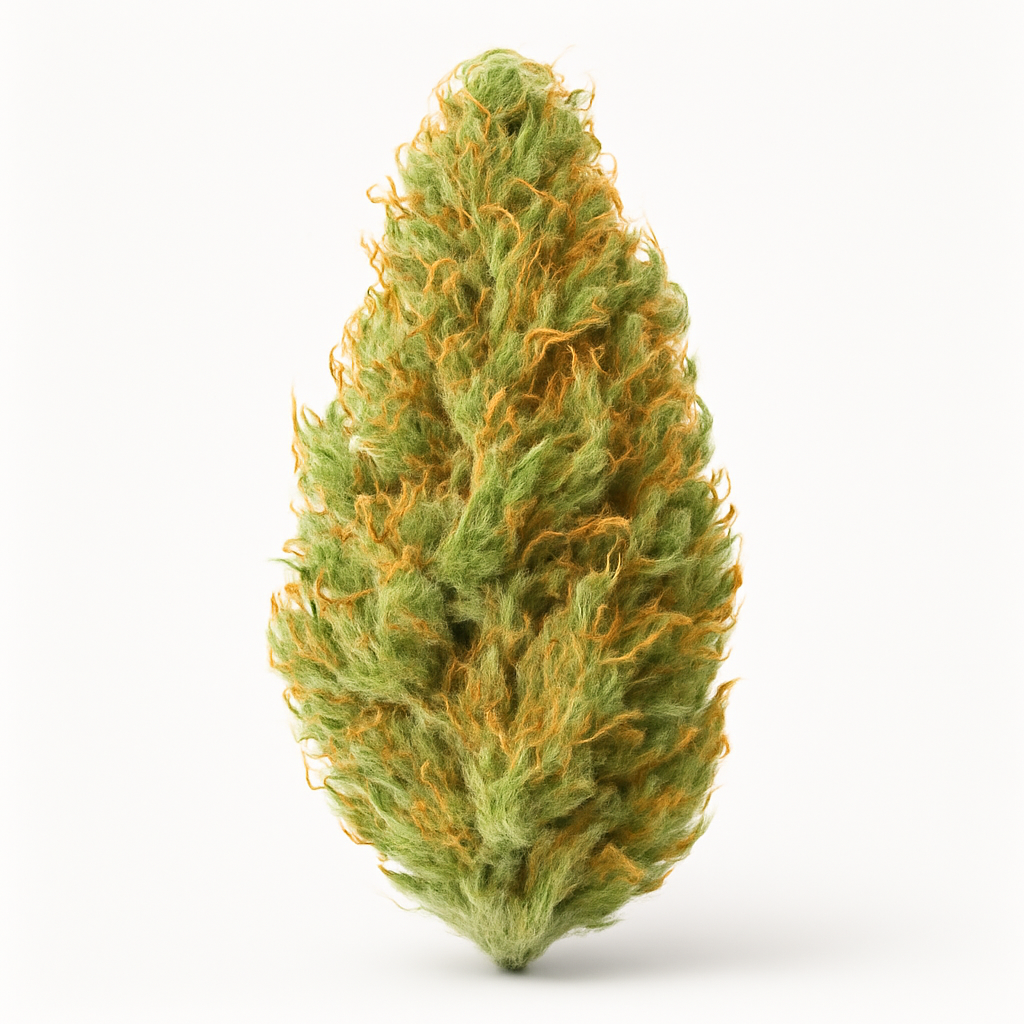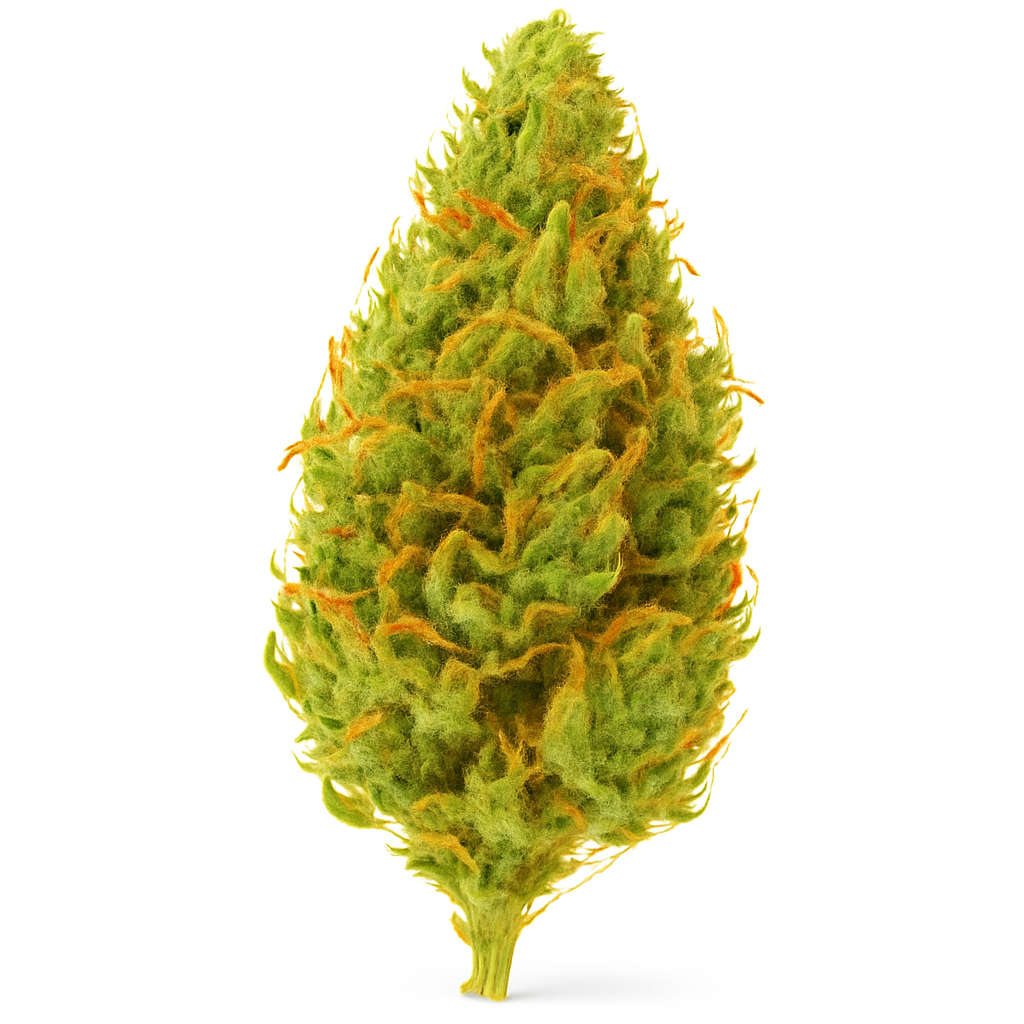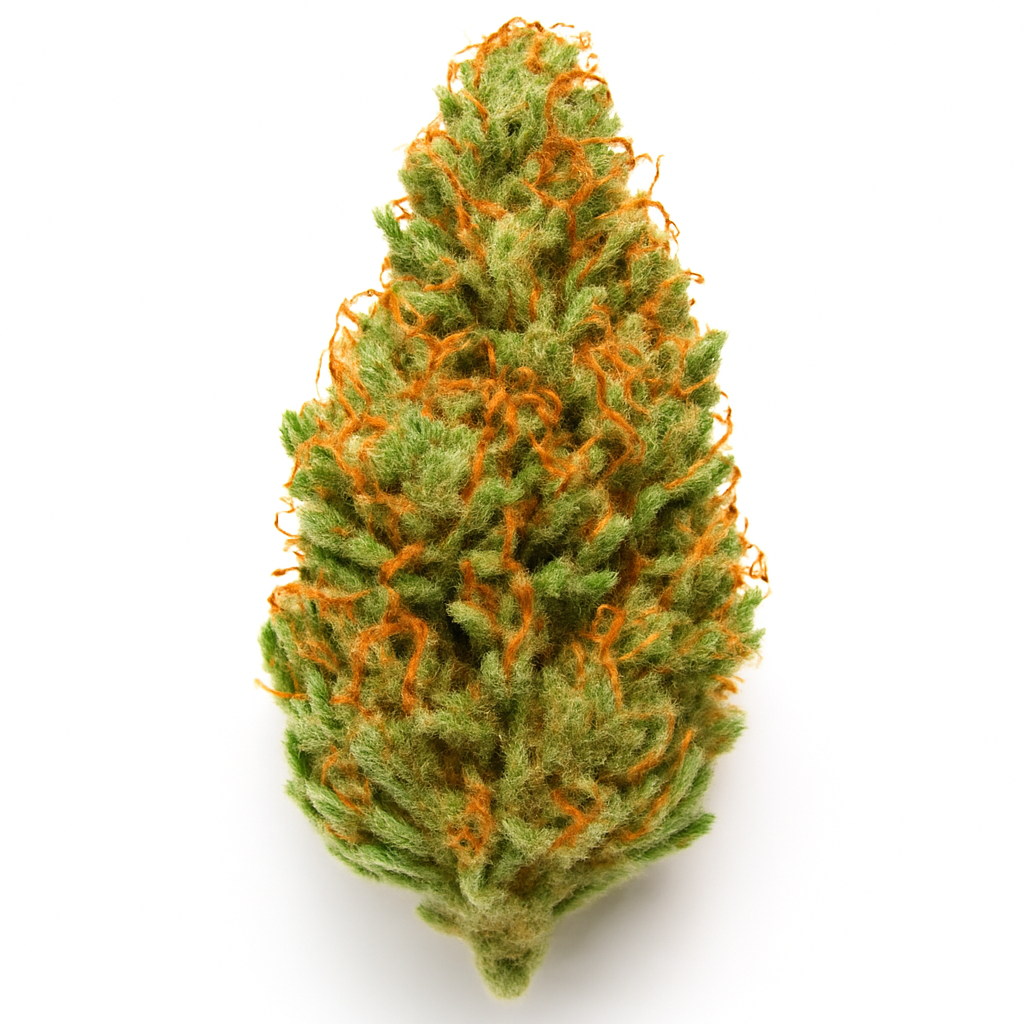
Representative image of Dream Beaver
Dream Beaver is a sativa that leans into lively, social energy with a tropical-pine aroma and a touch of woodiness. With 20% THC and 1% CBG, it aims to deliver animated, giggly sessions while staying within the catalog's typical potency range.
What Is the Dream Beaver Strain?
Dream Beaver is a sativa built from the Appalachia × Blockhead lineage and tested at 20% THC with 1% CBG. It presents as a daytime-leaning cultivar that emphasizes sociability and uplift rather than heavy sedation, making it clear what kind of consumer experience it's targeting.
Dream Beaver Effects
Users report Dream Beaver as talkative, energetic, and giggly - a profile that tends toward sociable, creative sessions rather than couchlock. Expect an initial light lift that encourages conversation and movement; because the effects skew toward stimulation, it’s more of a spark than a sedative.
Dream Beaver Flavors & Aroma
The flavor profile mixes bright pineapple top notes with a woody backbone and subtle nuttiness. Aromas often read as fresh and slightly resinous, with the pineapple giving an upfront sweetness that settles into piney wood and a dry, nut-like finish.
Terpene Profile of Dream Beaver
Dream Beaver lists myrcene, pinene, and caryophyllene as dominant terpenes. Myrcene brings herbal, slightly earthy depth and can smooth transitions between effects; pinene contributes clear, pine-forward aromatics that may support mental sharpness; and caryophyllene adds peppery spice while interacting with cannabinoid receptors, rounding out a terpene trio that favors alert, upbeat experiences.
What Does Dream Beaver Help With?
Anecdotally, people use Dream Beaver to manage symptoms of depression, stress, and anxiety. Its uplifting, talkative qualities make it a common choice when users want mood elevation or an energetic distraction - framed as reported benefits rather than medical claims.
Dream Beaver Side Effects & Negatives
Reported downsides include dry mouth, feelings of anxiety, and occasional dizziness. Because the effects lean stimulating, users prone to anxiety should dose conservatively and monitor their response; staying hydrated and using smaller inhalations can reduce common side effects like dry mouth and lightheadedness.
Dream Beaver Genetics & Lineage
With Appalachia and Blockhead as parents, Dream Beaver's genetic roots explain its distinct personality without demanding specifics about each ancestor. The two-parent lineage provides the inherited framework for a sativa-forward expression, and when combined with this strain’s terpene profile, it produces the talkative, piney, and slightly tropical character noted by users.
Dream Beaver THC & CBG Content
At 20% THC - essentially in line with the catalog average - Dream Beaver sits in the mid-strength range. That THC level usually delivers noticeable effects for most consumers without the intensity of high-THC craft cuts. The 1% CBG is modest but may contribute subtly to the overall entourage effect; beginners should still start low and go slow, while more experienced users can expect reliable, energizing results.
Is Dream Beaver Indica or Sativa?
As a sativa, Dream Beaver typically promotes cerebral uplift, increased sociability, and a lively headspace rather than body-heavy sedation. That classification aligns with its reported energetic and talkative effects and makes it better suited for active or social settings than quiet, restful ones.
Who Is Dream Beaver Best For?
Dream Beaver is best used during daytime or early evening social occasions, creative sessions, or low-key outings when you want to stay animated and conversational. Because it matches the catalog's average THC, it's approachable for many consumers but still worth cautious dosing for those sensitive to stimulation-related anxiety or dizziness. Try small doses first, hydrate, and avoid heavy tasks requiring full calm if you’re prone to nervousness.
Our Take on Dream Beaver
We see Dream Beaver as a confident, sociable sativa that does what it promises: it livens conversation, sparks a few laughs, and brings a piney-pineapple brightness to the session. Its 20% THC keeps it squarely on par with the typical catalog offering, so it’s neither a timid option nor an extreme performer - a balance that helps explain a solid 4.7/5 average from 54 ratings. The terpene mix of myrcene, pinene, and caryophyllene supports the strain’s alert but grounded feel, and the Appalachia × Blockhead lineage gives it a straightforward genetic pedigree. We’d recommend Dream Beaver to people seeking an upbeat daytime companion who want reliable sociability; those who frequently experience anxiety or dizziness with stimulating strains should sample cautiously or look for something milder.
Dream Beaver FAQ
What kind of strain is Dream Beaver?
Dream Beaver is a sativa (Appalachia × Blockhead) tested at 20% THC with 1% CBG.
What effects can I expect from Dream Beaver?
Reportedly it produces talkative, energetic, and giggly effects - suitable for social or creative situations.
How strong is Dream Beaver compared to other strains?
At 20% THC it matches the catalog average, offering noticeable but not extreme potency; beginners should still start with a low dose.
What does Dream Beaver taste and smell like?
Users describe pineapple top notes blended with woody and nutty undertones, with a piney freshness from its terpenes.
What are common side effects?
Reported negatives include dry mouth, anxious feelings, and occasional dizziness; moderation and hydration are recommended.