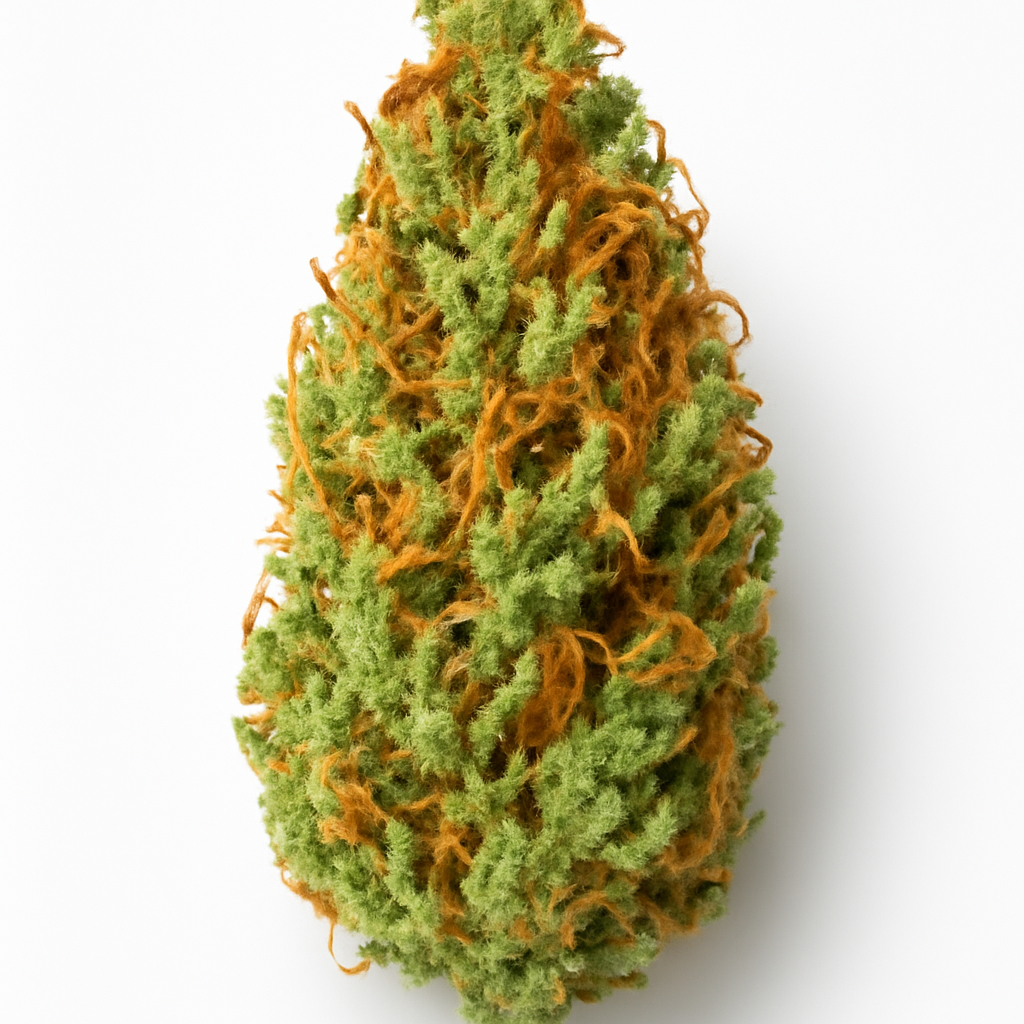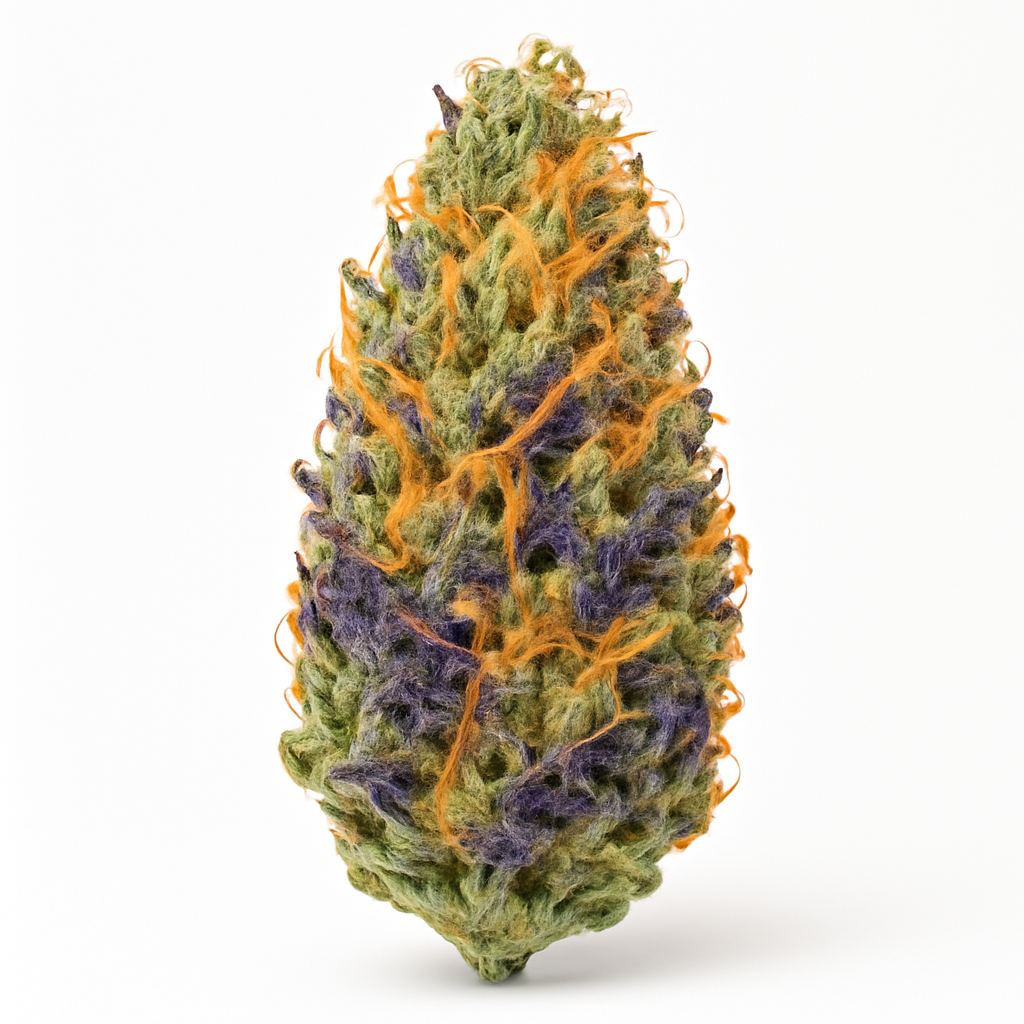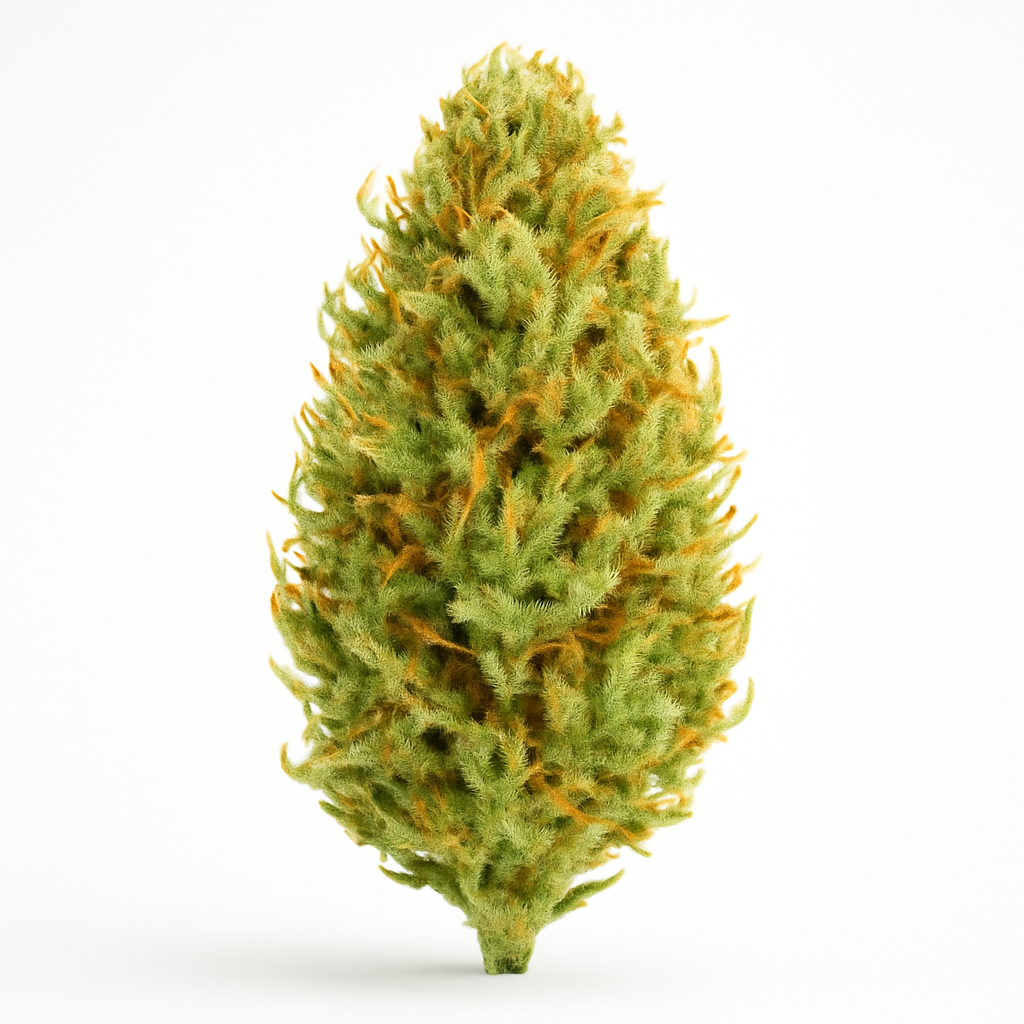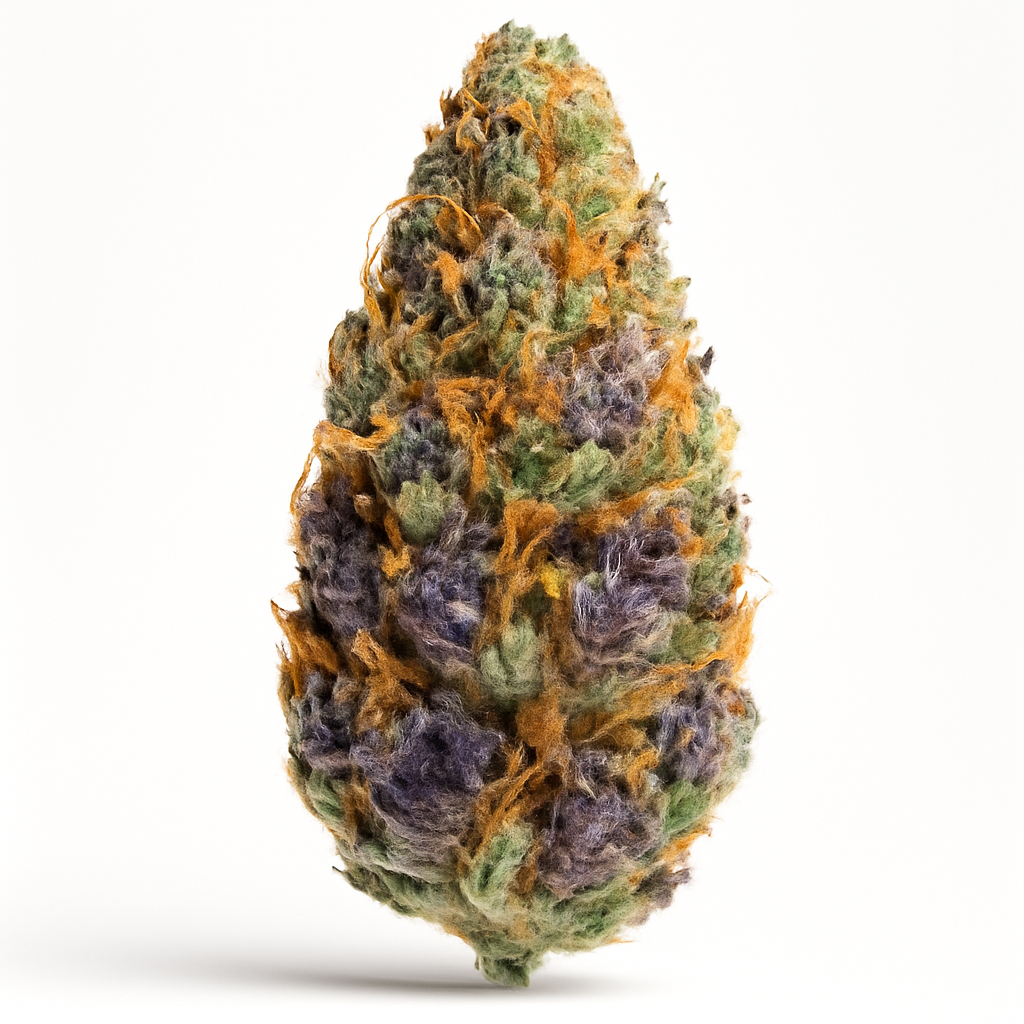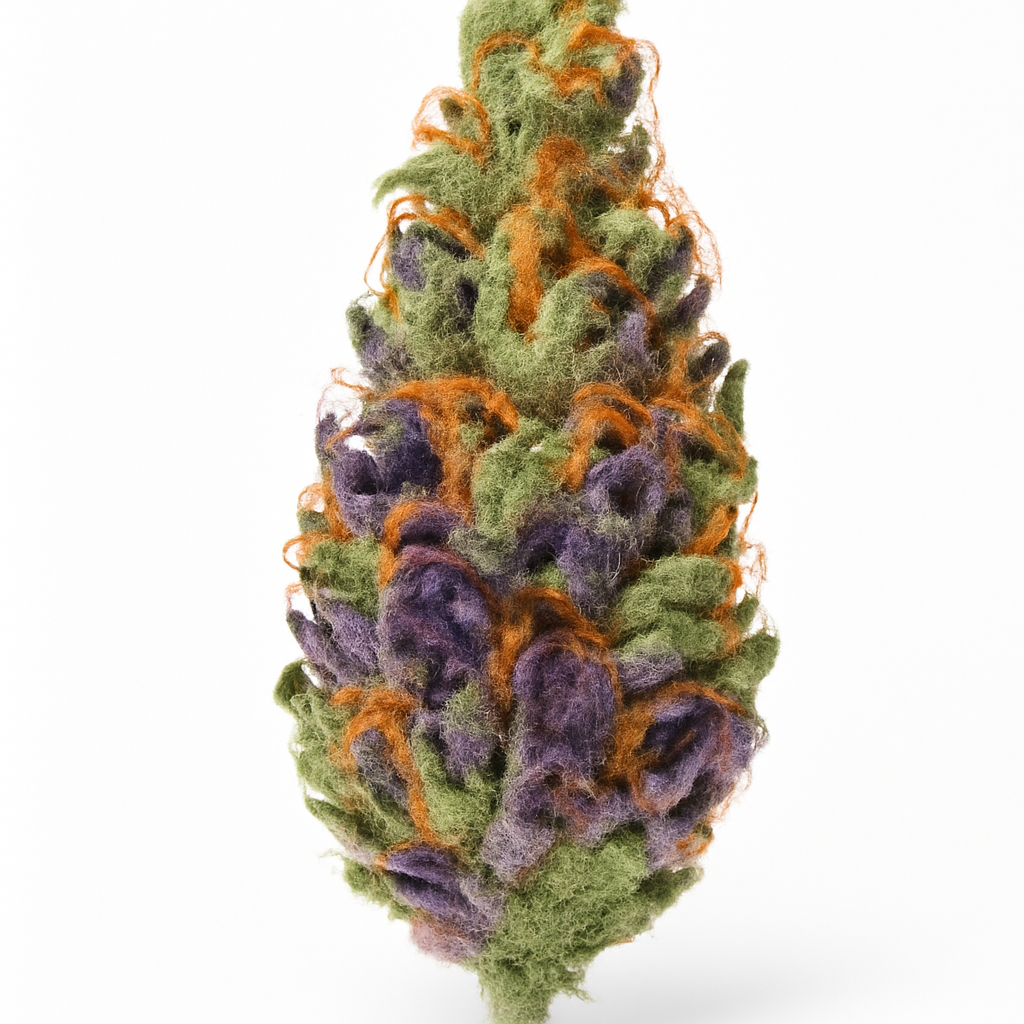
Representative image of Grapefruit
Grapefruit is a sativa cannabis strain with 19% THC. Users report feeling energetic. Flavors include grapefruit, citrus and sweet. Parent: Cinderella 99.
Grapefruit
Terpenes
Grapefruit Effects
Users commonly report feeling energetic, uplifted and more talkative after using Grapefruit. Those three descriptors point to a cerebral, sociable high that leans toward motivation and interaction instead of couch-lock. Given its sativa classification and the reported effect trio, expect a clear, forward-moving buzz that favors conversation, tasks that need a light creative spark, or social settings.
Grapefruit Flavors & Aroma
True to its name, Grapefruit delivers a bright citrus bouquet with noticeable grapefruit top notes and a sweet undercurrent. The overall palate balances tangy, zesty citrus with a hint of sweetness that smooths the sharper edges, so aroma and taste tend to feel fresh and lively rather than heavy or earthy.
Terpene Profile of Grapefruit
Grapefruit’s dominant terpenes are myrcene (herbal), caryophyllene (pepper) and pinene (pine). Myrcene contributes an herbal, slightly rounded base that can temper sharpness, while caryophyllene brings a peppery spice to the profile and may add a bolder, more defined mouthfeel. Pinene adds crisp pine notes and is frequently associated with clearer mental focus; together these terpenes help shape both the citrus-forward aroma and the strain’s alert, uplifted character through subtle entourage interactions.
What Does Grapefruit Help With?
Anecdotally, people reach for Grapefruit to manage stress, depression and anxiety symptoms-reports emphasize its uplifting and energizing qualities rather than heavy sedation. Because the experience trends toward sociability and positivity, users often opt for it when they want mood elevation or a mental boost during the day; these are reported uses rather than medical claims.
Grapefruit Side Effects & Negatives
Some users report dry eyes, dry mouth and occasional headaches after using Grapefruit. To reduce unwanted effects, try smaller doses at first, stay hydrated and take breaks between sessions; those prone to headaches may want to monitor dose and avoid overconsumption. If you’re sensitive to sativa-styled stimulation, start conservatively.
Grapefruit Genetics & Lineage
Grapefruit traces back to the Cinderella 99 lineage, and that parentage helps explain the strain’s bright, uplifting temperament. Cinderella 99 is known in many circles for clear, euphoric highs and a sativa-leaning energy, which maps neatly onto Grapefruit’s talkative, energetic profile and citrus-forward sensory character.
Is Grapefruit Indica or Sativa?
Grapefruit is classified as a sativa and that classification aligns with its reported effects: energizing, uplifting and social rather than sedating. Sativa strains typically favor daytime and active use, and Grapefruit follows that template with a cerebral, outward-moving profile.
Grapefruit FAQ
Is Grapefruit an indica or sativa?
Grapefruit is a sativa-dominant strain, associated with energizing and uplifting effects.
What does Grapefruit taste and smell like?
It features bright grapefruit and citrus notes with a sweet backing, giving a zesty, fresh aroma and flavor.
What effects can I expect from Grapefruit?
Users report feeling energetic, uplifted and more talkative-suitable for daytime or social settings.
What conditions do people use Grapefruit for?
Anecdotally people use Grapefruit to help manage stress, depression and anxiety by seeking an uplifting, mood-elevating effect.
Are there common side effects?
Reported negatives include dry eyes, dry mouth and occasional headaches; start with a low dose and stay hydrated to reduce these effects.