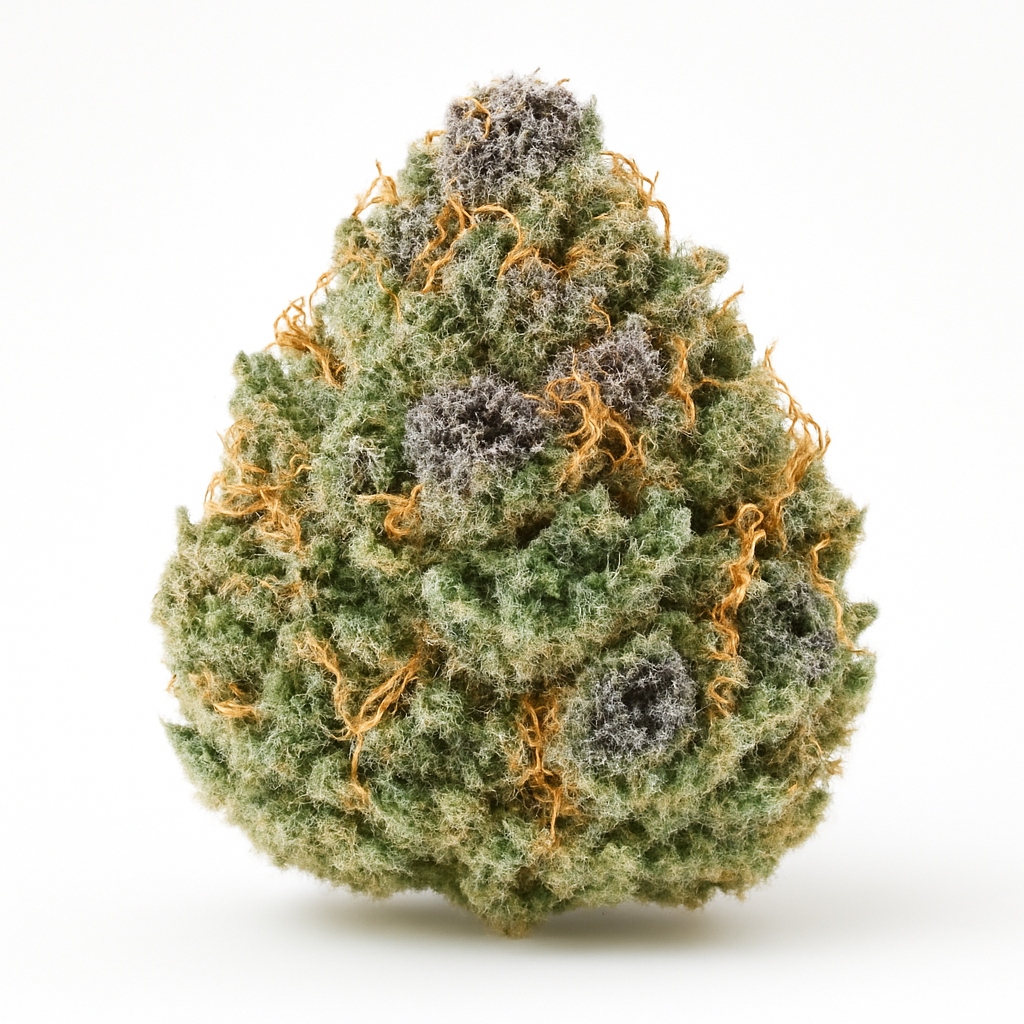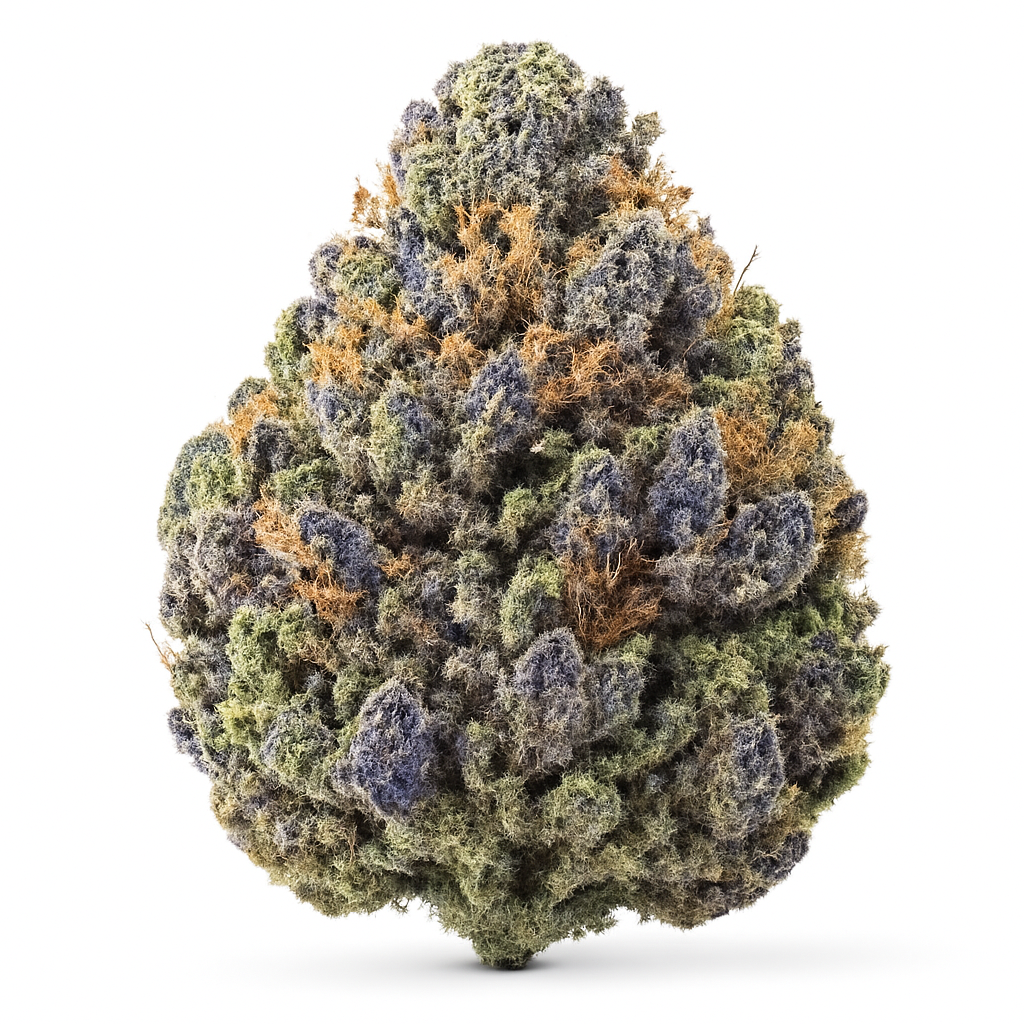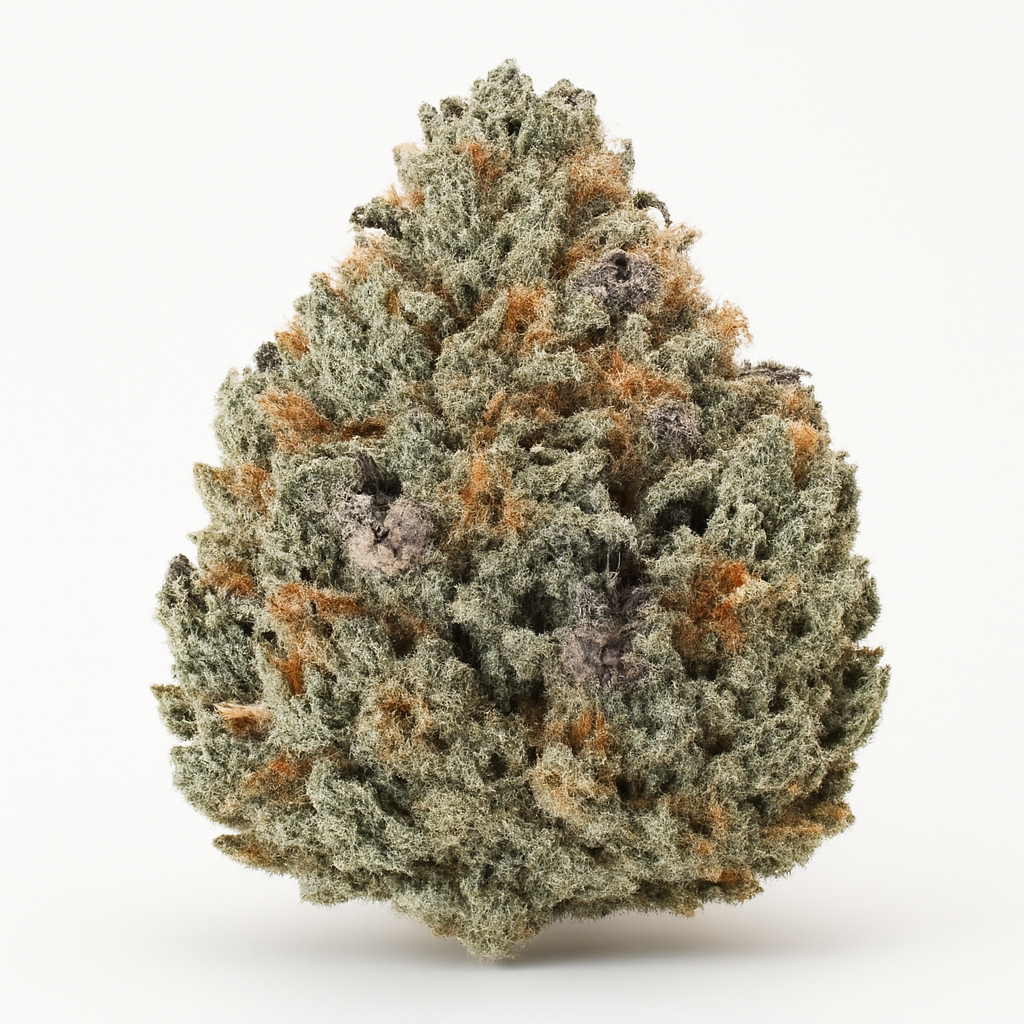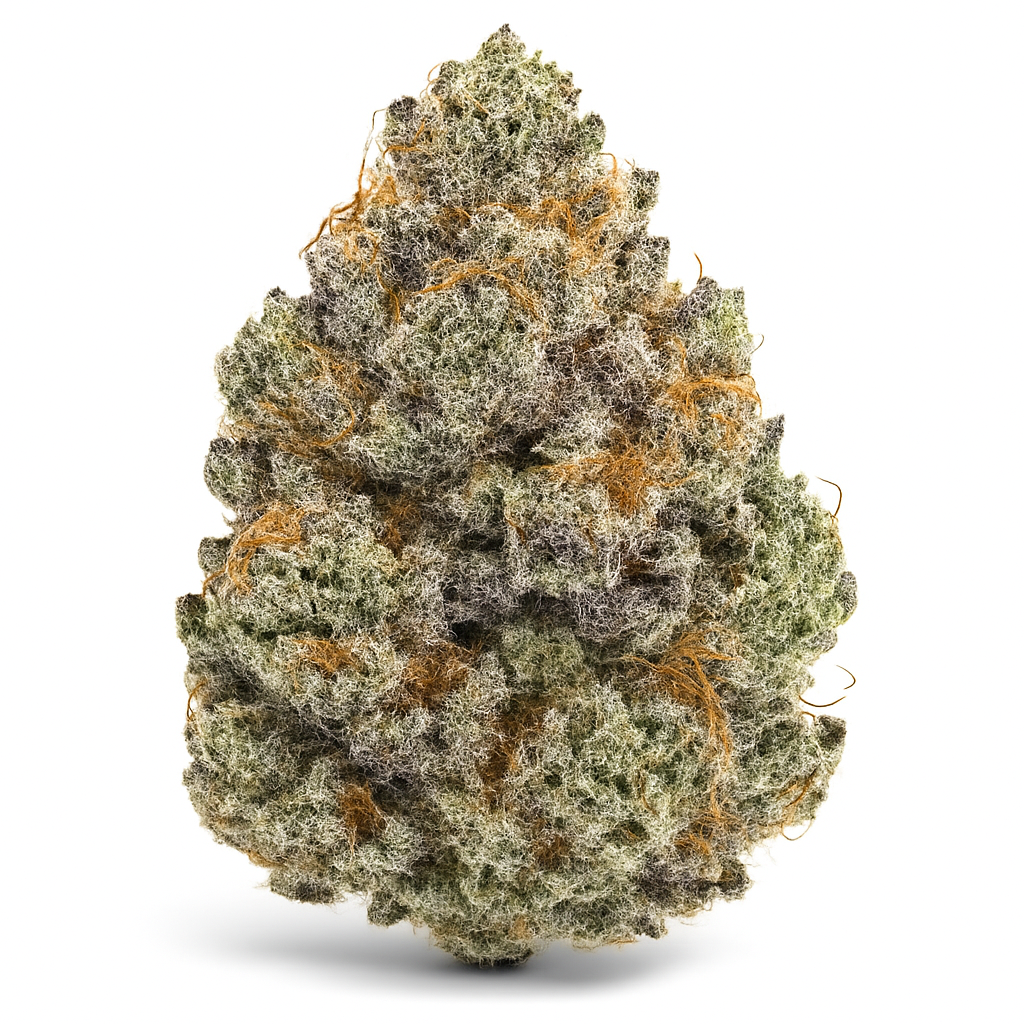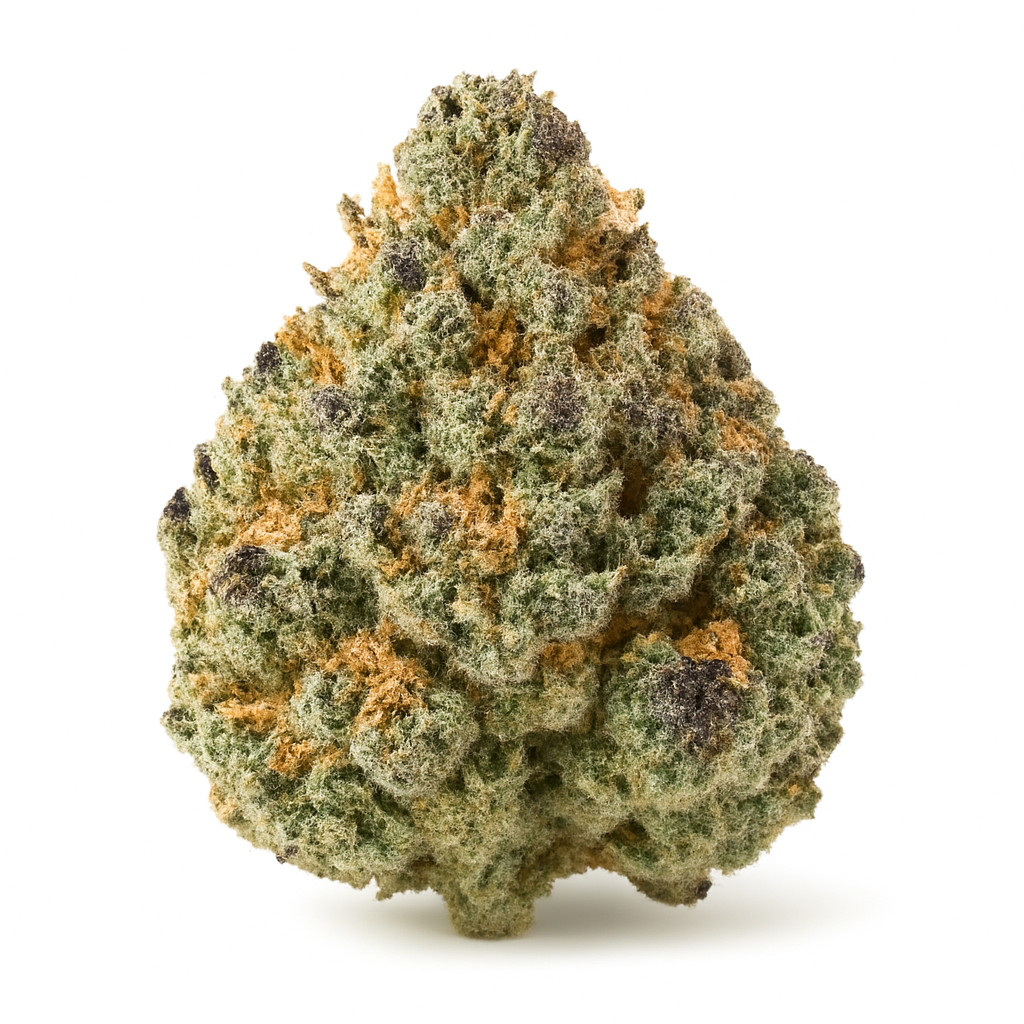
Representative image of Honeydew
Honeydew is a flavor-forward hybrid that leans toward a gentle, body-soothing profile with bright honeyed apricot notes. At 13% THC and 1% CBG it delivers a milder uplift than many modern strains, favoring relaxation over a hard cerebral hit.
What Is the Honeydew Strain?
Honeydew is a hybrid cannabis strain descended from Rose Petal, carrying a sweet, floral lineage into a balanced profile. Lab numbers show 13% THC and 1% CBG, positioning it as a lower-THC option that emphasizes aroma and approachable effects rather than brute strength.
Honeydew Effects
Users report a mix of hungry, euphoric and sleepy sensations - an experience that often begins with a gentle cerebral lift and appetite stimulation before settling into a calming physical comfort. Because the high is not overwhelmingly potent, the transition to sleepiness tends to feel gradual rather than abrupt, making Honeydew useful for winding down.
Honeydew Flavors & Aroma
Honeydew’s aroma and taste lean on honey, apricot and floral notes: expect a sweet, slightly fruity inhale with a soft floral undertone on the exhale. The scent profile is delicate rather than pungent, which makes it appealing to consumers who prefer subtle, dessert-like flavors over aggressive diesel or skunk notes.
Terpene Profile of Honeydew
The dominant terpenes are myrcene (herbal), pinene (pine) and caryophyllene (pepper). Myrcene contributes herbal, slightly musky sweetness and is commonly associated with relaxation; pinene adds a bright piney lift that can help the bouquet feel fresher; caryophyllene brings a spicy, peppered edge and may give the smoke some structural bite. Together these terpenes support a mellow, aromatic experience with both soothing and clarifying elements.
What Does Honeydew Help With?
Anecdotally, people reach for Honeydew to ease stress, anxiety and low mood - users report its soothing combination of euphoria and relaxation can help quiet an overactive mind. These reports are experiential rather than clinical, but the strain’s gentler potency and calming terpene mix make it a go-to when someone wants a milder, mood-lifting session.
Honeydew Side Effects & Negatives
Reported downsides include occasional paranoia and the usual dry mouth and dry eyes. To minimize risk of an anxious turn, start with a low dose and use in a comfortable environment; staying hydrated and having eye drops on hand will reduce the most common nuisances.
Honeydew Genetics & Lineage
Honeydew traces back to Rose Petal, and that lineage shows in its floral-sweet character - the honey and apricot notes feel inherited rather than tacked on. The parentage helps explain why Honeydew favors aroma and a gentle effect profile instead of aggressive potency or resin-heavy structure.
Honeydew THC & CBG Content
At 13% THC Honeydew sits well below the typical 20% average seen in our catalog, so its intoxicating effects are comparatively mild. The 1% CBG is a small but notable presence that contributes to the overall cannabinoid mix; overall this makes Honeydew easier to dose for newcomers and for anyone preferring a lower-THC session.
Is Honeydew Indica or Sativa?
Classified as a hybrid, Honeydew blends traits from both sides of the cannabis family tree, delivering a middle-ground experience that can combine light cerebral uplift with physical relaxation. Without a stated indica/sativa split, expect balanced effects rather than an extreme lean toward couchlock or hyperactivity.
Who Is Honeydew Best For?
Honeydew is best suited to evening or late-afternoon use when you want to unwind, enjoy snackable euphoria, and drift toward sleep without an intense head high. Its lower THC makes it accessible to newer consumers, though those prone to anxiety should sample a small amount first. For optimal results, consume slowly, hydrate, and choose relaxing activities like watching a movie or listening to mellow music.
Our Take on Honeydew
We appreciate Honeydew for what it aims to be: a flavor-forward, approachable hybrid that values aroma and a gentle, pleasant high over raw potency. Its 13% THC and 1% CBG profile, paired with myrcene, pinene and caryophyllene, produces a soothing, slightly euphoric experience that earned a solid 4.4/5 from 24 ratings - enough consensus to recommend it confidently to people seeking mellow relaxation. If you want heavy-hitting THC or a highly stimulating sativa, look elsewhere; if you prefer sweet, floral flavors and a lower-THC unwind, Honeydew is worth trying.
Honeydew FAQ
What kind of strain is Honeydew?
Honeydew is a hybrid strain descended from Rose Petal, offering a balanced profile with floral, honeyed qualities.
How strong is Honeydew in THC?
Honeydew tests at 13% THC, which is lower than the typical catalog average of about 20%.
What does Honeydew taste and smell like?
It carries honey and apricot flavors with floral notes, presenting a sweet, delicate aroma rather than a heavy skunk or diesel profile.
What effects can I expect from Honeydew?
Users report feeling euphoric, hungry and eventually sleepy, with a gentle uplift that moves toward relaxation.
Will Honeydew help with stress or anxiety?
Anecdotally, people use Honeydew to help with stress, anxiety and low mood, but these are reported effects rather than medical claims.