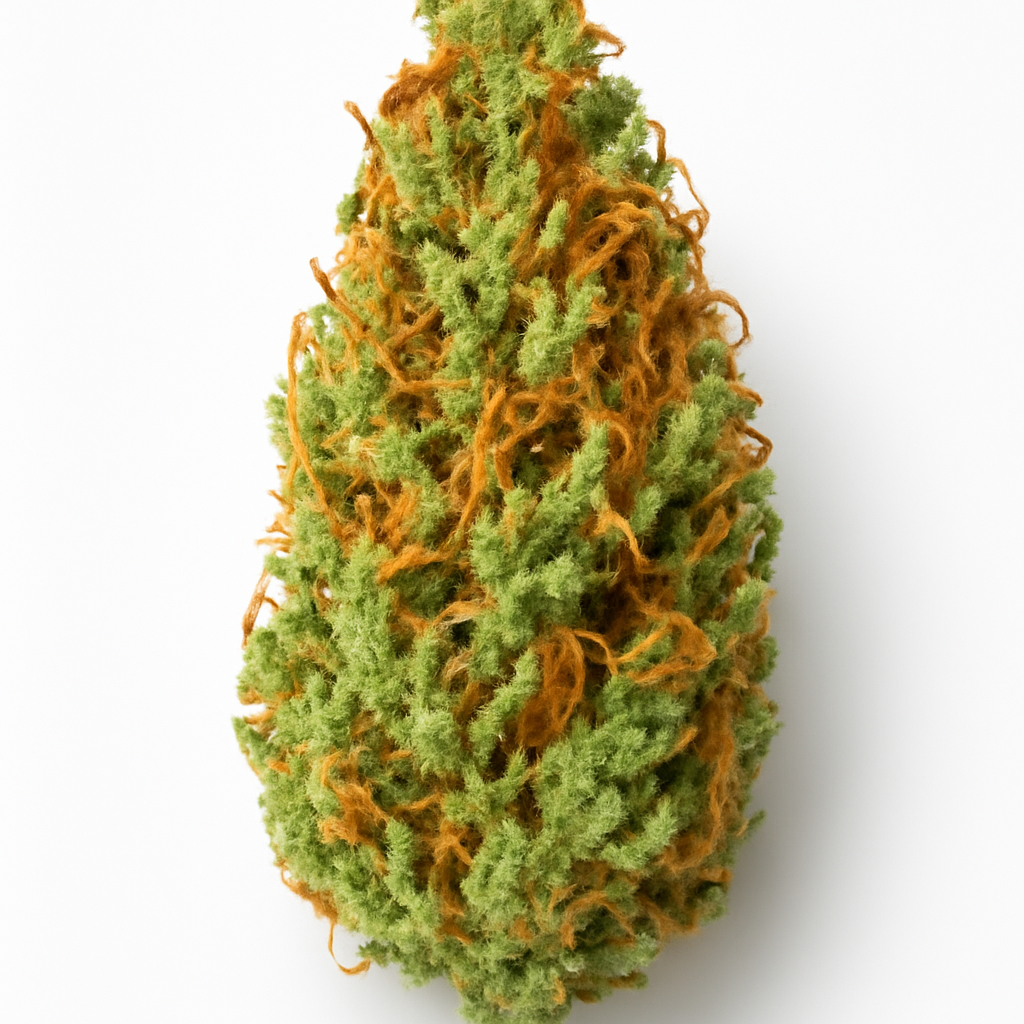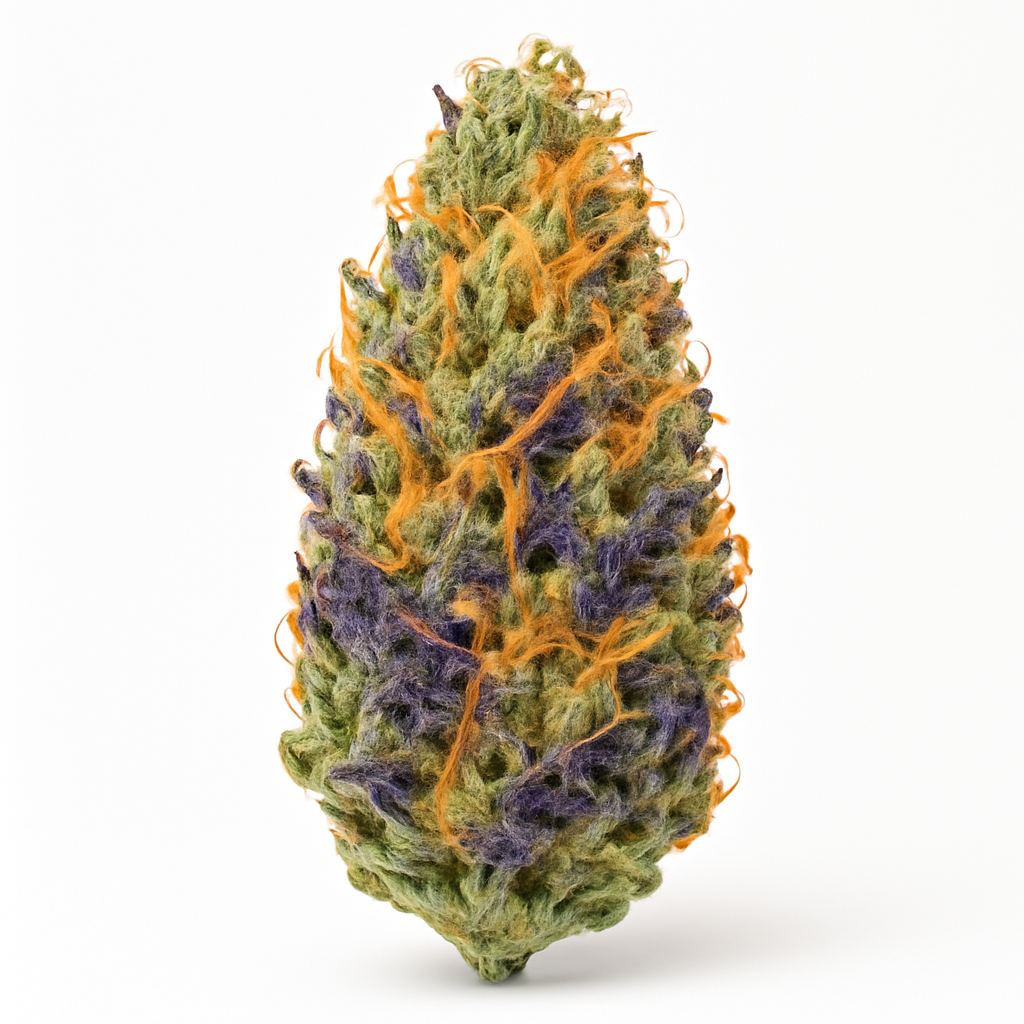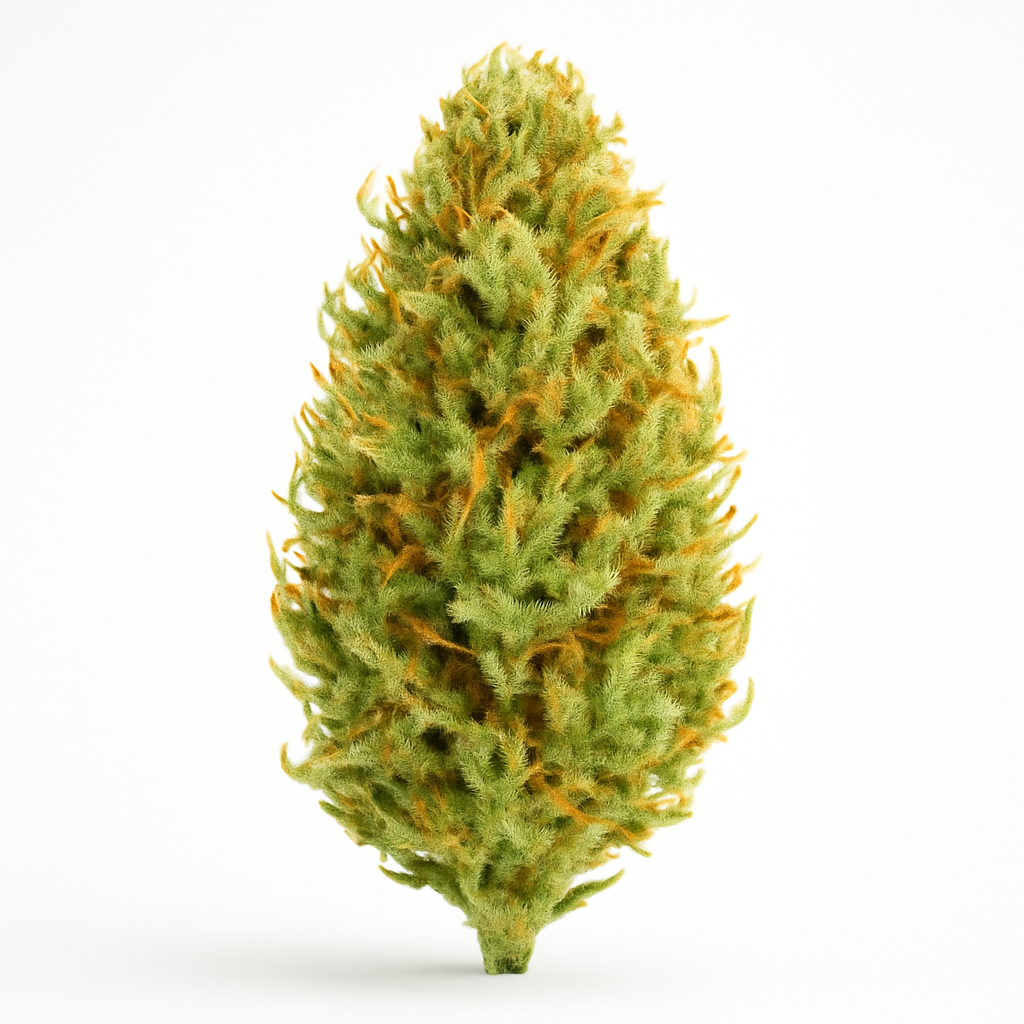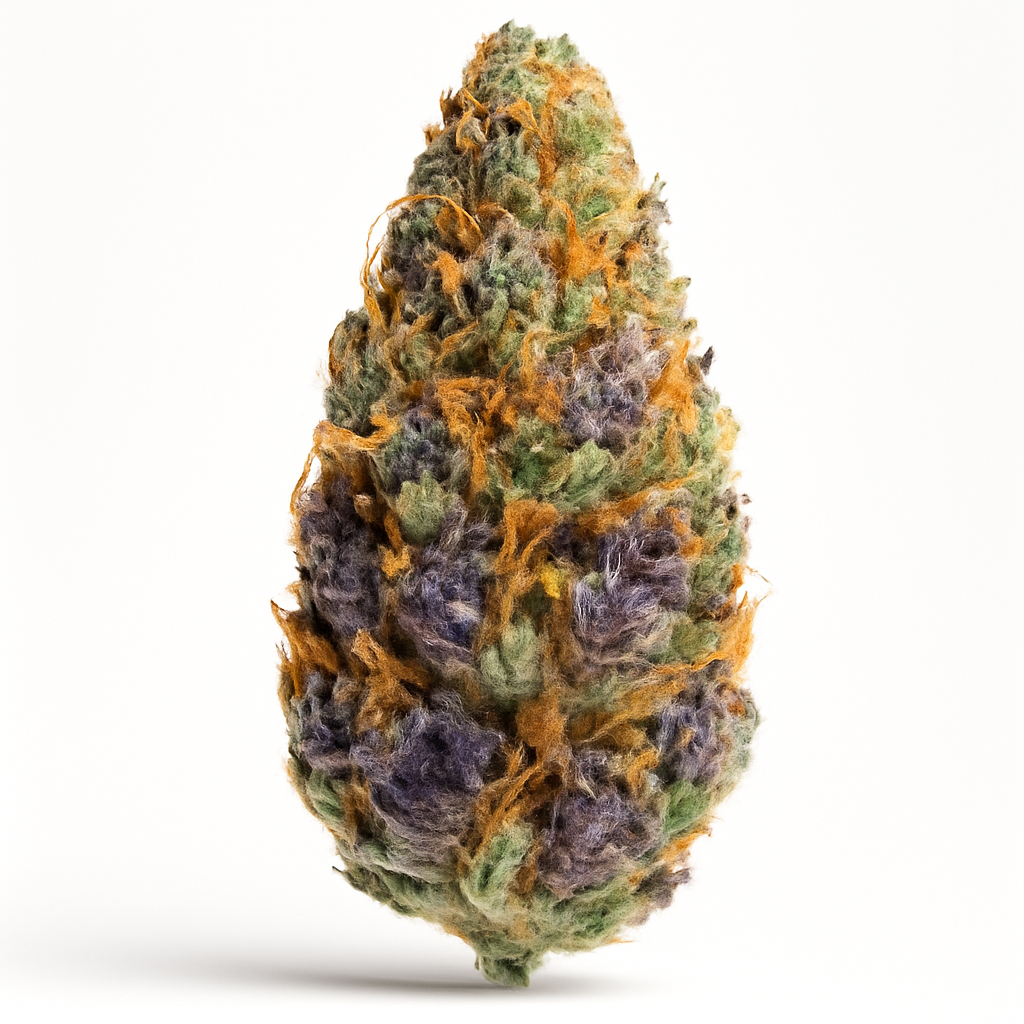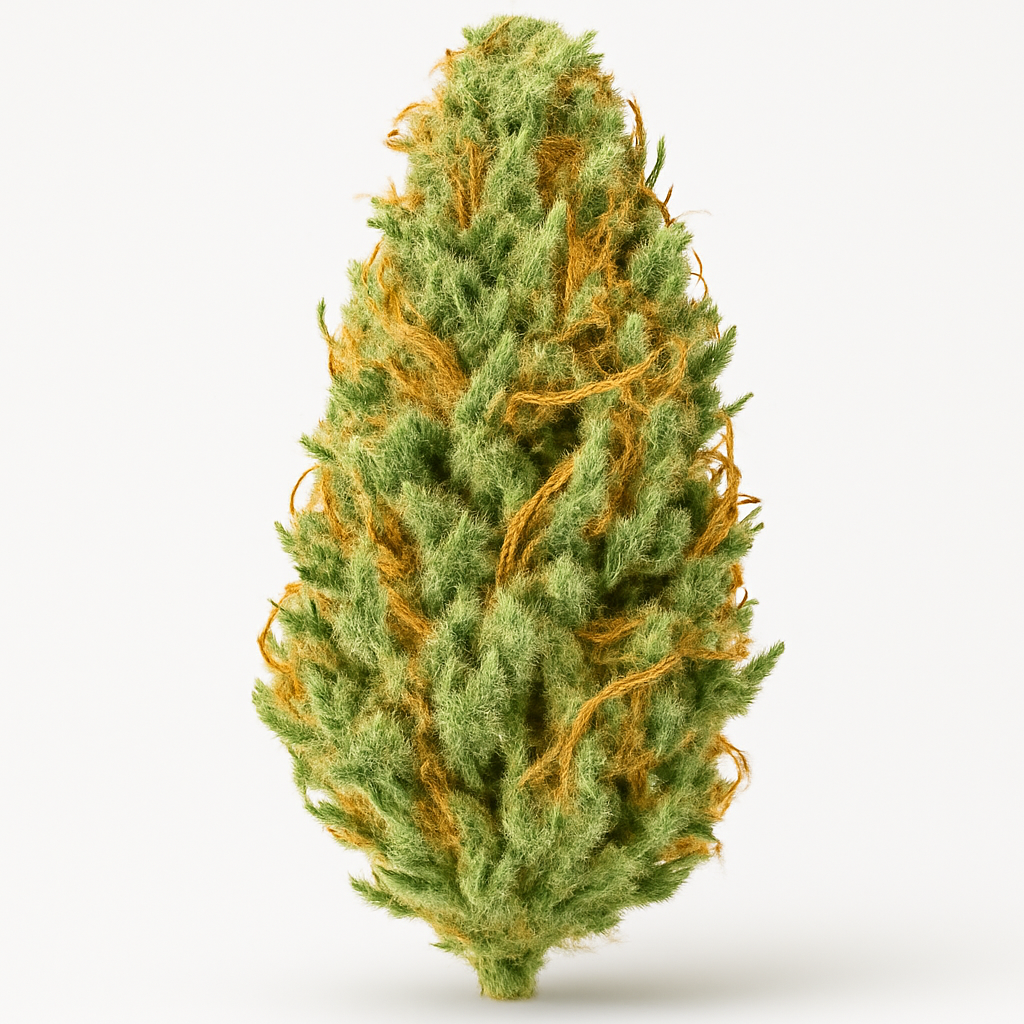
Representative image of Laughing Buddha
Laughing Buddha is a sativa cannabis strain with 22% THC. Users report feeling giggly, energetic and uplifted. Flavors include spicy/herbal, sage and tea.
Laughing Buddha
Also known as buddha
Terpenes
What Is the Laughing Buddha Strain?
Laughing Buddha is a sativa strain (also listed as “buddha”) bred from Thai and Jamaican parents and carrying a headline THC of 22% with 2% CBG. That combination places it in the energetic, cerebral corner of the catalog and signals a strain built for wakeful, social sessions rather than heavy couch-lock.
Laughing Buddha Effects
Users report Laughing Buddha produces giggly, energetic, and uplifted effects-think buoyant mental energy that encourages conversation and creativity. Because the subjective profile leans toward elevation and sociability, expect a cerebral ride that’s more about lightness and motivation than sedation.
Laughing Buddha Flavors & Aroma
The flavor profile leans herbal and spicy with sage and tea-like notes, finished by a subtle warmth rather than sweet fruit. That herbal backbone gives the smoke a clean, grounded character while the sage and tea impressions create an almost botanical, refreshing aftertaste.
Terpene Profile of Laughing Buddha
Laughing Buddha’s terpene trio-myrcene (herbal), caryophyllene (pepper), and limonene (citrus)-maps neatly onto its aroma and effects. Myrcene supplies the herbal, smoothing base; caryophyllene adds a peppery, spicy sharpness; and limonene brings citrus lift that pairs with the strain’s reported upbeat mood. Together these terpenes likely shape both aroma and the subjective balance between brightness and grounded spice.
What Does Laughing Buddha Help With?
Anecdotal reports list Laughing Buddha as helpful for depression, stress, and anxiety, driven by its uplifting and energetic character. Users seeking a mood boost or a temporary break from low mood or tension often pick this strain, though everyone’s response varies and these are reported, not clinical, effects.
Laughing Buddha Side Effects & Negatives
On the downside, some users report paranoia, increased anxiety, and dry eyes after using Laughing Buddha. Because it runs slightly stronger than the typical catalog strain and leans cerebral, cautious dosing-especially for people prone to anxiety-is sensible to reduce the chance of unpleasant effects.
Laughing Buddha Genetics & Lineage
The parentage of Thai and Jamaican points to classic tropical sativa roots, which help explain Laughing Buddha’s buoyant, energetic demeanor. Those ancestors contribute a sun-soaked, lively lineage that favors cerebral uplift and social energy rather than heavy physical sedation.
Laughing Buddha THC & CBG Content
At 22% THC, Laughing Buddha sits a bit above the catalog average (~20% THC), so its psychoactive impact is likely noticeable but not extreme. The 2% CBG is present as a minor cannabinoid and contributes to the overall cannabinoid profile; together these numbers suggest starting with a modest dose if you’re sensitive to THC.
Is Laughing Buddha Indica or Sativa?
As a sativa, Laughing Buddha typically promotes cerebral stimulation and an uplifted, active mindset rather than deep body relaxation. Expect effects that favor daytime activity, creativity, and social situations more than nighttime sedation.
Who Is Laughing Buddha Best For?
Laughing Buddha is best for daytime use, creative work, socializing, or any activity that benefits from a light, energetic lift. Because it’s moderately above average in THC and can provoke anxiety in sensitive users, it’s a better fit for people comfortable with sativas or those willing to microdose; beginners should start low and go slow and keep hydration handy for dry eyes.
Our Take on Laughing Buddha
We like Laughing Buddha for what it does best: brightening the mood and getting people laughing without dragging them down. Its 22% THC and limonene-led terpene profile back up the reported uplift and giggly energy, while the Thai/Jamaican lineage explains the tropical, active character. With a strong 4.5/5 from 264 reviews, confidence in its quality is high, but the reported risks-paranoia and anxiousness for some-mean it isn’t ideal for anyone prone to THC-induced anxiety. In short, if you want a social, creative sativa and can handle a slightly above-average THC punch, Laughing Buddha is a solid pick; if you’re THC-sensitive or seeking relaxation, look elsewhere.
Laughing Buddha FAQ
What kind of strain is Laughing Buddha?
Laughing Buddha is a sativa, also known as "buddha," with energetic, uplifting effects.
How strong is Laughing Buddha?
It has 22% THC, slightly above the catalog average of about 20%, and contains 2% CBG.
What effects can I expect from Laughing Buddha?
Users report giggly, energetic, and uplifted effects-an upbeat, cerebral experience suited to daytime activities.
What flavors and aromas does Laughing Buddha have?
The profile is spicy and herbal with sage and tea notes, carrying a peppery edge and citrus brightness from its terpene mix.
What conditions do people report it helps with?
Anecdotally, people reach for Laughing Buddha for depression, stress, and anxiety relief, though these are reported effects, not medical claims.
Are there any common side effects?
Reported negatives include paranoia, anxiousness, and dry eyes; starting with a low dose is advised for sensitive users.