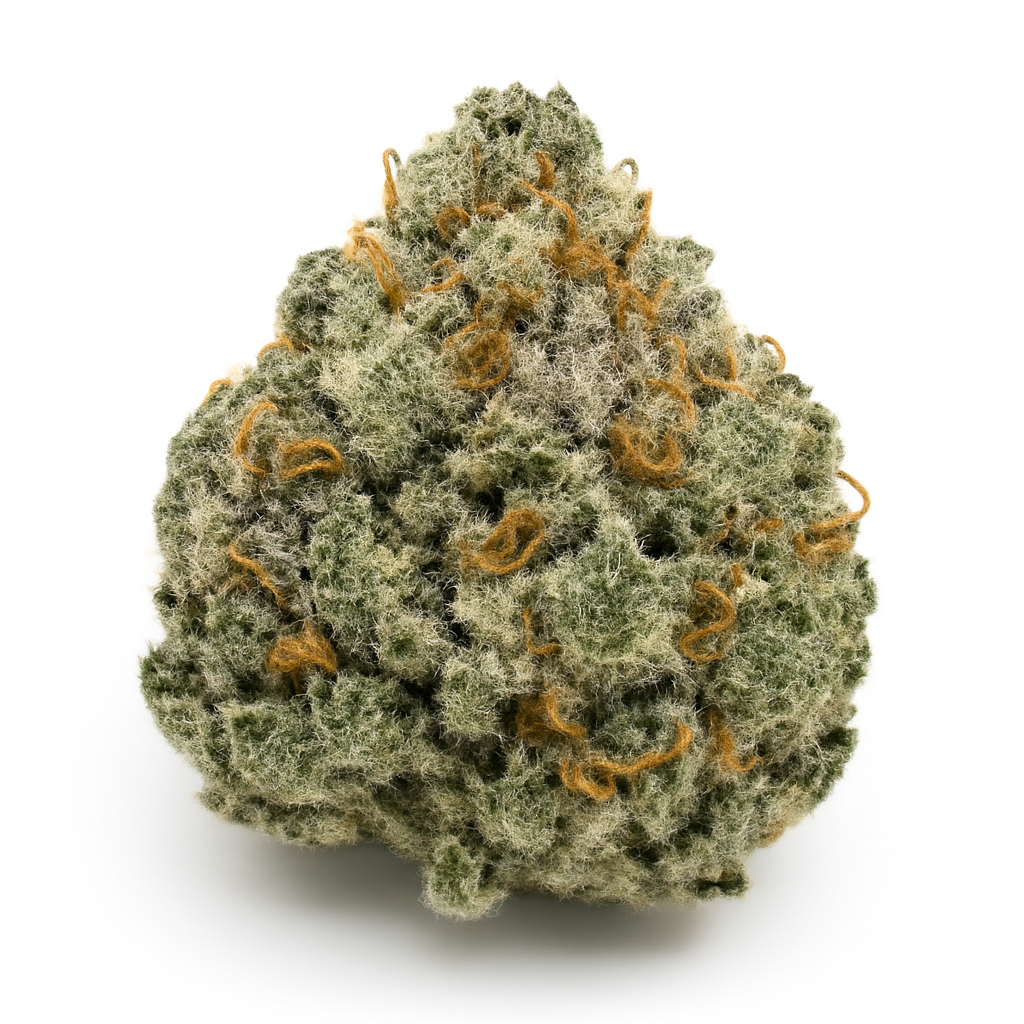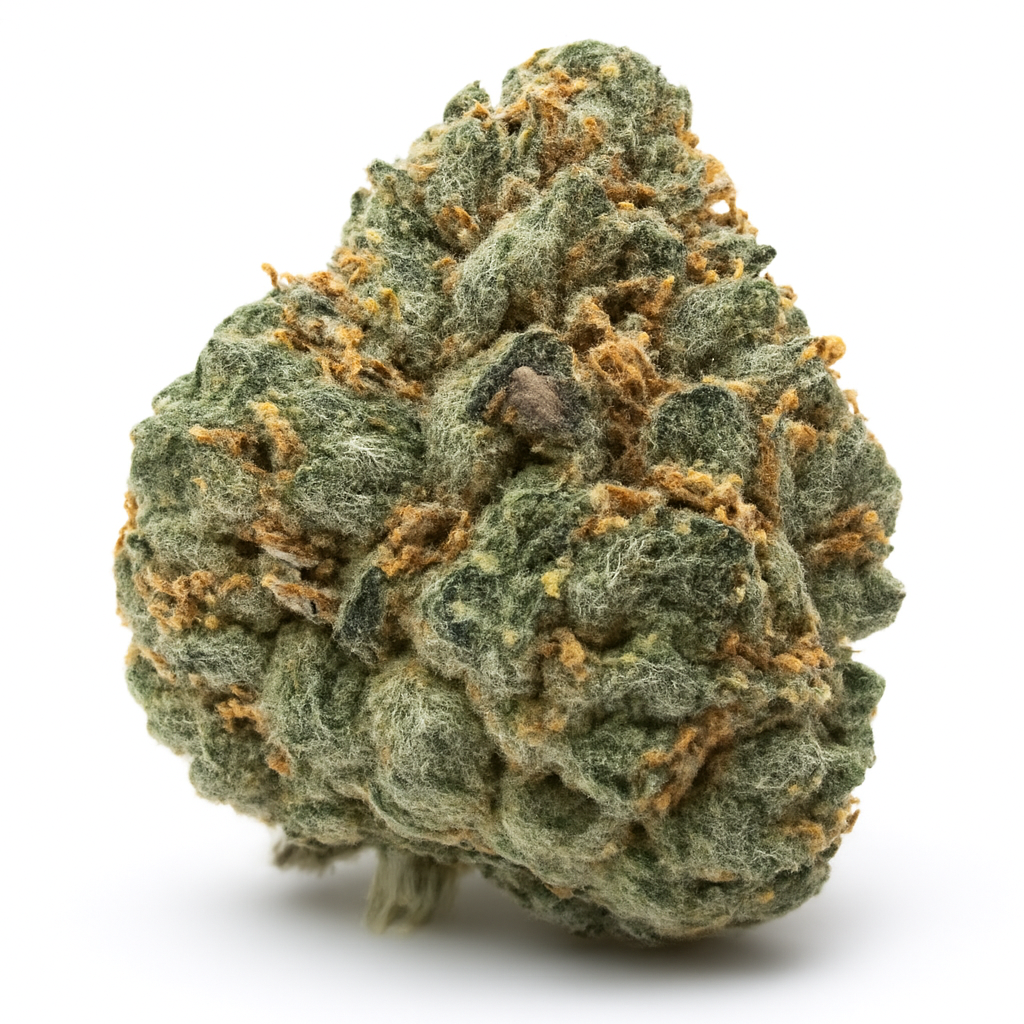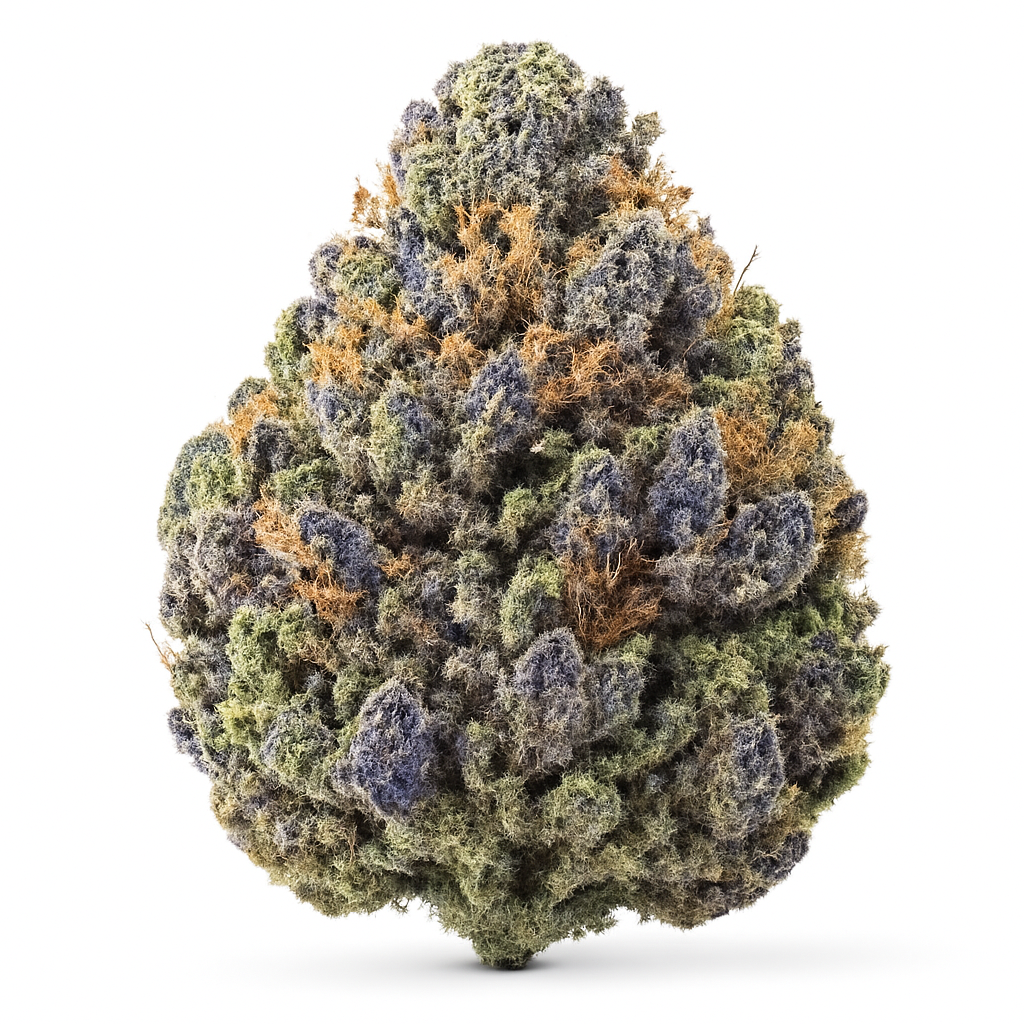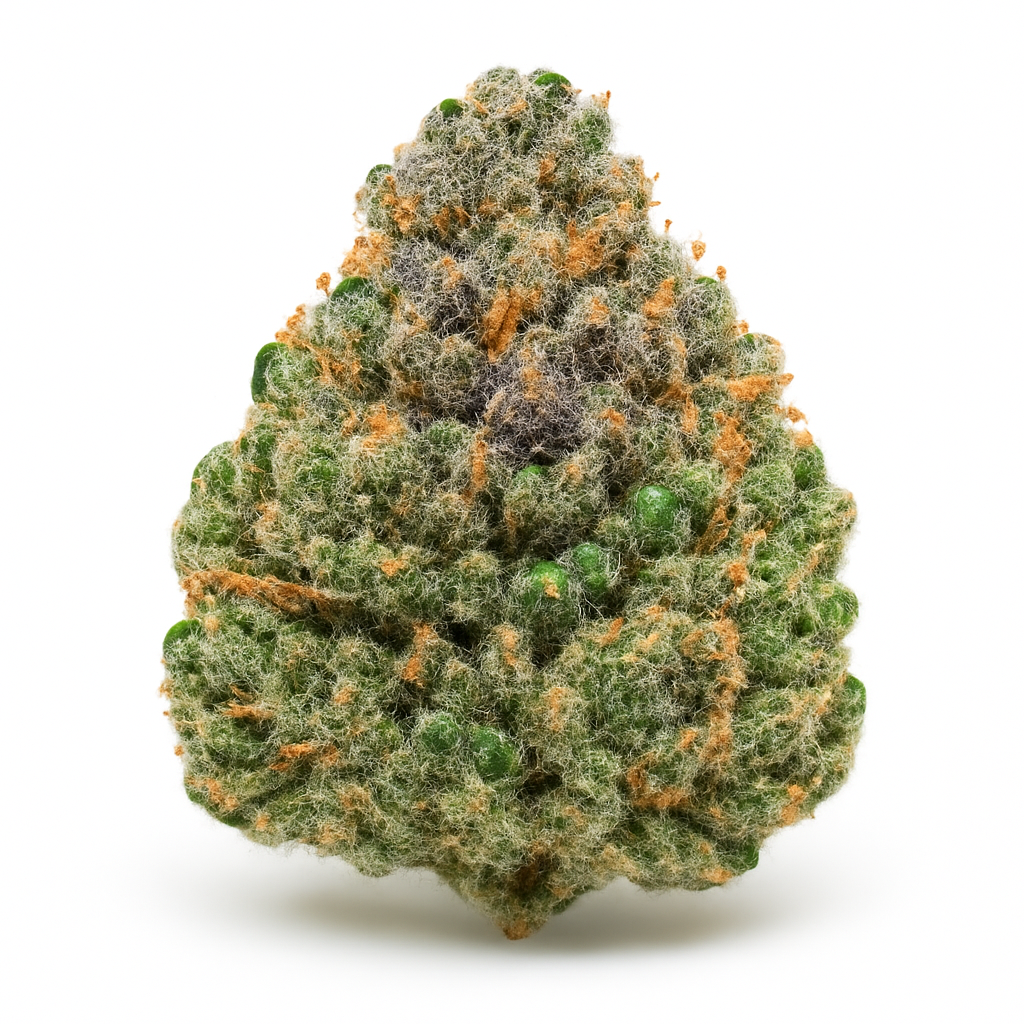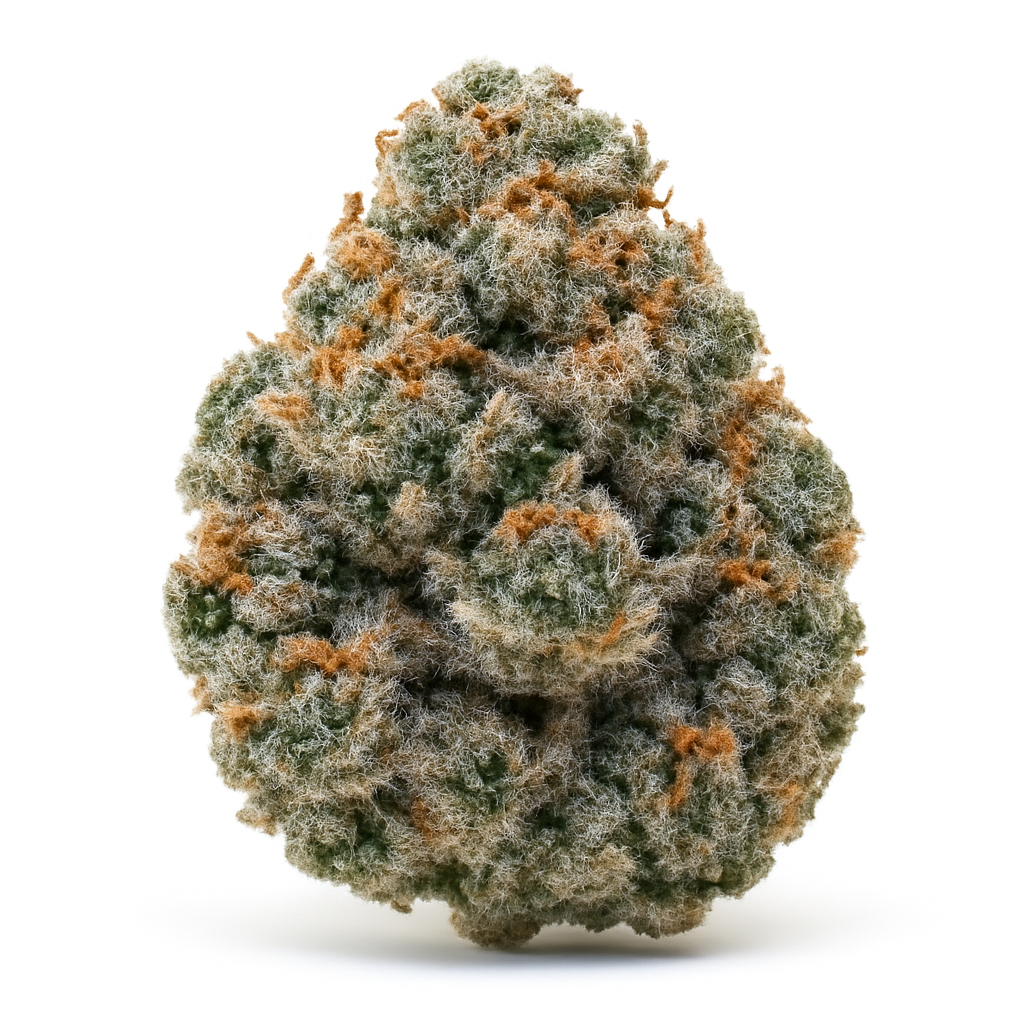
Representative image of Lemon Tree
Lemon Tree, sometimes sold as Lemon Tree Kush, is a hybrid that blends citrus brightness with a fuel-forward backbone. With 17% THC and 1% CBG, it delivers a balanced, approachable high that many users describe as happy, relaxed, and energetic.
What Is the Lemon Tree Strain?
Lemon Tree is a hybrid cannabis strain that carries the alternative name Lemon Tree Kush and tests at 17% THC with 1% CBG. It traces its genetics to Sour Diesel and Lemon Skunk, combining fuel-forward and citrus-forward lineage into a strain that sits squarely in the hybrid category.
Lemon Tree Effects
Reported effects for Lemon Tree include feelings of happiness, relaxation, and bursts of energy. Users often describe an initial uplift that brightens mood and focus, followed by a gentle physical ease rather than heavy sedation - a profile that explains why many find it suitable for both light activity and chill downtime.
Lemon Tree Flavors & Aroma
The flavor profile leans strongly into lemon and citrus zest, with a pronounced diesel undertone that gives it bite. Expect a bright, tangy inhale with a savory, almost fuel-like exhale; peppery edges from its spice-related terpenes can round out the finish.
Terpene Profile of Lemon Tree
Lemon Tree’s dominant terpenes are myrcene (herbal), pinene (pine), and caryophyllene (pepper). Myrcene often brings herbal, slightly earthy notes that smooth out the high, pinene contributes fresh pine and can sharpen the sensory edge, and caryophyllene adds a peppery spice that complements the strain’s diesel character while interacting with cannabinoids to shape the overall experience.
What Does Lemon Tree Help With?
Anecdotally, people reach for Lemon Tree to manage symptoms of anxiety, stress, and depression. Its uplifting and relaxed mix makes it a common choice for those seeking a mood boost with some calming body effects, though individual responses vary and results are reported rather than guaranteed.
Lemon Tree Side Effects & Negatives
Some users report feeling anxious, dizzy, or experiencing headaches after using Lemon Tree. Because reactions can vary, start with a low dose and move up slowly; if you feel lightheaded, sit or lie down and hydrate. Those who are sensitive to anxiety-inducing strains should approach cautiously.
Lemon Tree Genetics & Lineage
The Sour Diesel parent contributes the strain’s diesel, pungent backbone and sativa-leaning lift, while Lemon Skunk supplies the sharp citrus and zesty lemon rind notes. Together they create a hybrid that marries energetic, fuel-driven highs with bright, citrus aromatics.
Lemon Tree THC & CBG Content
At 17% THC, Lemon Tree is slightly below the catalog average of roughly 20% THC, making it modestly less potent than many contemporary offerings. That level is still significant enough to affect experienced users, but it also makes the strain more approachable for those who prefer not to chase very high THC numbers. The 1% CBG is a minor cannabinoid present at a low but measurable level that may subtly influence the overall effect.
Is Lemon Tree Indica or Sativa?
As a hybrid, Lemon Tree blends elements typically associated with both indica and sativa. Expect a mixed experience: cerebral uplift and energy tempered by physical relaxation, rather than the extreme sleepiness of an indica or the purely heady buzz of a sativa.
Who Is Lemon Tree Best For?
Lemon Tree is well suited to daytime or early evening use when you want a mood lift without being knocked out - think social hangouts, creative tasks, or relaxed outdoor activities. Because its THC is slightly below average, it’s a reasonable choice for moderate consumers, but those prone to anxiety should either use very small doses or steer clear. Start low, go slow, and choose a calm environment if you’re trying it for the first time.
Our Take on Lemon Tree
We appreciate Lemon Tree for its clear citrus-diesel personality and its approachable potency. The combination of happy, relaxed, and energetic effects-backed by a solid 4.5/5 rating from 153 reviewers-makes it a reliable hybrid for people who want mood elevation without extreme intensity. The trade-offs are real: a minority report anxiety, dizziness, or headaches, so cautious dosing is wise. In short, we’d recommend Lemon Tree to fans of bright, citrusy hybrids who want something lively but not overpowering; anyone with sensitivity to anxiety or strong THC effects should consider lower-dose alternatives.
Lemon Tree FAQ
What is Lemon Tree?
Lemon Tree is a hybrid cannabis strain also known as Lemon Tree Kush, bred from Sour Diesel and Lemon Skunk, with 17% THC and 1% CBG.
What effects can I expect from Lemon Tree?
Users report feeling happy, relaxed, and energetic-an initial uplift with gentle physical ease rather than heavy sedation.
How strong is Lemon Tree compared to other strains?
At 17% THC, Lemon Tree is slightly less potent than the typical catalog average of about 20% THC, making it more approachable for moderate users.
What does Lemon Tree taste like?
It offers bright lemon and citrus notes with a diesel undertone and a peppery finish from its spice-forward terpenes.
What terpenes are in Lemon Tree and what do they do?
The dominant terpenes are myrcene (herbal), pinene (pine), and caryophyllene (pepper), which shape its aroma and help modulate the overall experience.
Are there any side effects I should watch for?
Reported negatives include anxiety, dizziness, and headaches; start with a low dose and increase slowly to reduce risk.