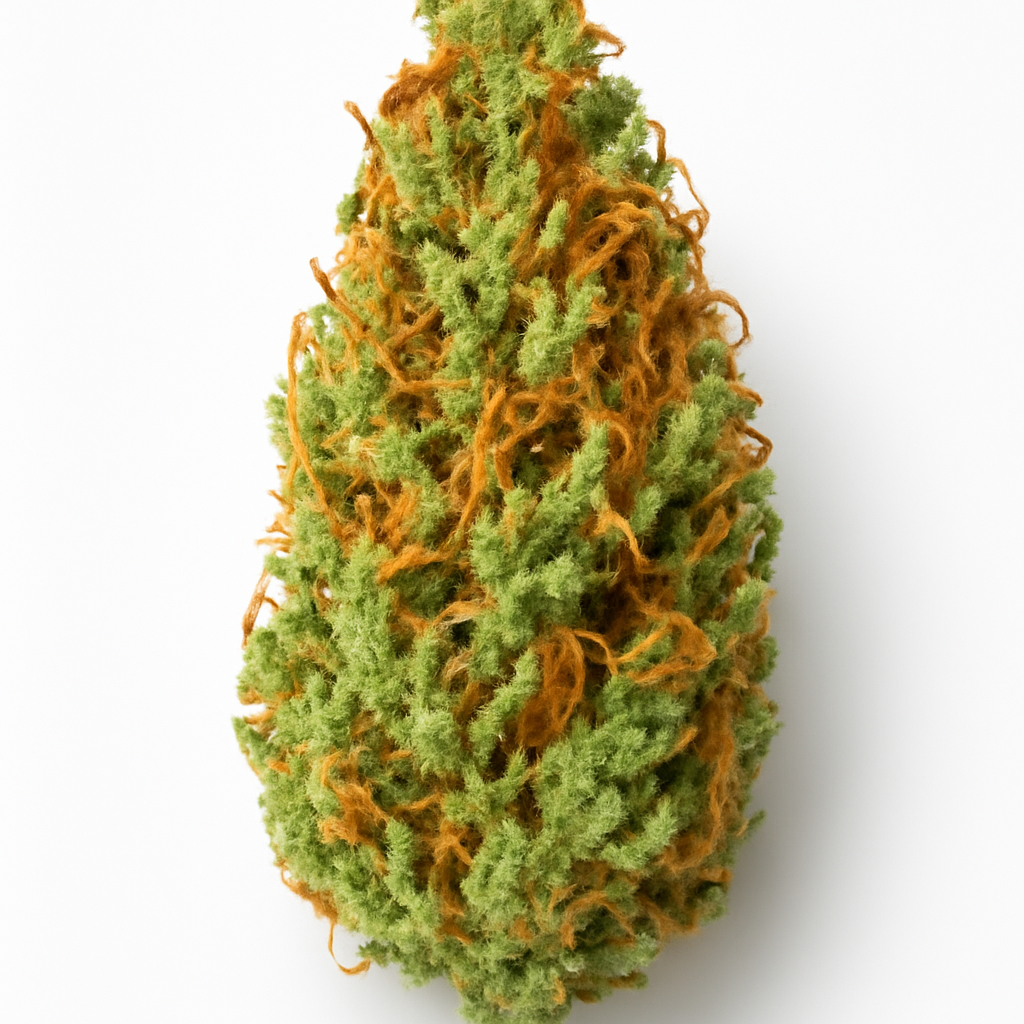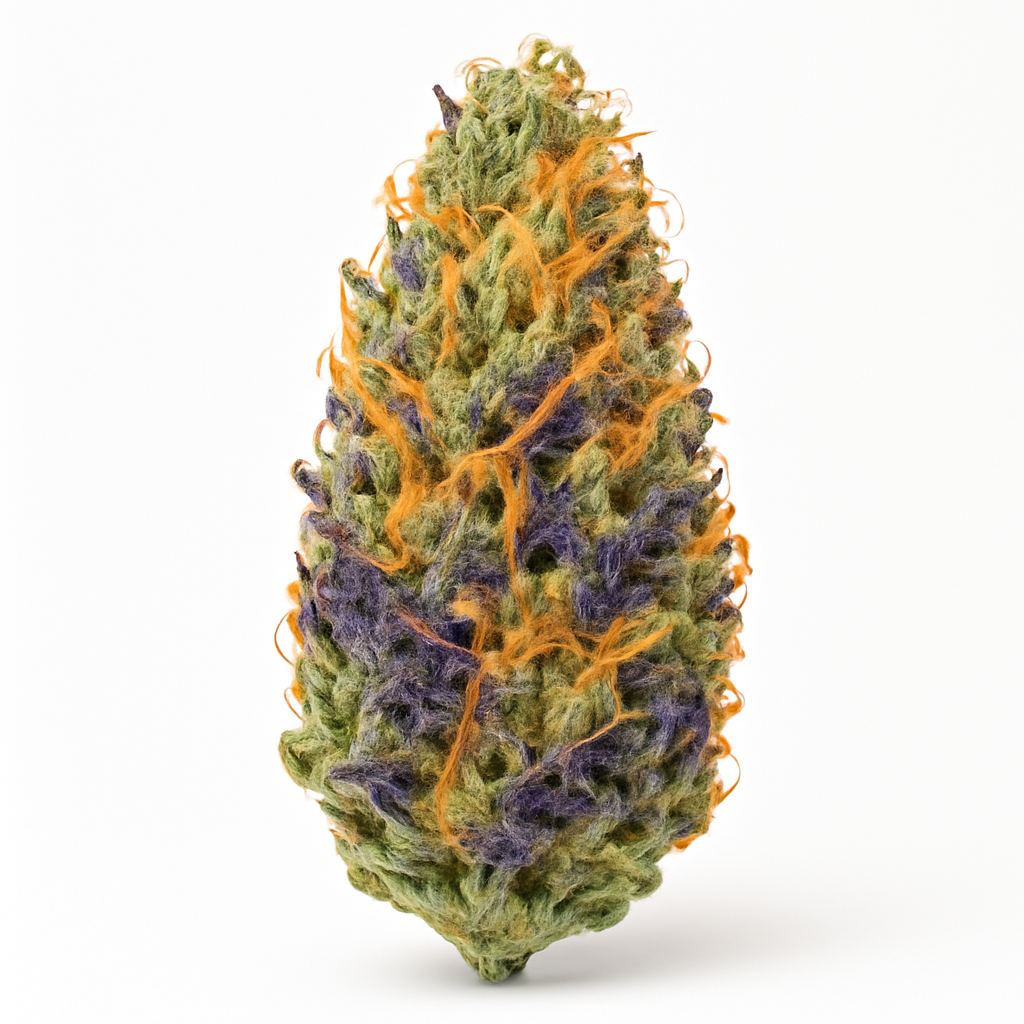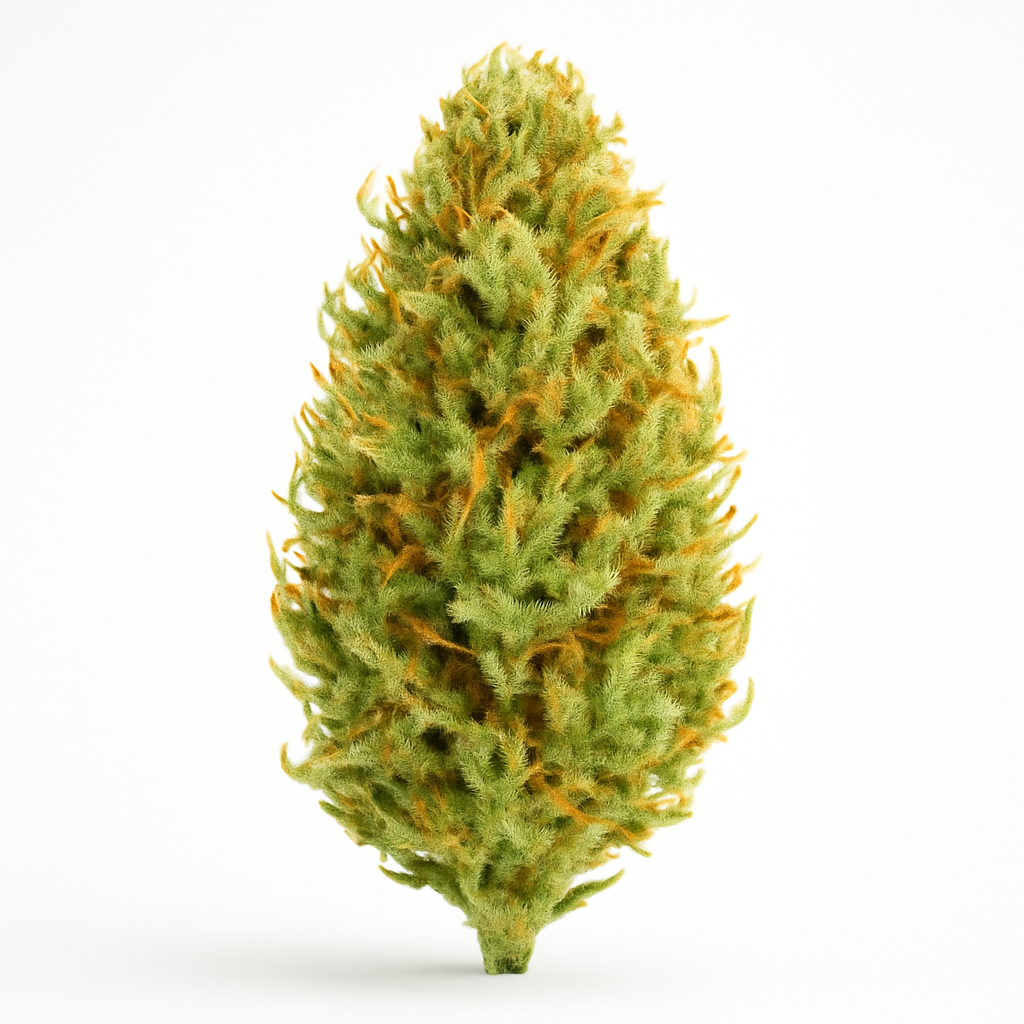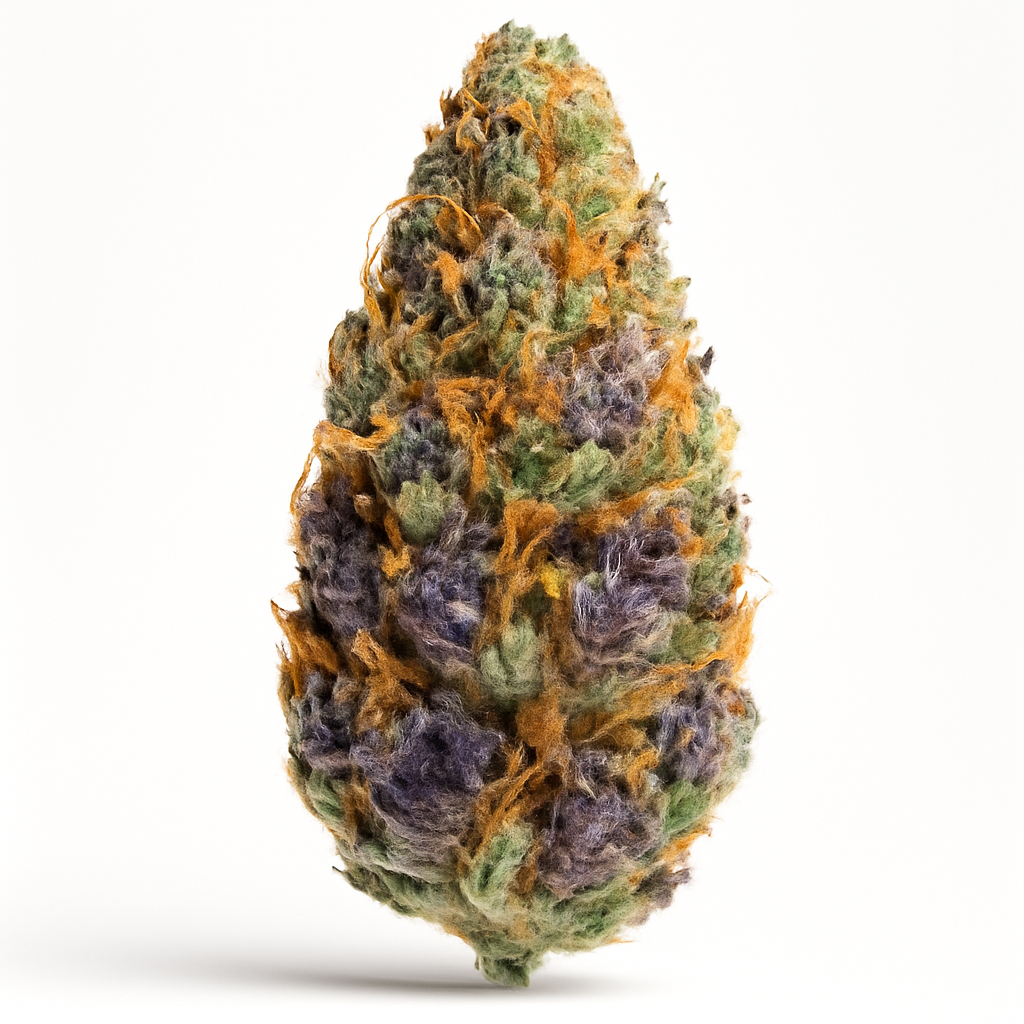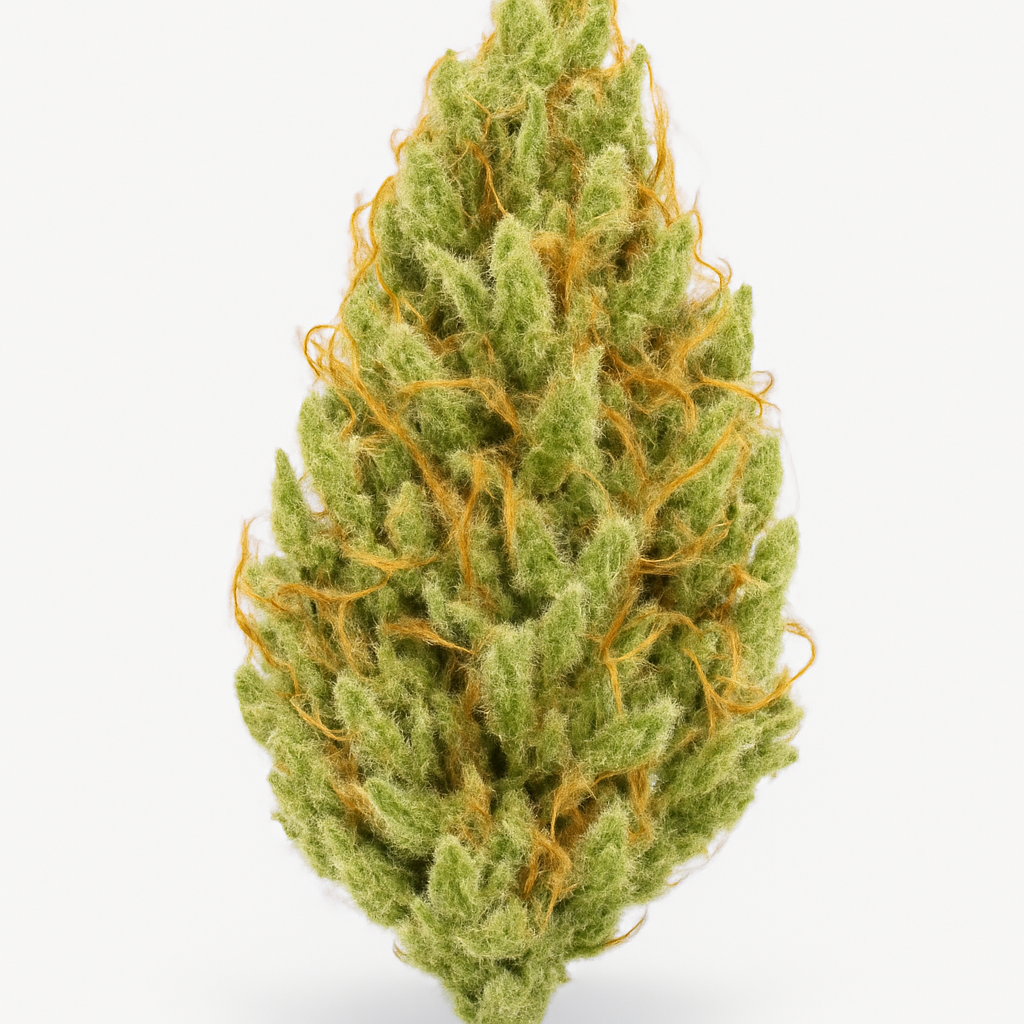
Representative image of Mango Haze
Mango Haze is a sativa cannabis strain with 20% THC. Flavors include mango, tropical and sweet. Users report feeling energetic, uplifted and talkative.
Mango Haze
Terpenes
Mango Haze Effects
Reported effects for Mango Haze lean toward an uplifted, energetic headspace that encourages conversation and motion. Users commonly describe feeling talkative and mentally stimulated rather than heavy or sedated, so expect a cerebral buzz that favors social interaction and creative momentum.
Because the profile centers on lively, uplifting notes, the experience tends to stay forward-facing rather than introspective-good for staying engaged rather than winding down.
Mango Haze Flavors & Aroma
The flavor profile reads as mango-forward with tropical and sweet accents. Aromas and taste often recall ripe fruit and candy-like sweetness, layered over softer herbal or green notes from its terpene base. Overall, expect a juicy, dessert-like palate with a clear mango signature.
Terpene Profile of Mango Haze
Mango Haze’s dominant terpenes-terpinolene, myrcene, and caryophyllene-explain much of its character. Terpinolene contributes fruity, floral, and slightly piney top notes that align with the tropical sweetness. Myrcene adds a mild herbal, earthy foundation that can smooth the edges of a bright sativa lift. Caryophyllene brings a peppery spice and, anecdotally, a calming counterpoint that can temper overstimulation through the entourage effect.
Together these terpenes help marry the fruity aroma to a lively yet balanced effect profile.
What Does Mango Haze Help With?
Anecdotally, users turn to Mango Haze when they want relief from stress, low mood, or anxiety. Reports suggest it can lift spirits and provide a motivating mental clarity that helps interrupt negative thought patterns. These uses are experiential observations from users rather than clinical claims.
Mango Haze Side Effects & Negatives
Commonly reported downsides include dizziness, dry mouth, and dry eyes. To reduce unwanted effects, users should moderate dose-especially if susceptible to lightheadedness-and stay hydrated. If dry mouth or eyes are a frequent problem, keep water and eye drops nearby.
Mango Haze Genetics & Lineage
The parentage of Haze crossed with Northern Lights #5 informs Mango Haze’s identity. Haze contributes sativa-style uplift, long-lasting cerebral energy, and vibrant terpene expression, while Northern Lights #5 likely adds structural robustness and a stabilizing influence. The result reads as a sativa-dominant offspring with a touch of grounding from its NL#5 heritage.
Is Mango Haze Indica or Sativa?
As a sativa, Mango Haze generally implies a head-focused, energizing profile rather than heavy body sedation. That classification aligns with its reported energetic, uplifted, and talkative effects, suggesting the strain favors daytime activity over nighttime relaxation.
Mango Haze FAQ
Is Mango Haze a sativa or indica?
Mango Haze is classified as a sativa.
What does Mango Haze taste and smell like?
Users report mango, tropical, and sweet flavors with a fruity, candy-like aroma.
What effects can I expect from Mango Haze?
Reported effects include feeling energetic, uplifted, and talkative-generally a cerebral, social high.
What conditions do people report using Mango Haze for?
Anecdotally, people report using Mango Haze for stress, depression, and anxiety relief.
What side effects should I watch for?
Commonly reported negatives are dizziness, dry mouth, and dry eyes; moderating dose and staying hydrated can help.