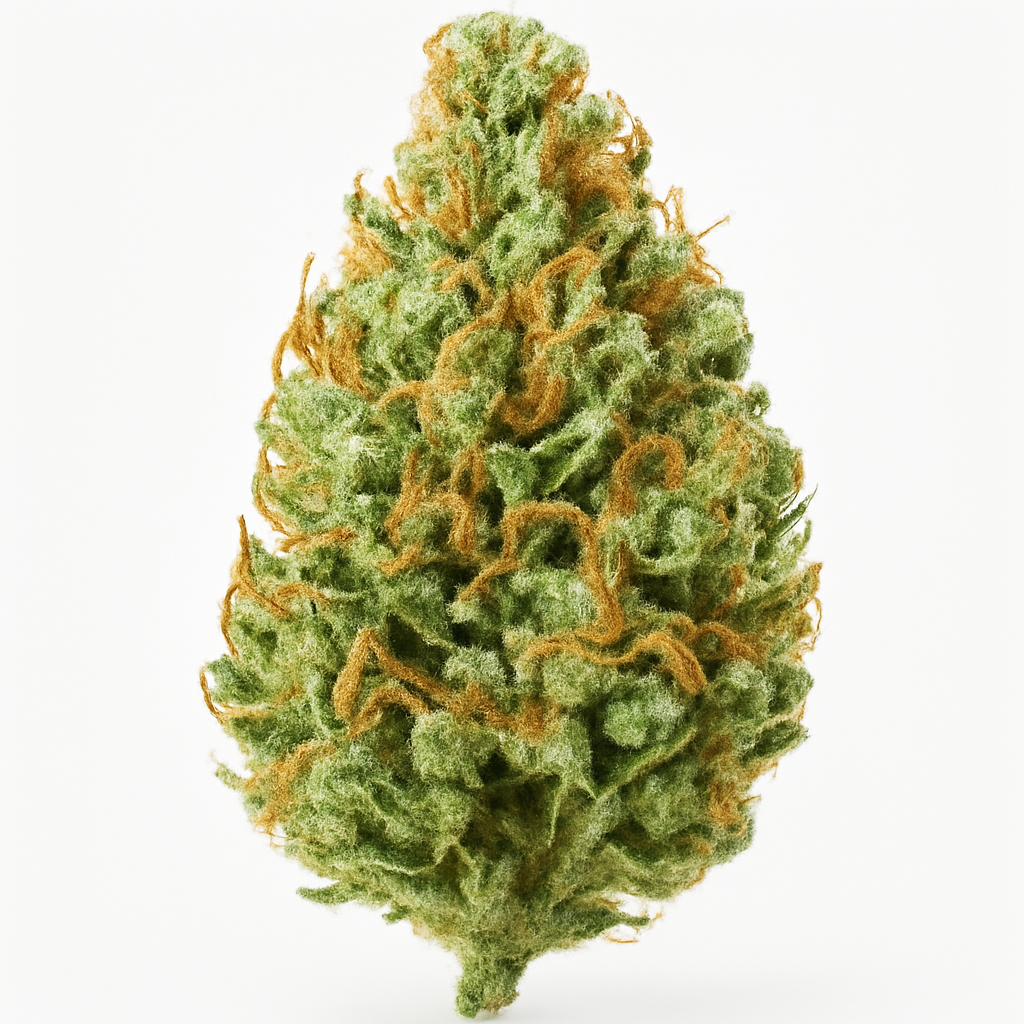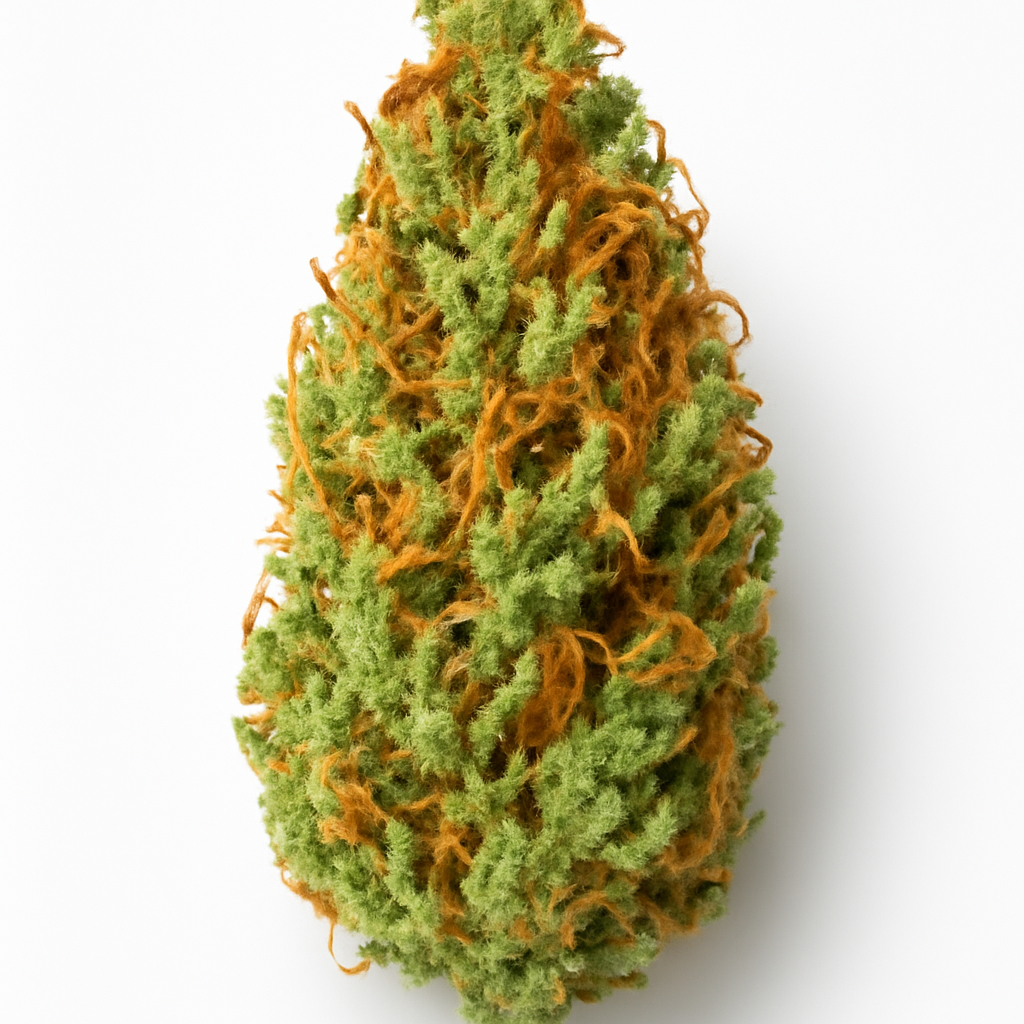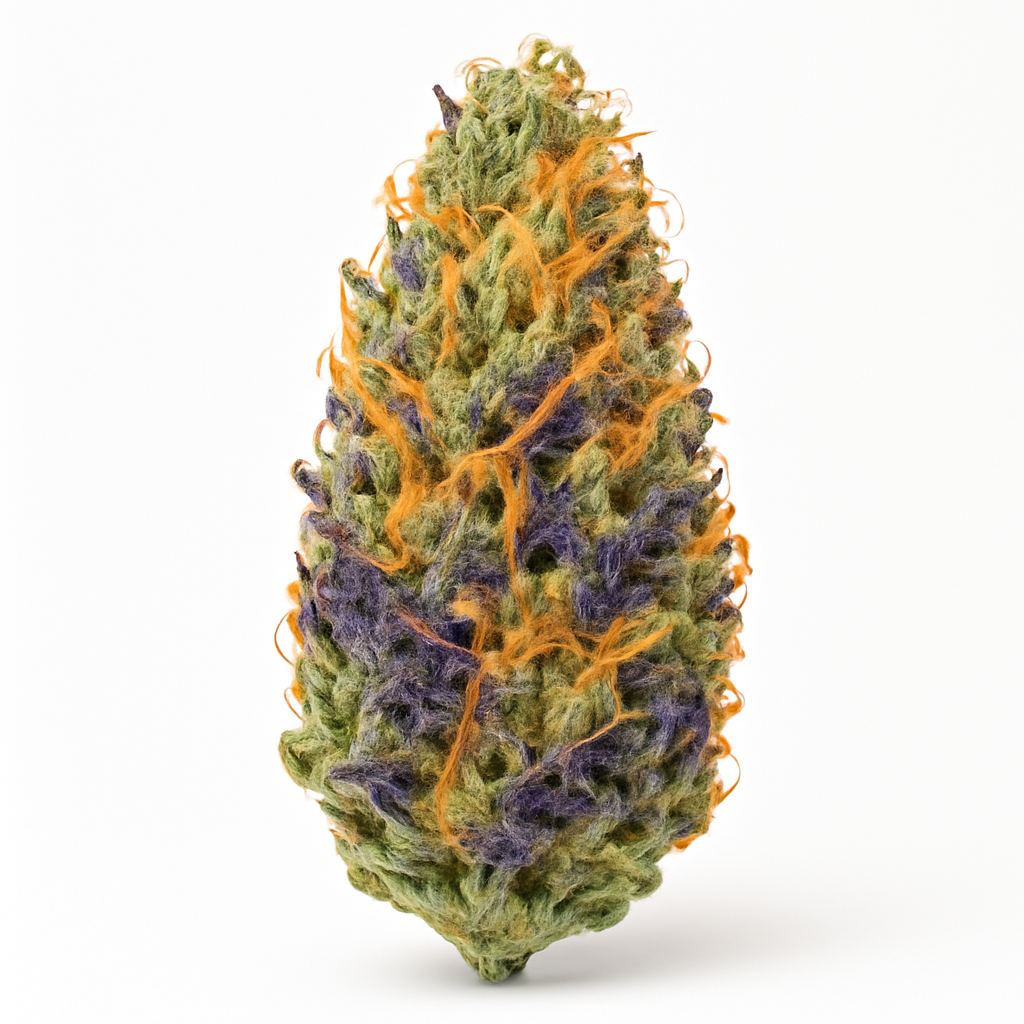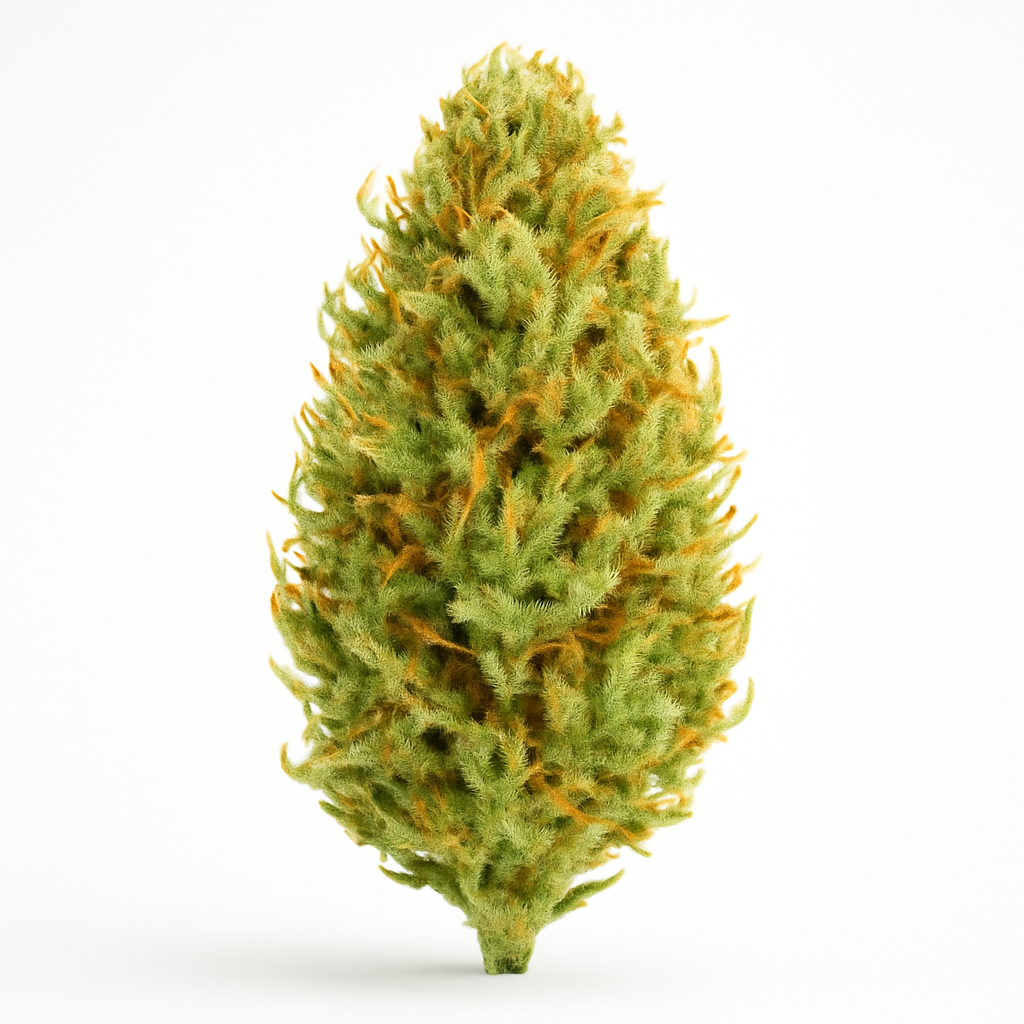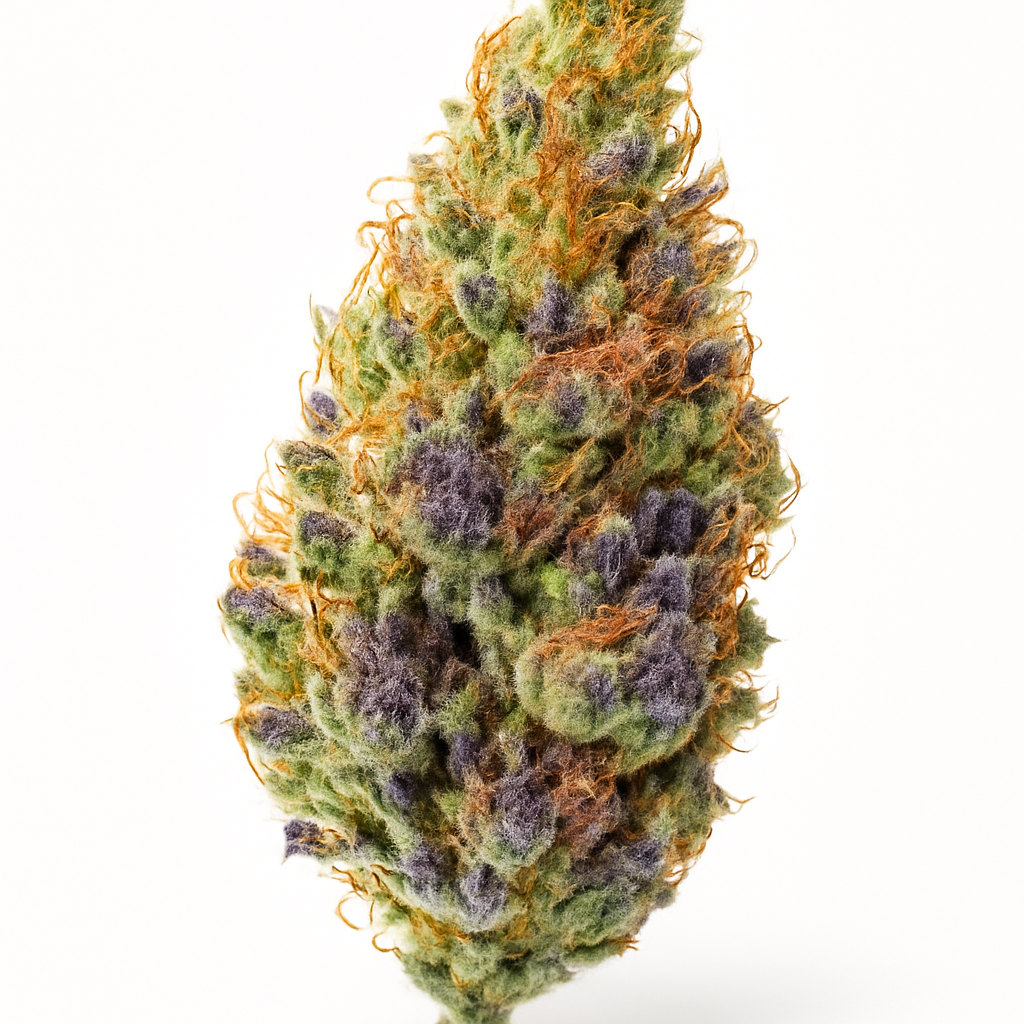
Representative image of Nepalese
Nepalese is a sativa-forward cultivar often listed under the aliases Nepal, Nepali, or Nepali OG. With a measured 20% THC and a touch of CBG at 1%, it leans toward an uplifting, social-style high that many users describe as happy and giggly.
Nepalese
Also known as Nepal, Nepali, Nepali OG
Top flavors
Terpenes
What Is the Nepalese Strain?
Nepalese is a sativa strain with a clear genetic connection to Apple Pie as a parent. Its reported cannabinoid profile lists 20% THC alongside about 1% CBG, positioning it as a sativa that aims for an upbeat cerebral experience rather than heavy sedation. The multiple aliases - Nepal, Nepali, Nepali OG - reflect how this plant is traded in different markets.
Nepalese Effects
Users report Nepalese delivers happy, uplifted, and giggly effects-an energetic, sociable lift more than a deep body stone. Expect a light-to-moderate cerebral buzz that can prompt laughs and a sunnier mood rather than foggy couch-lock. Its 4.3/5 average from 54 ratings suggests those effects resonate consistently for many consumers, though individual responses will vary.
Nepalese Flavors & Aroma
The flavor profile leans citrusy and herbal with a grapefruity top note tempered by spicy, peppery herbal tones and a subtle floral finish. On inhale you might notice bright citrus zest, while exhale brings an earthy, slightly spicy herbal warmth and a delicate floral whisper that lingers.
Terpene Profile of Nepalese
Nepalese lists myrcene, caryophyllene, and limonene among its dominant terpenes. Myrcene tends to offer herbal, earthy aromas and can smooth the overall mouthfeel; caryophyllene contributes peppery, spicy notes and may add a savory backbone; limonene gives the strain its citrus lift and a bright top note. Together these terpenes can interact with THC and CBG to shape a buoyant, tactile experience-citrus lift from limonene, spicy depth from caryophyllene, and herbal rounding from myrcene.
What Does Nepalese Help With?
Anecdotally, people reach for Nepalese to manage stress, lift low mood, or blunt everyday aches-users report it as helpful for stress relief, depression, and pain. These reported benefits line up with its uplifting terpene profile and sativa-leaning effects, but they should be understood as personal reports rather than clinical claims.
Nepalese Side Effects & Negatives
The most commonly reported downsides are dry eyes and dry mouth, and some users note light-headedness or dizziness. To minimize these effects start with a modest dose, stay hydrated, and refrain from combining with alcohol or other depressants until you know how it affects you. If dizziness occurs, sit or lie down and sip water.
Nepalese Genetics & Lineage
Apple Pie is listed as Nepalese’s parent, which means much of the strain’s inherited cannabinoid and terpene machinery traces back to that lineage. Parent genetics determine a lot of the plant’s aroma, effect tendencies, and growth traits; in Nepalese those inherited factors appear to produce a citrus-herbal terpene mix and the uplifted, social-leaning sativa profile reported by users.
Nepalese THC & CBG Content
At 20% THC, Nepalese sits at about the catalog average for potency-strong enough to register clearly for most consumers but not at the extreme end of modern craft cannabis. The presence of 1% CBG is modest but notable; CBG can subtly modify the overall effect profile in ways users sometimes describe as smoothing or clarifying. If you’re inexperienced or sensitive to stimulation, treat this as a mid-strength sativa and dose accordingly.
Is Nepalese Indica or Sativa?
As a sativa, Nepalese generally favors cerebral stimulation, energy, and an uplifted mood rather than deep physical sedation. Sativa classifications often correlate with daytime use, mental clarity, and social or creative activity, and Nepalese’s reported happy and giggly effects are consistent with that pattern.
Who Is Nepalese Best For?
Nepalese is well-suited for daytime or early-evening use when you want a mood boost, creative nudge, or light social lubrication-think small gatherings, creative projects, or running errands with a sunnier outlook. Its 20% THC makes it more appropriate for intermediate users than complete novices, though cautious beginners can still enjoy it at low doses. Keep hydration handy to manage dryness, and avoid heavy tasks if you’re prone to mild dizziness.
Our Take on Nepalese
We find Nepalese to be a reliably cheerful sativa: its 20% THC aligns with the catalog norm, and its terpene trio points toward a citrusy, spicy, herbal lift that matches user reports of happiness and giggles. With a 4.3/5 from 54 ratings, there’s solid user approval behind it without overstating its reach. People who want a bright, sociable sativa for daytime use will likely enjoy it; those seeking deep relaxation or who are THC-averse should look elsewhere. Overall, we recommend Nepalese as a go-to when you want an upbeat, aromatic sativa that performs as advertised.
Nepalese FAQ
Is Nepalese a sativa or indica?
Nepalese is classified as a sativa, which typically implies a more cerebral, uplifting experience.
How strong is Nepalese?
Nepalese tests at about 20% THC, roughly on par with the catalog average; it’s noticeable but not among the highest-potency strains.
What effects can I expect from Nepalese?
Users report feeling happy, giggly, and uplifted-an energetic, social-style high rather than heavy sedation.
What does Nepalese taste like?
The flavor profile is citrus-forward with grapefruit notes, spicy/herbal undertones, and a subtle flowery finish.
What is Nepalese commonly used to help with?
Anecdotally, people use Nepalese to help with stress, low mood or depression, and pain relief.
Are there any side effects to watch for?
Reported negatives include dry eyes, dry mouth, and occasional dizziness; start with a low dose and stay hydrated to reduce these effects.