THE REALITY
Why cannabis and pain is the most credible case in this whole category
Most conditions people use cannabis for have thin evidence. Pain is the exception - it's the single most-studied therapeutic use, it's the most common reason people are approved for medical cannabis in the US, and it's the one area where major medical bodies have issued actual clinical guidance rather than shrugging. That guidance is more measured than dispensary marketing, and more supportive than cannabis skeptics allow. Both of those things are worth knowing before you spend money.
THE EVIDENCE
What the research actually shows
An international expert panel recommends trying it - weakly. The 2021 BMJ Rapid Recommendation, developed by an international panel including clinicians, methodologists, and patients living with chronic pain, issued a weak recommendation to offer a trial of non-inhaled medical cannabis or cannabinoids, in addition to standard care, for people with chronic cancer or non-cancer pain when standard care isn't sufficient. The panel was confident the evidence showed a small increase in the proportion of people experiencing important improvement in pain and sleep quality, and a very small increase for physical function. They called the recommendation weak specifically because benefits and harms sit close together.
The effect size is small, and worth seeing plainly. In the AHRQ living systematic review, comparable-ratio THC:CBD oral spray produced a mean pain reduction of 0.54 points on a 0-10 scale across 7 RCTs (N=878) versus placebo - a moderate-strength finding, and a small one. Function improvement (6 RCTs, N=616) came in just below the threshold for 'small.' One clinical summary of the BMJ guideline put the practical math bluntly: roughly 10 people need to be treated for one person to get a 1-point improvement in average pain.
CBD-only products may not beat placebo for pain. This is the most commercially inconvenient finding in cannabis research and the one buried deepest. The AHRQ review found low-to-moderate strength evidence that low-THC-to-CBD-ratio products may not be associated with improved outcomes versus placebo for chronic pain. The multi-billion-dollar CBD-for-pain market is not built on pain trials.
Almost none of this evidence is about dispensary flower. The trials tested pharmaceutical-grade extracts - standardized oral sprays and capsules. AHRQ rated the evidence for whole-plant cannabis as insufficient to draw conclusions, and the BMJ recommendation explicitly does not apply to inhaled or recreational cannabis, which haven't been formally studied. Everyone smoking flower for pain is extrapolating.
Side effects are common and not trivial. The same review found moderate-to-large increases in dizziness, sedation, and nausea. Evidence on the more serious questions - psychosis, cannabis use disorder, cognitive effects - was unavailable or insufficient, which is a gap, not a clean bill of health.
The opioid-sparing story is not established. A systematic review and meta-analysis of adding medical cannabis to prescription opioids found very low certainty evidence that it has little or no impact on opioid dose, and high certainty evidence that adding cannabis had little or no effect on pain relief among chronic cancer pain patients already on opioids. Cannabis reducing opioid use is a widely repeated claim that the trial evidence does not currently support.
PAIN TYPE MATTERS MOST
Which kinds of pain actually respond?
This is the most useful section on this page, because 'chronic pain' is not one condition and cannabis does not treat them equally.
- Best supported - neuropathic (nerve) pain. Pain from nerve damage - diabetic neuropathy, post-herpetic neuralgia, HIV neuropathy, sciatica, chemotherapy-induced neuropathy - is where cannabinoid evidence concentrates. The AHRQ review found improvements were mostly neuropathic, and evidence reviews have graded pain of this type among the better-supported cannabis indications. If your pain burns, tingles, shoots, or comes with numbness, you're in the group most likely to benefit.
- Reasonably supported - MS spasticity and cancer pain. Spasticity in multiple sclerosis is one of the few indications with substantial evidence, and cancer-related pain is included in the BMJ recommendation's scope.
- Mixed - fibromyalgia and other central sensitization pain. Some evidence reviews grade fibromyalgia among the better-supported pain types; trial quality is limited but patient-reported benefit is consistently high.
- Weakest - inflammatory and mechanical pain. Osteoarthritis, rheumatoid arthritis, and ordinary mechanical back pain have the least supportive cannabinoid evidence. Cannabis may still help you cope - via sleep and the affective component of pain - without reducing the underlying pathology. That distinction is worth being honest with yourself about.
TOPICALS
Do THC creams, balms, and patches work?
A large, popular category with a thin evidence base - but the mechanism isn't nonsense. Topicals don't get you high. Cannabinoids applied to skin act on local CB receptors and generally don't reach the bloodstream in meaningful amounts. That's the appeal: localized use without intoxication. They can plausibly help superficial, localized pain - a specific joint, a muscle, a patch of skin. They cannot plausibly reach deep structural pain like a herniated disc.
The clinical evidence is genuinely thin. AHRQ rated the evidence on topical CBD as insufficient. Much of what people feel from a balm may come from massage, menthol, camphor, or capsaicin in the base formula.
Transdermal patches are a different product than a topical balm - they're designed to cross into the bloodstream and are systemic. Don't treat the two as equivalent.
Reasonable position: topicals are low-risk and some people report real relief for localized pain. Just don't pay a premium for a CBD balm expecting the evidence to back it, and don't expect a cream to solve deep pain.
DOSING
Dosing cannabis for pain
- Match the form to the pain pattern. Constant, all-day pain → oral or oromucosal products with long, steady curves (what the trials used). Breakthrough spikes → inhaled, which arrives in minutes but fades in 2-4 hours.
- Balanced beats high-THC. Trials showing benefit used comparable THC:CBD ratios. This also matches what patients say they want - surveyed people living with chronic pain preferred balanced or high-CBD products over high-THC ones.
- Start low, titrate slowly. 2.5 mg THC orally is a sane starting point, increasing every few days. The goal is the lowest dose that helps, because side effects and tolerance both scale with dose.
- Expect a modest result. If you're expecting pain to go from 8 to 2, the evidence says recalibrate. Realistic is a point or so, plus better sleep - which for many people is meaningful on its own.
- Give it a defined trial. Two to four weeks with a simple daily pain and function log. If it isn't helping by then, it probably isn't going to.
- Don't stop your other treatment to try this. Especially opioids - tapering is a medically supervised process, and the evidence that cannabis substitutes for them is very low certainty.
SAFETY
Interactions and risks
- Warfarin - very high risk. Cannabinoids can raise INR and bleeding risk. Do not combine without medical supervision.
- Buprenorphine and tacrolimus - high risk in the same systematic review. Relevant to many pain and transplant patients.
- Opioids, gabapentinoids, benzodiazepines, muscle relaxants: sedation and cognitive impairment stack.
- The metabolic mechanism: cannabinoids are processed via CYP3A4, CYP2C9, and CYP2C19 - the same pathways that clear many prescription drugs.
- Smoking and lung health. Chronic pain often means long-term daily use. If you're using daily and long-term, non-inhaled forms are both better studied and easier on your lungs.
- Driving. Impairment is real, and dose-dependent.
The one rule
THE WRONG QUESTION
Indica or sativa for pain?
Neither category reliably predicts analgesia. Indica's sedating reputation makes it the default recommendation for nighttime pain, and sedation genuinely helps people sleep through pain - but that's sedation, not pain relief, and the labels are unreliable anyway. What to read instead is the chemotype:
- Type I (THC-dominant): most potent analgesic effect, most side effects, most tolerance.
- Type II (balanced THC:CBD): what the successful trials used. The evidence-aligned choice.
- Type III (CBD-dominant): lowest risk, but per AHRQ, low-THC-ratio products may not outperform placebo for pain specifically. Useful if inflammation or anxiety is part of your picture; not the strongest analgesic bet.
THE HONEST ANSWER
So which strains are best for pain?
The evidence points at a ratio and a format - balanced THC:CBD, taken orally - more than at any cultivar. Within that, these are the names people with chronic pain most consistently choose:
Balanced (Type II) - closest to what trials used
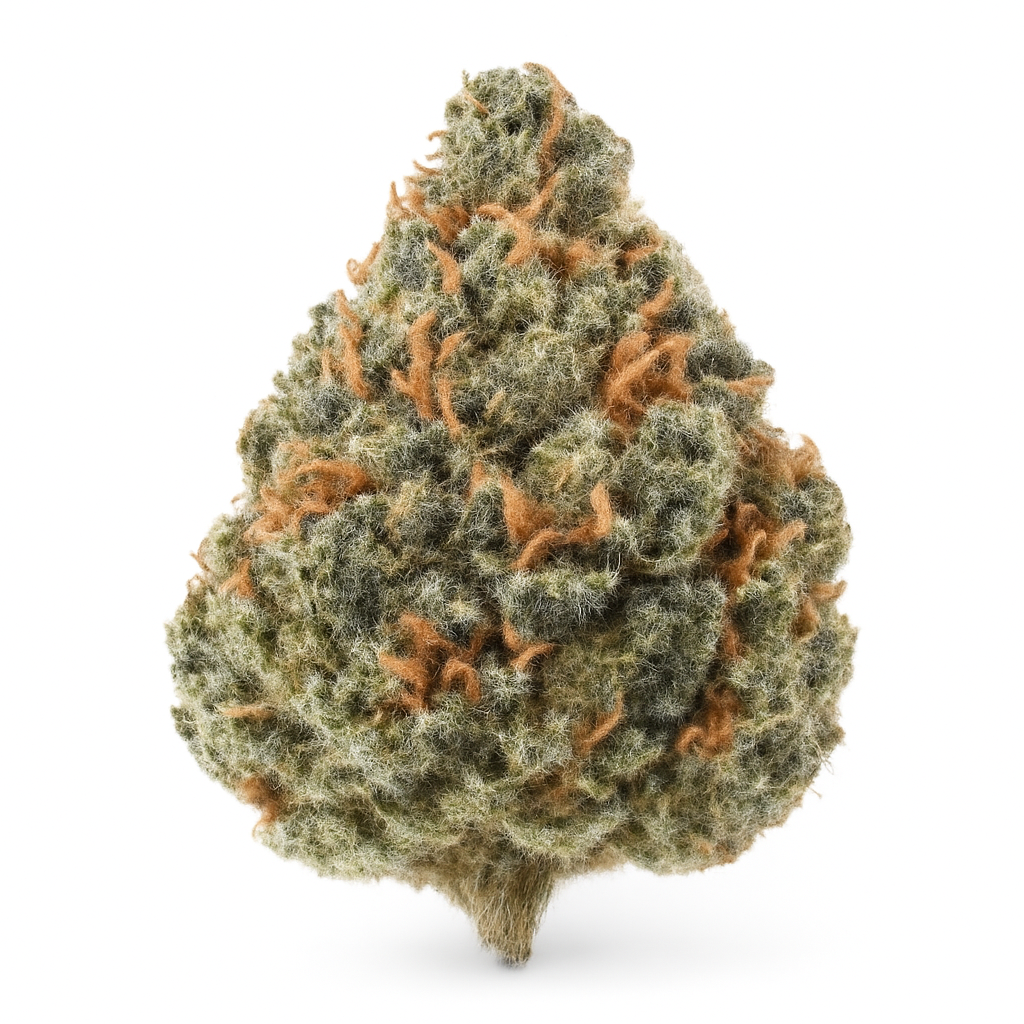
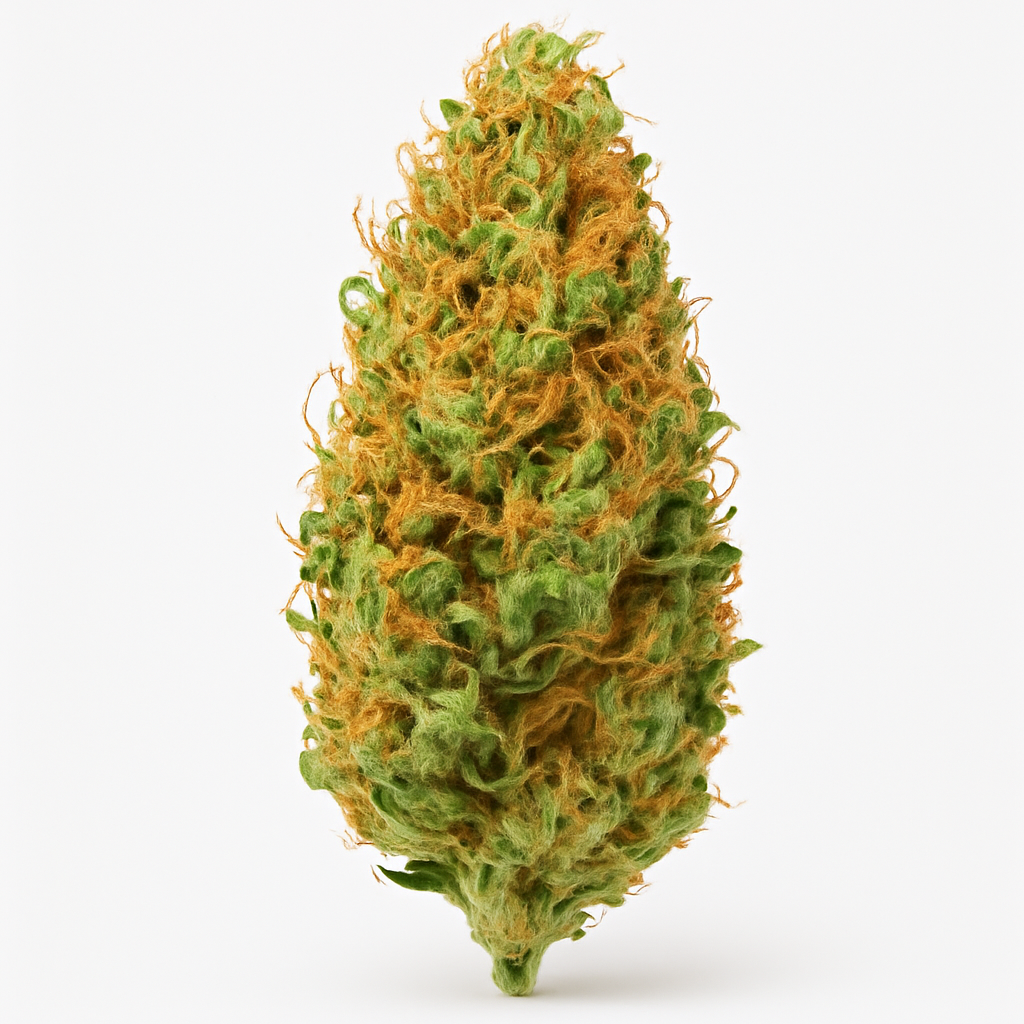
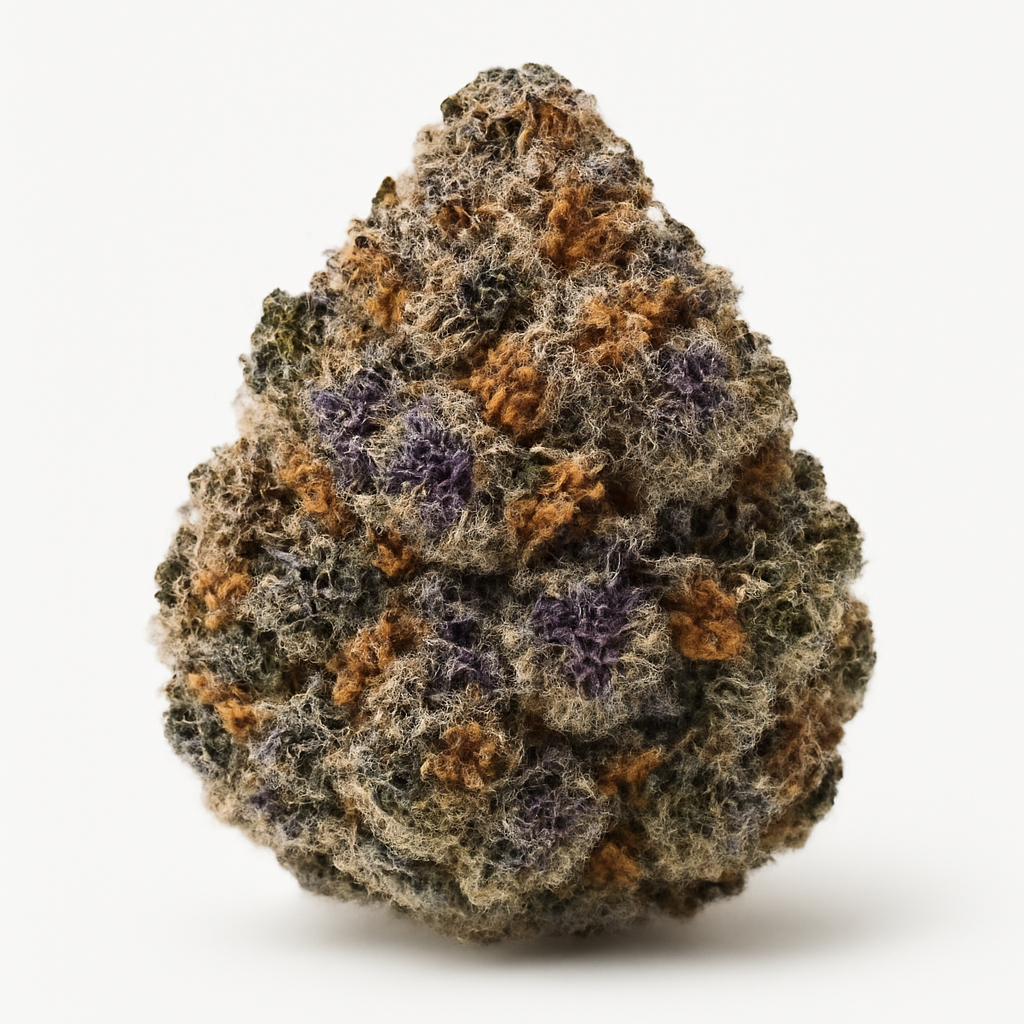
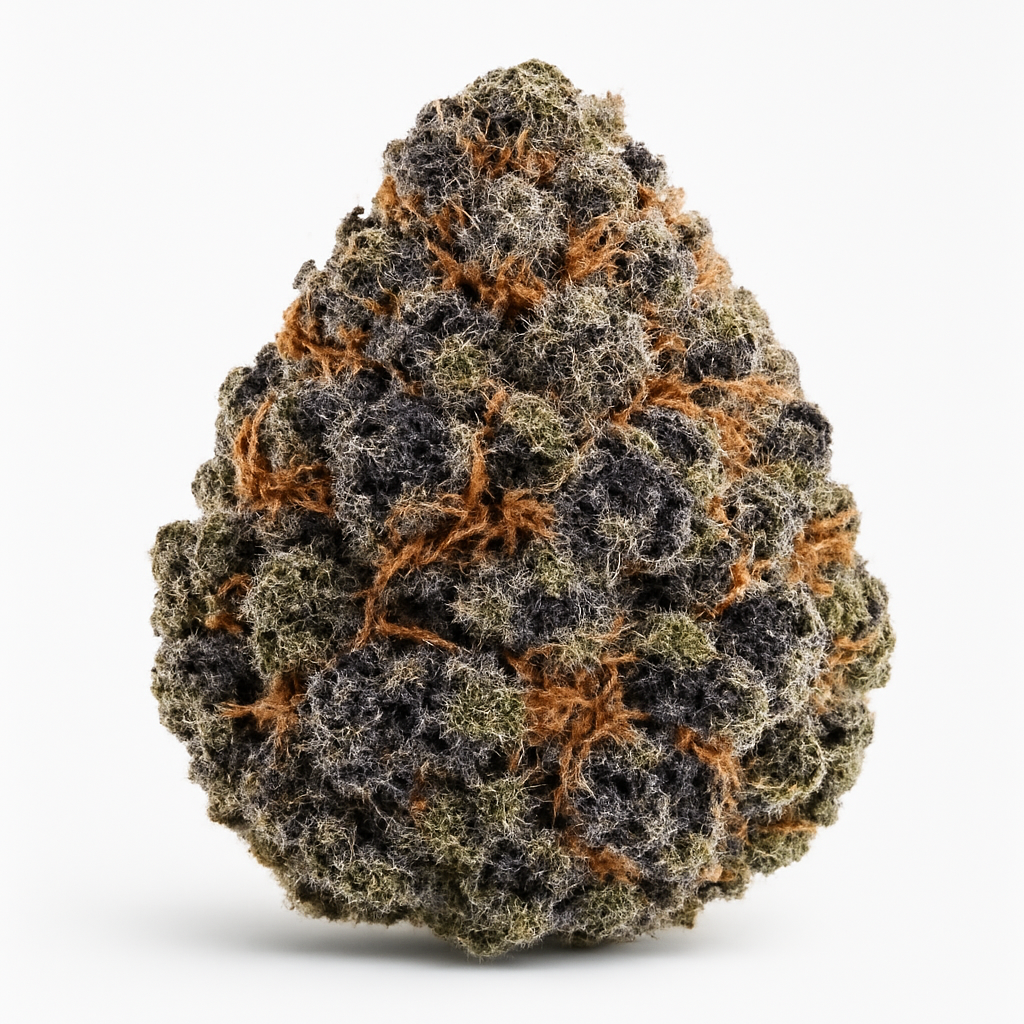
THC-dominant, widely used for pain
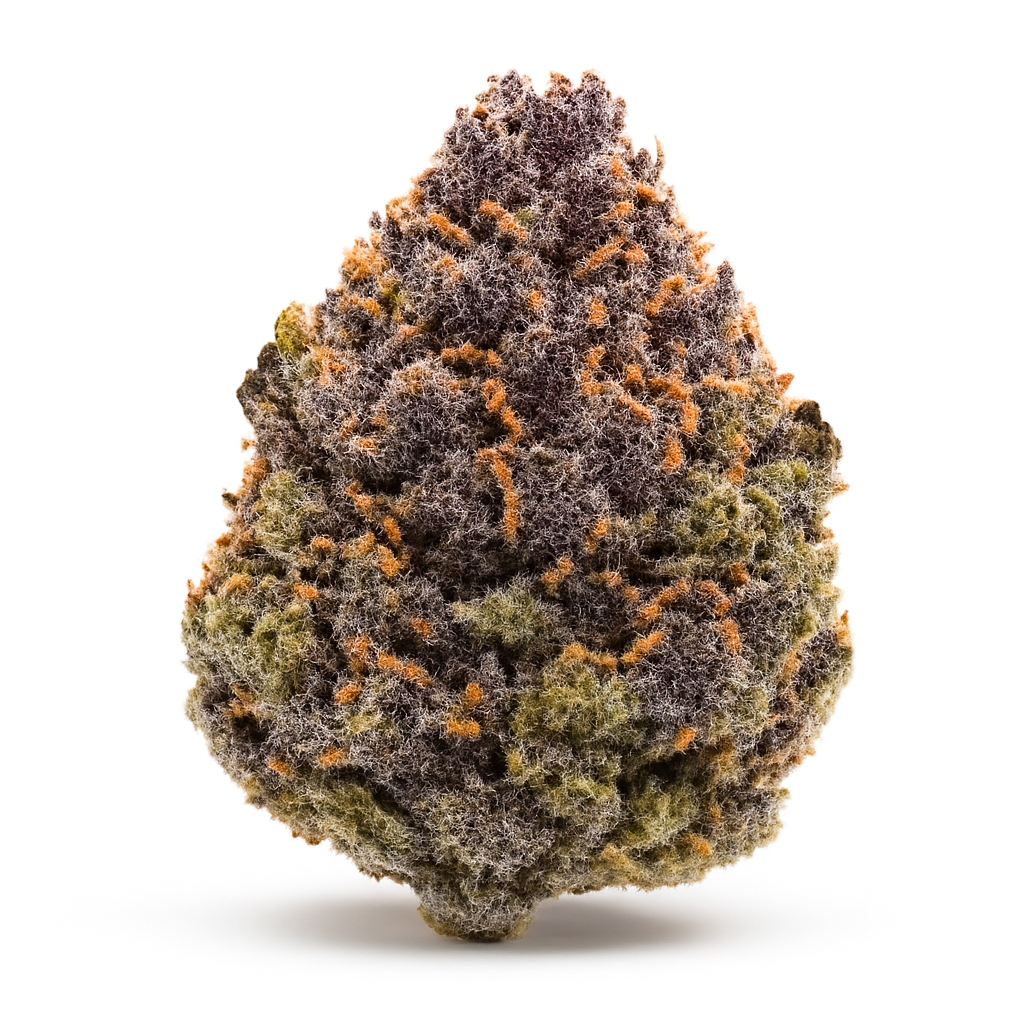
Blue Dream
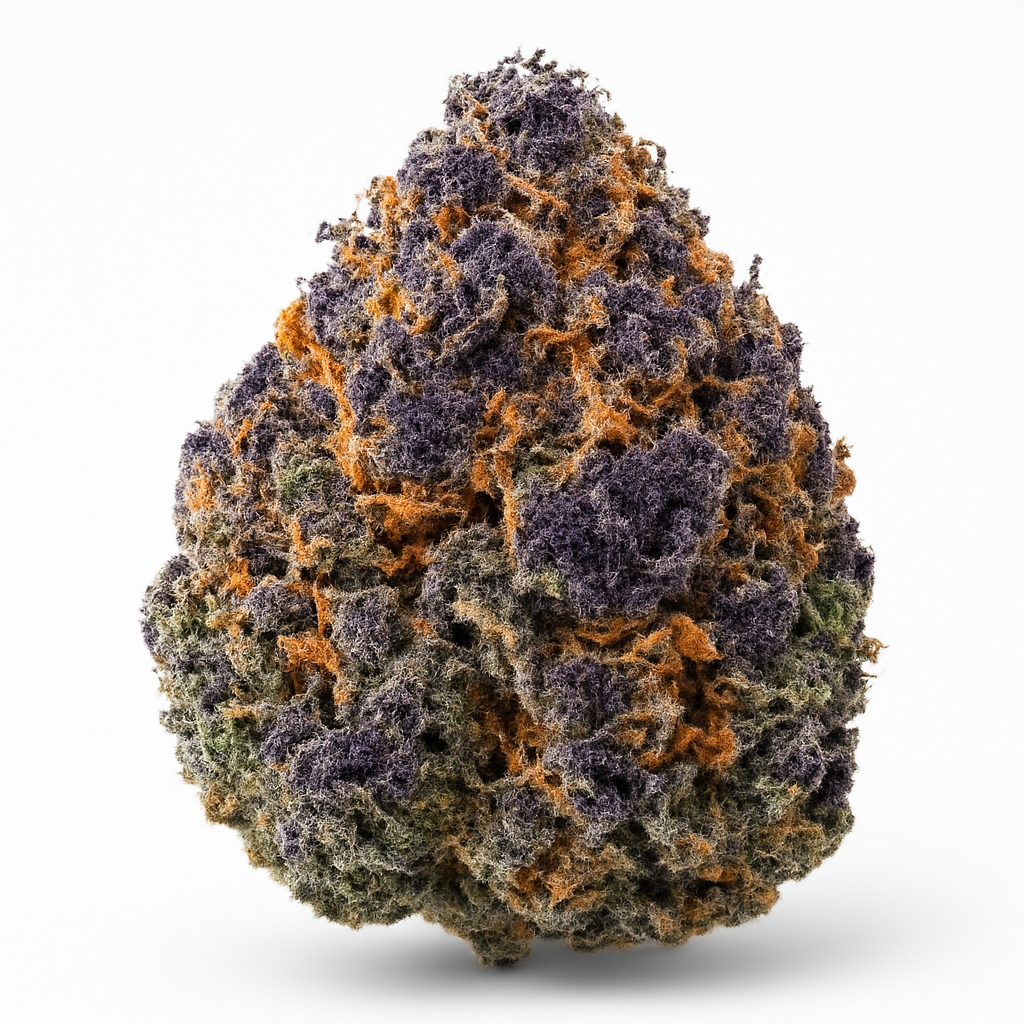
Granddaddy Purple
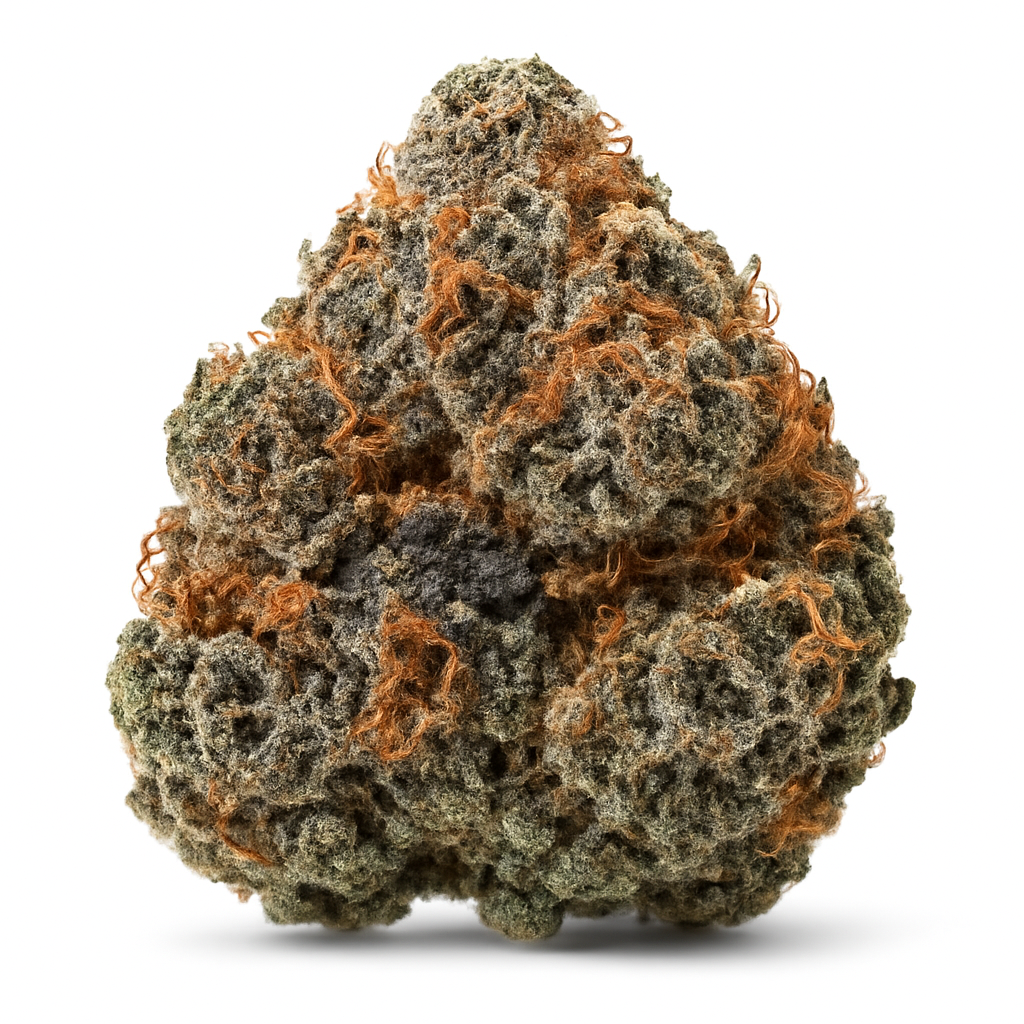
Bubba Kush
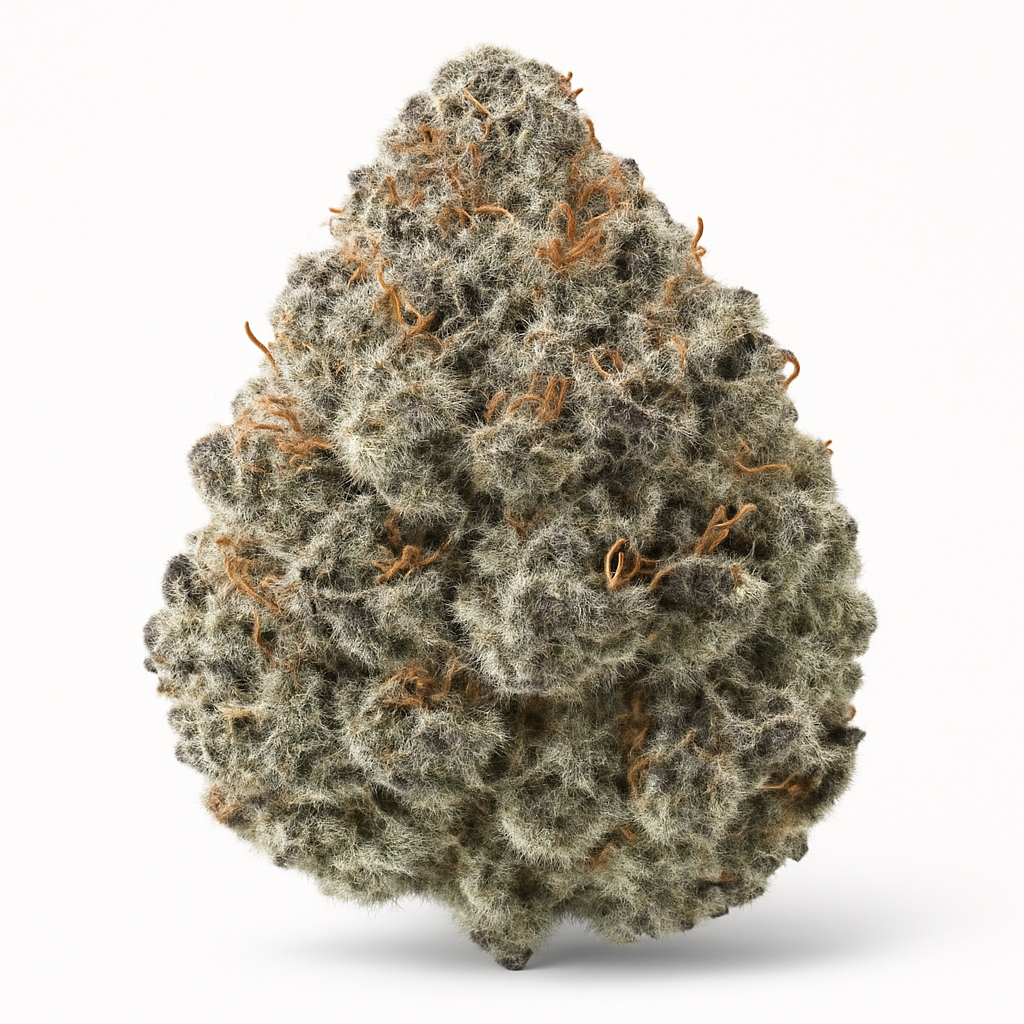
White Widow
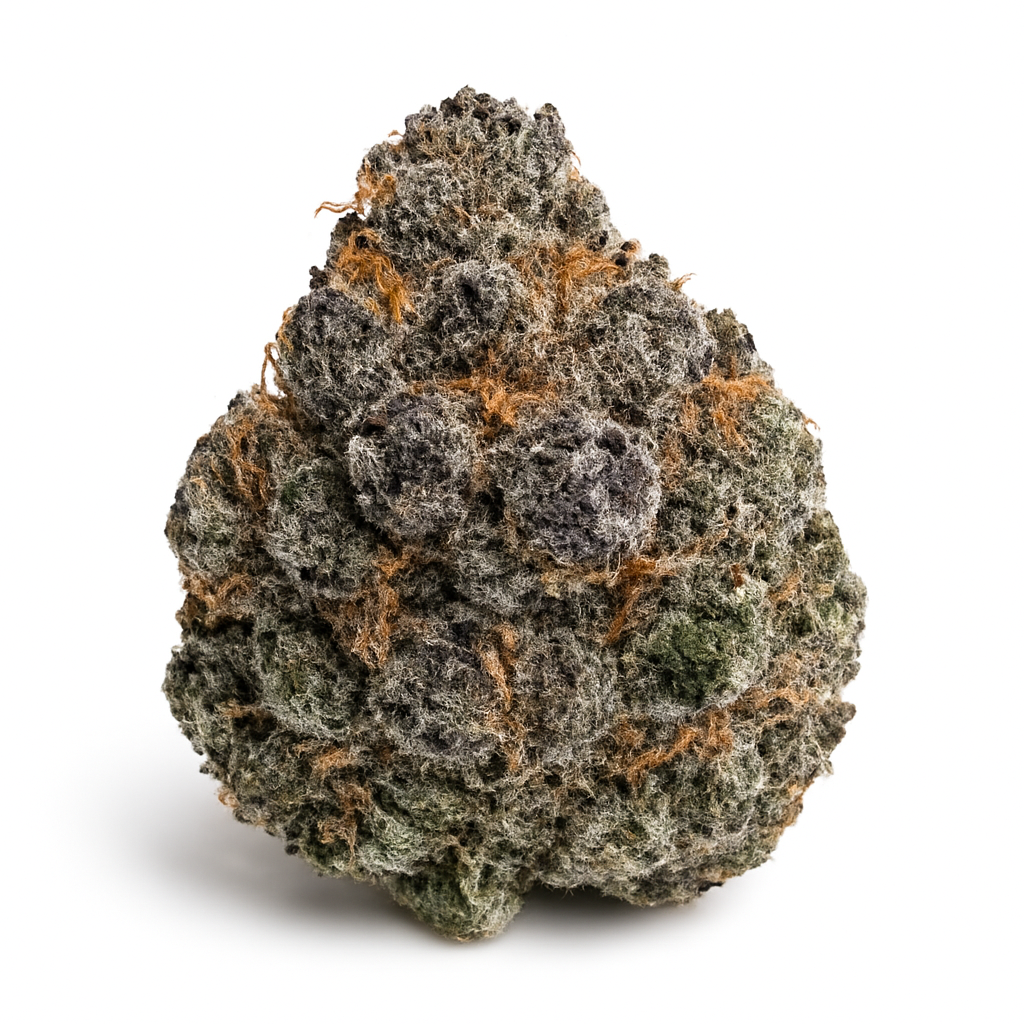
Afghan Kush
Note on nerve pain specifically: if your pain is neuropathic, you're in the sub-group with the best evidence - prioritize a balanced oral product and a proper titration over cultivar shopping.
Caveat: strain names are not standardized, the same cultivar tests differently between growers, and no cultivar has been trialed as a pain treatment. These reflect reported preference.
FREQUENTLY ASKED
Common questions
Does THC actually help pain?
Does weed help with nerve pain?
CBD or THC for pain?
Do THC creams and balms work for pain?
Can cannabis replace opioids?
Does weed help back pain?
Is smoking or edibles better for pain?
SUMMARY
The bottom line
Pain is cannabis's best case, and the honest version of that case is modest: small but real improvements in pain, sleep, and function, concentrated in nerve pain, achieved mostly with balanced THC:CBD products taken orally - not with high-THC flower, and not reliably with CBD alone. Guidelines say it's worth trying when standard care falls short, while noting benefits and harms sit close together. Start low, use a balanced product, give it a defined trial with a log, keep your prescriber informed, and judge it against a realistic bar.
Related conditions
Browse all strains for Pain →References
- Busse JW, et al. Medical cannabis or cannabinoids for chronic pain: a clinical practice guideline. BMJ, 2021;374:n2040.
- Chou R, et al. Living Systematic Review on Cannabis and Other Plant-Based Treatments for Chronic Pain: 2025 Update. AHRQ Comparative Effectiveness Review No. 250, July 2025.
- Noori A, et al. Opioid-sparing effects of medical cannabis or cannabinoids for chronic pain: a systematic review and meta-analysis. BMJ Open, 2021;11:e047717.
- Zeng L, et al. Values and preferences towards medical cannabis among patients with chronic pain: a mixed methods systematic review. BMJ Open, 2021.
- American Heart Association evidence review on cannabis. Circulation, 2020.
- Cannabis-drug interaction systematic reviews, 2022 and 2024 (warfarin, buprenorphine, tacrolimus).