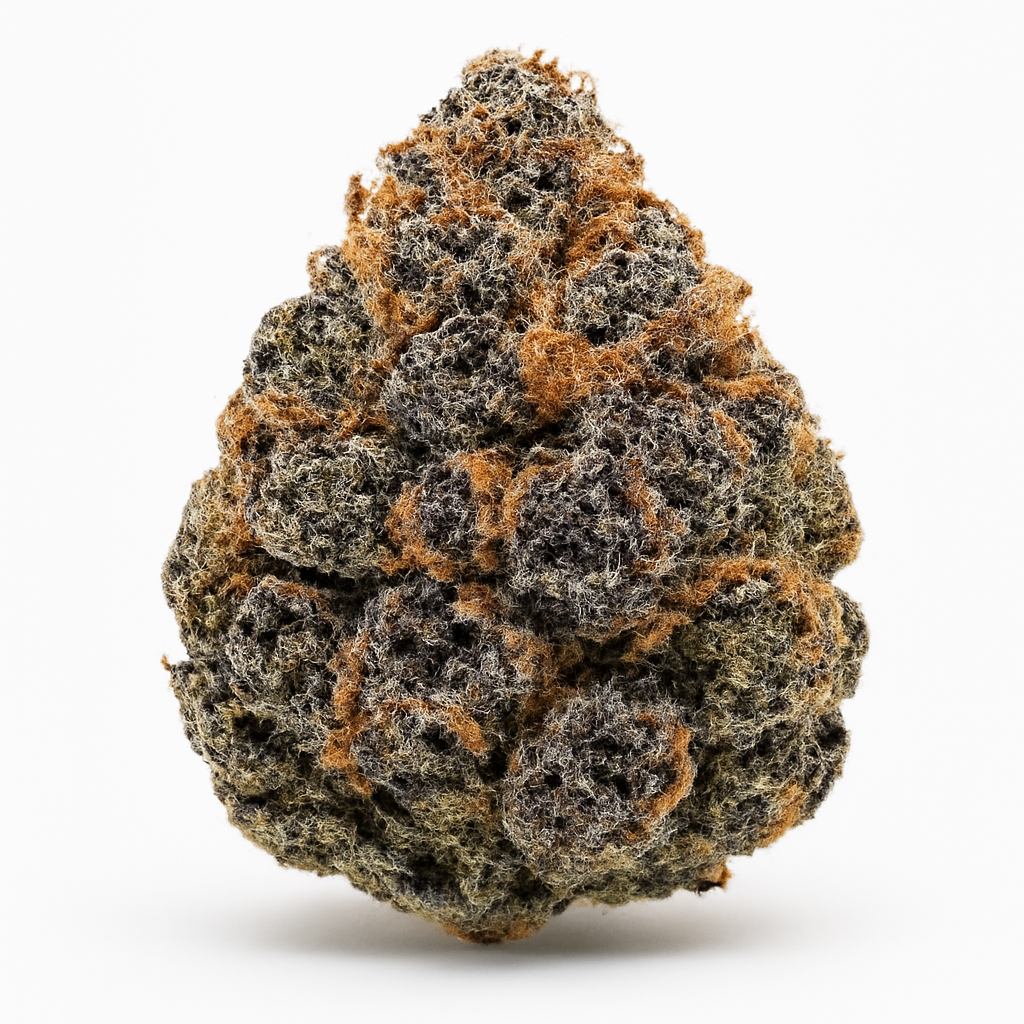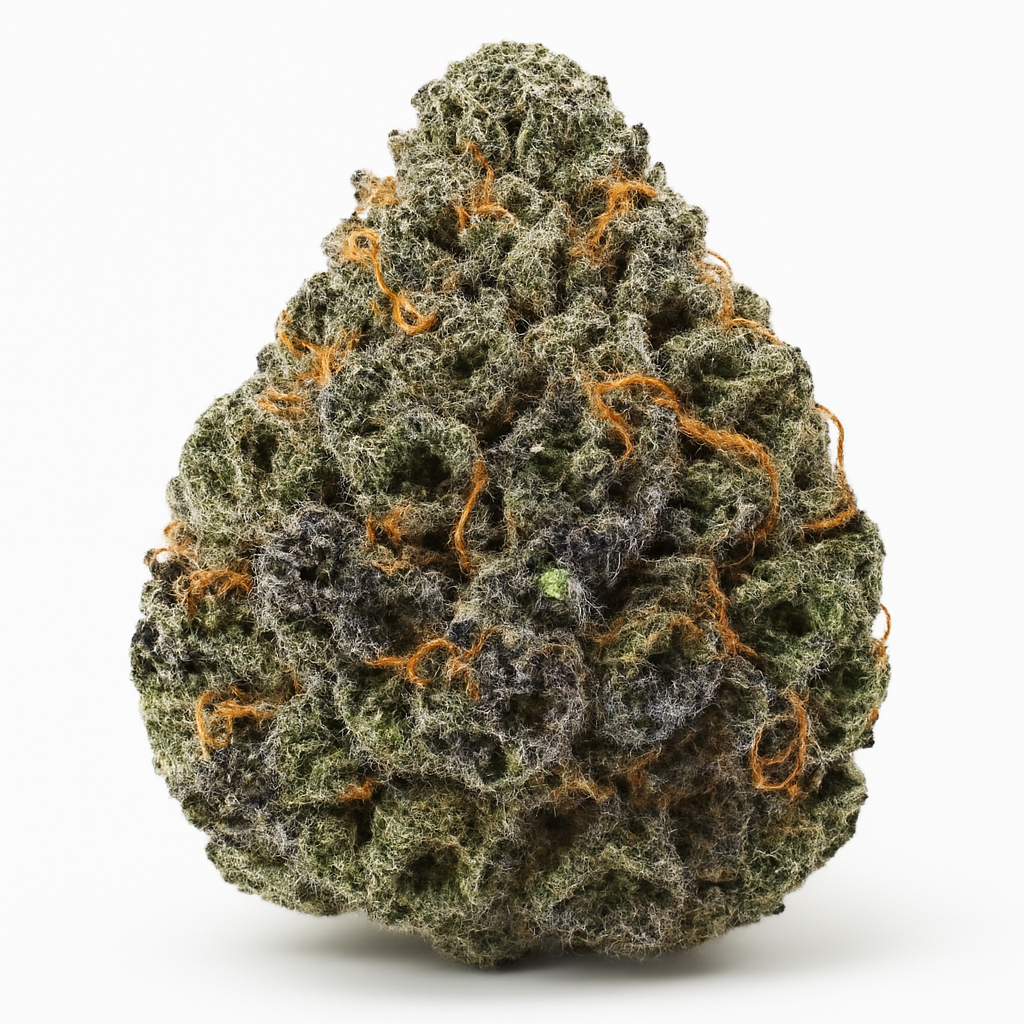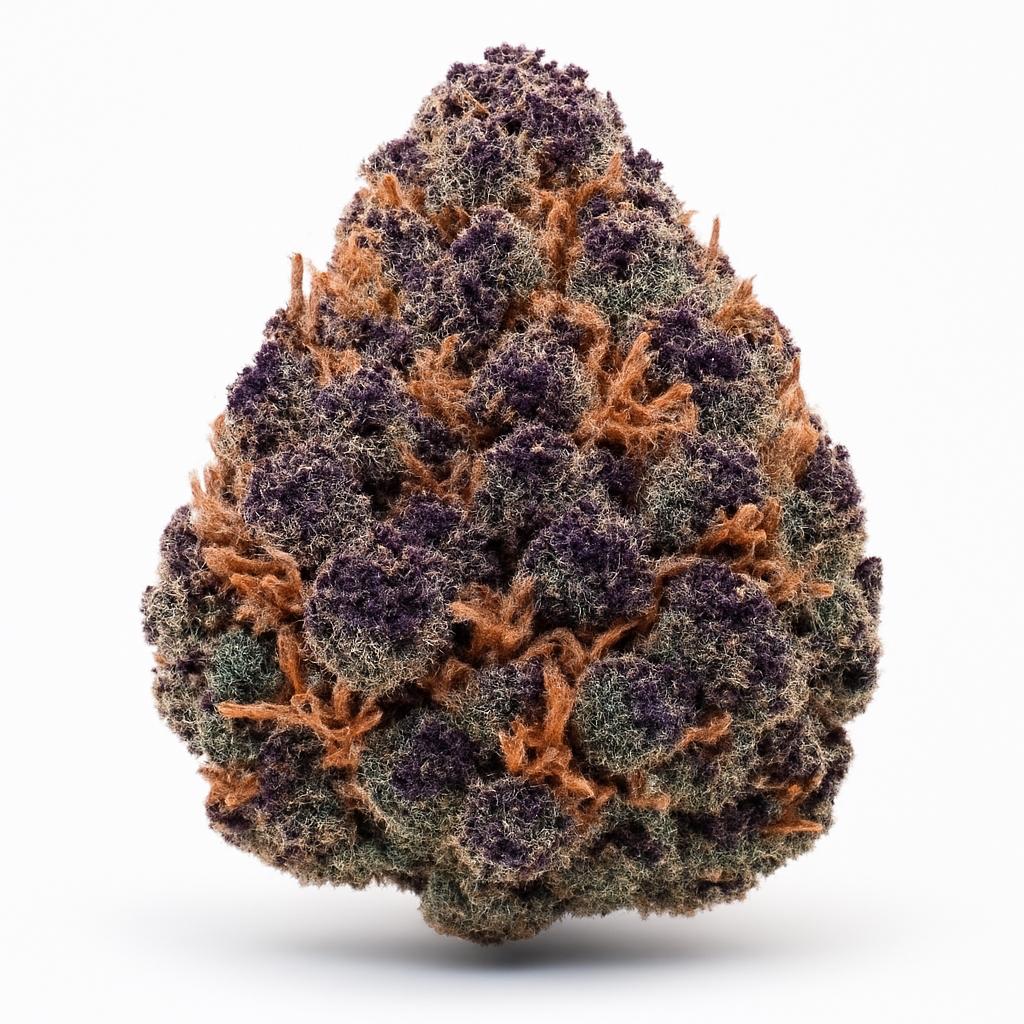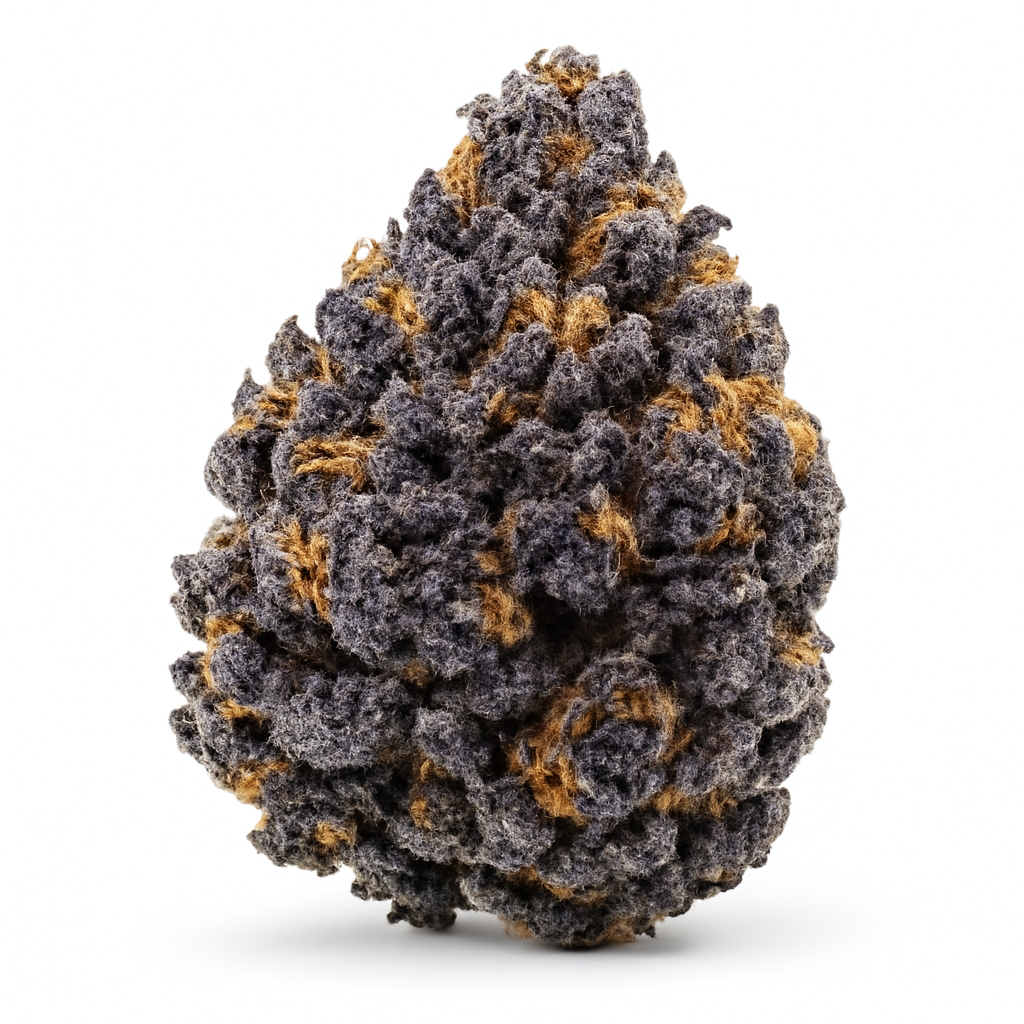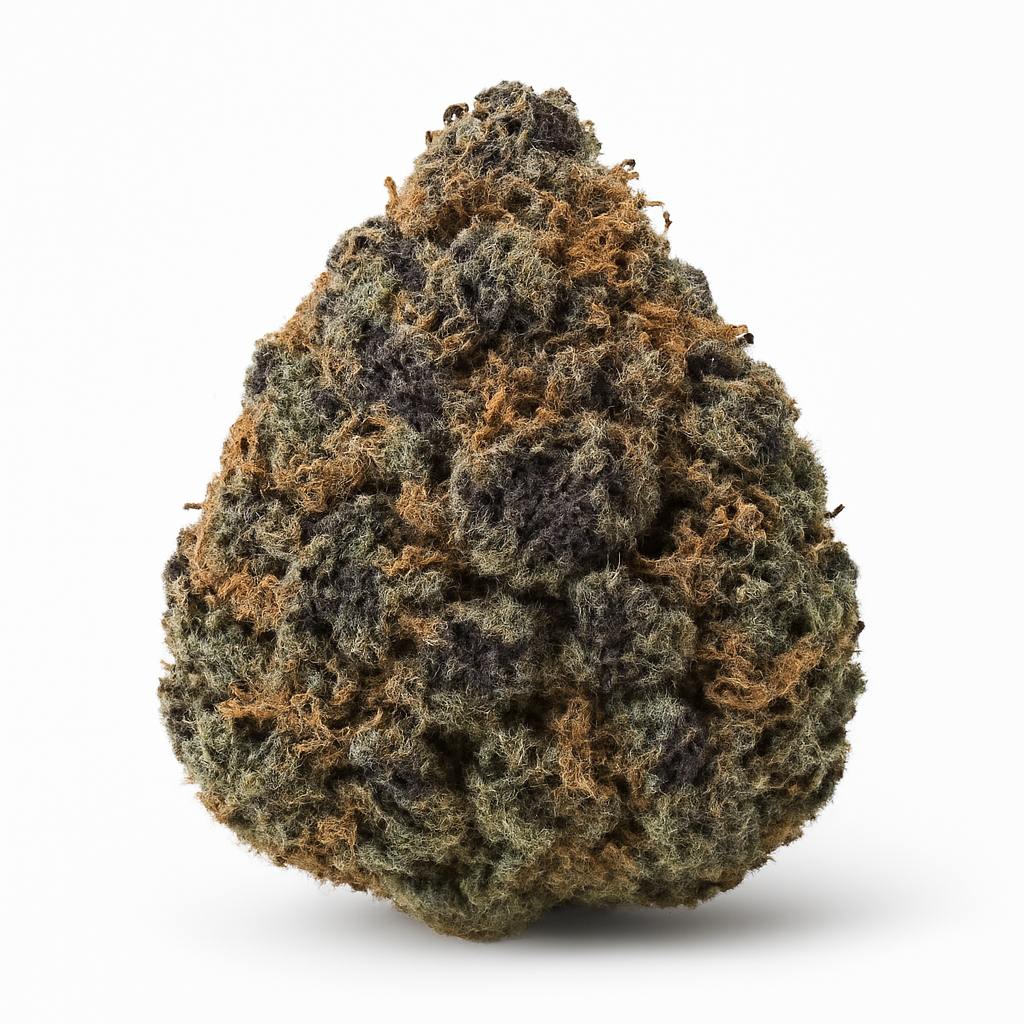
Representative image of Pine Tar
Pine Tar is an indica cannabis strain with 23% THC. Users report feeling hungry, sleepy and giggly. Flavors include pine and tar. Parent: Oregon Noble.
Pine Tar Effects
Users report a clear leaning toward the body-focused side of cannabis: hungry, sleepy and giggly are the dominant effects noted. Expect the high to begin with mellow relaxation that eases into drowsiness and appetite stimulation; the giggly moments tend to appear early on as tension loosens. Because the experience favors sedation, it’s often described as more suited for evening or restorative downtime.
Pine Tar Flavors & Aroma
Pine Tar’s flavor and aroma are firmly in the evergreen, resinous lane - pine, tar and woody notes define the nose and linger on the palate. The pine gives a fresh, forest-like bite while tar and woody undertones add a darker, earthy resin character that feels robust and grounding rather than bright or fruity.
Terpene Profile of Pine Tar
The terpene profile leans on myrcene, caryophyllene and limonene. Myrcene commonly contributes herbal, earthy aromatics and is associated with relaxing, sedative sensations; caryophyllene brings peppery spice and may add an anti-inflammatory-like edge to the experience; limonene supplies a citrus lift in the background that can brighten the aroma and offer a mild mood-elevating counterpoint to the heavier terpenes.
What Does Pine Tar Help With?
Anecdotally, people turn to Pine Tar for stress relief, easing depressive feelings and for insomnia. Its sedative lean and appetite-inducing tendencies make it a common choice for evening use when the goal is relaxation or sleep support. These benefits are based on user reports rather than clinical claims.
Pine Tar Genetics & Lineage
Pine Tar’s listed parentage is Oregon Noble, a lineage that tends to produce classic Kush structure and resinous, pine-forward aromatics. That genetic background helps explain Pine Tar’s dense, indica-dominant character, its tarry, woody flavors, and the tendency toward deep physical relaxation rather than cerebral stimulation.
Is Pine Tar Indica or Sativa?
Pine Tar is classified as an indica, which generally implies a body-centric, relaxing experience focused on sedation, appetite stimulation and muscle ease. Its reported effects and terpene makeup align with traditional indica expectations rather than an energizing sativa uplift.
Pine Tar FAQ
Is Pine Tar an indica or sativa?
Pine Tar is an indica, which typically implies a body‑focused and sedating experience.
What does Pine Tar taste like?
The flavor profile is piney, tarry and woody - a resinous, evergreen-forward aroma with darker earthy notes.
What effects can I expect from Pine Tar?
Reported effects include hunger, sleepiness and giggles, with a general leaning toward relaxation and sedation.
What conditions do people use Pine Tar for?
Users report turning to Pine Tar for stress relief, easing depressive symptoms and helping with insomnia, based on anecdotal reports.
What are common side effects?
Reported negatives include dry mouth, headache and occasional paranoia; starting with a low dose is recommended, especially for newer users.