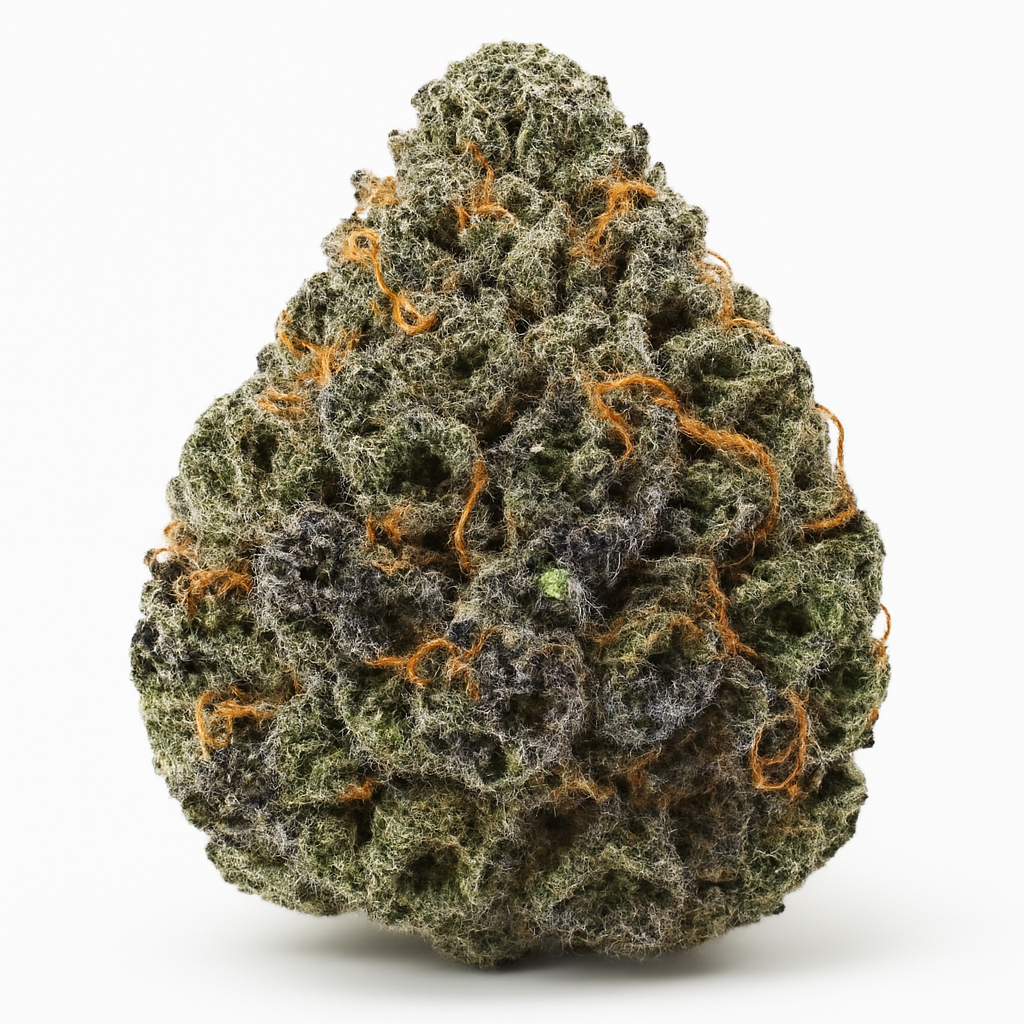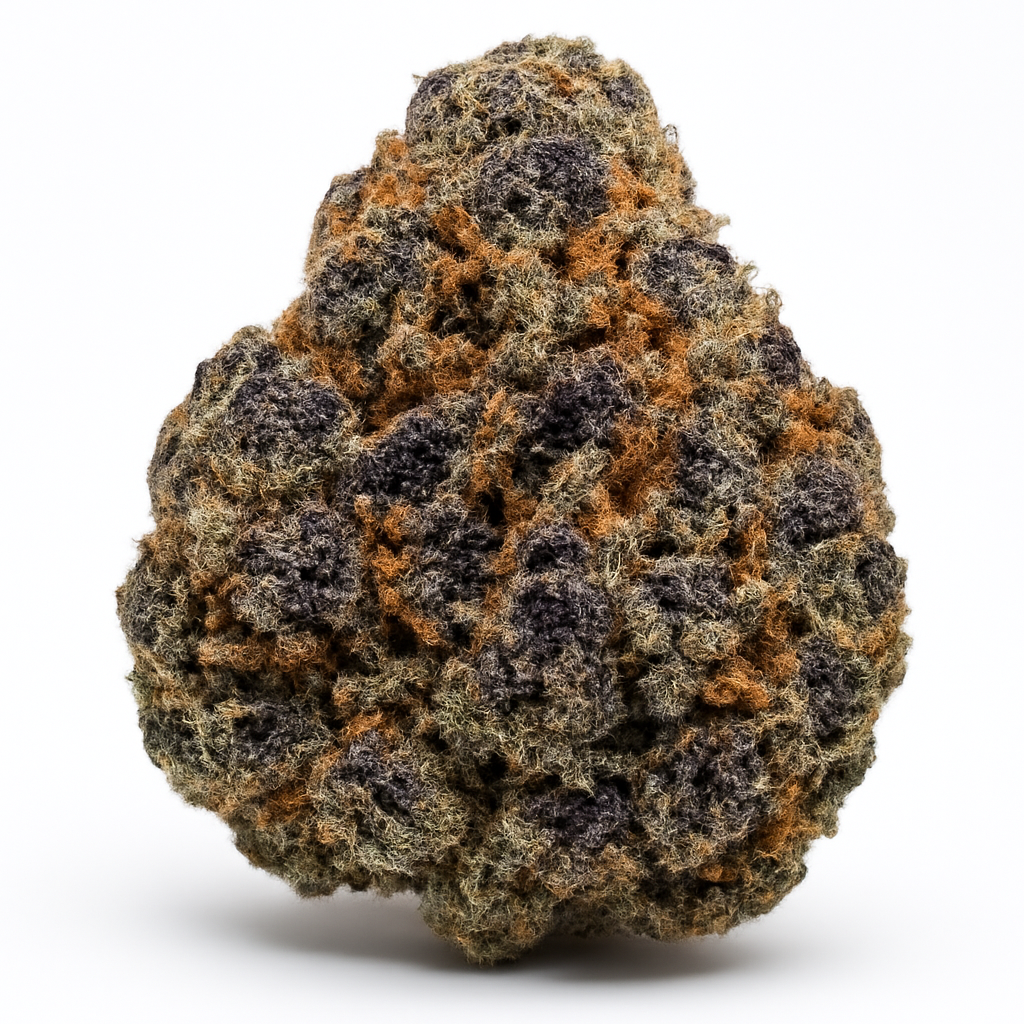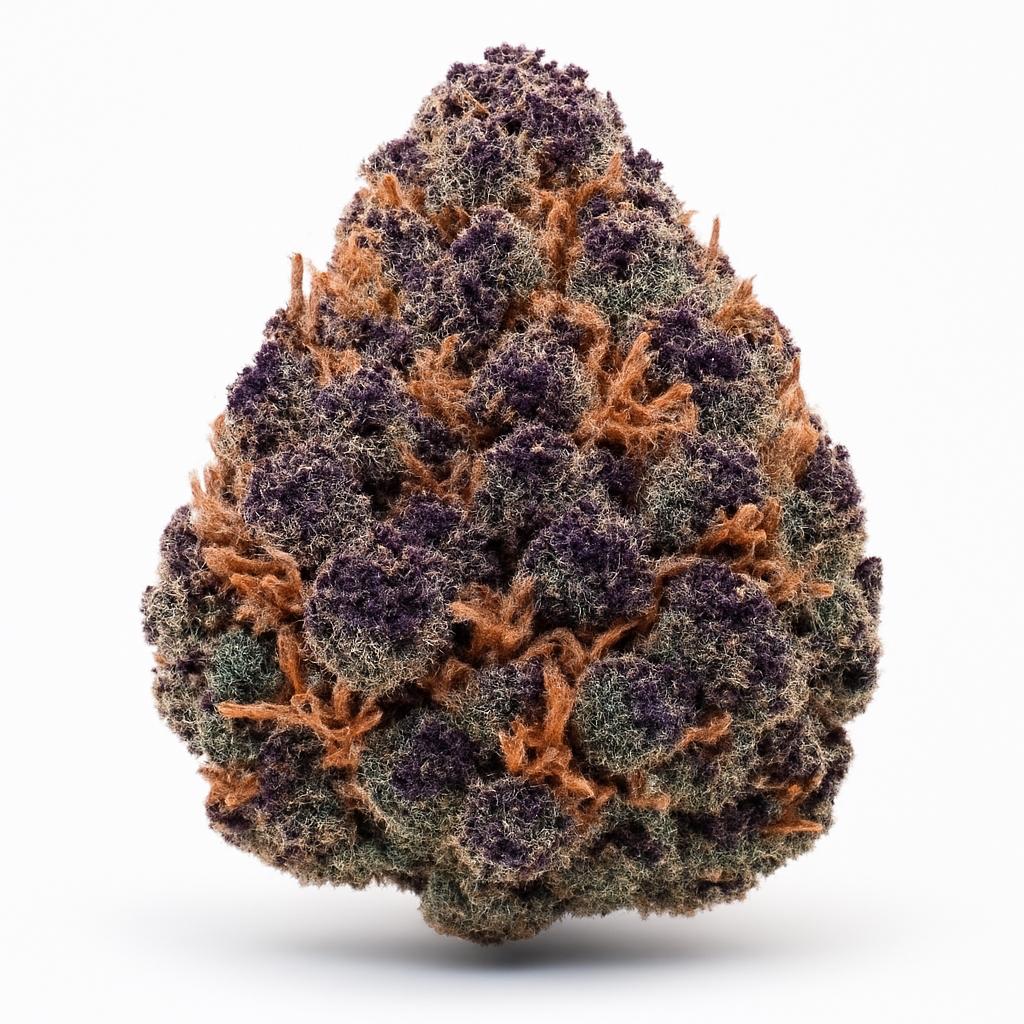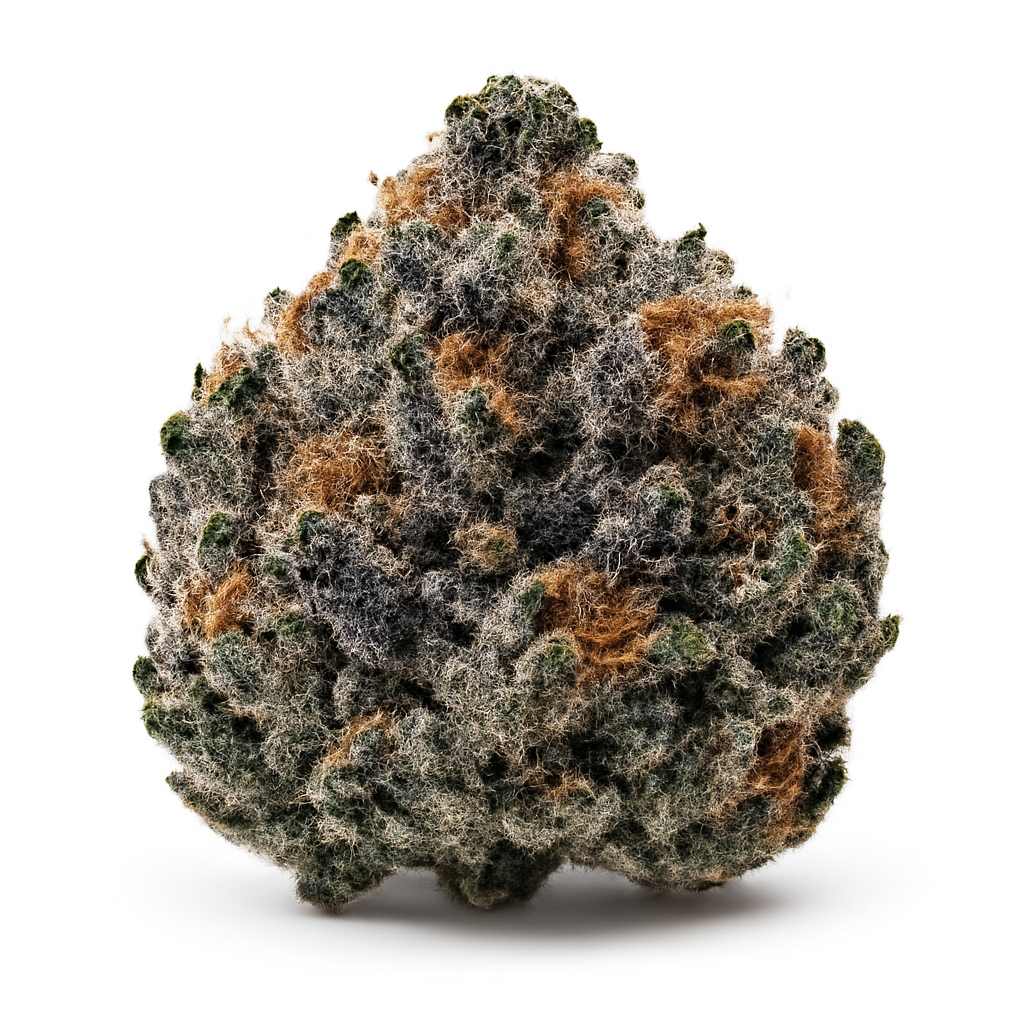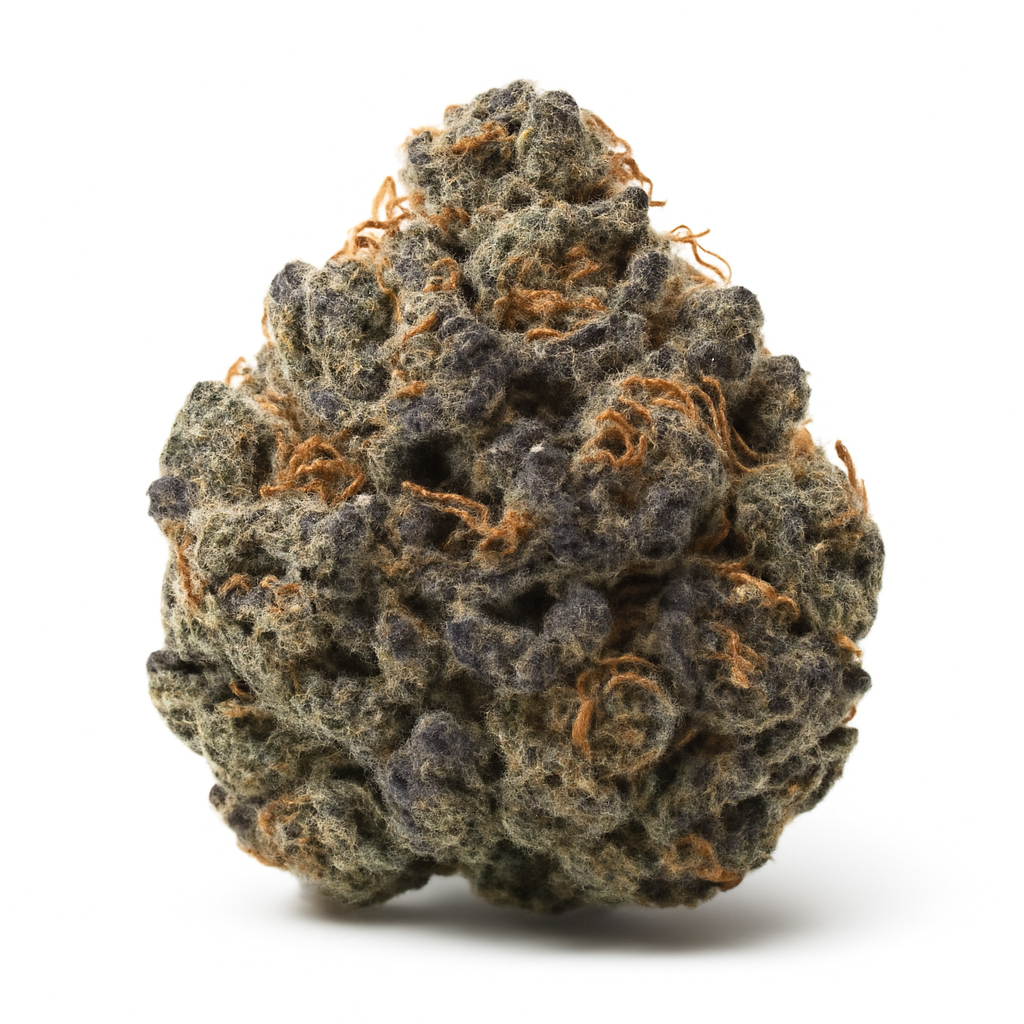
Representative image of Purple Bud
Purple Bud is an indica that leans into the classic couch‑comfort of its lineage while running a bit lighter on THC than many modern entries. Expect sleep‑encouraging sedation with savory lavender and pine notes and a quietly potent bouquet of pepper and herbal terpenes.
What Is the Purple Bud Strain?
Purple Bud is an indica offering with roots in two old‑school Afghan genetics: Purple Kush and Afghani. Its reported cannabinoid profile lists 16% THC and 1% CBG, positioning it as a more approachable indica in terms of strength. This is the kind of strain built for relaxation rather than high‑octane cerebral charge.
Purple Bud Effects
Users most often report a heavy, sleep‑leaning relaxation from Purple Bud - 'sleepy' is the dominant descriptor, followed by increased appetite and a surprisingly arousing undertone. The combination of sedation and appetite stimulation suggests a body‑focused experience that can still carry a low‑level of sensuality, rather than a purely numbing knockout.
Purple Bud Flavors & Aroma
Purple Bud’s flavor profile centers on lavender, pepper and pine, creating a herbal, slightly floral smoke with a spicy backbone and a crisp evergreen finish. The lavender gives a fragrant softness up front, pepper adds a sharp bite on the exhale, and pinene rounds things out with a clean, resinous pine aftertaste.
Terpene Profile of Purple Bud
The listed terpenes - myrcene, caryophyllene and pinene - line up with what users report. Myrcene (noted as herbal) is commonly associated with sedative, couch‑calm effects and can deepen the strain’s relaxing character. Caryophyllene (pepper) contributes the spicy aroma and is often linked to comforting, body‑oriented sensations. Pinene (pine) brings the fresh, resinous top notes and can help keep the high from feeling completely fogged.
What Does Purple Bud Help With?
Anecdotally, people turn to Purple Bud for lack of appetite, pain relief, and stress relief. Those reported uses reflect its body‑forward indica nature and the blend of terpenes that emphasize calming, grounding sensations. These are user reports rather than medical claims, but they do match what you’d expect from a Kush‑heavy profile.
Purple Bud Side Effects & Negatives
Reported negatives for Purple Bud include dry eyes, dry mouth and occasional dizziness. Because its dominant effect is sleepiness, newcomers should dose conservatively to avoid over‑sedation; staying hydrated and avoiding activities that require clear focus until you know how it affects you are sensible precautions.
Purple Bud Genetics & Lineage
Purple Bud comes from Purple Kush and Afghani, two classic indica ancestors. That lineage explains its dense, sedative character, earthy and floral aromatics, and the tendency toward purple hues and resinous buds. The genetic background is squarely in indica territory, favoring body effects and night‑time use.
Purple Bud THC & CBG Content
At 16% THC, Purple Bud sits below the catalog average (around 20%), which makes it milder than many contemporary strains. The 1% CBG adds a minor cannabinoid presence but isn’t at a level likely to dominate the experience. In practice, Purple Bud’s lower THC means beginners may find it easier to manage, while regular consumers should still dose with the strain’s strong indica effects in mind.
Is Purple Bud Indica or Sativa?
Purple Bud is classified as an indica. That generally implies a body‑centered effect profile: relaxation, sleepiness, and appetite stimulation rather than an uplifting, energetic cerebral high. Its reported effects and terpene mix are consistent with classic indica expectations.
Who Is Purple Bud Best For?
Purple Bud is best reserved for evening or late‑night use, especially when the goal is relaxation, unwinding, or encouragement of appetite. Because its THC is modest relative to the catalog average but its effects skew strongly sedative, it's a reasonable choice for users who want a pronounced indica feel without the highest THC numbers. Novice users should start small to avoid dizziness and dry mouth; experienced indica fans will appreciate its straightforward, Kush‑heavy character.
Our Take on Purple Bud
We view Purple Bud as a dependable, traditional indica that trades top‑shelf potency for a more measured, classic Kush experience. Its 16% THC and 1% CBG deliver approachable strength, while the myrcene‑forward terpene profile and Afghani/Purple Kush lineage explain the pronounced sleepiness, appetite boost, and peppery‑pine aromatics. With a 3.9/5 average from 26 ratings, the community response is solid but not rapturous - it’s a cultivar people like for specific uses (nighttime relaxation, appetite) rather than a universal crowd‑pleaser. If you want a straightforward, old‑school indica that won’t hit as hard as modern high‑THC hybrids, Purple Bud is worth trying; if you’re chasing potent, energetic highs or daytime clarity, look elsewhere.
Purple Bud FAQ
Is Purple Bud an indica or sativa?
Purple Bud is an indica.
How strong is Purple Bud?
Purple Bud has 16% THC and 1% CBG, which is below the catalog average of about 20% THC, making it moderately potent.
What effects does Purple Bud produce?
Reported effects include sleepiness, increased hunger, and arousal, indicating a body‑focused, relaxing experience.
What does Purple Bud taste and smell like?
Users report flavors and aromas of lavender, pepper and pine - a floral top note with a spicy backbone and resinous pine finish.
What conditions do people commonly use Purple Bud for?
Anecdotally, people use Purple Bud to help with lack of appetite, pain, and stress; these are user reports rather than medical recommendations.
What side effects should I expect from Purple Bud?
Reported negatives include dry eyes, dry mouth and dizziness; dosing conservatively and staying hydrated are sensible precautions.