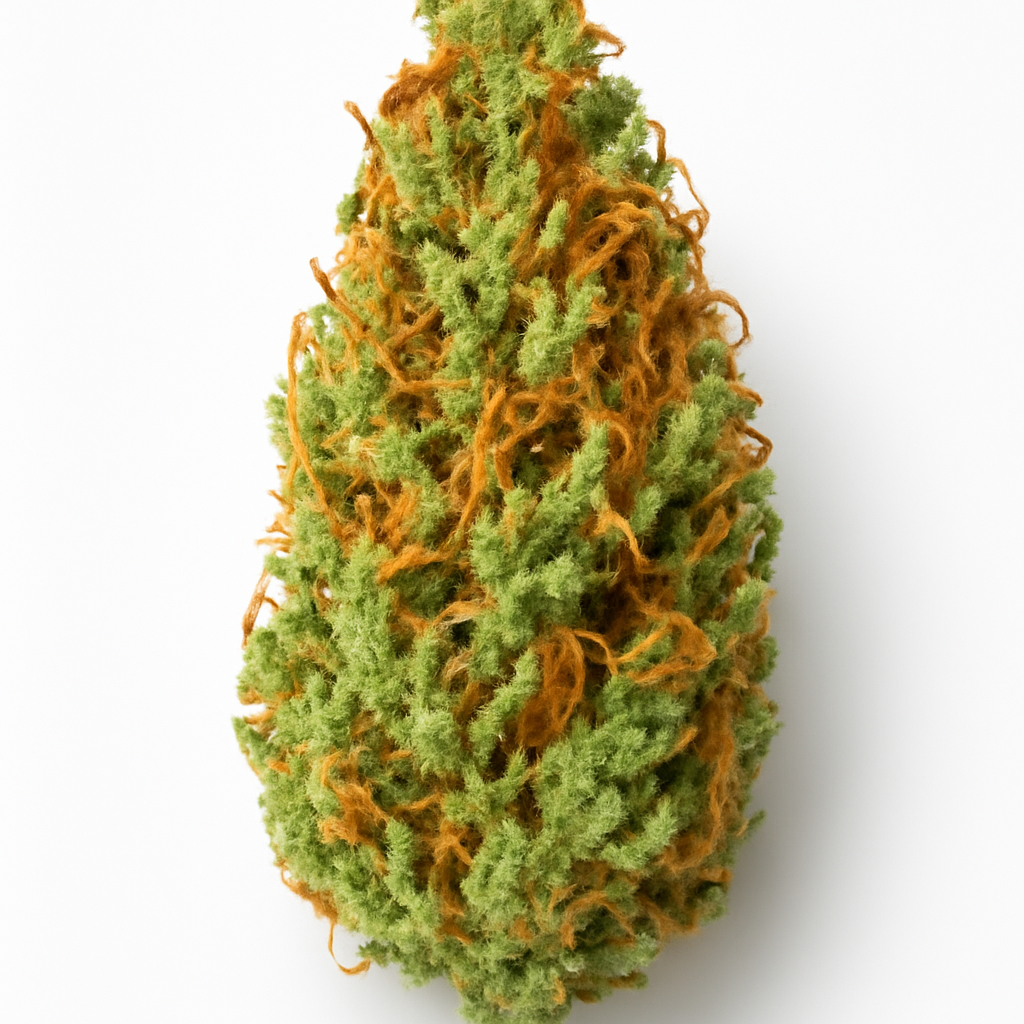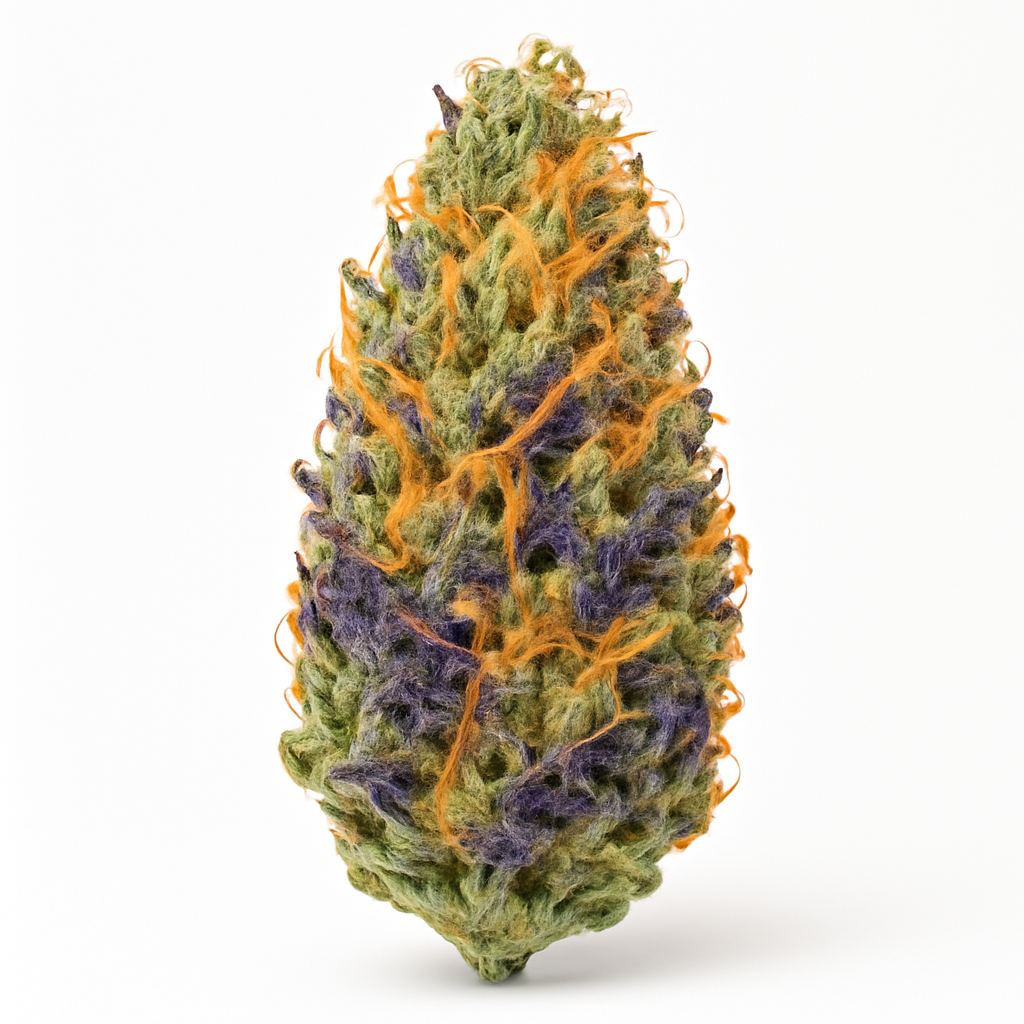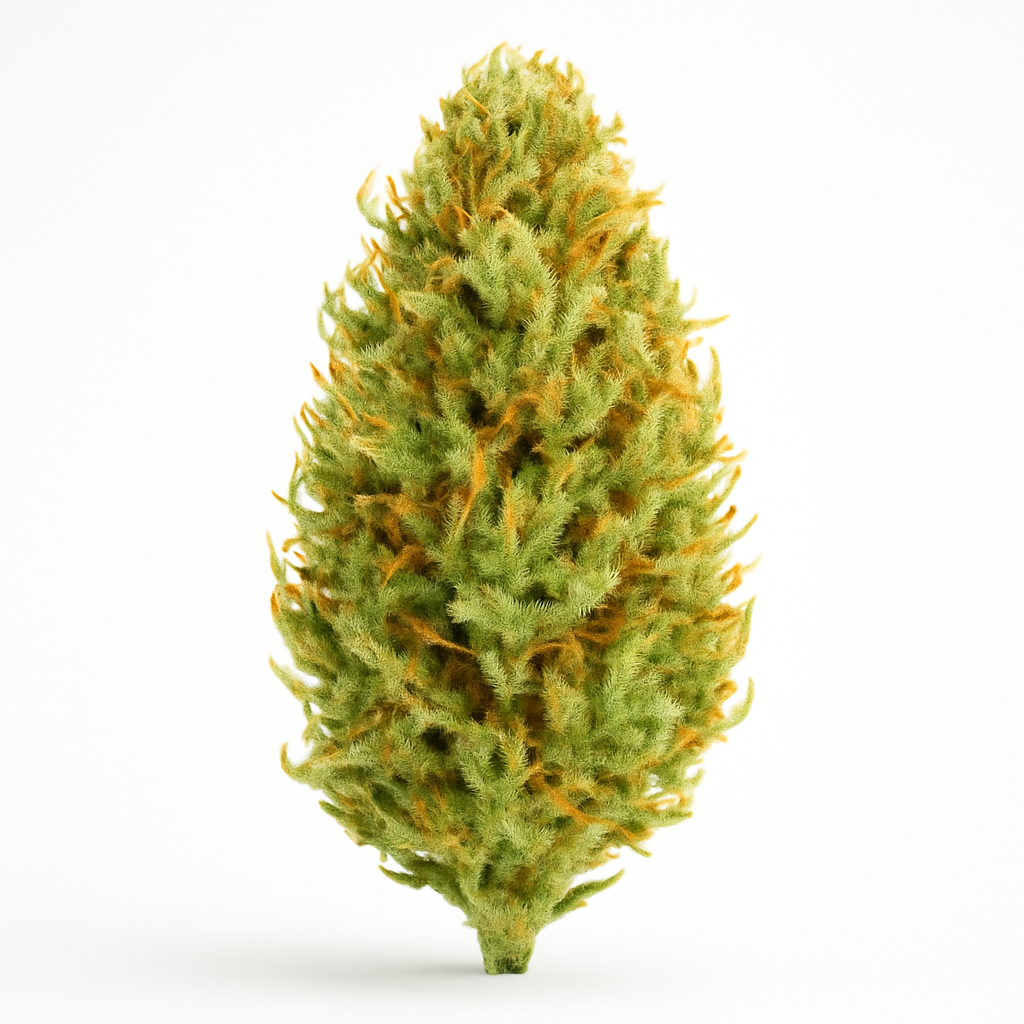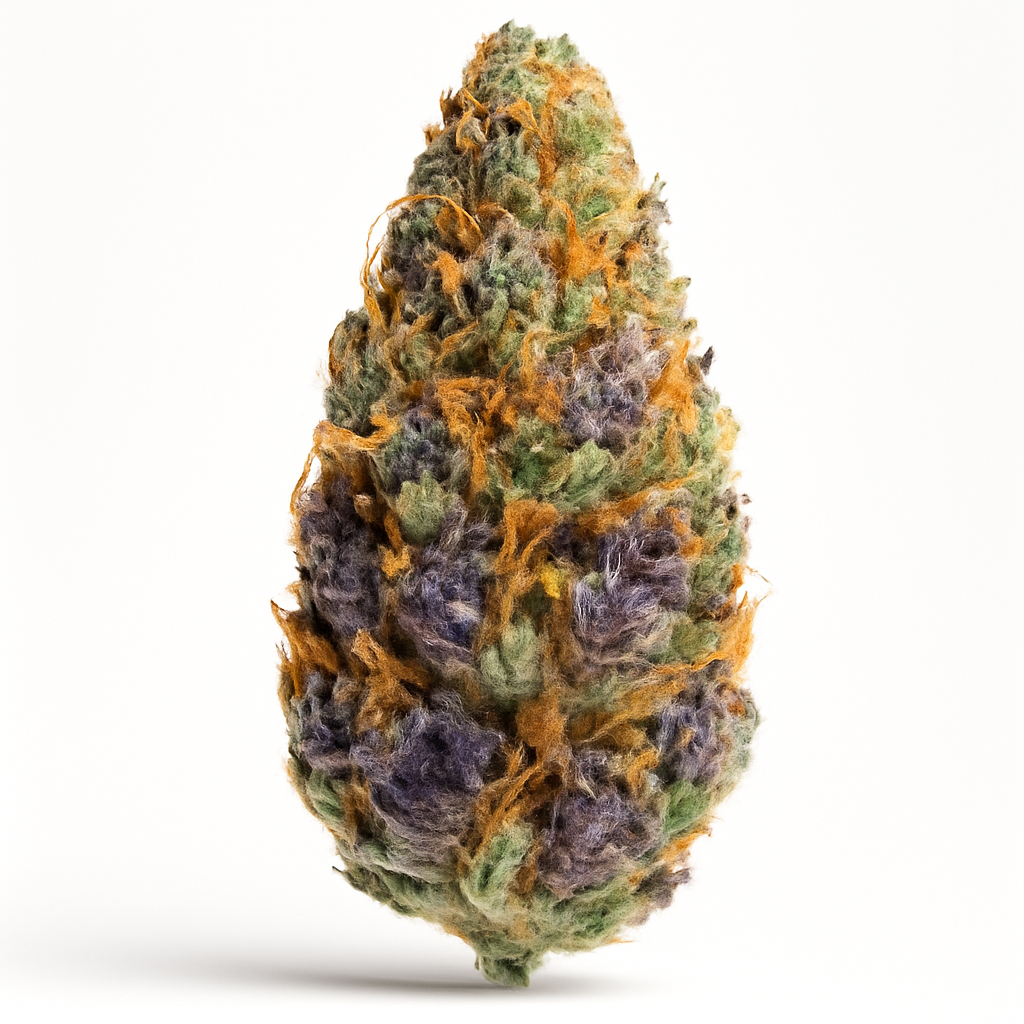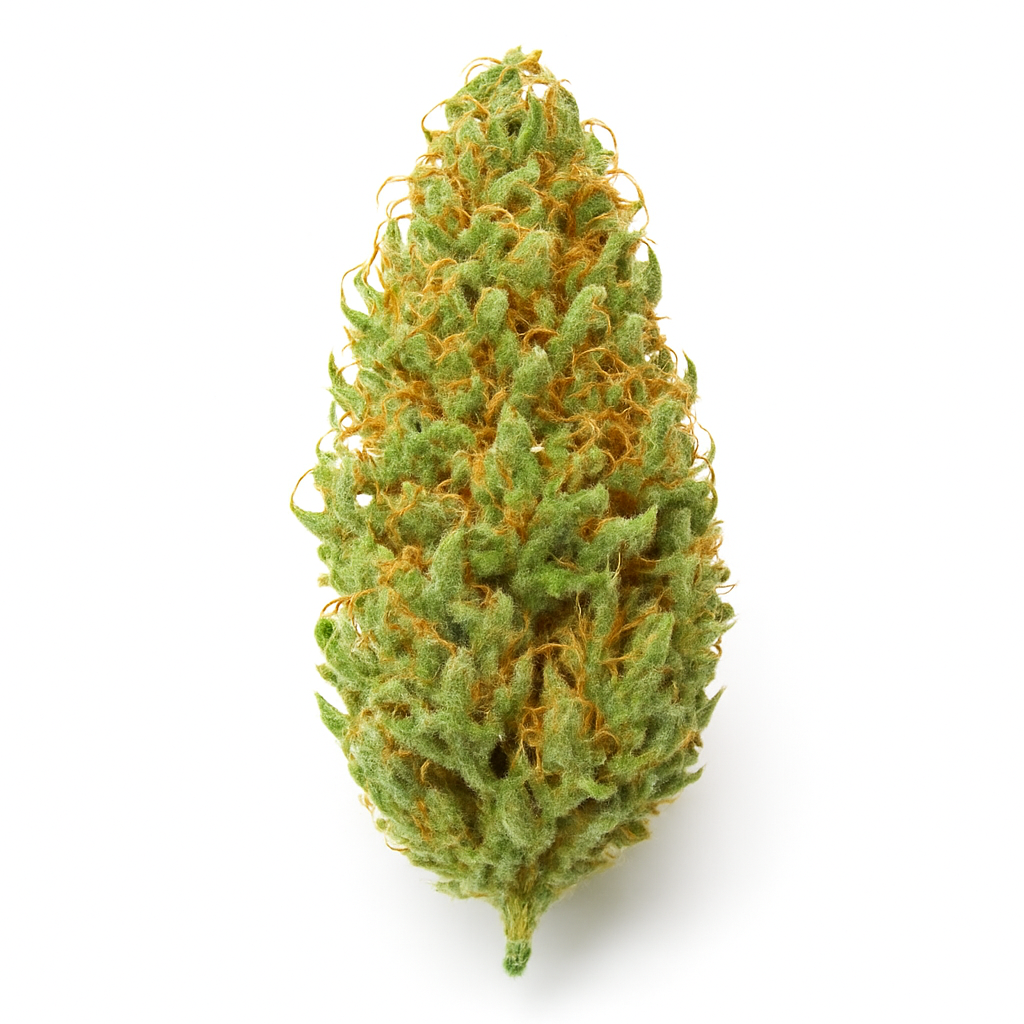
Representative image of Tangie
Tangie is a bright, sativa-leaning cultivar known for its citrus-forward personality and sociable lift. With a measured 17% THC and a touch of CBG, it favors clear energy over heavy sedation.
What Is the Tangie Strain?
Tangie is a sativa variety bred from Skunk 1 and California Orange, presenting a citrus-forward aroma and an uplifting profile. Its lab numbers list 17% THC and 1% CBG, placing it in the moderate-potency range among modern strains while keeping a distinctly sativa character.
Tangie Effects
Users report an energetic, uplifted, and talkative high from Tangie. Expect a cerebral brightness that tends to encourage conversation, creativity, and activity rather than couch-lock. That said, the sativa lift can sometimes run into jittery territory for those already sensitive to stimulating cannabis.
Tangie Flavors & Aroma
Tangie carries clear orange and citrus tones with a tropical sweetness underneath, delivering a juicy, fruit-forward inhalation. The aroma and taste skew bright and zesty rather than heavy or diesel-like, which is why it’s commonly chosen for daytime use.
Terpene Profile of Tangie
The dominant terpenes listed are myrcene (herbal), terpinolene (fruity), and pinene (pine). Myrcene can add an herbal, grounding backdrop, terpinolene contributes floral-fruity lift that complements Tangie’s citrus notes, and pinene brings a fresh pine tang and a perceptible crispness that can sharpen focus. Together they help shape the strain’s upbeat, clear-headed profile.
What Does Tangie Help With?
Anecdotally, people reach for Tangie when they want relief from stress, mild depression, or anxiety while staying active and engaged. Its uplifting, social energy is often reported as useful for mood elevation and breaking stagnation, though outcomes vary by individual and dose.
Tangie Side Effects & Negatives
Reported downsides include feeling anxious, experiencing headaches, and dry mouth. Because Tangie leans energetic, those prone to anxiety should start with small amounts and pause if jitteriness appears. Hydration and measured dosing can reduce dry mouth and lower the risk of uncomfortable aftereffects.
Tangie Genetics & Lineage
Tangie’s parents are Skunk 1 and California Orange, a lineage that explains both its classic cannabis backbone and its pronounced citrus character. Skunk 1 contributes a time-tested structural and aromatic base, while California Orange leans into the tangy, sweet citrus notes that define Tangie’s flavor profile.
Tangie THC & CBG Content
At 17% THC Tangie sits below our catalog’s average of around 20% THC, so it’s milder than many contemporary offerings but still potent enough to produce a clear sativa buzz. The 1% CBG is present in small amount and may subtly modulate the overall experience; novice users should treat Tangie as moderately strong and dose accordingly.
Is Tangie Indica or Sativa?
As a sativa, Tangie typically favors cerebral stimulation, energy, and sociability rather than deep body relaxation. Expect effects that are head-centered and activating, suitable for daytime or creative use when you want mental lift rather than sedation.
Who Is Tangie Best For?
Tangie is best for daytime socializing, creative tasks, and outdoor activities when you want to stay upbeat and talkative. Its slightly-lower-than-average THC makes it approachable for many consumers, but those new to sativas or with anxiety should begin with a low dose and gauge their response. Keep water handy to counter dry mouth, and avoid high doses if you’re prone to headaches or nervousness.
Our Take on Tangie
We like Tangie for what it aims to be: a sunny, citrus-forward sativa that favors clarity and conversation over heavy potency. Its 17% THC places it under the catalog average, which makes it a reliable pick for users who want sativa energy without the wallop of more concentrated modern hybrids. The terpene mix of myrcene, terpinolene, and pinene lines up with the reported uplift and focus, and the 4.4/5 rating from 1,304 reviews suggests broad, consistent appeal. That said, anyone sensitive to stimulatory effects or susceptible to headaches should approach Tangie with measured doses. Overall, we recommend it for daytime users seeking bright, social uplift and citrus flavor; those seeking deep relaxation or very high THC should look elsewhere.
Tangie FAQ
Is Tangie an indica or sativa?
Tangie is a sativa and typically produces uplifting, energetic, and cerebral effects.
How strong is Tangie (THC/CBG)?
Tangie measures about 17% THC with 1% CBG, making it moderately potent compared with the catalog average of roughly 20% THC.
What does Tangie taste like?
Tangie has pronounced orange and citrus flavors with tropical sweetness, presenting a bright, zesty aroma and taste.
What effects can I expect from Tangie?
Users commonly report feeling energetic, uplifted, and talkative-an engaging, social sativa uplift rather than heavy sedation.
What are common side effects of Tangie?
Reported negatives include feeling anxious, experiencing headaches, and dry mouth; start with a low dose and stay hydrated to reduce risks.
Who should try Tangie?
Tangie suits daytime users who want creative or social uplift and appreciate citrus flavors; those prone to anxiety or seeking deep relaxation may prefer a different strain.