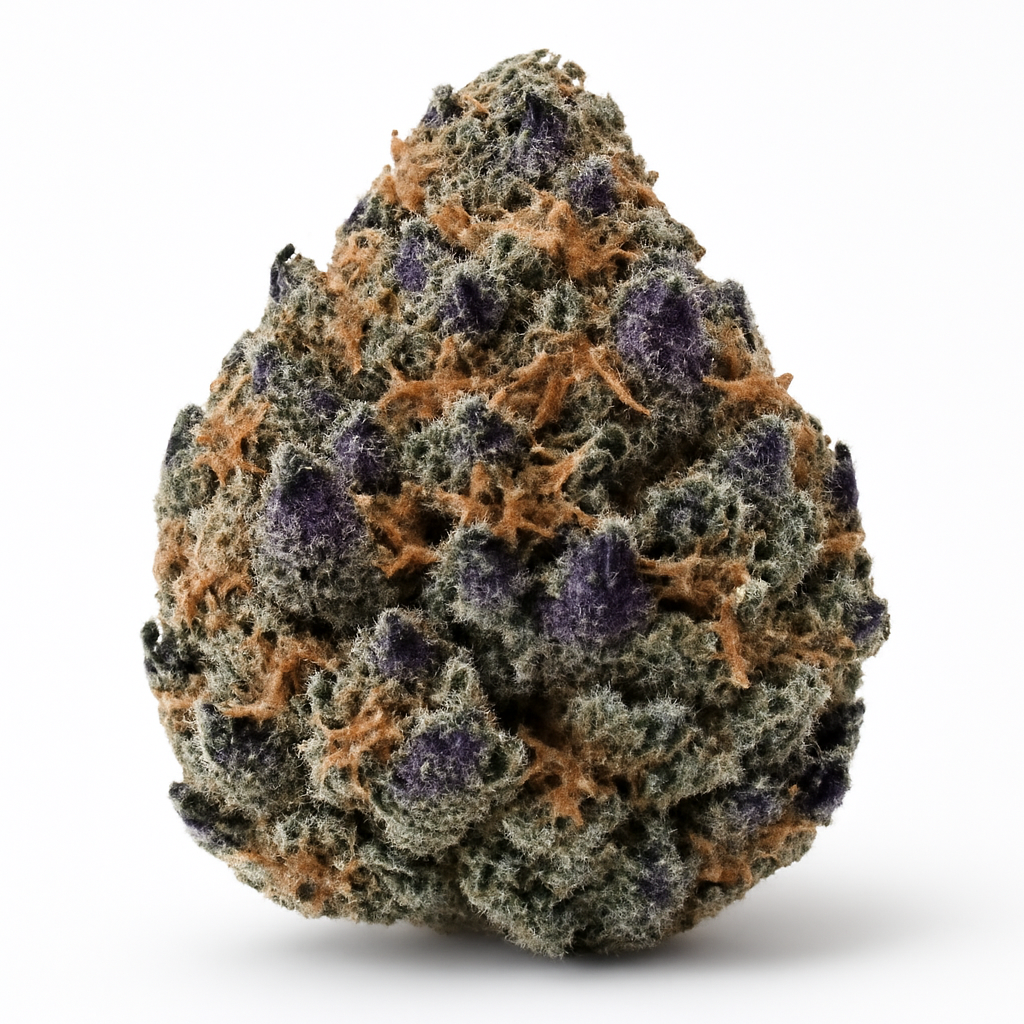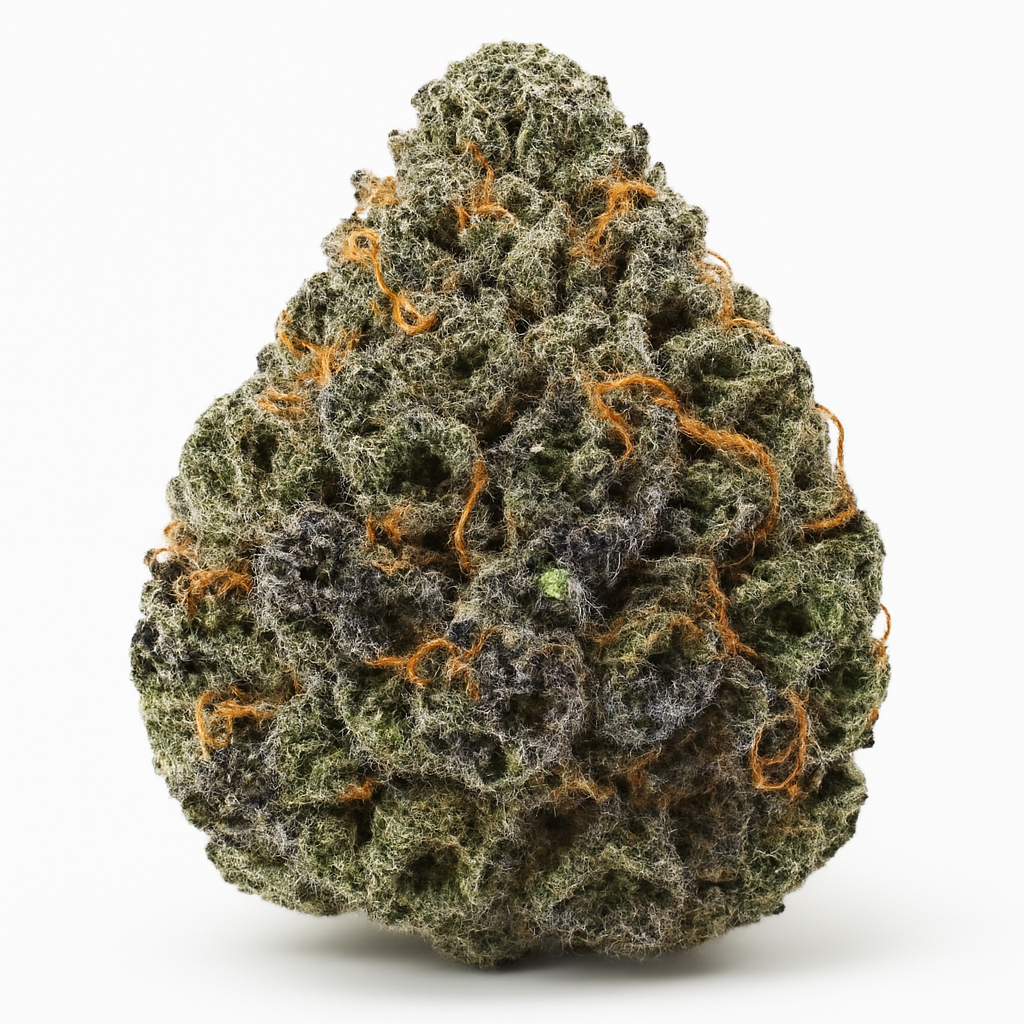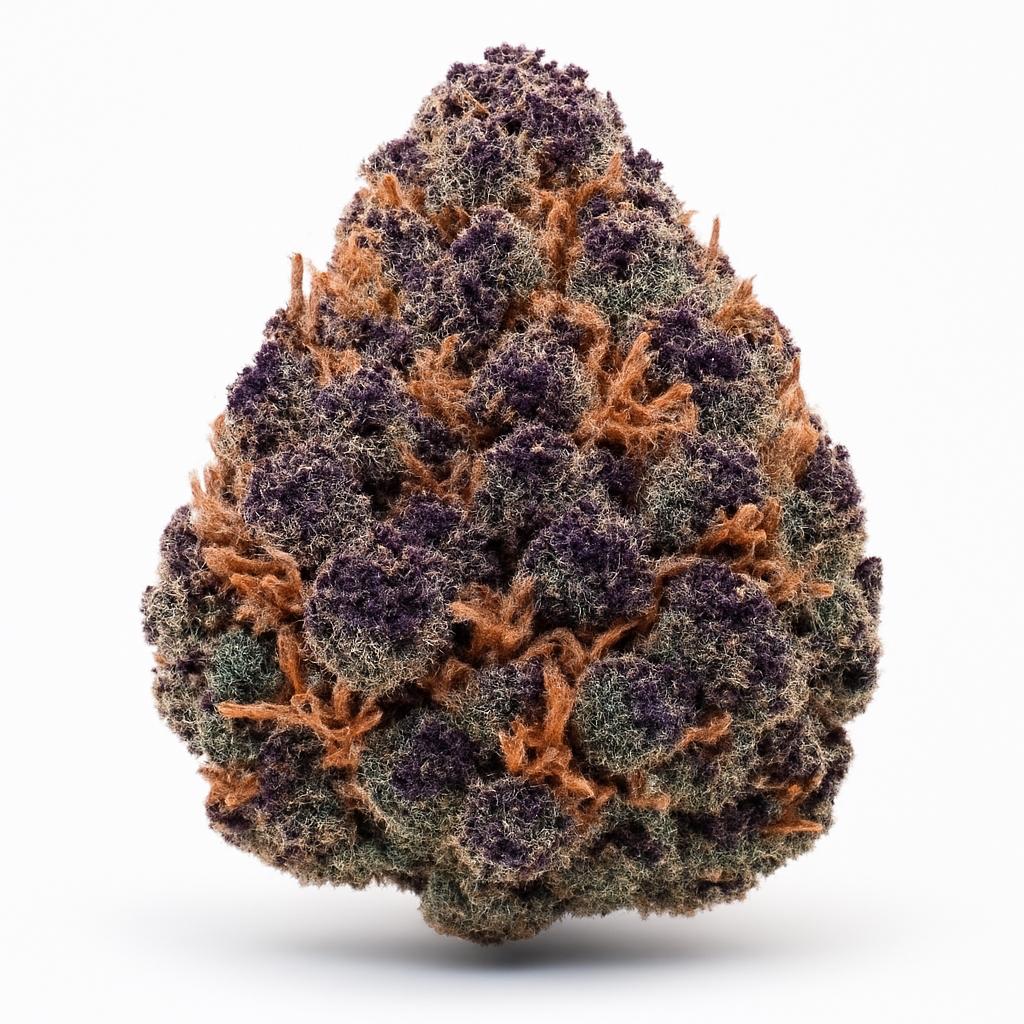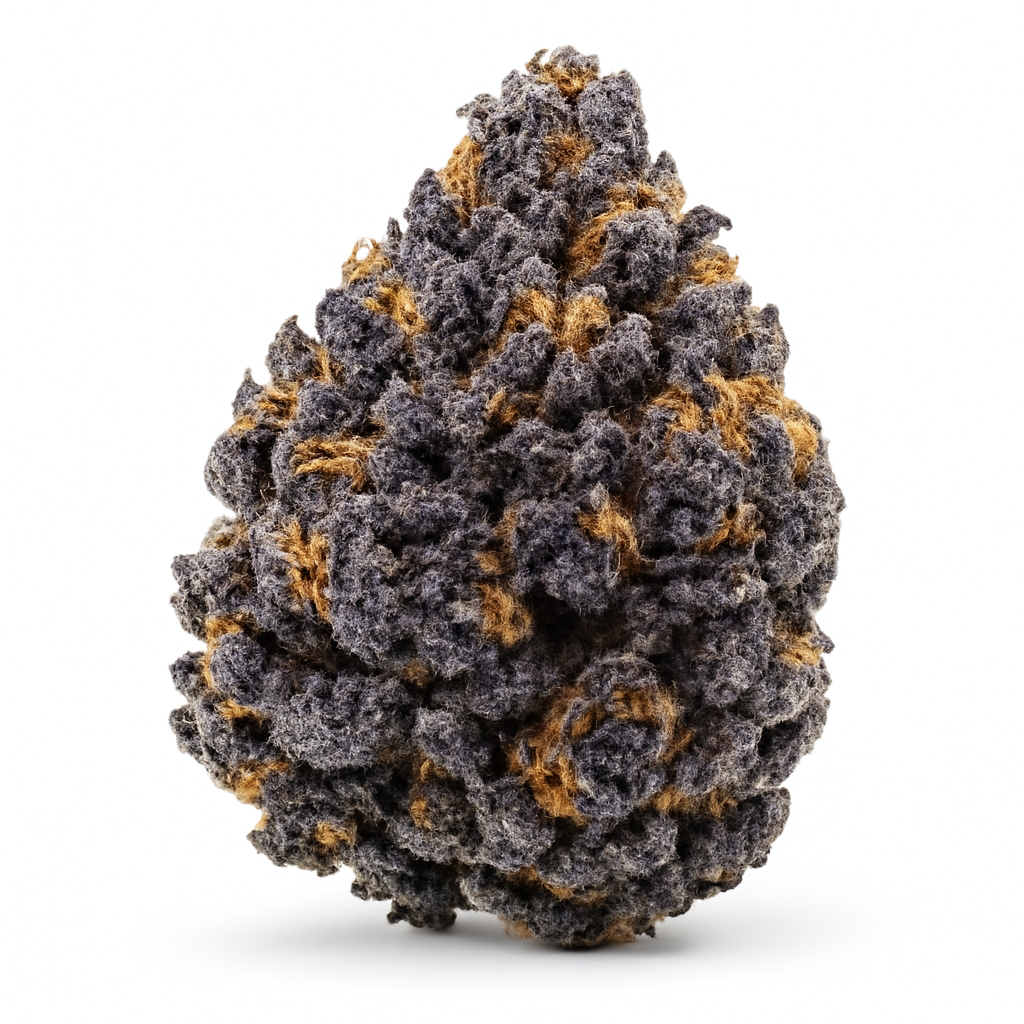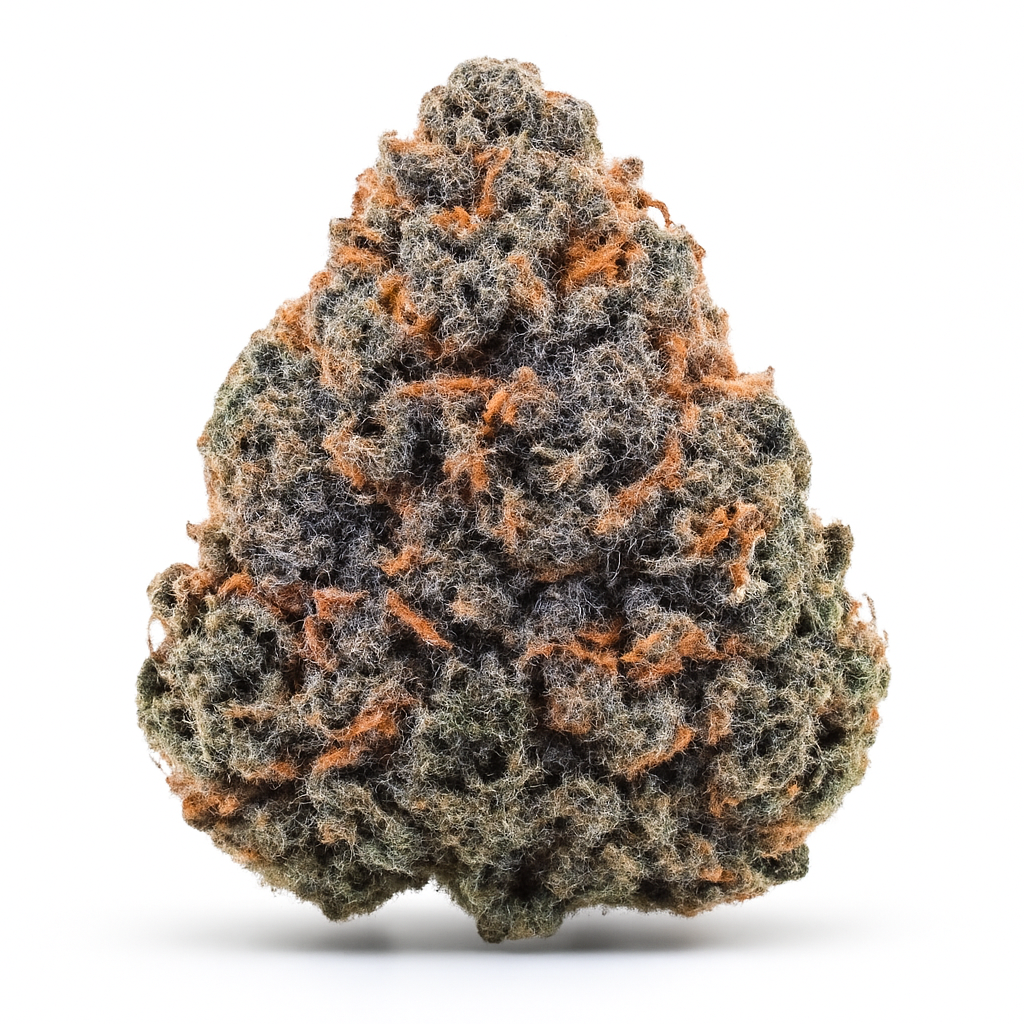
Representative image of Tina
Tina is an indica-forward strain with a grounded, body-focused character and a resinous, tarry aroma. At 19% THC and 1% CBG, it leans into soothing, sleep-friendly effects while retaining a complex, pungent flavor profile.
What Is the Tina Strain?
Tina is classified as an indica and traces its lineage to the StarBud parent. With lab numbers showing 19% THC and a modest 1% CBG, it sits in the mid-range for modern commercial strains - clearly designed for relaxation rather than heady stimulation.
Tina Effects
Users report a distinctly sleepy and relaxed experience with Tina, often accompanied by a tingly, full-body sensation. The overall impression is one of slow unwinding: mental quieting gives way to physical relaxation, making it feel more like a nightcap than a daytime pick-me-up.
Tina Flavors & Aroma
The flavor profile is unapologetically bold: tar-like resin notes and a heavy, pungent funk dominate on the inhale, with a dry, slightly astringent tea note on the finish. It’s not subtle - expect a dense, savory smoke or vapor that lingers on the palate.
Terpene Profile of Tina
Tina’s dominant terpenes include limonene, caryophyllene, and pinene. Limonene contributes citrus brightness and is often associated with mood-lifting qualities, caryophyllene brings peppery spice and is known for its interaction with cannabinoid receptors, and pinene adds a clean pine topnote. Together these terpenes can shape aroma and may modulate the overall effect through the entourage effect.
What Does Tina Help With?
Anecdotal reports list Tina as helpful for stress, anxiety, and inflammation. Consumers commonly turn to it when they want to unwind physically and mentally at the end of the day, and the terpene mix aligns with those reported uses, though individual responses vary.
Tina Side Effects & Negatives
Some users report negative reactions such as headache, paranoia, or increased anxiety. Because those side effects appear in the feedback, we advise starting with a low dose and pausing if symptoms emerge, especially for people prone to anxiety or headaches.
Tina Genetics & Lineage
Tina descends from StarBud, and that parentage helps explain both its resinous, tarry aroma and indica-leaning sedative profile. While StarBud is the only listed ancestor, that lineage appears to have passed on a dense, pungent cannabinoid and terpene character.
Tina THC & CBG Content
At 19% THC Tina is just below the catalog’s typical ~20% benchmark - not a light strain, but not among the highest-potency offerings either. The 1% CBG is modest but can add subtle entourage effects; overall dosing should be conservative for newcomers and moderate for regular consumers.
Is Tina Indica or Sativa?
As an indica, Tina tends toward body-centered effects: relaxation, heaviness, and sleepiness rather than cerebral uplift. That classification is consistent with the reported sleepy and tingly sensations users experience.
Who Is Tina Best For?
Tina is best saved for evenings, quiet nights in, or any situation where physical relaxation and sleep are the goal. Its mid-range potency makes it suitable for many regular users, but novices should start small. Avoid activities requiring focus or coordination, and consider microdosing or vaporizing to better control intake.
Our Take on Tina
We find Tina to be a solid, no-frills indica that delivers on relaxation and a pungent sensory profile. Its THC sits slightly under the catalog average, which makes it approachable for those seeking sedation without extreme potency, and the 4.4/5 rating from 29 reviewers suggests most users enjoy it. The terpene blend gives it an intriguing citrus-pepper-pine edge that complements the tarry base, but the reported headaches and occasional paranoia mean it won’t be right for everyone. In short: we’d recommend Tina to evening users who want a heavy, flavorful indica and to avoid it if you’re sensitive to anxiety or prone to adverse reactions.
Tina FAQ
Is Tina an indica or sativa?
Tina is classified as an indica, leaning toward body-focused and sedating effects.
How strong is Tina compared to other strains?
Tina tests at 19% THC, which is slightly below the catalog average of about 20% - mid-range potency overall.
What does Tina taste and smell like?
Expect a tarry, pungent aroma with a dry tea-like finish; the profile is bold and resinous rather than sweet.
What are the dominant terpenes in Tina and what do they do?
Tina’s main terpenes are limonene (citrus), caryophyllene (pepper), and pinene (pine); together they shape aroma and may influence mood and inflammation-related signaling.
What issues do people report Tina helping with?
Anecdotally, users report Tina helps with stress, anxiety, and inflammation, though individual results vary.