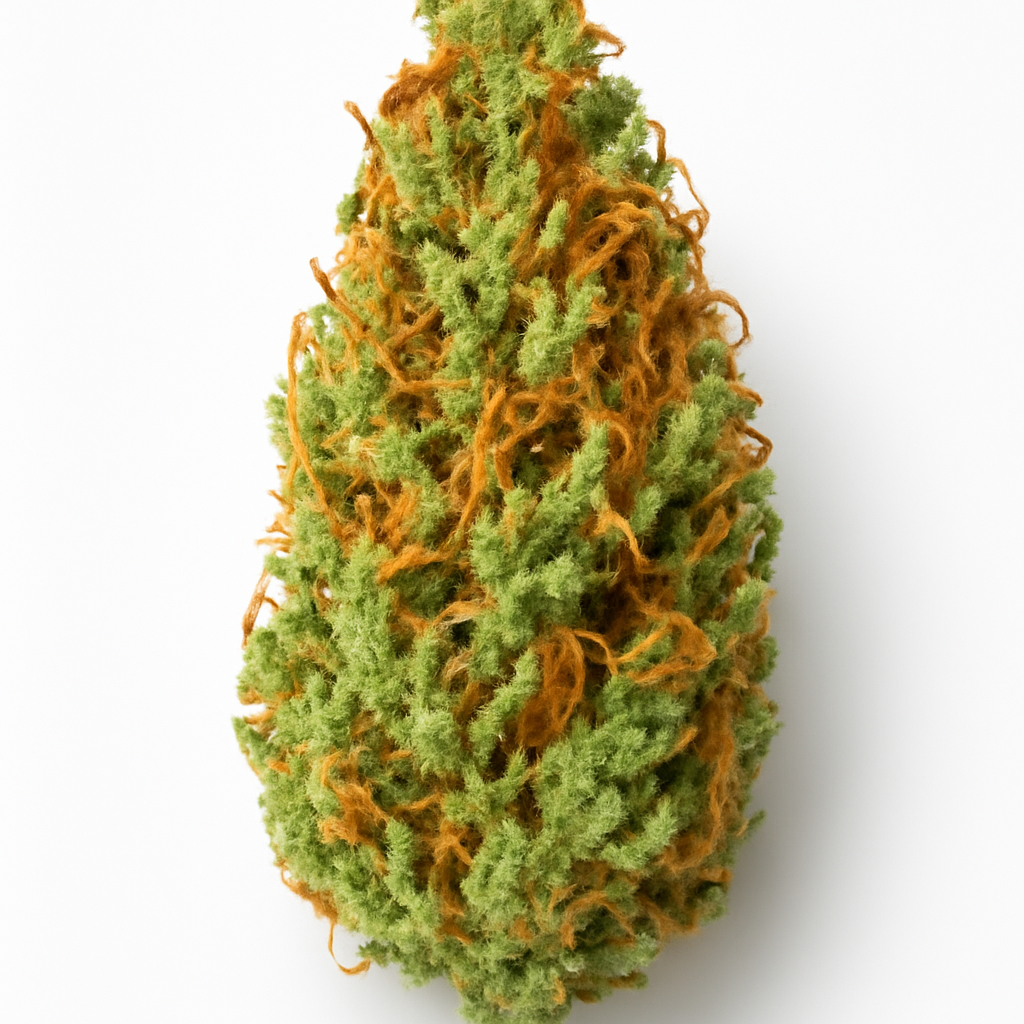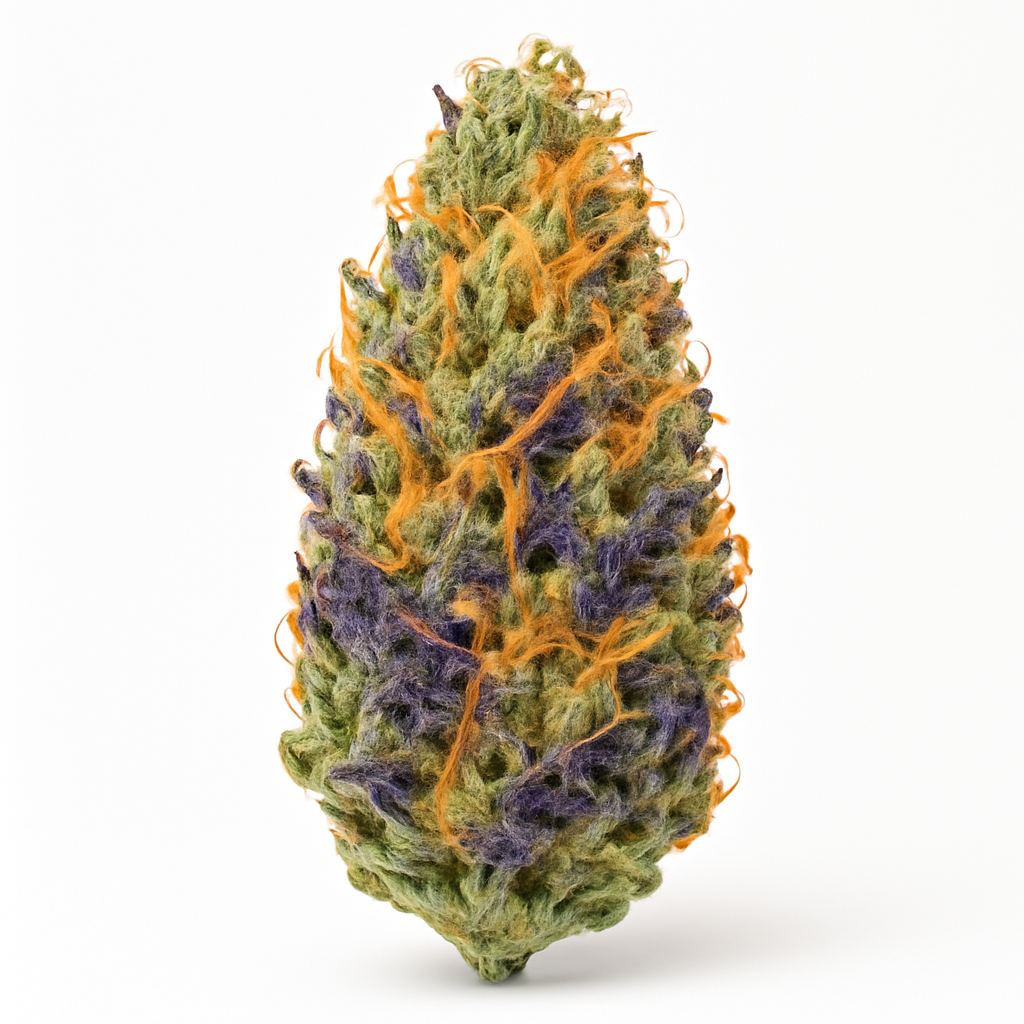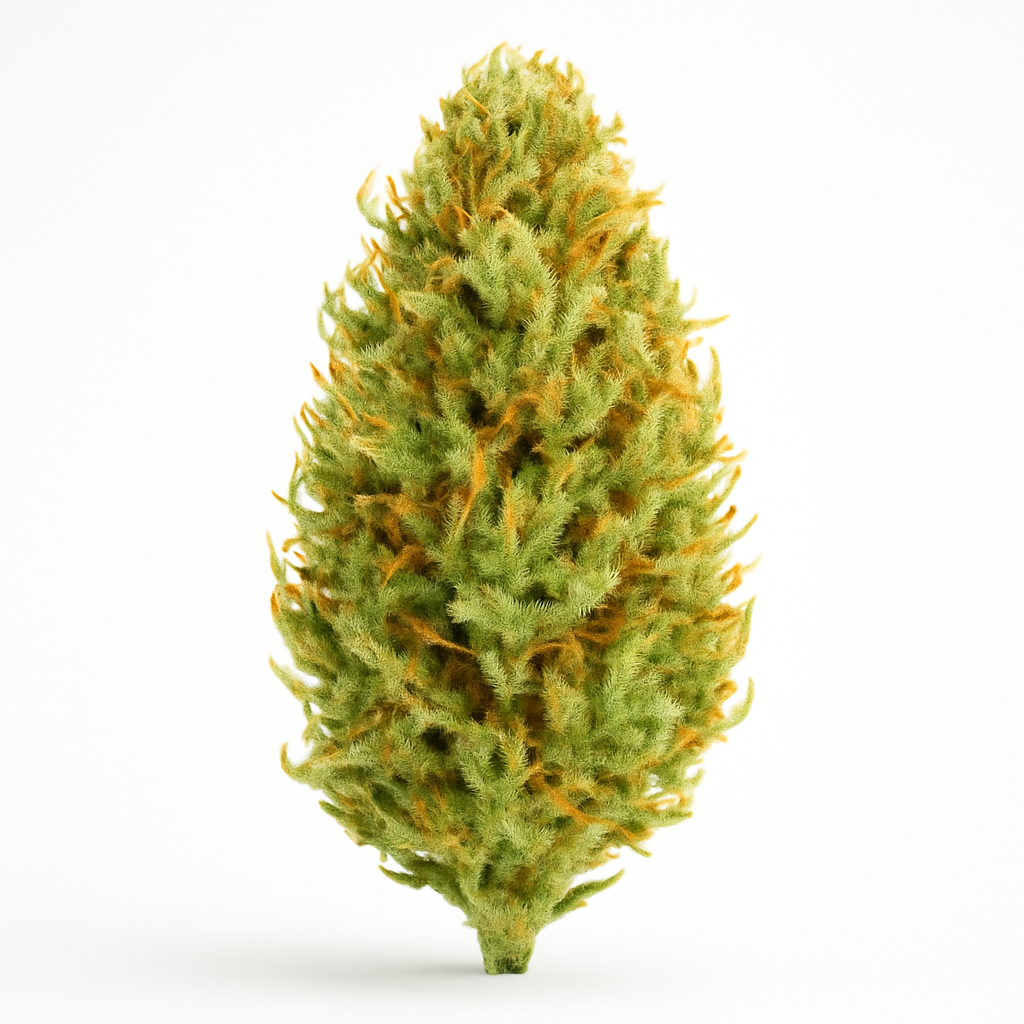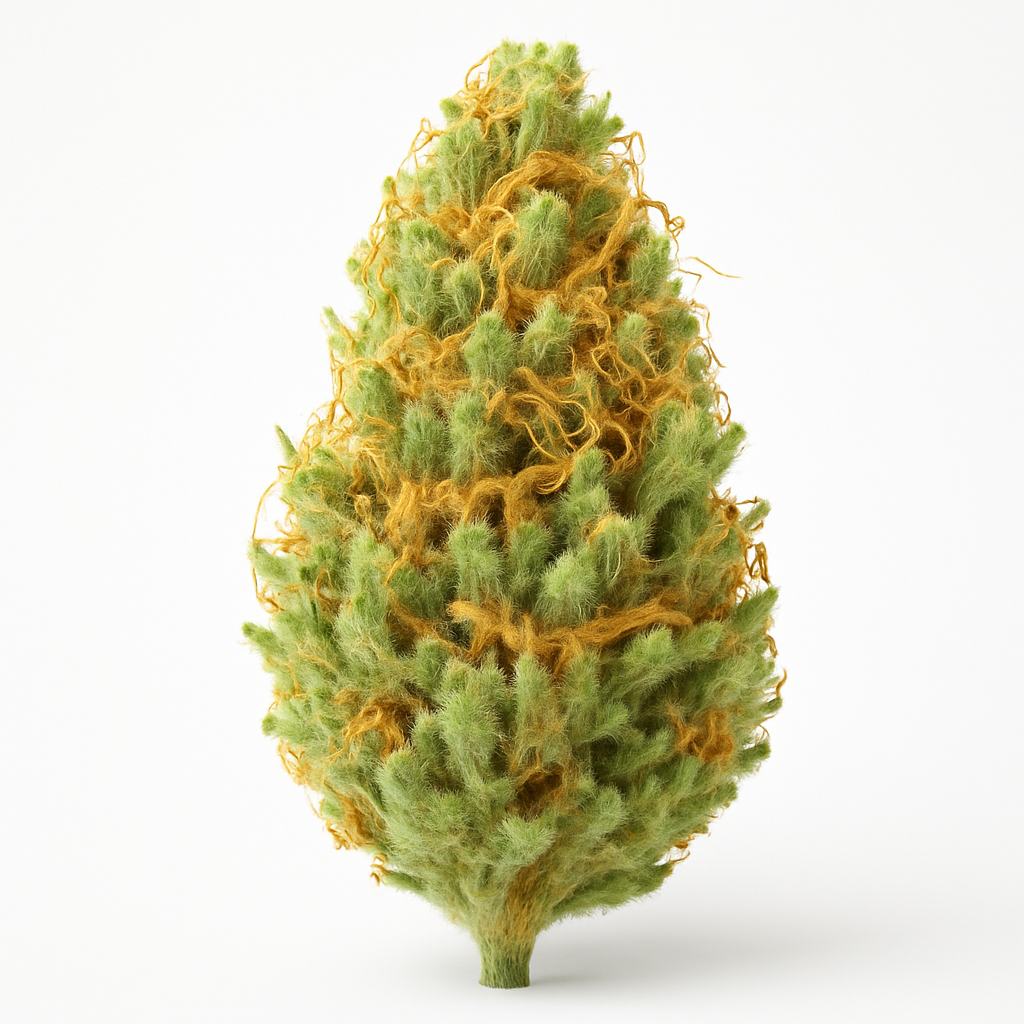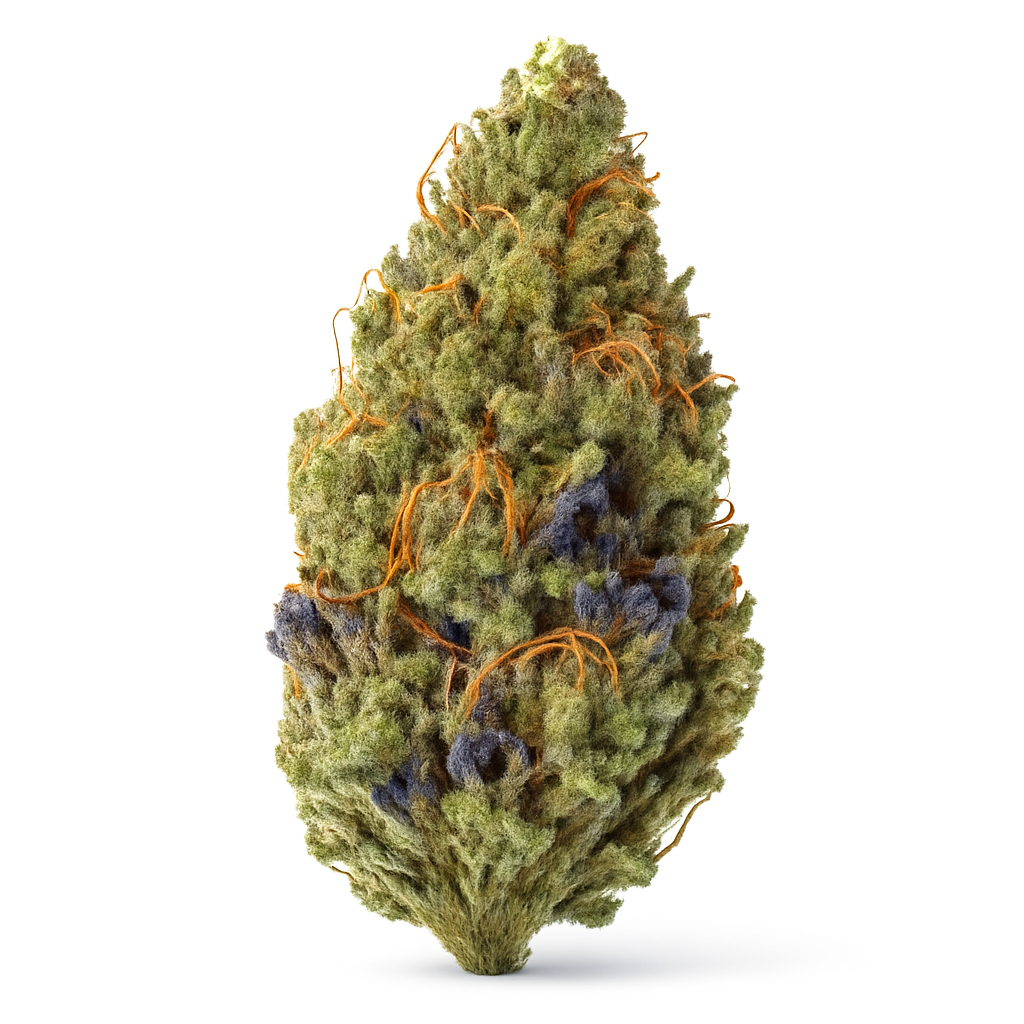
Representative image of Trinity
Trinity is a sativa-forward strain that delivers a lively, creative high without pushing THC beyond the average range. Its profile blends pungent skunk notes with a blueberry sweetness and an energetic lift that many users report as inspiring and motivating.
What Is the Trinity Strain?
Trinity is classified as a sativa and lists North American Indica among its parents, producing a hybrid character that skews uplifted and active. Lab numbers show 20% THC and 1% CBG, positioning Trinity as a moderately potent cultivar that aims for clarity and momentum more than sedation.
Trinity Effects
Reported effects for Trinity emphasize uplifted, energetic, and creative states - a combination that suits brainstorming, light socializing, or tasks that benefit from focus and a brighter mood. Because its experience is described as energizing rather than heavy, expect stimulation at typical doses and be wary of pushing too far if you’re sensitive to anxious or paranoid reactions.
Trinity Flavors & Aroma
The flavor profile mixes skunk and pungent earthiness with an underlying blueberry sweetness, so the first impressions tend toward bold, savory aromatics with a faint fruity finish. Expect the skunk and pungent notes to dominate on the nose while blueberry appears as a balancing sweeter thread on exhale.
Terpene Profile of Trinity
Trinity’s dominant terpenes are myrcene (herbal), caryophyllene (pepper), and limonene (citrus). Myrcene often brings an herbal, slightly musky scent that can smooth out harsher notes, caryophyllene adds a spicy, peppery bite and can influence the impression of intensity, and limonene supplies bright citrus top notes that align with the strain’s uplifting character. Together these terpenes likely help shape both the aroma and the active feel through entourage interactions.
What Does Trinity Help With?
Anecdotally, users turn to Trinity for depression, stress, and anxiety relief - reports suggest it can lift mood and inject energy during low or sluggish moments. These are user-reported effects and not medical claims, but the combination of limonene’s citrus lift and the sativa-dominant expression helps explain why many find it motivating for mood-related concerns.
Trinity Side Effects & Negatives
Commonly reported downsides include dry eyes and dry mouth, which are typical for many cannabis varieties, and occasional paranoia in sensitive users. To minimize unwanted effects, start with a low dose, stay hydrated, and avoid combining with high-stress environments or excessive alcohol.
Trinity Genetics & Lineage
Although Trinity is labeled a sativa, its parentage lists North American Indica, which suggests a hybridized background where indica genetics inform structure, resin production, or aroma while sativa traits dominate the high. That cross can create a cultivar that smells and tastes pungent yet still produces an uplifted, energetic cerebral profile.
Trinity THC & CBG Content
At 20% THC, Trinity sits right around the catalog average - potent enough to deliver noticeable effects but not in the extreme range that surprises most regular consumers. The 1% CBG is modest and likely contributes subtly to the overall cannabinoid mix rather than driving the experience. For most users this is an approachable strength, though newcomers should still dose conservatively.
Is Trinity Indica or Sativa?
As a sativa, Trinity generally leans toward cerebral stimulation, increased energy, and an uplifted mindset rather than deep physical sedation. That classification aligns with its reported effects and terpene-driven brightness, making it a better fit for daytime or active use than for sleep-focused needs.
Who Is Trinity Best For?
Trinity is best for daytime or early-evening activities that benefit from energy and creativity: writing, creative work, light social gatherings, or getting motivated for errands or exercise. Because its THC is average, it suits casual to experienced consumers, but those prone to anxiety should start low. Keep hydration on hand for dry mouth and take breaks if sensations trend toward paranoia.
Our Take on Trinity
We appreciate Trinity for delivering a clean, sativa-style uplift without the shock of very high THC - its 20% level and terpene mix create a clear, creative buzz that many users enjoy. The skunk-pungent aroma and blueberry hints give it character, while the North American Indica lineage appears to add structural depth. With a 4.3/5 average from 188 ratings, it’s clearly resonating with a broad audience; we’d recommend it to people seeking a reliable daytime creative boost. If you’re highly cannabis-sensitive or primarily after deep physical relaxation, you might look for something with a heavier indica profile instead.
Trinity FAQ
What type of strain is Trinity?
Trinity is classified as a sativa, though its listed parentage includes North American Indica, giving it hybrid aspects.
How strong is Trinity?
Trinity tests at 20% THC with 1% CBG, which places it around the typical potency level in our catalog-approachable but effective.
What effects can I expect from Trinity?
Users report feeling uplifted, energetic, and creative when using Trinity, making it suited for daytime activities and creative tasks.
What does Trinity taste and smell like?
The profile is skunk-forward and pungent with a blueberry sweetness woven in, so expect bold savory notes balanced by a fruity finish.
What are common side effects of Trinity?
Reported negatives include dry eyes, dry mouth, and occasional paranoia in sensitive users; starting with a low dose can help reduce these effects.