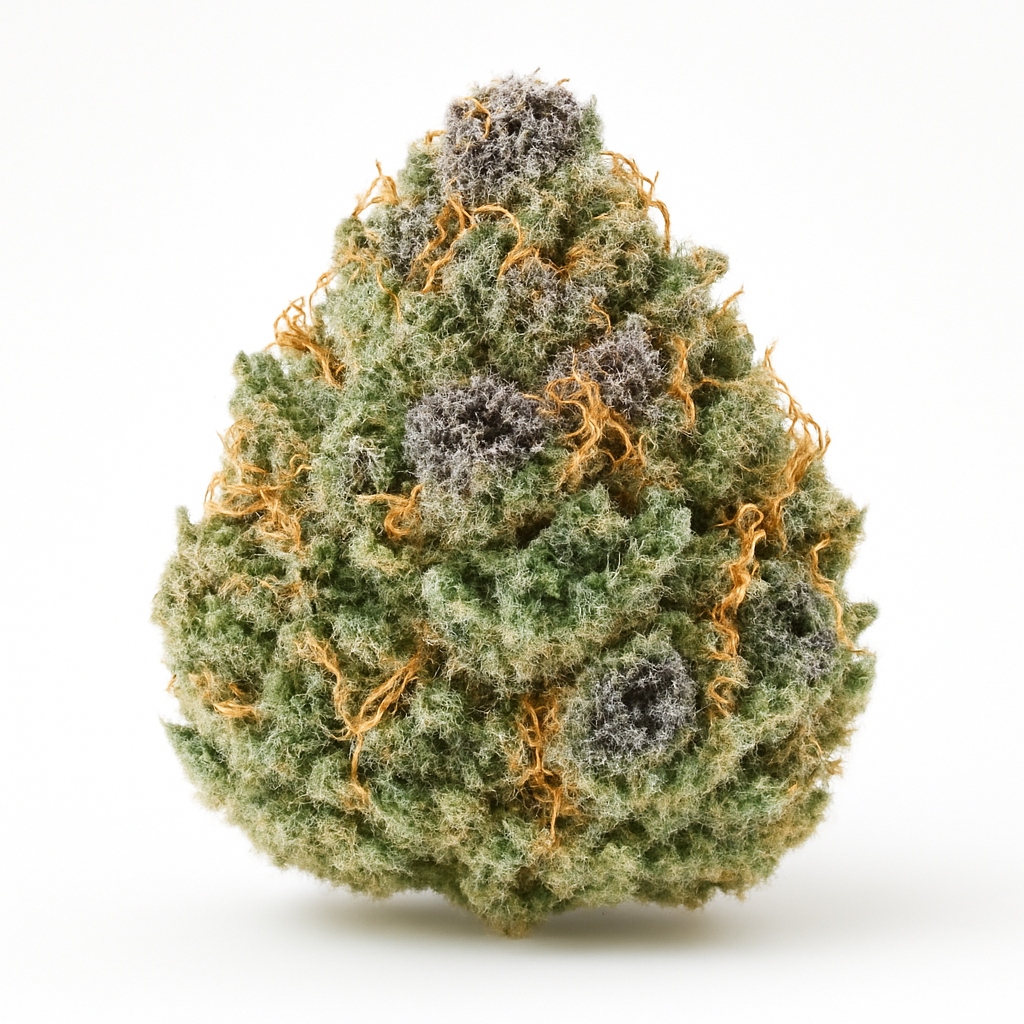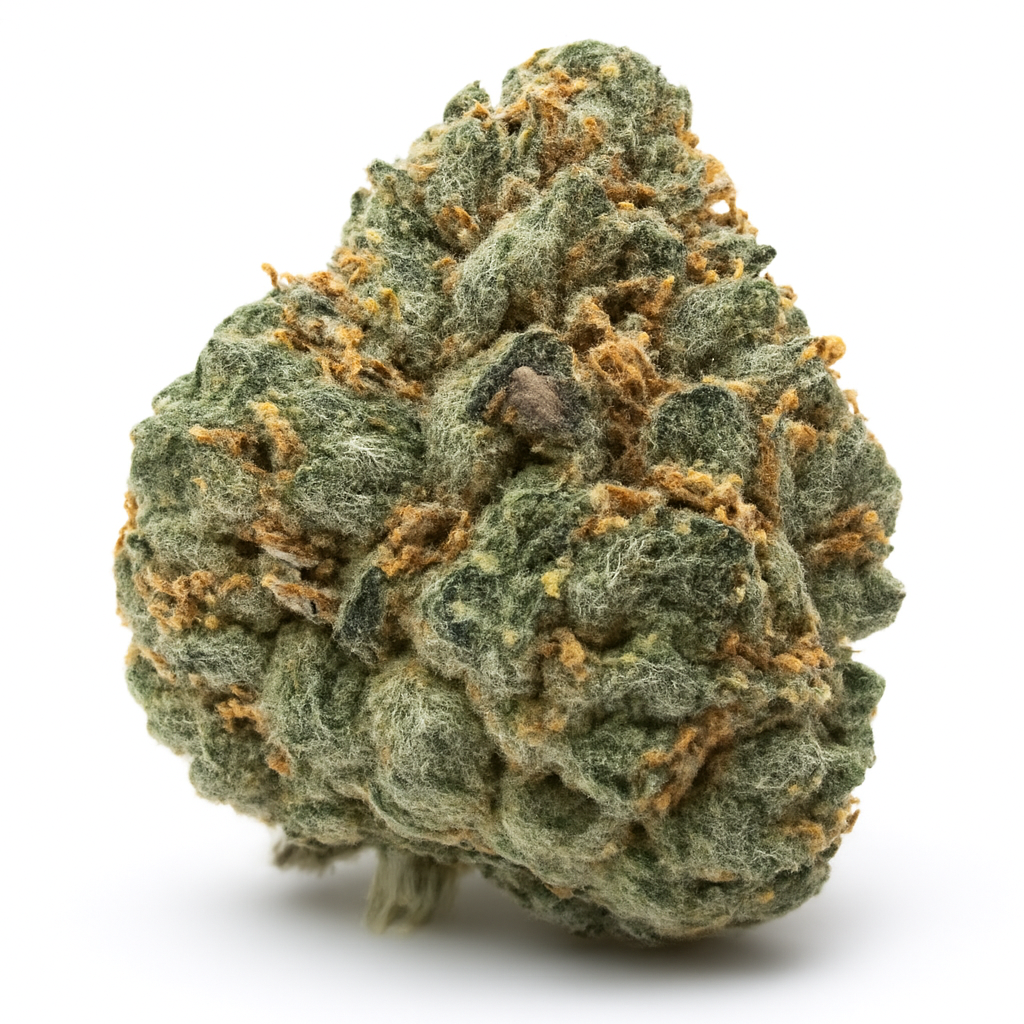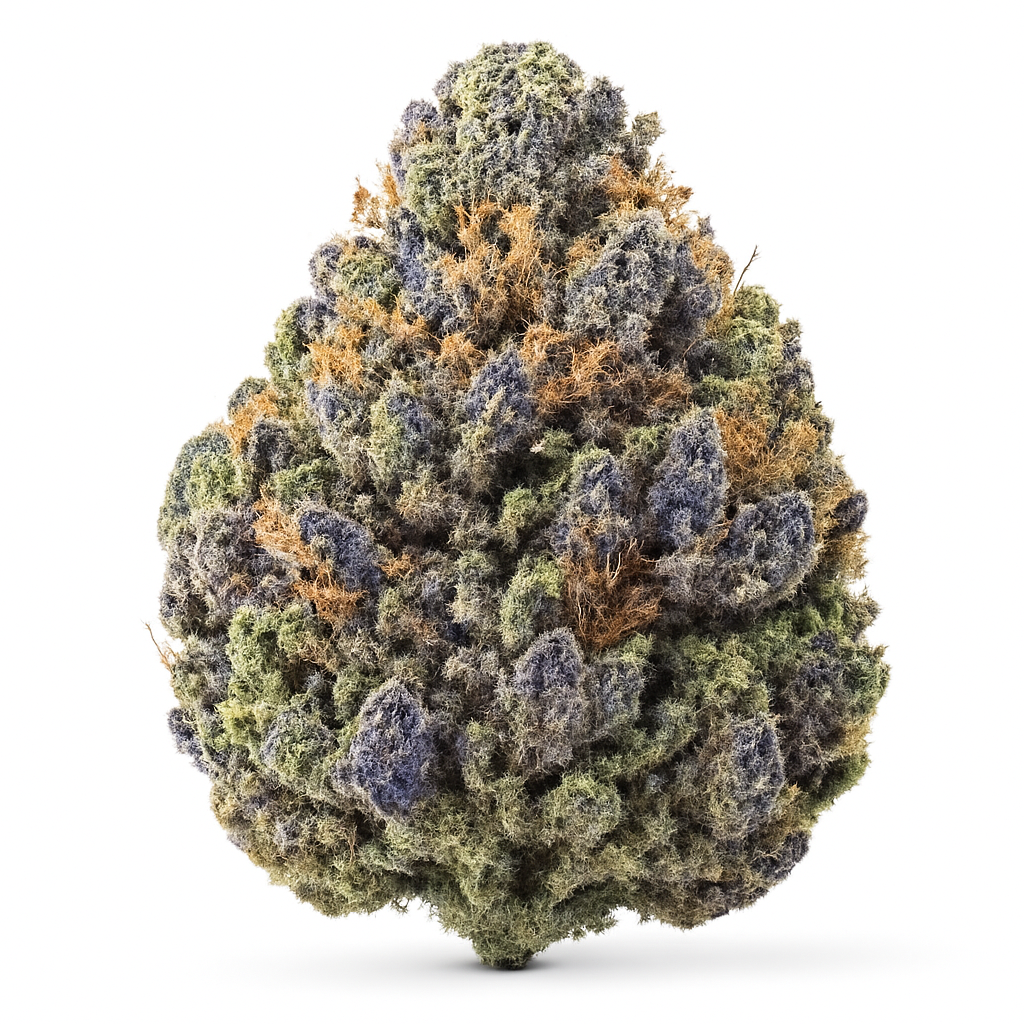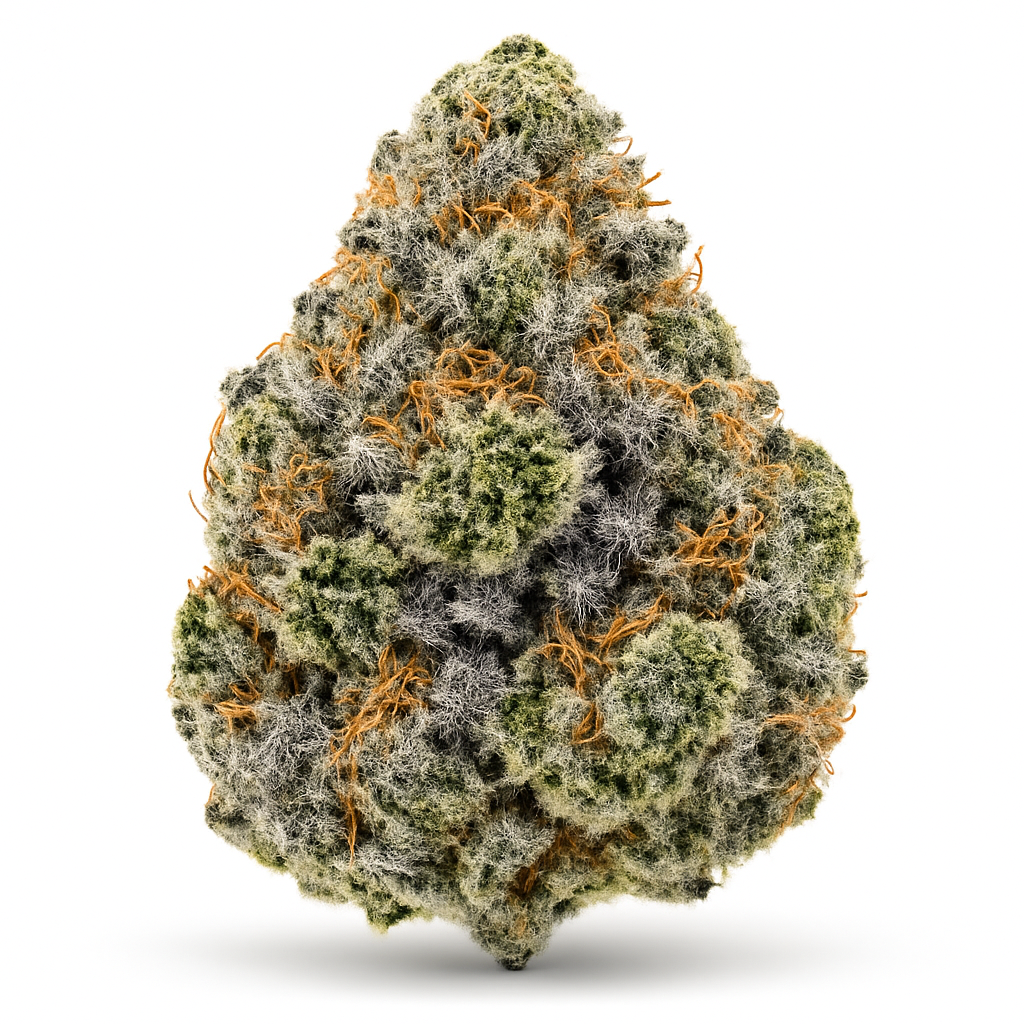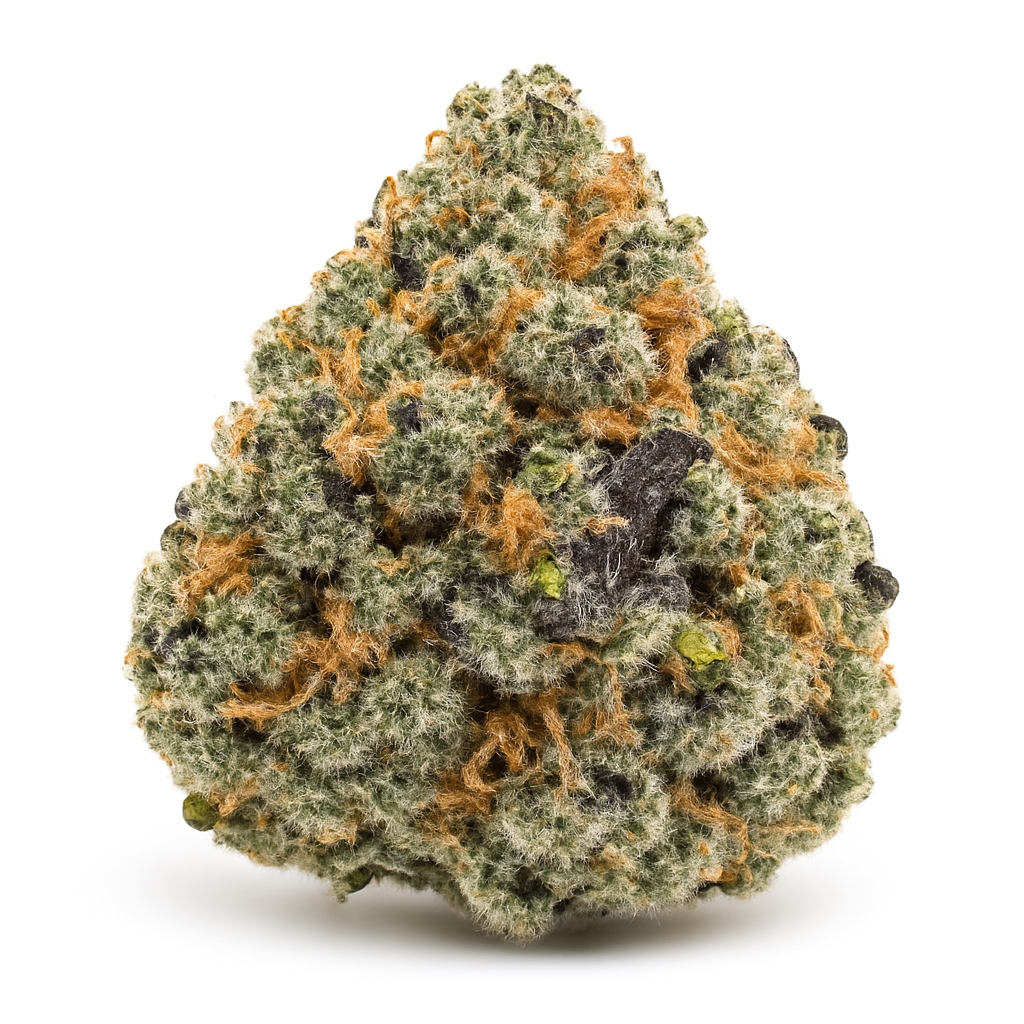
Representative image of Black Widow
Black Widow is a hybrid that blends South American and South Indian Sativa roots into a strain with approachable potency and a layered sensory profile. At 18% THC and 1% CBG it tends to sit on the gentler side of modern offerings, delivering sociable energy that can segue into a mellow, sleepier finish.
What Is the Black Widow Strain?
Black Widow is listed as a hybrid with parentage traced to South American and South Indian Sativa. Its headline cannabinoid levels are 18% THC and 1% CBG, which frame it as a mid-range potency option rather than an extreme high-THC cultivar. This positions Black Widow as a strain that aims for balance between lift and relaxation rather than sheer knockout strength.
Black Widow Effects
Users report feeling hungry, sleepy, and talkative - a combination that suggests an initial social lift which can soften into a relaxed, appetite-driven state. The mix of outgoing (talkative) and sedating (sleepy) reactions means sessions can start conversely chatty and then wind down, so expect a two-phase profile rather than a single, uniform mood.
Black Widow Flavors & Aroma
The flavor profile is unusual: notes of ammonia sit alongside woody and tea-like tones. That ammonia edge gives a sharp, almost chemical top note that resolves into earthier, herbaceous wood and subtle tea bitterness, creating an aroma that feels rustic and a little provocative rather than purely sweet or fruity.
Terpene Profile of Black Widow
Black Widow lists Terpinolene, Ocimene, and Limonene as prominent terpenes. Terpinolene typically reads as fruity or floral and can contribute to an uplifting sensation, Limonene brings a citrus brightness associated with mood elevation, and Ocimene adds a minty, green lift. Together these terpenes skew toward an aromatic, lively bouquet that helps explain the strain’s talkative, mood-oriented qualities.
What Does Black Widow Help With?
Anecdotally, people reach for Black Widow for stress, anxiety, and pain. Its terpene mix and balanced cannabinoid profile likely contribute to a calming, mood-lifting effect that users report as helpful for those complaints. Framing these as reported benefits is important - individual results vary and this reflects common user impressions rather than clinical proof.
Black Widow Side Effects & Negatives
Reported downsides include dry eyes, dry mouth, and occasional dizziness. Those effects are common with many cannabis varieties and generally respond to hydration, eye drops, and lower doses. Because dizziness is noted, newcomers should pace consumption and avoid combining with activities that demand full steadiness until they know how it affects them.
Black Widow Genetics & Lineage
Black Widow’s parent strains are listed as South American and South Indian Sativa, both regions traditionally associated with energetic, sativa-leaning phenotypes. That geographic sativa heritage helps explain the strain’s initial sociable and uplifted notes, while its hybrid label indicates breeder selection for a more balanced or mellow outcome rather than a pure, high-energy sativa ride.
Black Widow THC & CBG Content
At 18% THC, Black Widow sits slightly below the catalog average of roughly 20% THC, making it a moderate-potency choice. The 1% CBG is modest but notable and could subtly influence the overall experience. For most users, this means the strain is approachable for intermediate consumers and tolerable for cautious newcomers if dosed conservatively.
Is Black Widow Indica or Sativa?
As a hybrid, Black Widow blends characteristics traditionally associated with both sativa and indica effects. Its sativa-rooted parents explain the energetic, talkative moments, while the hybrid outcome produces the mellow, sleepy tendencies reported - a dual character that can suit both social and unwinding contexts depending on dose and timing.
Who Is Black Widow Best For?
Black Widow is best suited to late afternoon or evening sessions when you might want to be social at first and then relax toward bedtime. Because its THC is moderate, it’s a reasonable pick for people who want noticeable effects without extreme potency, but anyone sensitive to dizziness or dry mouth should start low. Hydrate, keep eye drops handy, and choose comfortable settings where a gradual shift from chatty to sleepy is welcome.
Our Take on Black Widow
We like Black Widow for what it aims to be: a balanced, approachable hybrid with a distinct aromatic profile and a generally positive reception (4.2/5 from 370 ratings). Its slightly below-average THC makes it a good everyday option for users seeking mood lift without high-THC intensity, and the terpenes explain the social, citrusy top notes that mellow into appetite and rest. The trade-offs - the ammonia-tinged flavor and the chance of dry mouth or dizziness - are real but manageable. We’d recommend it to folks who want a sociable strain that can also help them unwind; those after high-THC potency or a purely energetic sativa should look elsewhere.
Black Widow FAQ
What type of strain is Black Widow?
Black Widow is classified as a hybrid with parentage from South American and South Indian Sativa.
How strong is Black Widow compared to other strains?
Black Widow has 18% THC, which is slightly below the catalog average of about 20%, making it a moderate-potency choice.
What effects can I expect from Black Widow?
Reported effects include feeling hungry, sleepy, and talkative-often starting social and then shifting toward relaxation.
What flavors and aromas does Black Widow have?
The profile features ammonia notes with woody and tea-like undertones, plus fruity, minty, and citrus terpene accents.
What is Black Widow commonly used for?
Users report turning to Black Widow for stress, anxiety, and pain relief, though those are anecdotal observations.
Are there any side effects I should watch for?
Commonly reported negatives are dry eyes, dry mouth, and occasional dizziness; starting with a low dose and staying hydrated is advised.