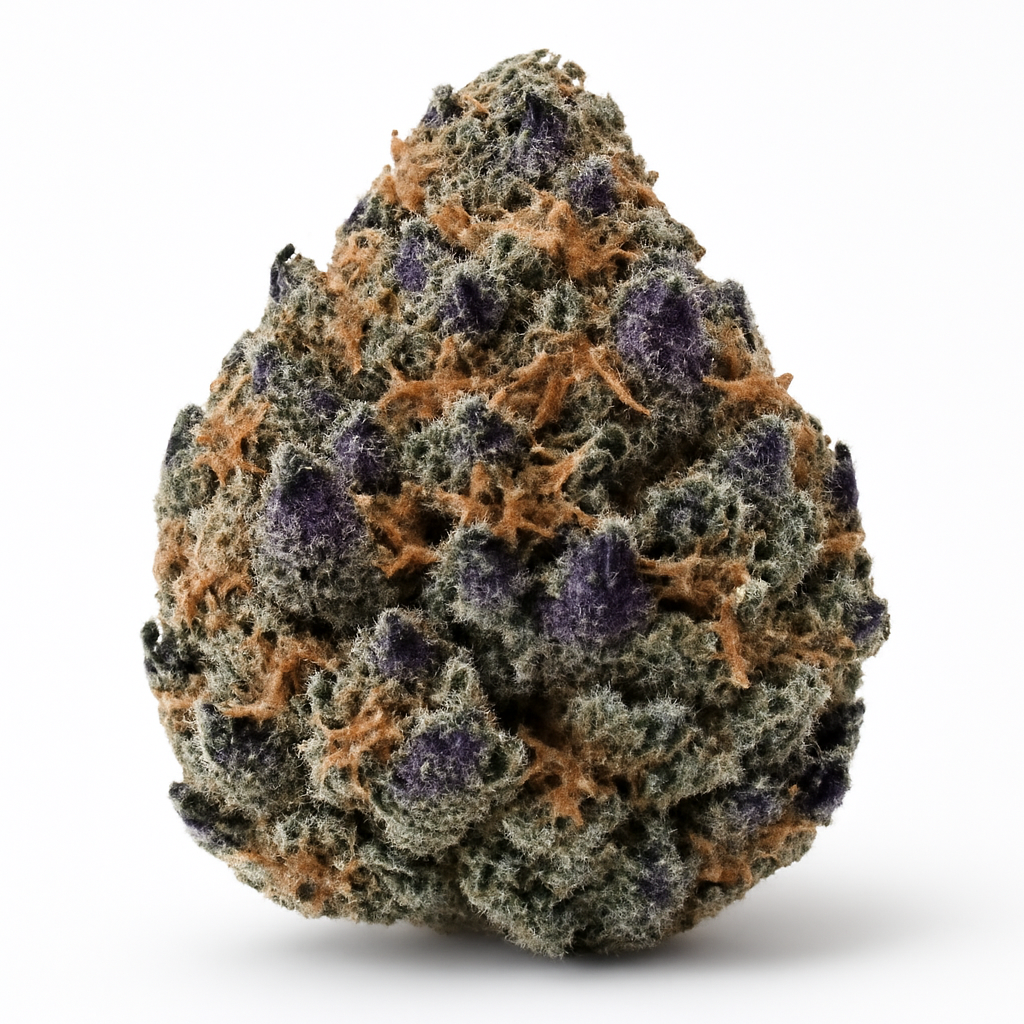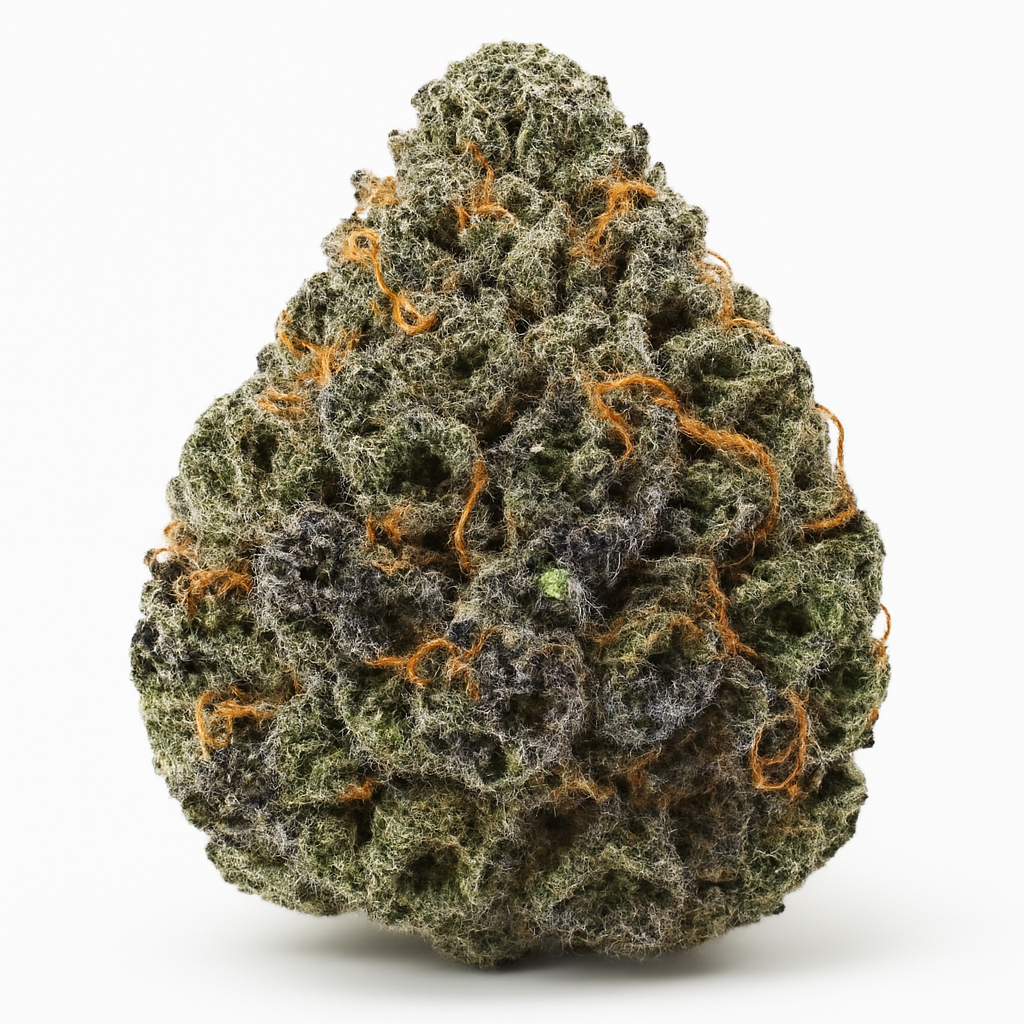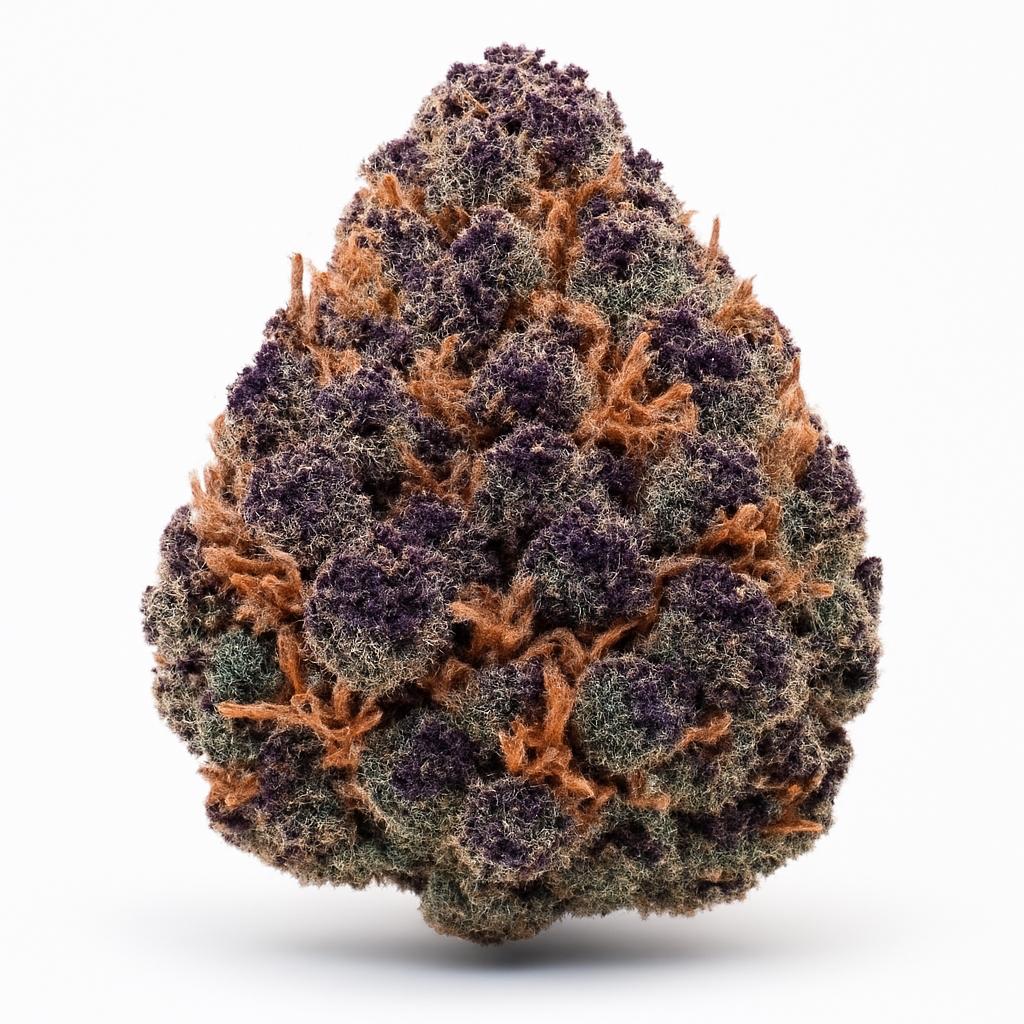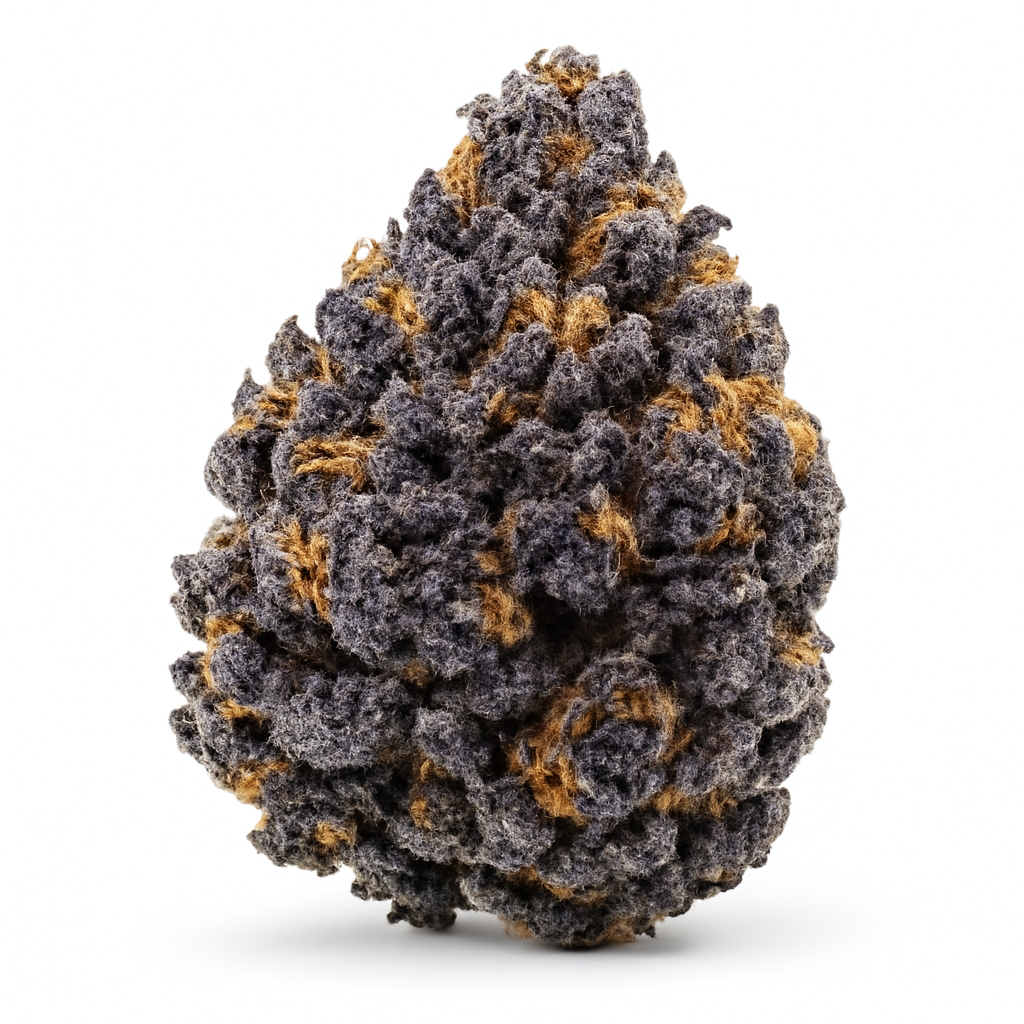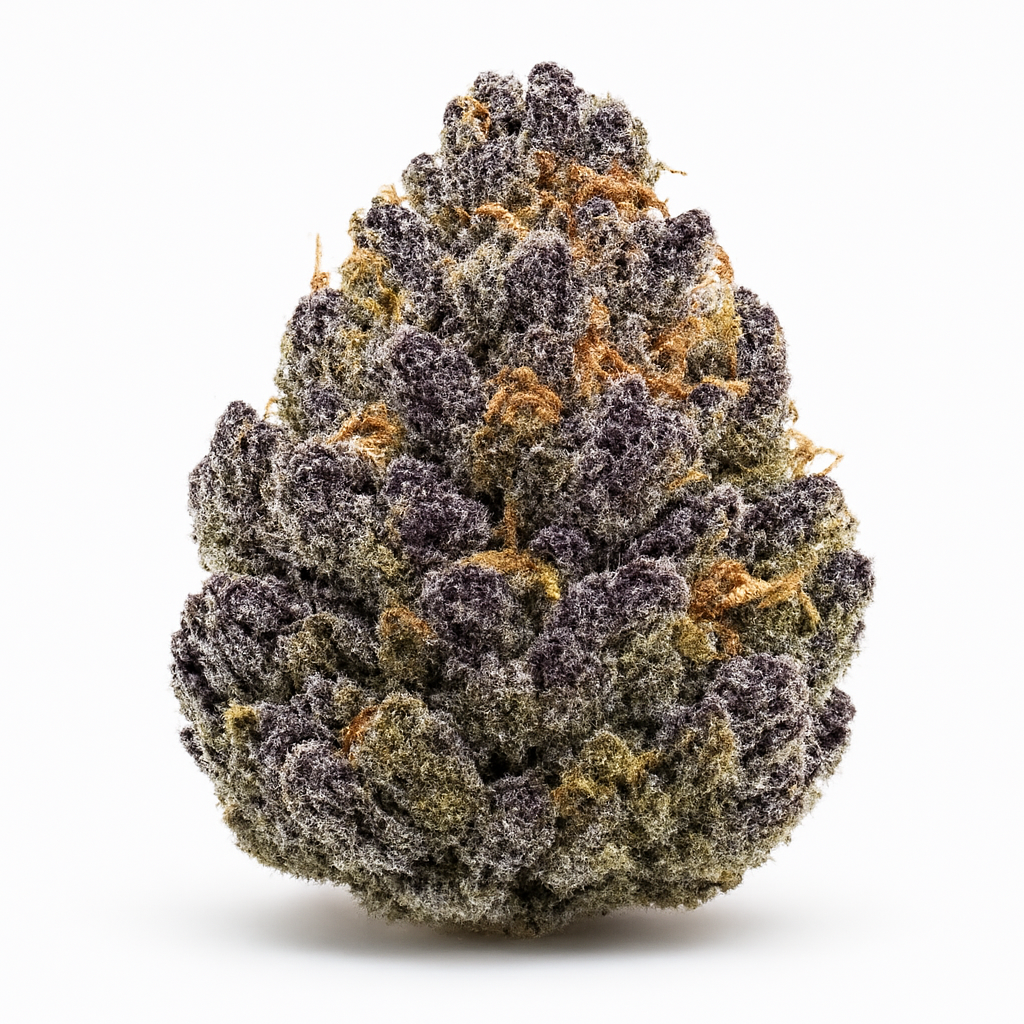
Representative image of Blueberry
Blueberry is an indica cannabis strain with 17% THC. Flavors include blueberry. Users report feeling sleepy, hungry and relaxed. Parents: Afghani and Thai.
What Is the Blueberry Strain?
Blueberry is an indica-dominant strain carrying a headline potency of 17% THC and 1% CBG. Bred from Afghani and Thai parents, it’s often labeled Berry Blue and sits in the mellow end of the potency spectrum compared with many modern entries.
Blueberry Effects
Users report a clear pattern: relaxation that drifts toward sleepiness, plus an appetite boost. Expect the high to favor body calm and mental unwinding rather than energetic uplift - that sleepy, relaxed trio is the core of the experience.
Blueberry Flavors & Aroma
The flavor profile is straightforward and dessert-forward: blueberry and mixed berry sweetness come through first, rounded by a candied or sweet edge. The aroma mirrors the taste, leaning fruity rather than sharp or diesel-forward.
Terpene Profile of Blueberry
Blueberry’s dominant terpenes include myrcene (noted as herbal), caryophyllene (pepper), and pinene (pine). Myrcene often correlates with sedative, muscle-relaxing notes, caryophyllene brings spicy, peppery depth and interacts with cannabinoid pathways, and pinene adds a fresh pine lift that can cut through the sweetness.
What Does Blueberry Help With?
Anecdotally, people reach for Blueberry for stress relief, pain management, and easing anxiety. Its profile - calming effects paired with a soothing flavor - makes it a common choice for winding down and addressing symptoms people describe as rooted in tension or discomfort.
Blueberry Side Effects & Negatives
Reported downsides include dry mouth and dry eyes as the most common complaints, with occasional dizziness. Because the strain trends sedating, users should moderate dose and avoid activities requiring attention until they know how it affects them.
Blueberry Genetics & Lineage
Blueberry’s parents, Afghani and Thai, help explain its character. Afghani brings the dense, resinous indica backbone and sedative tendencies, while Thai contributes sweeter, fruit-forward qualities and a hint of tropical/top-note lift - together they yield a sleepy yet flavorful profile.
Blueberry THC & CBG Content
At 17% THC, Blueberry is slightly below the catalog average of about 20% THC, making it less intense than many contemporary strains. The 1% CBG is a modest secondary cannabinoid presence. For most users this means easier dosing for those sensitive to high THC, but the indica-leaning effects can still be strongly sedative.
Is Blueberry Indica or Sativa?
As an indica, Blueberry typically leans toward body-focused effects: relaxation, sedation, and an appetite increase. That classification aligns with the reported sleepy and relaxed outcomes rather than cerebral stimulation.
Who Is Blueberry Best For?
Blueberry is best saved for evenings or late afternoons when relaxation and sleep are the goal. Its slightly lower THC makes it approachable for newer users, but the sedating effects recommend caution for daytime tasks. Start low, especially if you’re prone to dizziness, and keep hydration handy for dry mouth and eyes.
Our Take on Blueberry
We appreciate Blueberry as a dependable, flavorful indica that delivers classic calming effects without the blast of modern high-THC cultivars. Its 17% THC sits below the catalog norm, which makes it a sensible pick for those seeking relaxation over intensity. The terpene mix explains the strain’s sweet blueberry notes and its sedative bent, and a 4.3/5 average from 2,396 ratings suggests broad, consistent appeal. If you want a chill, taste-forward evening strain, Blueberry is a solid choice; if you need daytime clarity or a heavy cerebral buzz, look elsewhere.
Blueberry FAQ
Is Blueberry an indica or sativa?
Blueberry is an indica-dominant strain.
How strong is Blueberry compared to other strains?
Blueberry tests at 17% THC, which is slightly below the catalog average of about 20%, so it’s moderately potent and often more approachable than higher-THC varieties.
What does Blueberry taste like?
The flavor is sweet and fruity, dominated by blueberry and mixed berry notes with an overall sweet finish.
Which terpenes are dominant in Blueberry?
The dominant terpenes listed are myrcene (herbal), caryophyllene (pepper), and pinene (pine).
What effects and uses are reported for Blueberry?
Users report feeling sleepy, relaxed, and hungry; anecdotally it’s commonly used for stress, pain, and anxiety relief.
What side effects should I expect with Blueberry?
Reported negatives include dry mouth, dry eyes, and occasional dizziness; moderate dosing and hydration are sensible precautions.