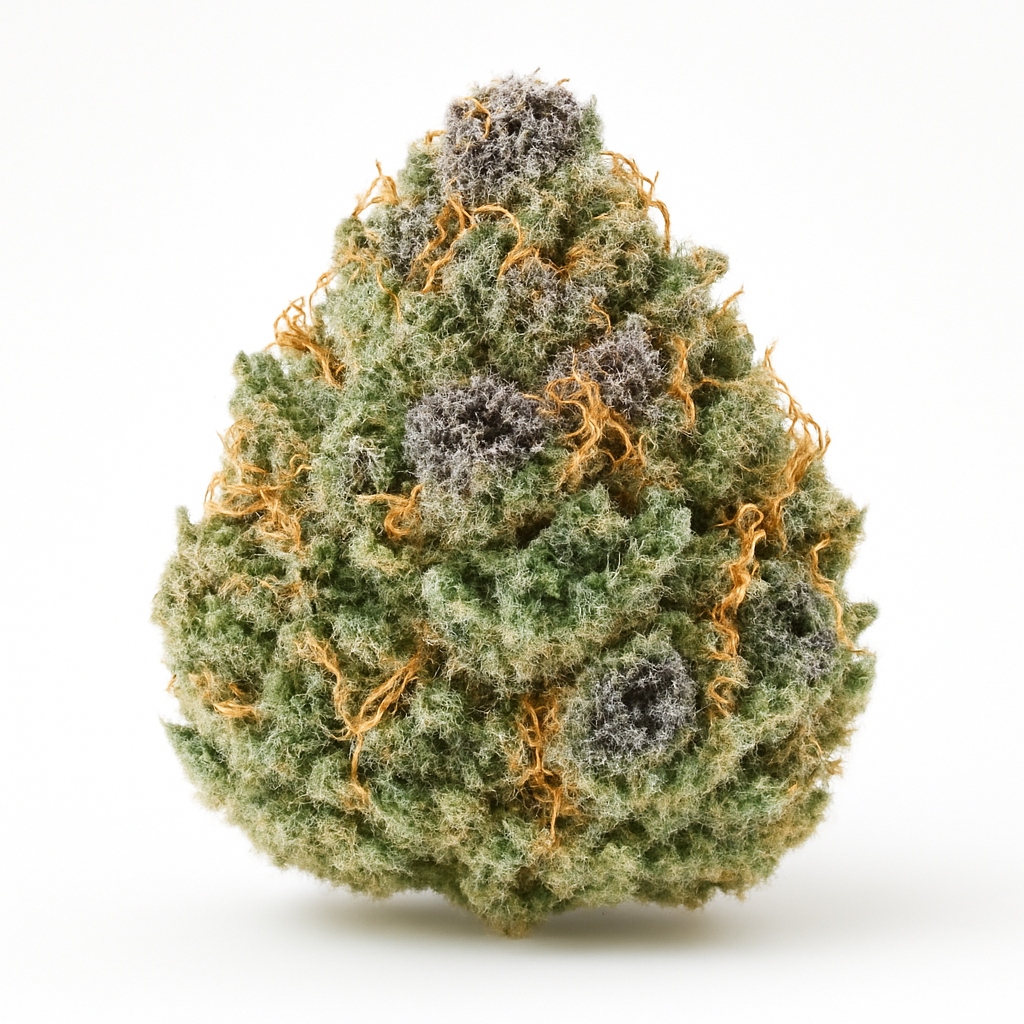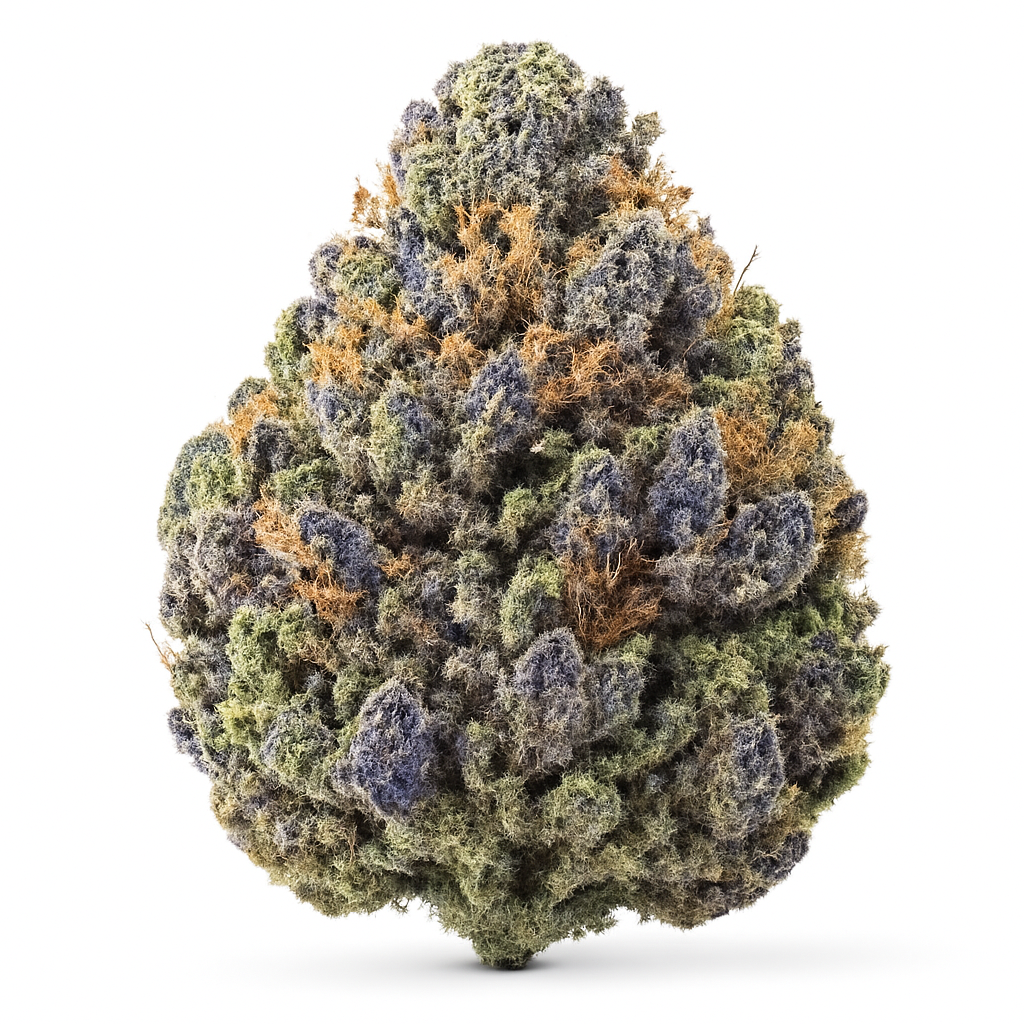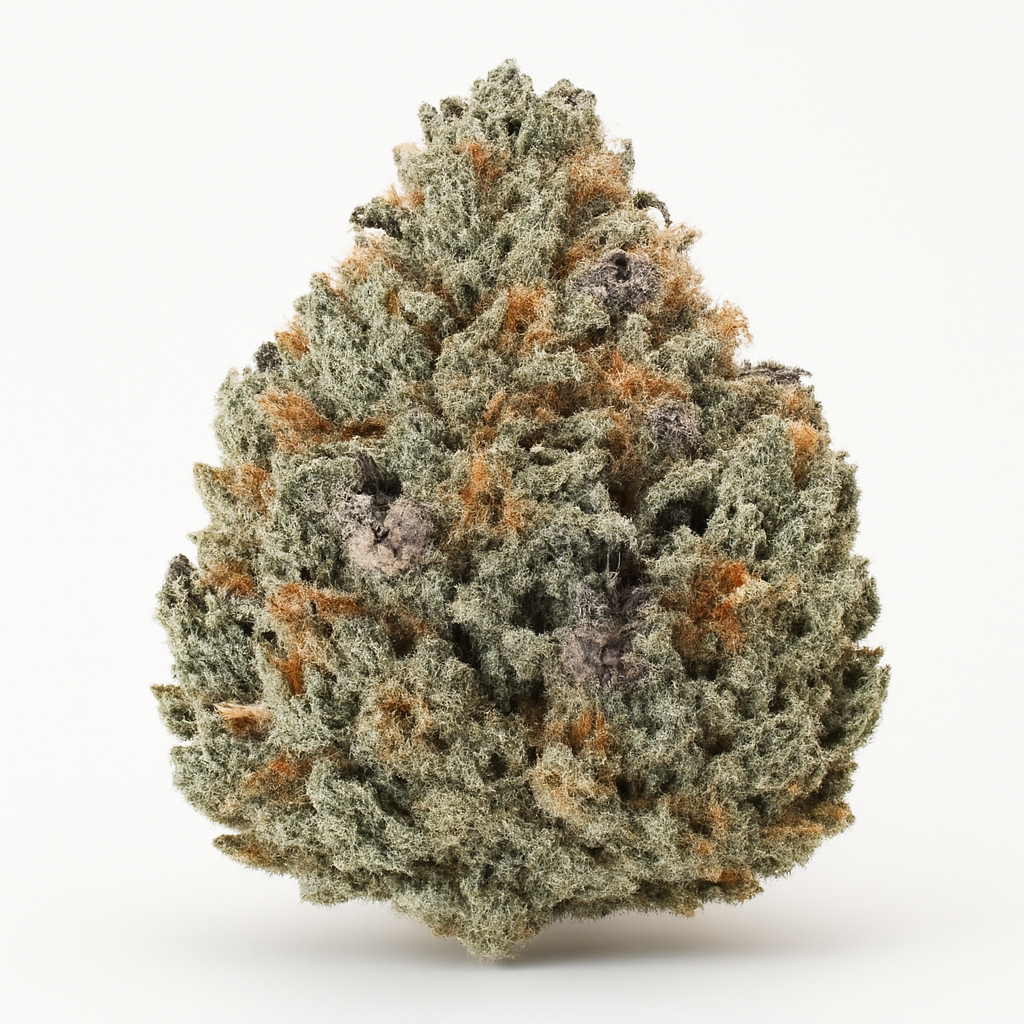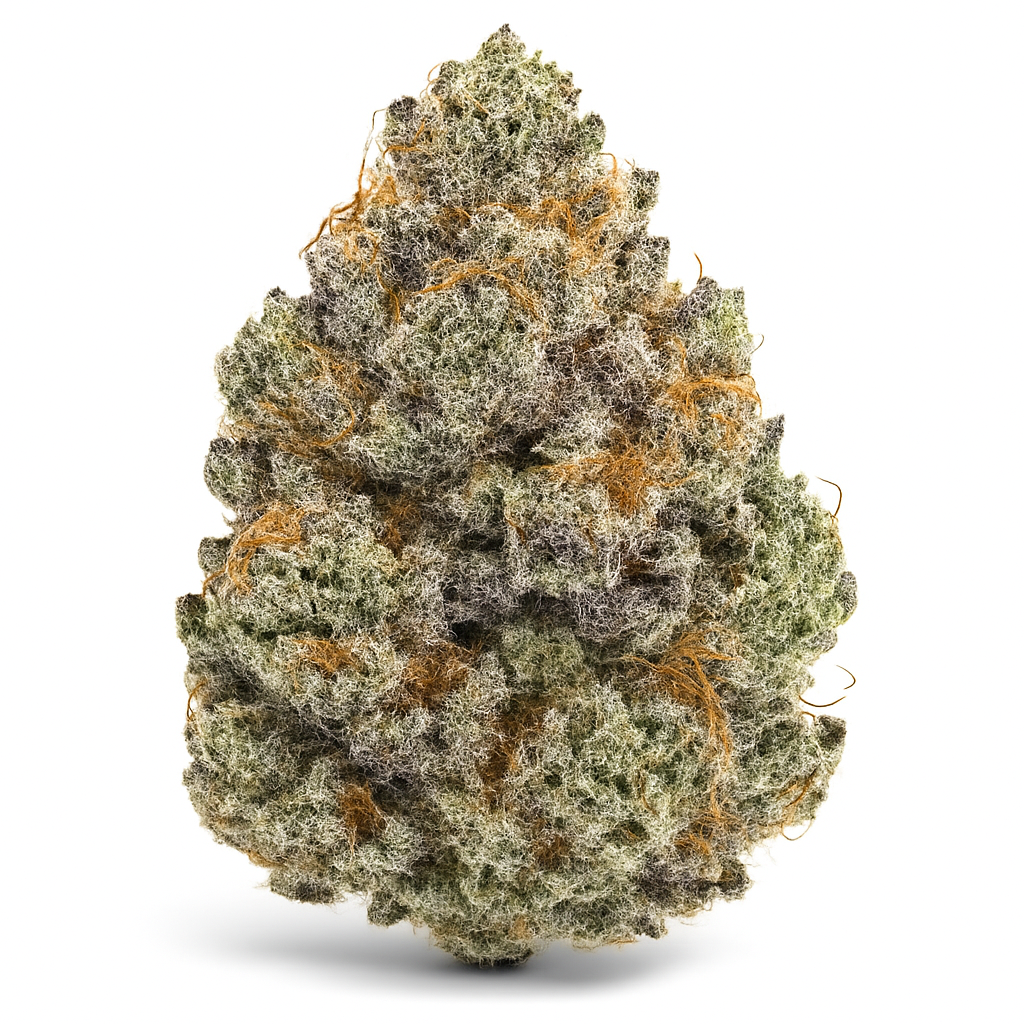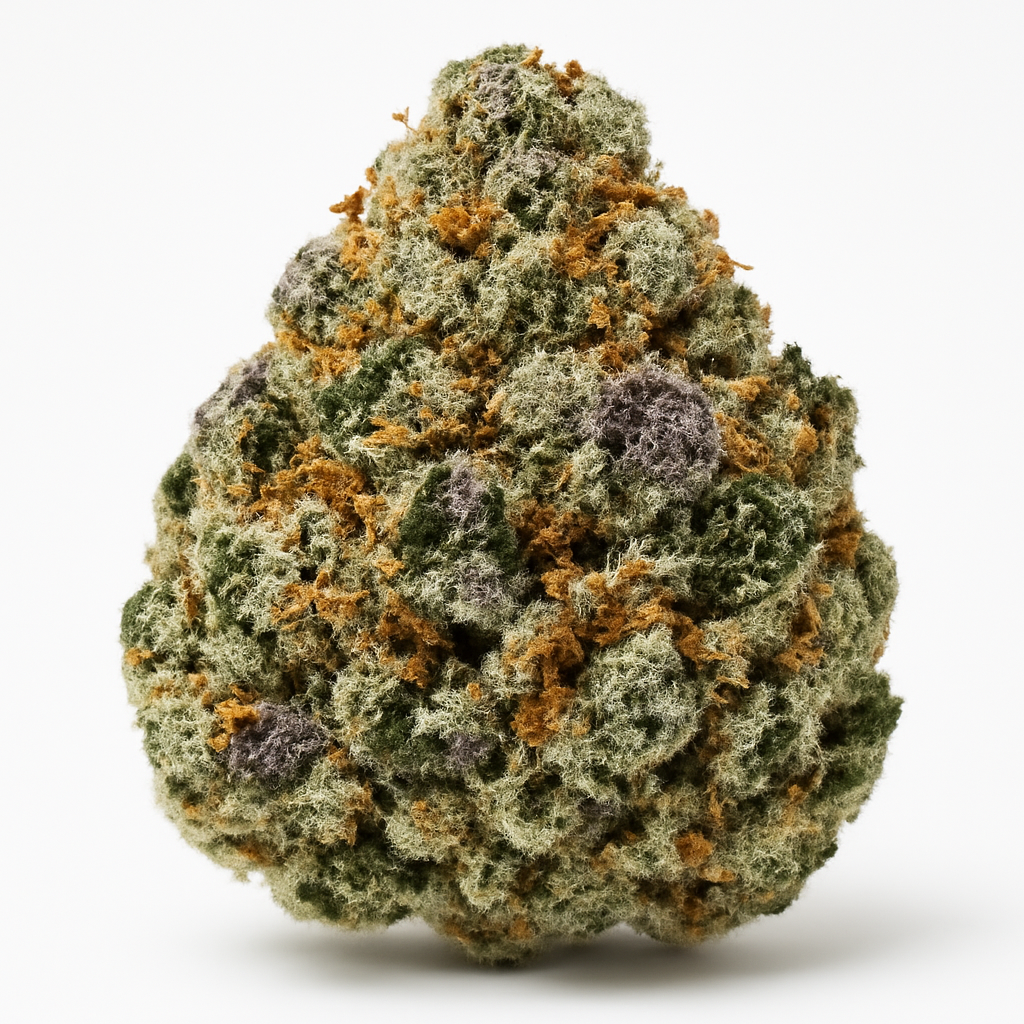
Representative image of Burmese Kush
Burmese Kush, sometimes sold as Burma, is a hybrid that leans into relaxing, appetite-stimulating effects while packing a noticeable punch at 25% THC. Its mix of pine, herbal spice, and sage aroma sits atop a terpene trio that helps explain the strain's sleepy-euphoric character.
Burmese Kush
Also known as Burma
Terpenes
What Is the Burmese Kush Strain?
Burmese Kush is a hybrid strain, also known by the shorthand Burma, with a headline potency of 25% THC and 1% CBG. Its listed parent is Pink Panties, which places Burmese Kush in a lineage that produces balanced hybrids with distinct flavor and effect fingerprints. Overall, this is a high-THC hybrid aimed at users seeking strong relaxation and appetite effects rather than a clear-cut sativa or pure indica experience.
Burmese Kush Effects
Reported effects for Burmese Kush center on euphoria that gives way to pronounced relaxation and sleepiness, with many users noting an increase in appetite. You can expect an initial uplift - a bright, euphoric sensation - that transitions into a heavier, sedative finish. That sequence explains why people often reach for it in the evening or when they want to unwind and settle into rest.
Burmese Kush Flavors & Aroma
The flavor profile is dominated by pine and herbal spice with a sage-like earthiness running through each hit. The pine note gives a clean, resinous top note, while the spicy/herbal and sage elements add a savory, almost culinary edge. Taken together, the aroma and taste are sharp but comforting, pairing well with its mellowing effects.
Terpene Profile of Burmese Kush
Burmese Kush’s dominant terpenes are caryophyllene (pepper), myrcene (herbal), and limonene (citrus). Caryophyllene contributes the spicy, peppery backbone and is often associated with grounding sensations. Myrcene brings those herbal, earthy tones and is commonly linked to muscle relaxation and sedative tendencies, which fits the strain’s sleepier profile. Limonene adds a citrus lift that can help explain the early euphoric notes before the sedative phase sets in.
What Does Burmese Kush Help With?
Anecdotal reports indicate users turn to Burmese Kush to help manage stress, pain, and anxiety. The combination of euphoric uplift and subsequent relaxation makes it a popular choice for evening stress relief and for those looking to quiet both mind and body. These are reported effects and personal responses can vary.
Burmese Kush Side Effects & Negatives
Commonly reported side effects include dry mouth, dry eyes, and occasional headache. Given its above-average THC, those sensitive to strong cannabinoids should start with a low dose and hydrate before and after use. If head discomfort appears, pausing use and reducing dose is a sensible approach.
Burmese Kush Genetics & Lineage
Burmese Kush lists Pink Panties as a parent, which informs its hybrid nature and contributes to its aromatic and effect profile. While the single-parent listing doesn't tell the full genetic story, Pink Panties’ involvement suggests a mix of sweet, resinous terpenes and a tendency toward evening-oriented relaxation - traits that Burmese Kush exhibits in its flavors, terpene balance, and sedative finish.
Burmese Kush THC & CBG Content
At 25% THC, Burmese Kush sits above the catalog's typical ~20% THC average, making it a noticeably stronger option. The 1% CBG is present at a modest level and may slightly modulate the overall experience. Because of the higher THC, newcomers should dose conservatively; experienced consumers can expect a potent, long-lasting effect that moves from euphoric to sedating.
Is Burmese Kush Indica or Sativa?
As a hybrid, Burmese Kush blends traits from both indica and sativa ancestries, but its reported sleepy and appetite-stimulating effects point toward a hybrid that leans into indica-like relaxation. In practice this means an initial uplift followed by physical relaxation rather than an energizing, cerebral sativa ride.
Who Is Burmese Kush Best For?
Burmese Kush is best suited for evening or late-night use, especially when you want to relax, sleep, or stimulate appetite. Because of its 25% THC, we recommend it for intermediate to experienced consumers or cautious beginners who stick to small doses. It pairs well with low-key activities like watching a movie, winding down after a stressful day, or preparing for bed - avoid using it before tasks that require sharp focus or coordination.
Our Take on Burmese Kush
We find Burmese Kush to be a reliable, stronger-than-average hybrid that delivers a clear arc from euphoric uplift to restful sedation. Its terpene mix explains much of the experience: limonene brings the initial brightness, while myrcene and caryophyllene carry the herbal, sedative, and spicy notes that settle you down. With a solid 4.1/5 from 171 ratings, users generally like what it does, though the 25% THC means it’s not for everyone. We’d recommend Burmese Kush to evening users who appreciate a flavorful, appetite-friendly strain and to anyone who tolerates higher-THC hybrids; lighter-touch consumers or those seeking daytime clarity should probably look elsewhere.
Burmese Kush FAQ
Is Burmese Kush an indica or sativa?
Burmese Kush is classified as a hybrid; its effects trend toward indica-like relaxation and sleepiness despite the hybrid label.
How strong is Burmese Kush?
Burmese Kush tests at 25% THC, which is higher than the catalog’s typical ~20% THC, so it’s considered a potent option.
What does Burmese Kush taste and smell like?
The flavor and aroma profile features pine, spicy/herbal notes, and sage, producing a resinous, savory bouquet.
What terpenes are prominent in Burmese Kush?
The dominant terpenes are caryophyllene (pepper), myrcene (herbal), and limonene (citrus), which shape its spicy, earthy, and bright notes.
What is Burmese Kush commonly used for?
Anecdotally, users report turning to Burmese Kush to help with stress, pain, and anxiety, often in the evening due to its relaxing effects.
What side effects should I expect?
Reported negatives include dry mouth, dry eyes, and occasional headache; starting with a low dose and staying hydrated is advisable.