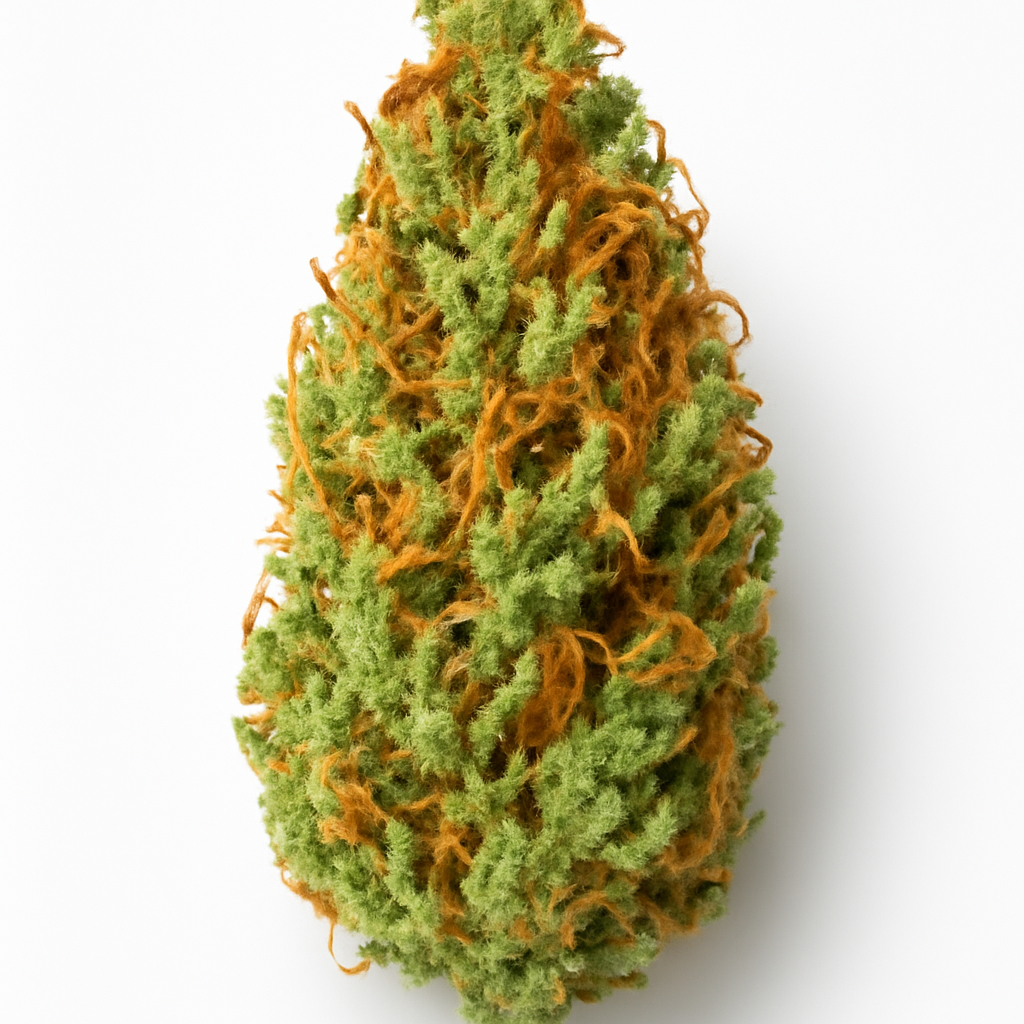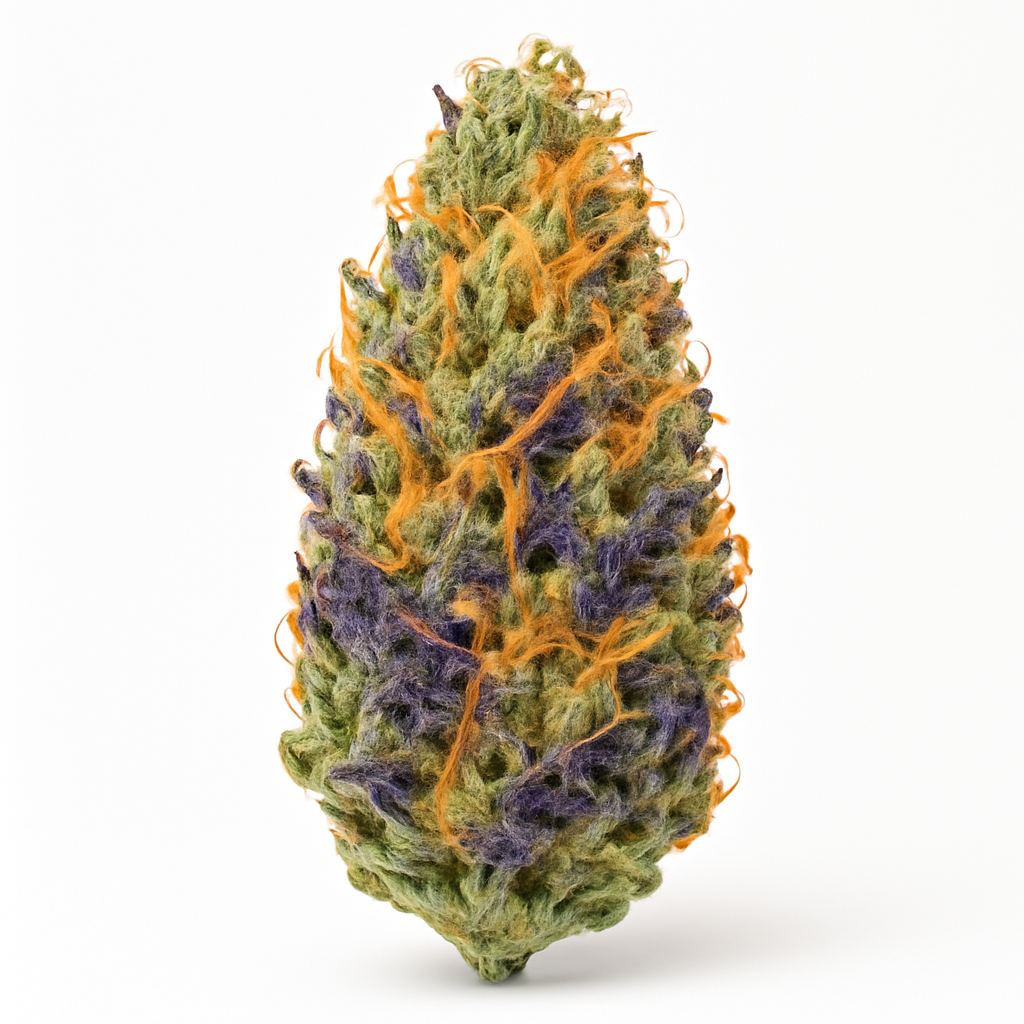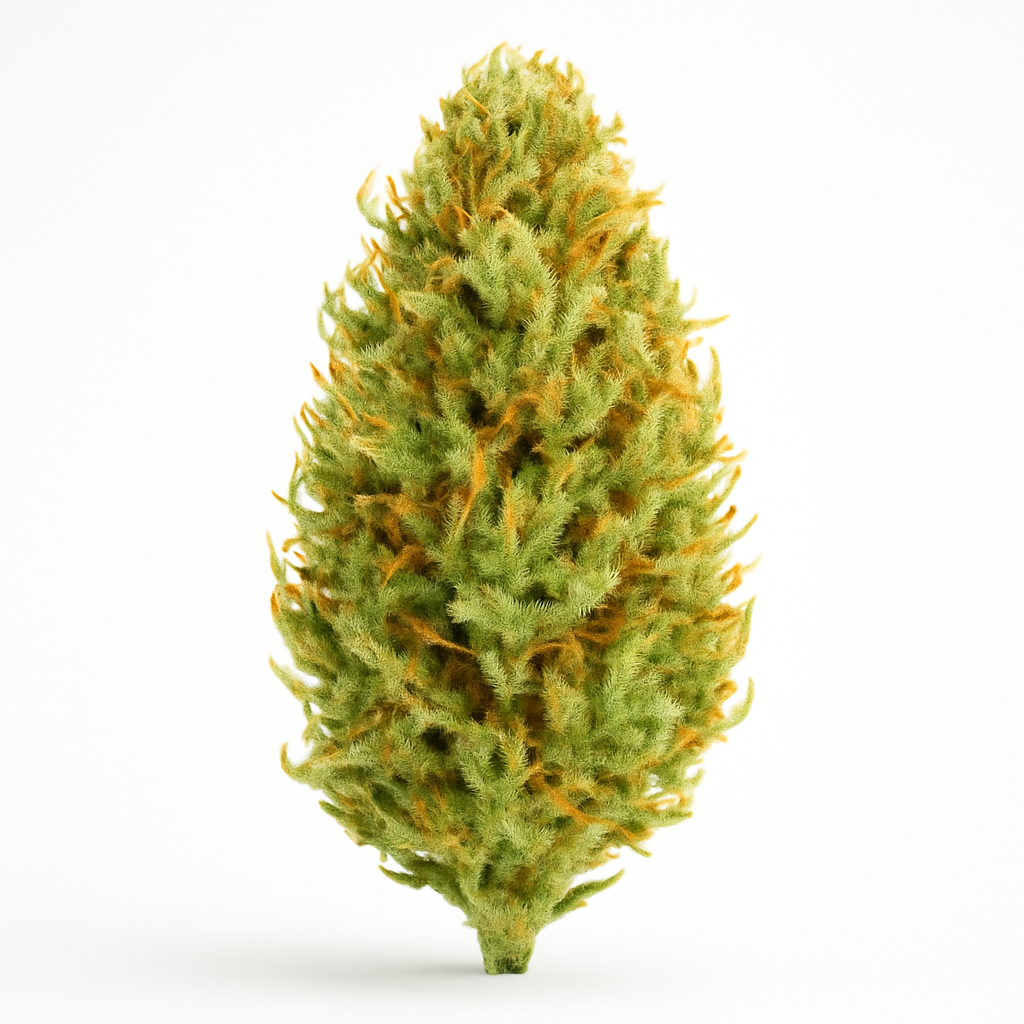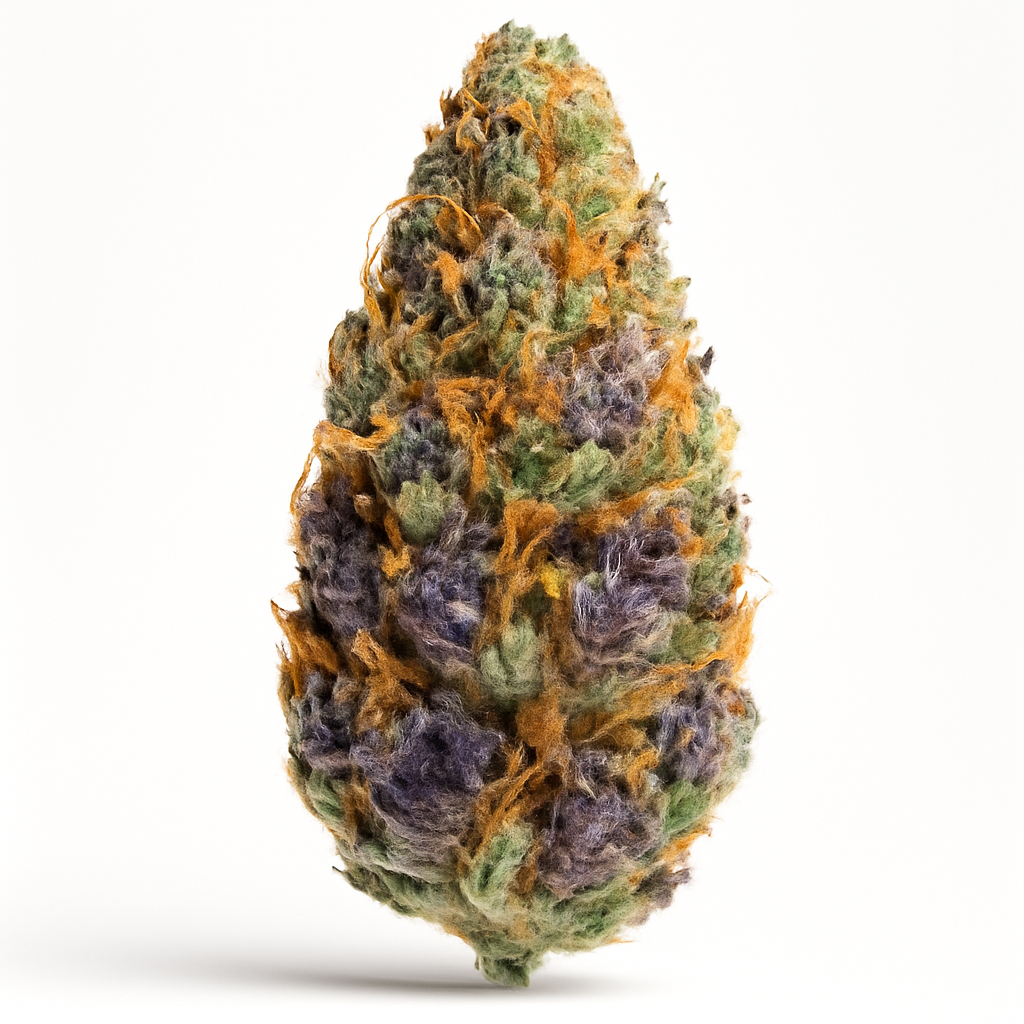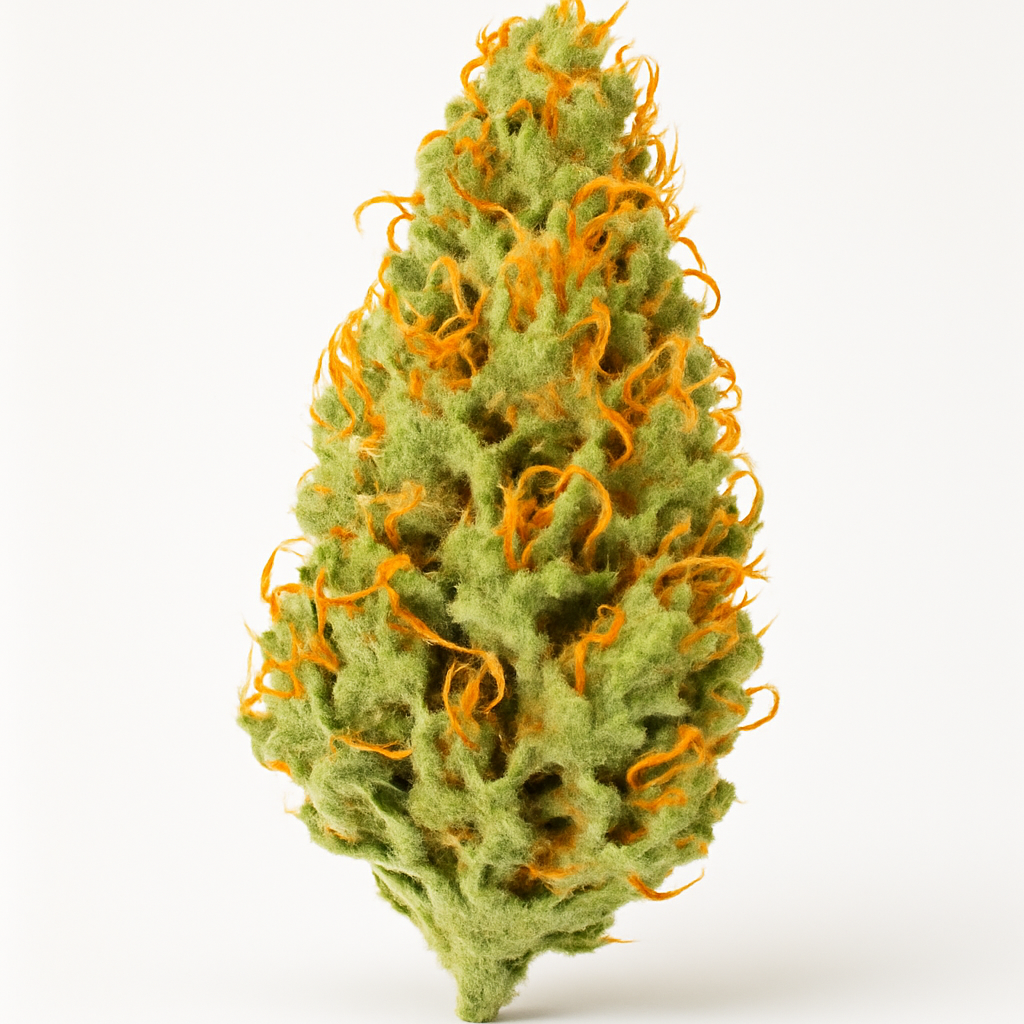
Representative image of Clementine
Clementine is a sativa-forward cannabis strain with a bright citrus personality and approachable potency. Its 18% THC and 1% CBG combine with lively terpenes to deliver an energetic, focused, uplifted experience.
What Is the Clementine Strain?
Clementine is a sativa strain bred from Tangie and Lemon Skunk, presenting a citrus-forward profile and moderate lab numbers: 18% THC and 1% CBG. It reads as a daytime-leaning cultivar that emphasizes clarity and motion rather than heavy sedation, making it a recognizable option for users seeking an active uplift.
Clementine Effects
Reported effects for Clementine center on energy, focus, and uplift. Users describe a clear-headed buzz that leans toward motivation and creativity rather than couch-lock. Because the dominant descriptors are energetic and focused, expect an experience that supports activity and mental engagement, while still carrying the occasional jitter for sensitive consumers.
Clementine Flavors & Aroma
The flavor and aroma profile is unapologetically citrus: orange, lemon, and broader citrus notes dominate both the nose and the palate. Those bright, zesty characteristics often translate to a clean, invigorating smoke or vapor that feels fresh rather than heavy or sweet.
Terpene Profile of Clementine
Clementine’s terpene palette highlights terpinolene (fruity), myrcene (herbal), and pinene (pine). Terpinolene lends a fruity, floral lift that complements the citrus flavors, myrcene adds a mild herbal backbone that can smooth edges, and pinene contributes a crisp pine note and may support alertness. Together these terpenes likely interact with the cannabinoids to enhance the strain’s uplifting, focused tendencies through the so-called entourage effect.
What Does Clementine Help With?
Anecdotally, people reach for Clementine to manage stress, anxiety, and low mood. Its uplifting and focused profile makes it a common daytime choice for those seeking mood elevation or a mental reset. These are reported effects, not medical claims, and individual responses will vary.
Clementine Side Effects & Negatives
Some consumers report anxiousness, paranoia, or headaches with Clementine. Because it leans stimulating, those prone to anxiety should dose cautiously: start low, move slowly, and choose microdoses until you know how it affects you. If headaches or increased worry occur, discontinue use and reassess dosage or timing.
Clementine Genetics & Lineage
Clementine’s parents, Tangie and Lemon Skunk, explain its citrus-forward identity and energetic demeanor. Tangie contributes sweet orange aromatics and an upbeat sativa character, while Lemon Skunk brings bright lemon notes and a sharp, lively edge. Together they shape Clementine’s tendency toward citrus flavor, mental clarity, and daytime usability.
Clementine THC & CBG Content
At 18% THC, Clementine sits slightly below our catalog’s typical average of about 20% THC, making it moderately potent but generally approachable for many users. The presence of 1% CBG is modest but notable; CBG can subtly modulate the overall cannabinoid profile. For dosing, this means beginners can often try small amounts without the intensity of higher-THC cultivars, while experienced users will find it reliable for daytime effects.
Is Clementine Indica or Sativa?
Clementine is classified as a sativa, which typically implies uplifting, cerebral effects and an affinity for daytime activity. Its reported energetic and focused effects align with that sativa expectation rather than the heavy body effects associated with indicas.
Who Is Clementine Best For?
Clementine is best for daytime use when you want to stay active, creative, or focused-think morning tasks, social plans, or light creative work. Its slightly below-average THC makes it suitable for intermediate users and cautious beginners who prefer stimulating sativas; however, anyone with anxiety should use lower doses. Consume slowly and avoid high THC stacks if you’re sensitive to stimulation.
Our Take on Clementine
We like Clementine for what it aims to be: a bright, citrus-forward sativa that nudges you toward action without the edge of ultra-potent flower. Its 18% THC is a pragmatic middle ground under the catalog average, and the terpene mix of terpinolene, myrcene, and pinene supports the reported energetic, focused uplift. With a solid 4.4/5 from 540 ratings, users consistently respond well, though the documented risks of anxiety or headache mean it isn’t a universal fit. We’d recommend it to daytime consumers who want clear, motivated effects and a lively citrus aroma; those seeking heavy relaxation or who are highly anxiety-prone should consider a milder or indica-leaning alternative.
Clementine FAQ
What type of strain is Clementine?
Clementine is a sativa, known for its uplifting, energetic character.
How strong is Clementine in terms of THC?
Clementine tests at 18% THC, slightly below the catalog average of about 20%.
What does Clementine taste and smell like?
It has pronounced citrus flavors-orange, lemon, and general citrus notes-often described as fresh and zesty.
What effects can I expect from Clementine?
Users report energetic, focused, and uplifted effects that are well suited to daytime activities.
What reported issues should I watch for?
Reported negatives include feelings of anxiety, paranoia, and occasional headaches-start with a low dose if you’re sensitive.
What are Clementine’s parent strains?
Clementine is descended from Tangie and Lemon Skunk, which contribute to its citrus aroma and lively sativa profile.