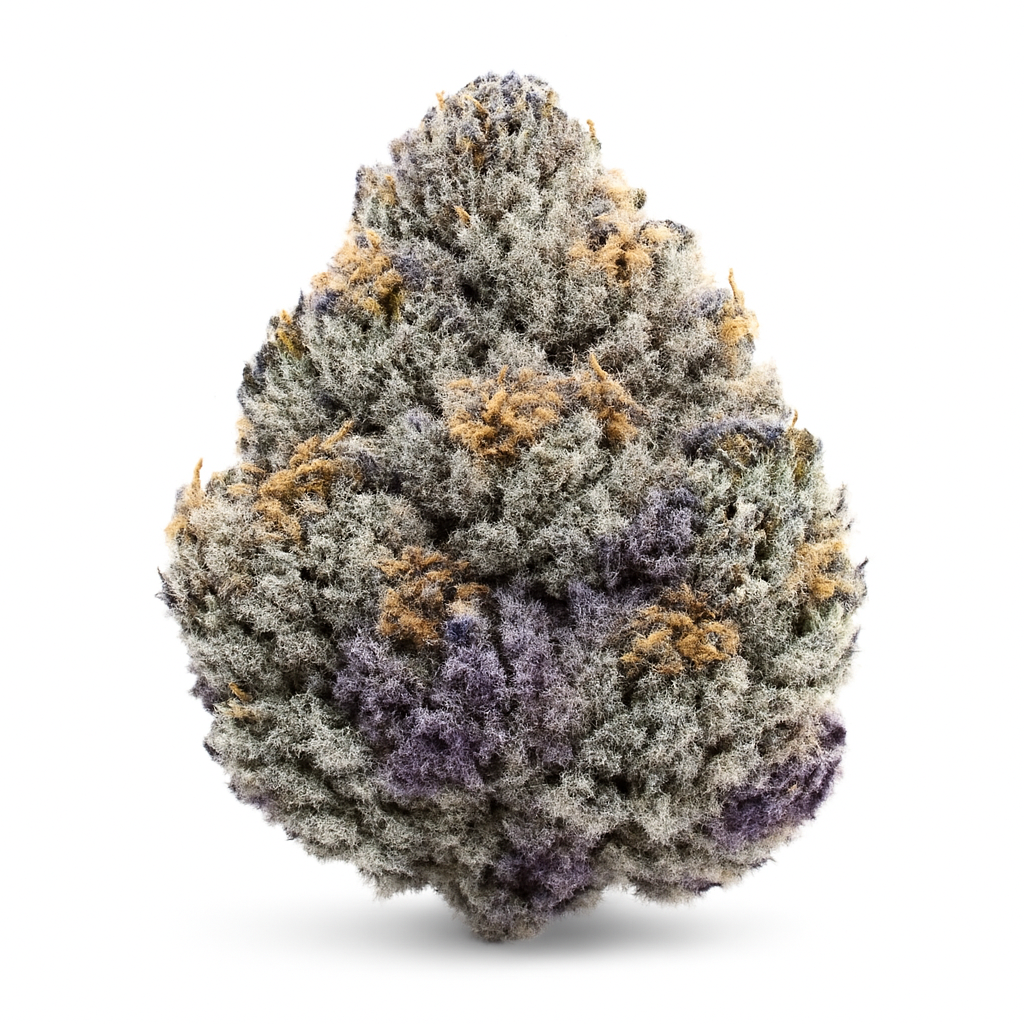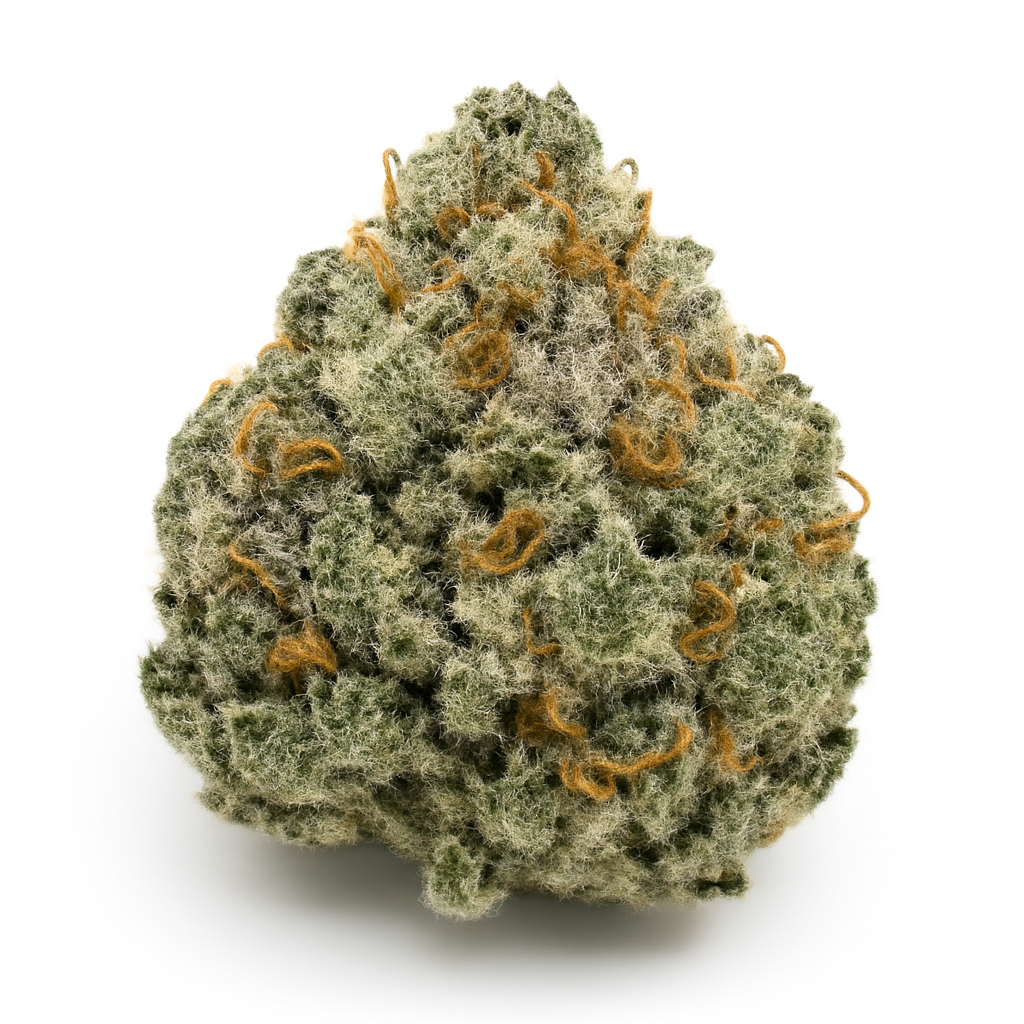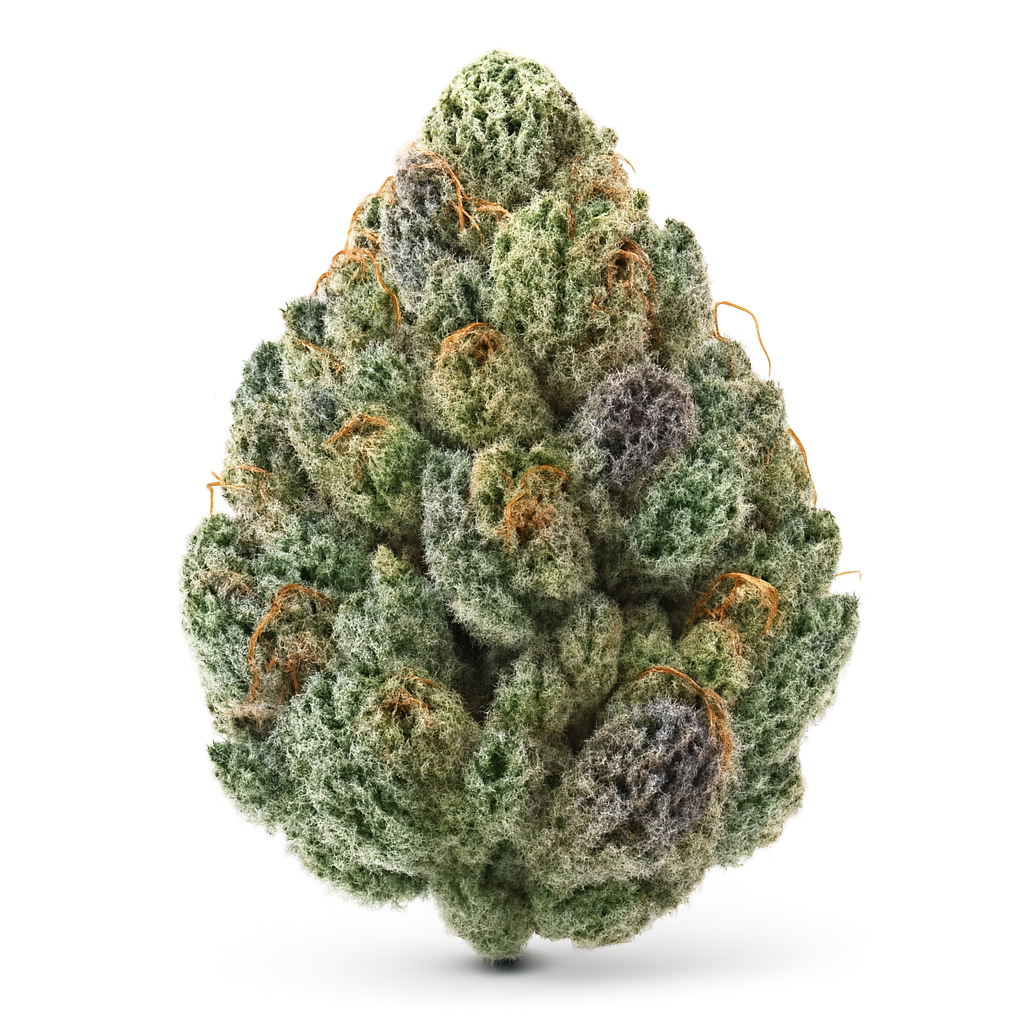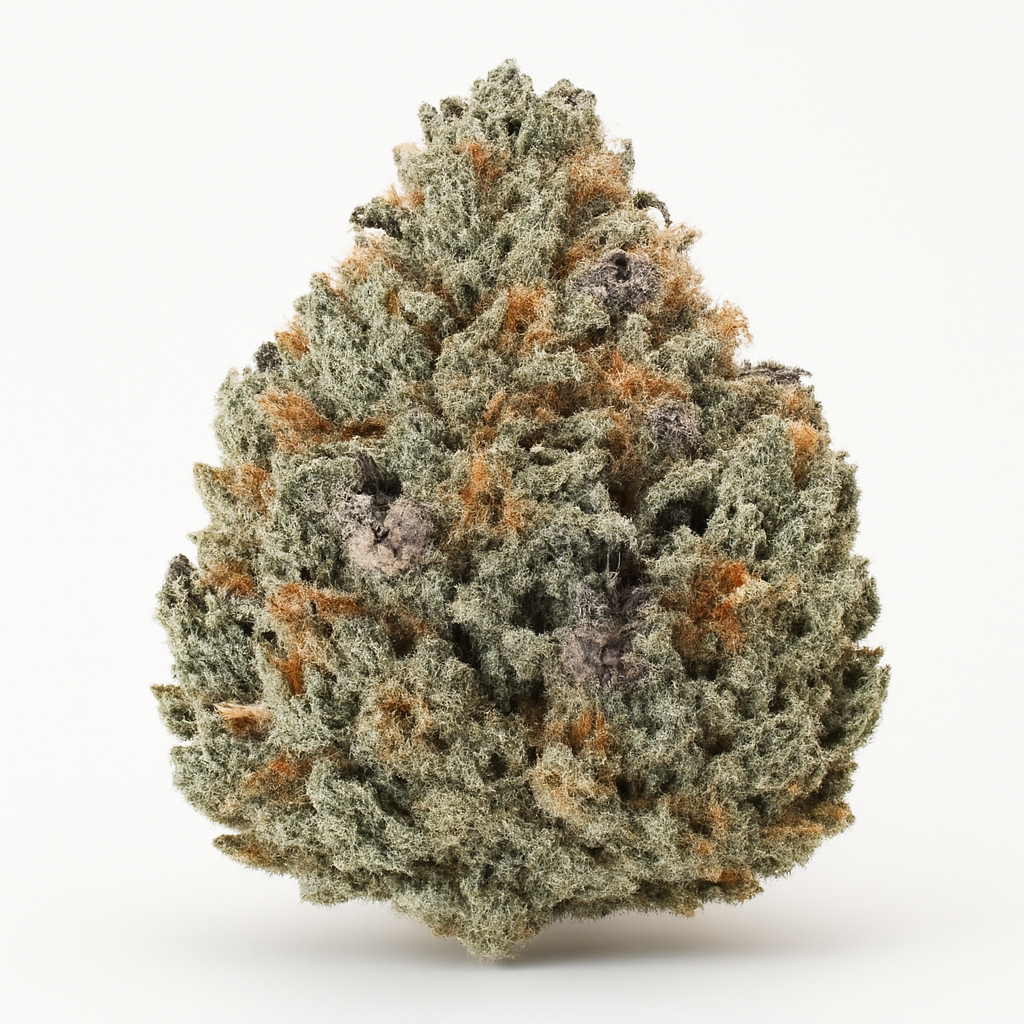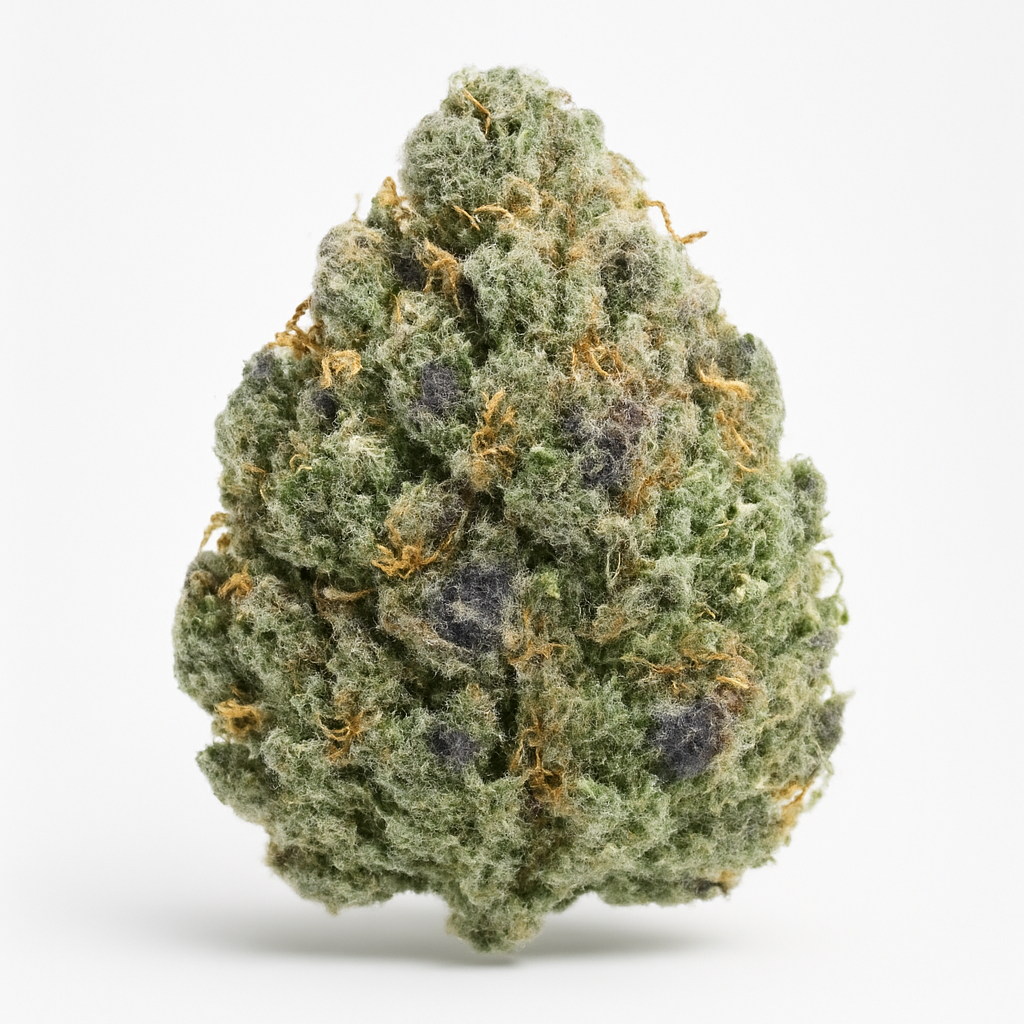
Representative image of GMO Rootbeer
GMO Rootbeer is a hybrid that leans into a high-THC profile while delivering focused, creative energy. With a 27% THC level and 1% CBG, it’s built for users who want a punchier cerebral lift backed by subtle cannabinoid complexity.
What Is the GMO Rootbeer Strain?
GMO Rootbeer is a hybrid cannabis strain descended from GMO Cookies and highlighted by a headline potency of 27% THC and 1% CBG. That combination places it among stronger hybrids in a typical catalog and signals a blend of psychoactive intensity with a touch of minor-cannabinoid complexity.
GMO Rootbeer Effects
Users report feeling focused, creative, and energetic with GMO Rootbeer. Expect a clear-headed push toward concentration and idea flow rather than a heavy sedative drop; those three effect tags together suggest it favors an activating, task-oriented experience rather than complete couch-lock.
GMO Rootbeer Flavors & Aroma
The taste profile skews unexpectedly gentle and layered: tea notes give a tannic, vegetal backbone, apricot brings a soft fruity sweetness, and butter rounds things out with a creamy, smooth finish. Aromas and smoke tend to highlight those same elements, combining fruit and cream rather than overtly skunky or diesel tones.
Terpene Profile of GMO Rootbeer
GMO Rootbeer’s dominant terpenes are myrcene (herbal), limonene (citrus), and caryophyllene (pepper). Myrcene often provides an herbal, slightly calming base, limonene contributes bright, uplifting citrus top notes that can support energetic, motivated feelings, and caryophyllene adds a spicy, peppery depth that can sharpen the overall sensory profile. Taken together, these terpenes can help steer the THC experience toward focused creativity by balancing zest and grounding aromatics.
What Does GMO Rootbeer Help With?
Anecdotally, people reach for GMO Rootbeer to help with anxiety, bipolar disorder, and depression. These reported uses reflect its capacity to produce focused, uplifting sensations that some users find stabilizing or mood-lifting; such accounts are subjective and should be understood as personal reports rather than medical guidance.
GMO Rootbeer Side Effects & Negatives
Reported negatives include dizziness, headache, and dry eyes. Because of the relatively high THC, newcomers or those sensitive to THC should start with a low dose to minimize those risks, stay hydrated, and avoid combining with other intoxicants until they know how it affects them.
GMO Rootbeer Genetics & Lineage
GMO Rootbeer traces its lineage to GMO Cookies, and that parentage helps explain the strain’s concentrated cannabinoid content and hybrid character. While the name evokes a particular flavor, the genetics mainly signal a compact, potent profile-GMO Cookies lineage tends to produce hybrids that punch above average in THC and retain distinctive terpene mixes.
GMO Rootbeer THC & CBG Content
At 27% THC, GMO Rootbeer is noticeably stronger than the typical catalog average of about 20% THC. That gap means less is often more: small doses will achieve effects that lower-potency strains require larger servings to reach. The 1% CBG is modest but contributes to the cannabinoid mix, offering a slight layer of complexity without dominating the experience.
Is GMO Rootbeer Indica or Sativa?
Classified as a hybrid, GMO Rootbeer blends traits from both indica and sativa families rather than sitting squarely in one camp. In practice that translates to a mental uplift and increased focus with enough physical calm to stay comfortable-consistent with the reported energetic and creative effects.
Who Is GMO Rootbeer Best For?
GMO Rootbeer is best suited to daytime or early-evening activities that benefit from focus and creative momentum-think writing, design work, or social situations where energy and clarity matter. Given its 27% THC, recommenders should advise cautious dosing for newcomers and suggest microdosing at first. Experienced consumers who enjoy a high-THC hybrid that nudges toward productivity will likely get the most out of it.
Our Take on GMO Rootbeer
We like GMO Rootbeer for people who want a high-THC hybrid that leans into productive energy rather than pure sedation. Its terpene mix of limonene, myrcene, and caryophyllene supports the reported focused and creative effects, and the 27% THC makes it noticeably stronger than the catalog average-rewarding for seasoned users but one to approach carefully if you’re THC-sensitive. With a 4.3/5 average from 13 ratings, the crowd response is solid but not unanimous; that tells us it’s a well-liked option with a few caveats around side effects. In short: pick GMO Rootbeer if you want a punchy, idea-friendly hybrid; look elsewhere if you need something milder or deeply relaxing.
GMO Rootbeer FAQ
What type of strain is GMO Rootbeer?
GMO Rootbeer is a hybrid, combining traits of both indica and sativa families.
How strong is GMO Rootbeer?
GMO Rootbeer tests at 27% THC, which is higher than the typical catalog average of about 20%.
What does GMO Rootbeer taste like?
The strain is reported to taste of tea, apricot, and butter-offering a vegetal backbone, soft fruit sweetness, and creamy finish.
What effects can I expect from GMO Rootbeer?
Users commonly report feeling focused, creative, and energetic-an activating experience suited to tasks and creative work.
What conditions do people report using GMO Rootbeer for?
Anecdotally, people report using GMO Rootbeer to help with anxiety, bipolar disorder, and depression; these are user reports, not medical claims.
Are there any side effects I should watch for?
Reported negatives include dizziness, headache, and dry eyes. Start with a low dose to reduce the chance of these effects.