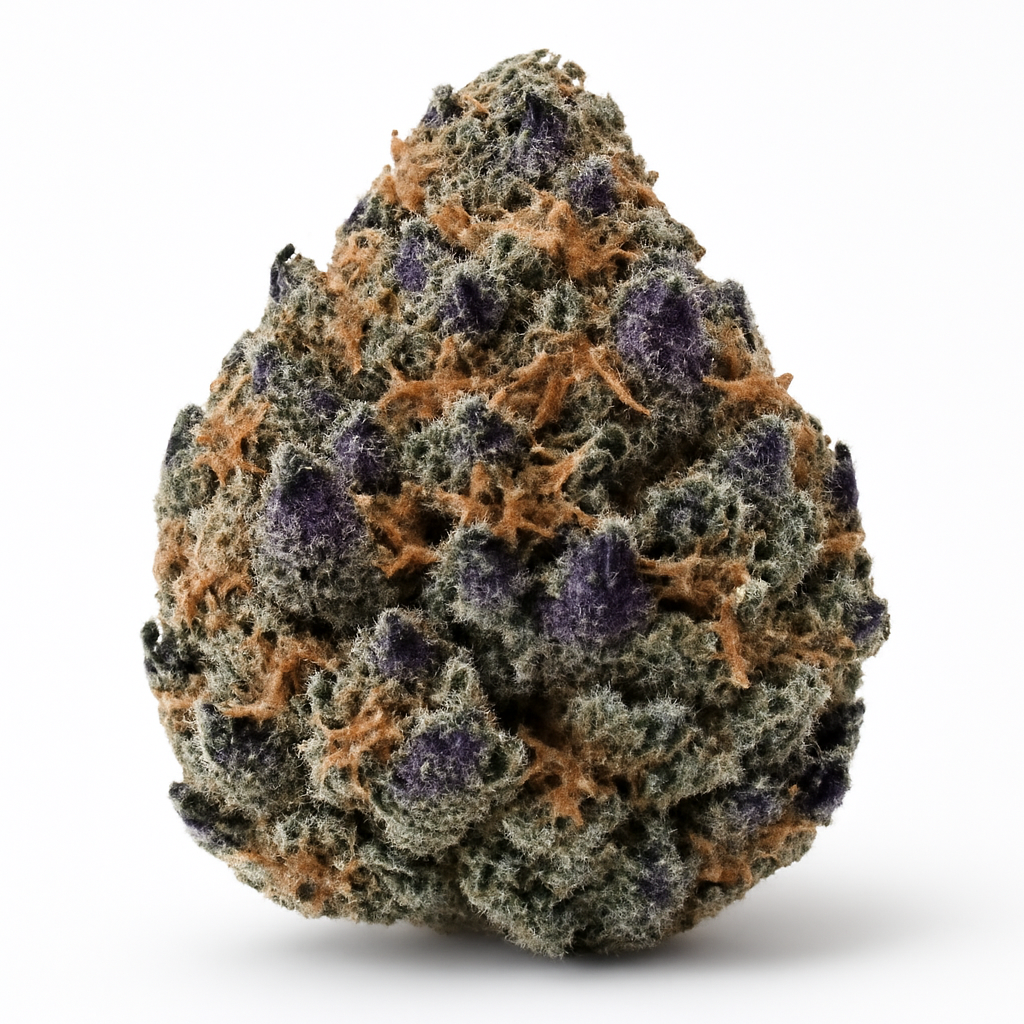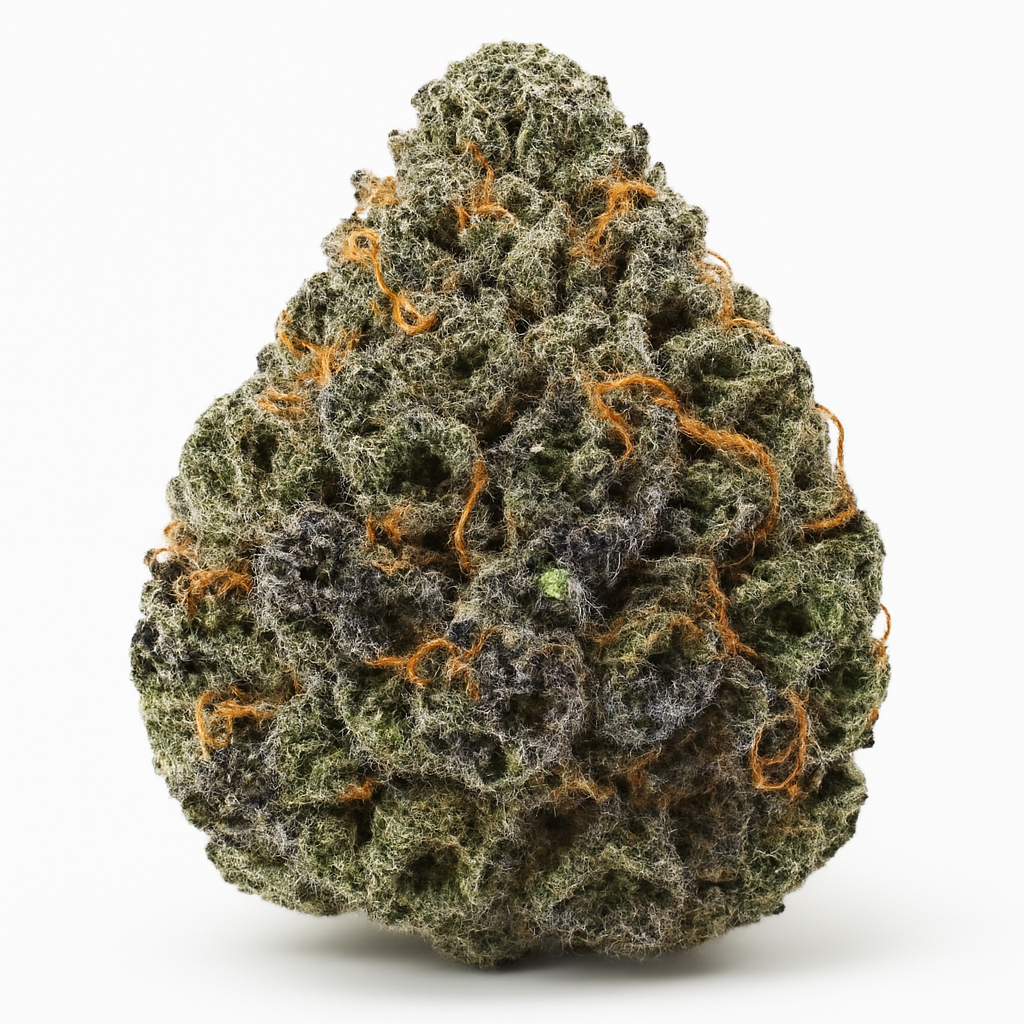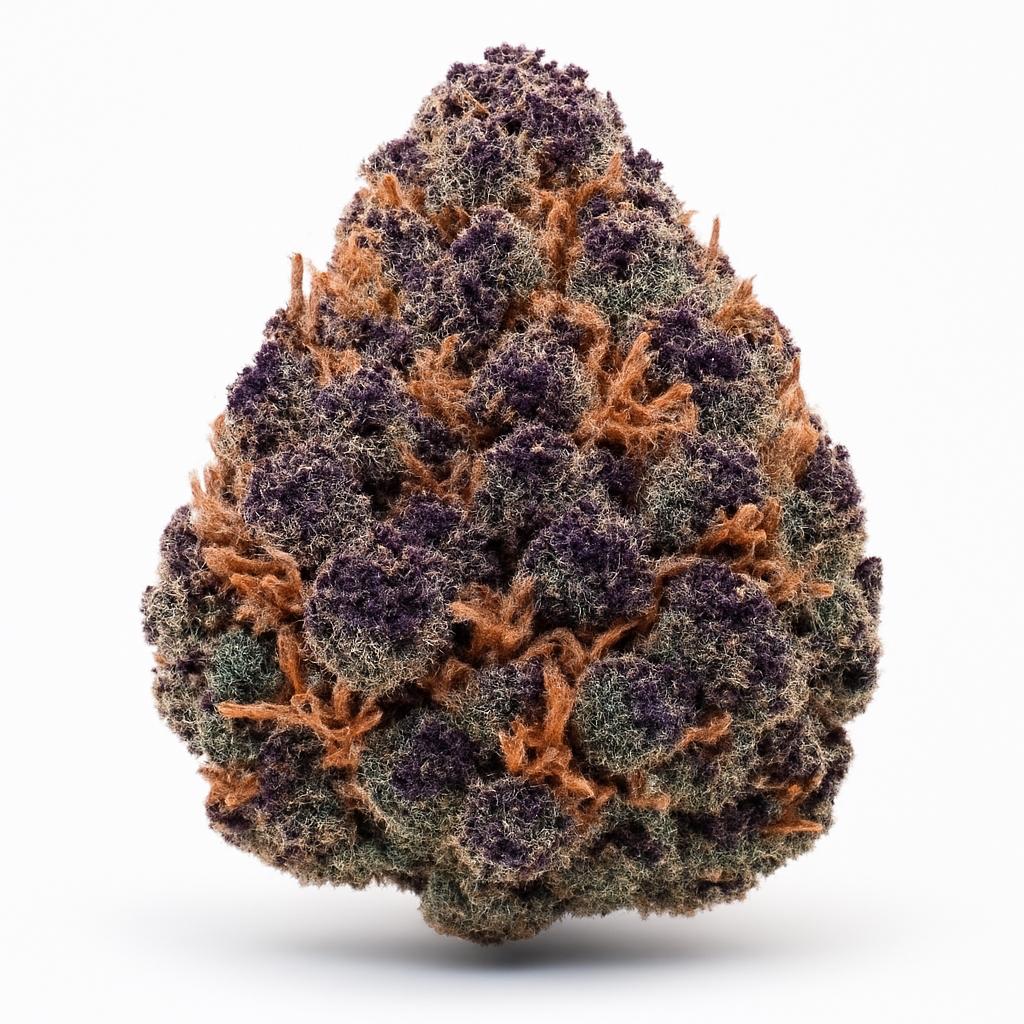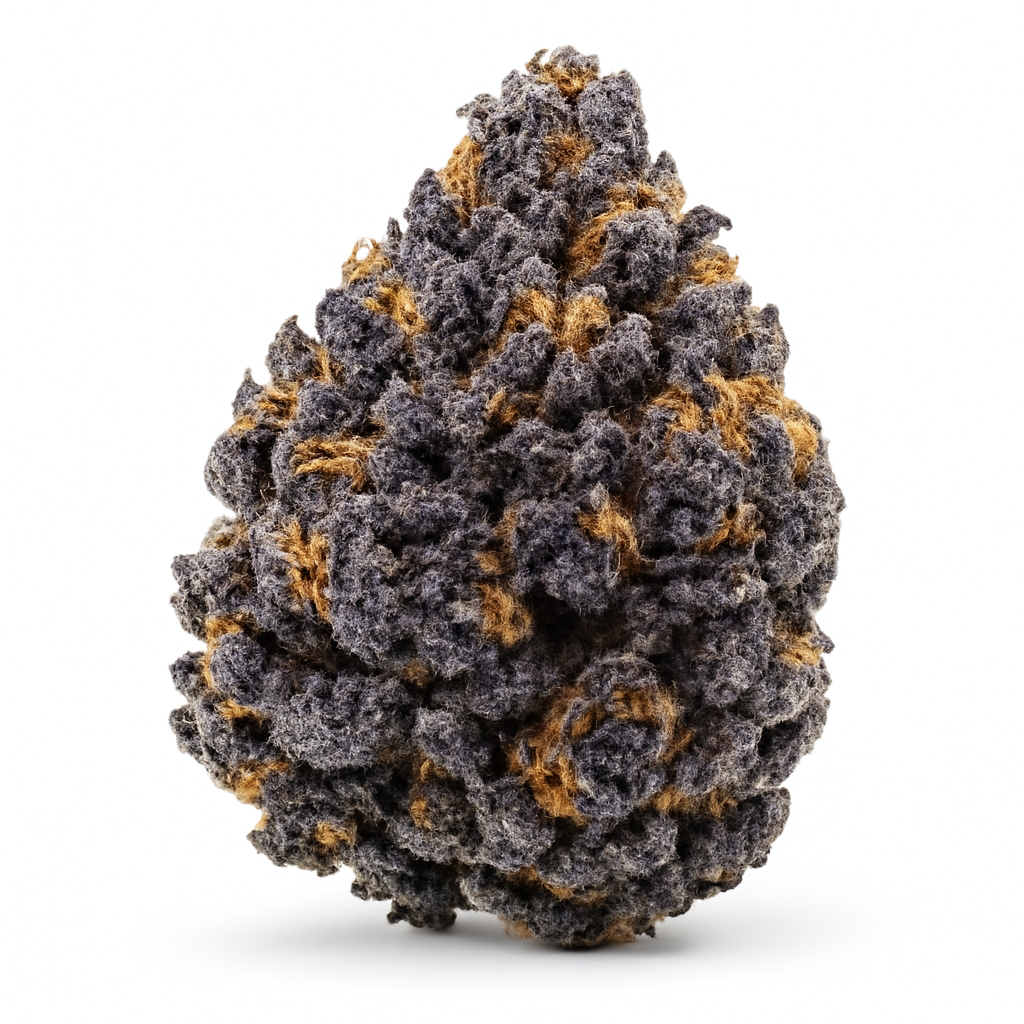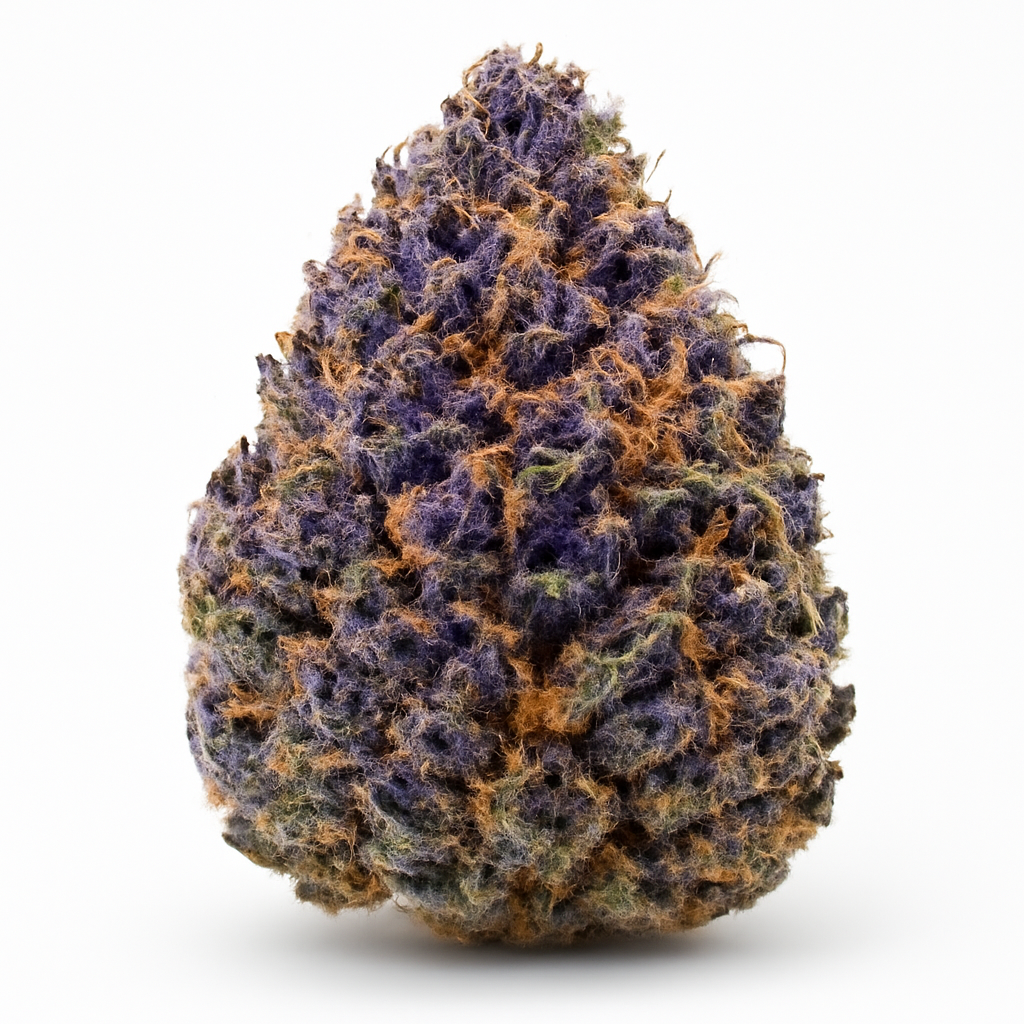
Representative image of Grape Ape
Grape Ape is an indica cannabis strain with 18% THC. Users report feeling sleepy, hungry and relaxed. Flavors include grape, berry and sweet.
Grape Ape Effects
Users report a reliably relaxed, sleepy experience with Grape Ape, often accompanied by increased appetite. The dominant impressions are a slow, body-centered unwind that can transition into dozing for some people; expect calming mentation rather than energetic uplift. Because the effects trend toward sedation, Grape Ape reads as an evening or low-activity strain rather than something to use before demanding tasks.
Grape Ape Flavors & Aroma
The flavor profile skews grape-forward with clear berry and sweet notes layered on top. Aromas and taste echo the name: a candy-like grape entry that softens into ripe berry sweetness on the exhale, making each draw distinct for users who value pronounced fruity profiles.
Terpene Profile of Grape Ape
Grape Ape’s terpene lineup highlights myrcene (herbal), pinene (pine), and caryophyllene (pepper). Myrcene is commonly associated with earthy, herbal aromas and is often present in strains with relaxing, sedative effects. Pinene adds a crisp pine lift to the aroma that can cut through the sweetness, while caryophyllene contributes a spiced, peppery edge. Together these terpenes help shape both the scent/taste and the overall calming character through the entourage effect.
What Does Grape Ape Help With?
Anecdotal reports indicate people reach for Grape Ape for pain relief, stress reduction, and anxiety management. Its body-heavy, sedating profile makes it a frequent choice for users who want to unwind physically and mentally at the end of the day. These are reported benefits rather than medical claims, reflecting user experience rather than clinical evidence.
Grape Ape Side Effects & Negatives
Commonly reported negatives include dry mouth and dry eyes, plus occasional dizziness for some users. To minimize side effects, consumers often hydrate, use eye drops if needed, and start with a modest dose-especially if they’re prone to lightheadedness or are new to indica-leaning strains.
Grape Ape Genetics & Lineage
The Afghani and Mendocino Purps lineage helps explain Grape Ape’s character: Afghani genetics typically bring dense, resinous indica traits and deep physical relaxation, while Mendocino Purps contributes the purple-leaning, fruity berry and grape notes. The cross yields a strain that marries sedative body effects with a pronounced sweet-fruit aroma.
Is Grape Ape Indica or Sativa?
As an indica-leaning strain, Grape Ape generally promotes body relaxation, slowed physical activity, and a tranquil state of mind. Indicas are commonly associated with sedation and couch-bound calm, which aligns with Grape Ape’s sleepy, relaxed reporting.
Grape Ape FAQ
Is Grape Ape an indica or sativa?
Grape Ape is an indica-leaning strain, known for body relaxation and sedative effects.
What does Grape Ape taste and smell like?
Expect a grape-forward flavor with noticeable berry and sweet notes, complemented by piney and peppery undertones from its terpene mix.
What effects are reported with Grape Ape?
Users commonly report feeling sleepy, hungry, and relaxed when using Grape Ape.
What is Grape Ape commonly used to help with?
Anecdotally, people reach for Grape Ape for relief from pain, stress, and anxiety.
What are common side effects of Grape Ape?
Reported negatives include dry mouth, dry eyes, and occasional dizziness; starting with a small dose and staying hydrated can help.