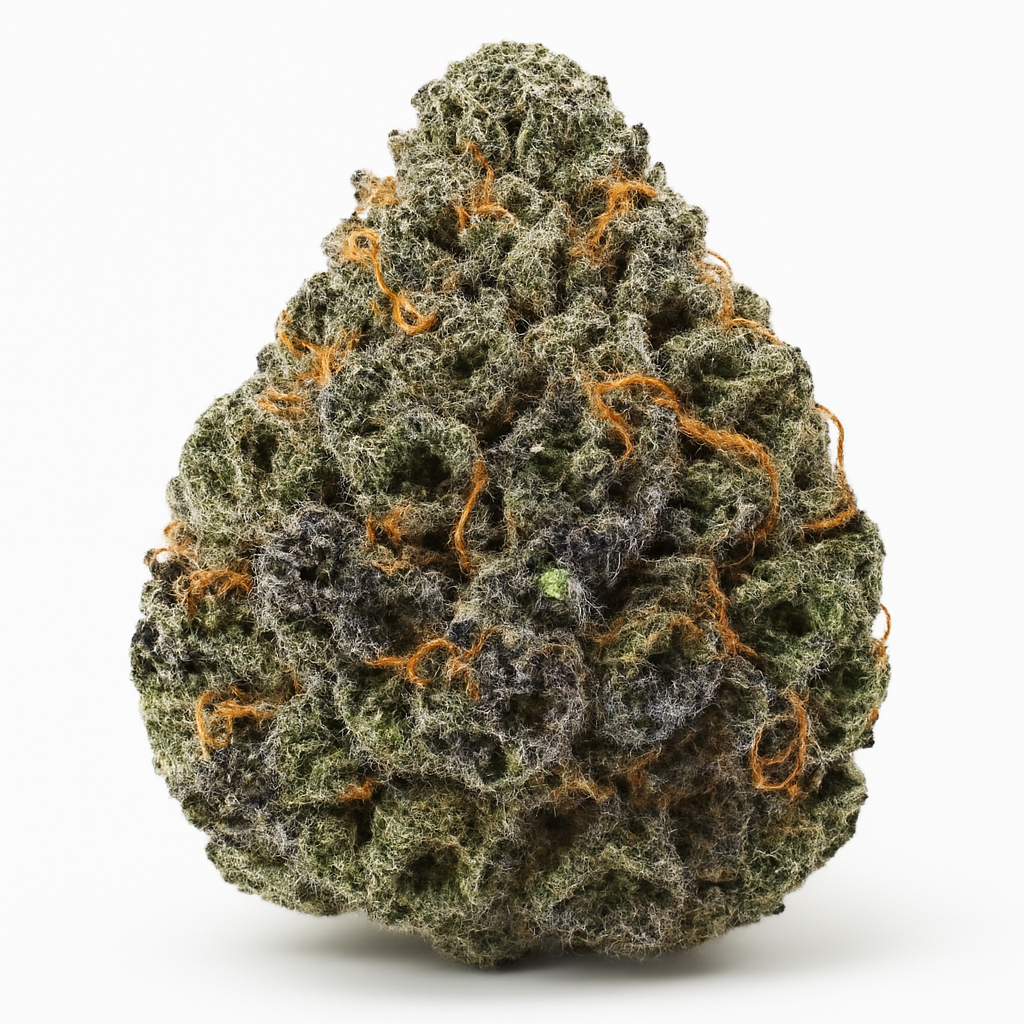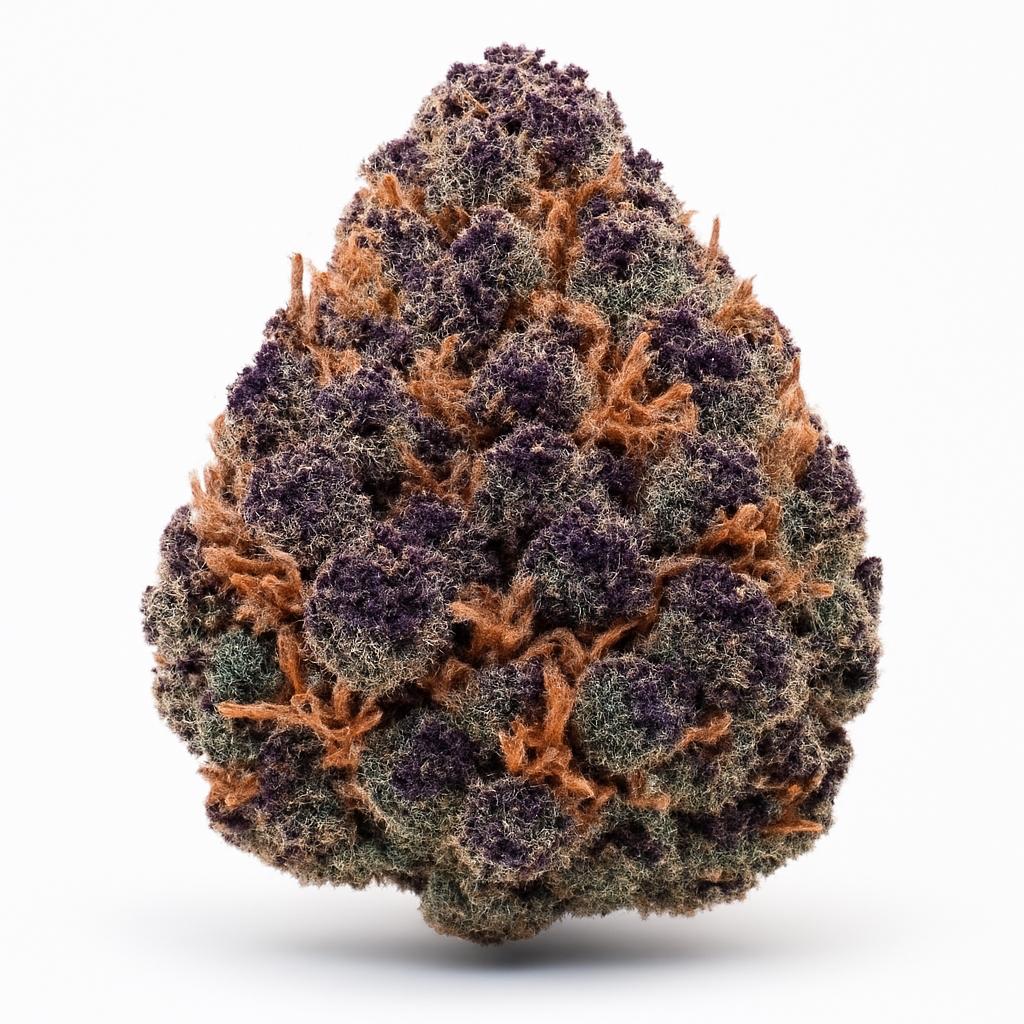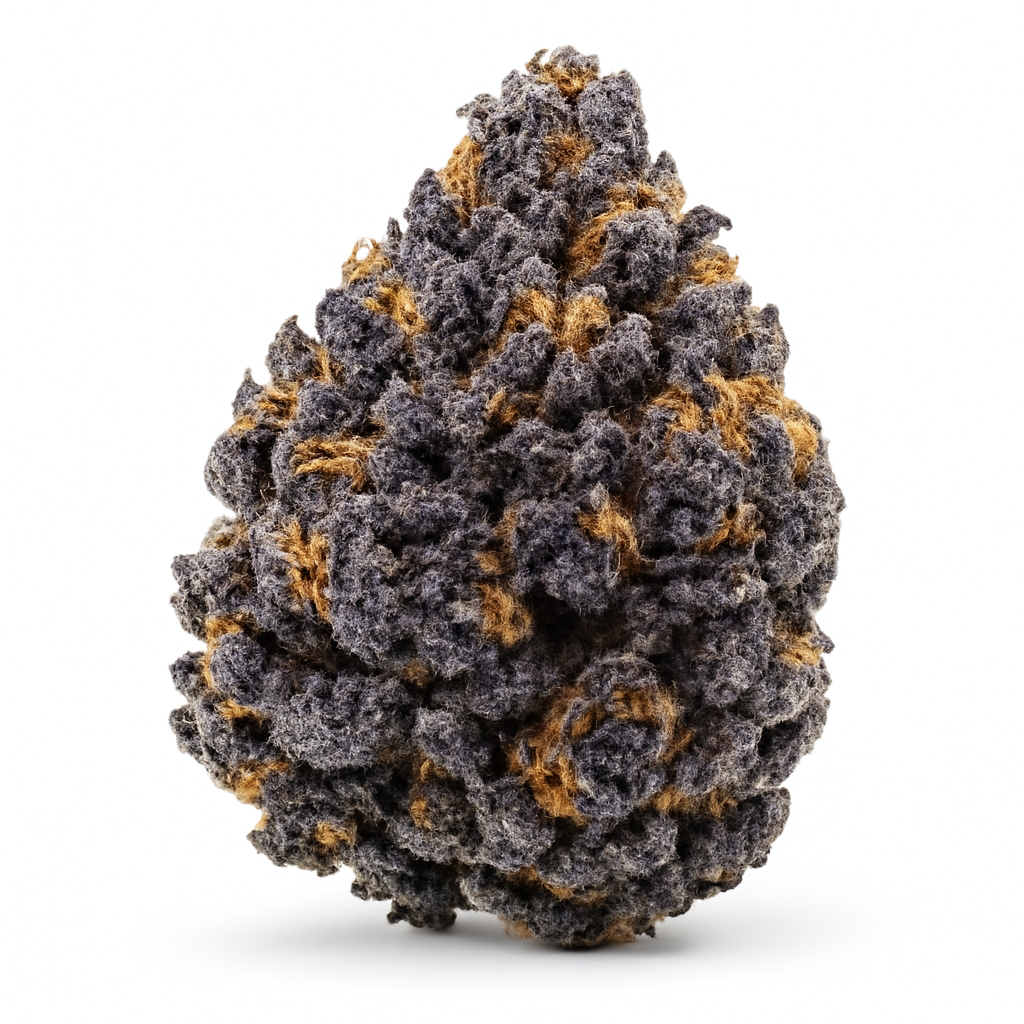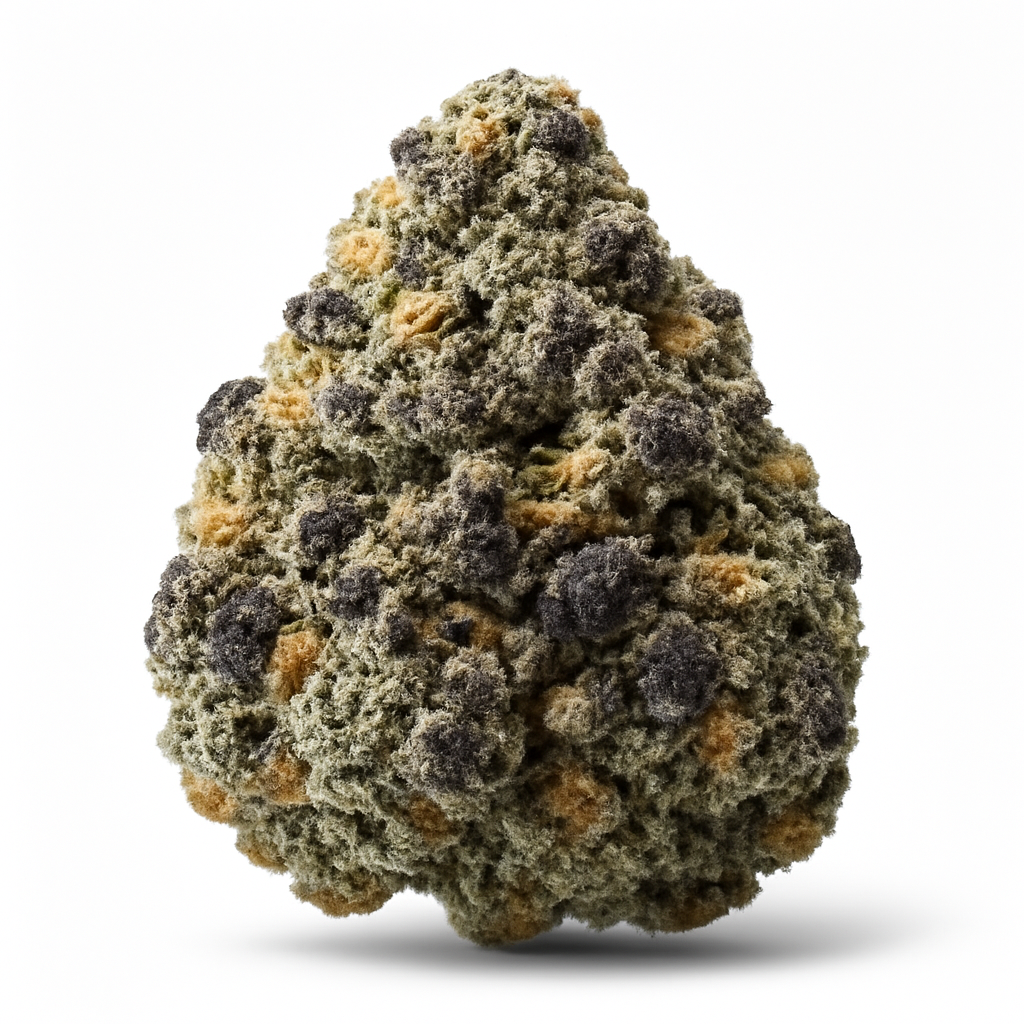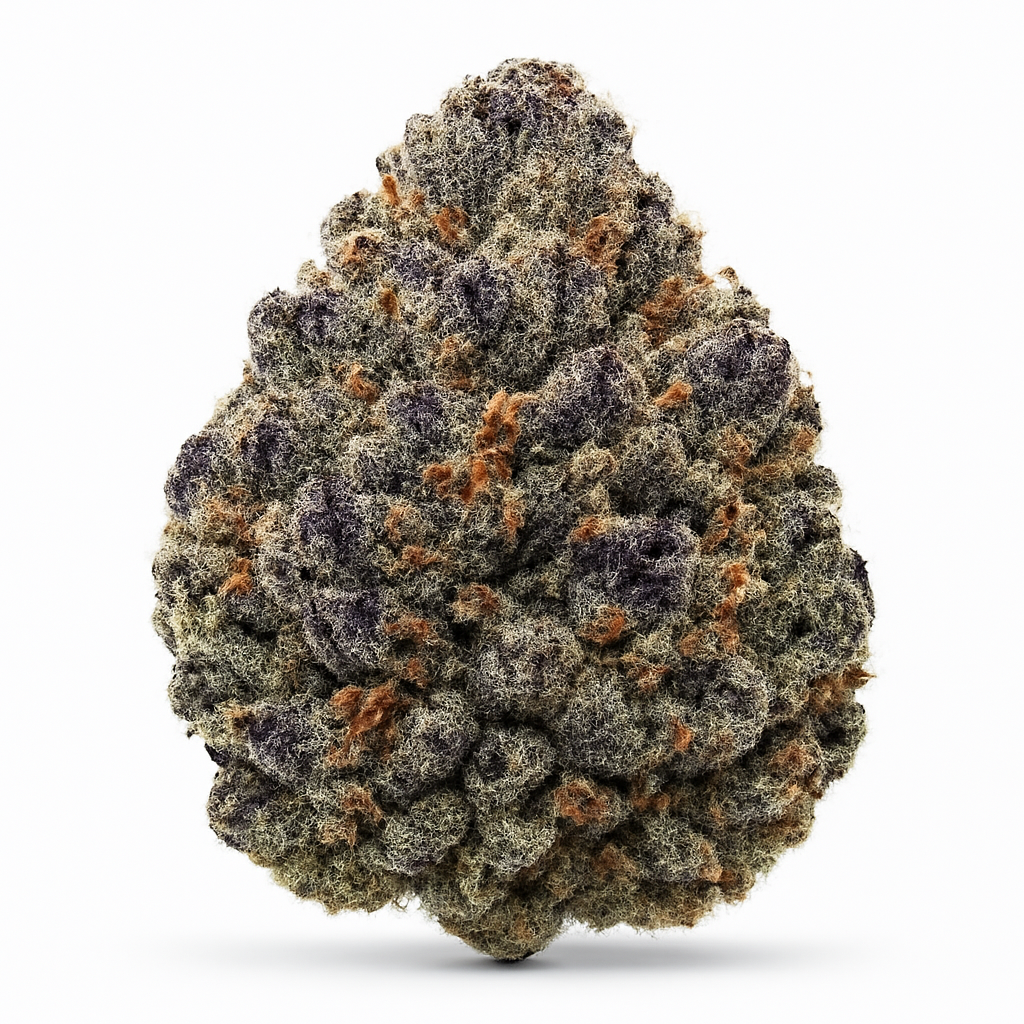
Representative image of Hashberry
Hashberry is an indica-leaning cultivar known for its mellow, berry-forward profile and relaxing finish. At 11% THC and 1% CBG, it offers a gentler option compared with higher-potency varieties while still delivering clear sedative and euphoric notes.
What Is the Hashberry Strain?
Hashberry is an indica strain descended from North Indian genetics, presenting a headline potency of 11% THC with 1% CBG. That combination places it on the lower end of the potency scale for modern cultivars, making it a recognizable choice for users seeking the classic indica profile without extreme strength.
Hashberry Effects
Users report a pronounced sleepy quality alongside bouts of euphoria and an appetite boost; those three effects tend to unfold in sequence, with an initial uplift that eases into sedation. Expect a relaxed, body-focused experience that leans toward couchbound calm rather than stimulant-like clarity.
Hashberry Flavors & Aroma
The flavor and aroma of Hashberry tilt strongly toward berry, softened by honeyed sweetness and a cool mint finish. The result is a fruit-forward scent that keeps a refreshing herbal lift instead of turning overly heavy or cloying.
Terpene Profile of Hashberry
Hashberry’s terpene trio-myrcene, caryophyllene and ocimene-helps explain its character. Myrcene contributes herbal, earthy notes and is commonly associated with relaxing, sedative qualities; caryophyllene adds a peppery spice that can feel grounding; and ocimene brings minty, sweet highlights that brighten the aroma and prevent it from feeling one-dimensional.
What Does Hashberry Help With?
Anecdotally, people reach for Hashberry to manage stress, pain and difficulty sleeping. Its combination of sedative myrcene and euphoric moments makes it a go-to for evening unwinding or for those seeking short-term relief from tension and sleeplessness, according to user reports.
Hashberry Side Effects & Negatives
Reported downsides include dry eyes and dry mouth, and some users note occasional paranoia if they take too much. Because effects trend sedating despite modest THC, start with a low dose and allow time to gauge tolerance-hydration and a calm setting reduce the chance that a heavier hit will feel unpleasant.
Hashberry Genetics & Lineage
With North Indian parentage, Hashberry carries an old-world indica backbone that favors earthy, resinous profiles and calming effects. That lineage helps explain the strain’s compact, relaxing character and its emphasis on body-focused sensations rather than cerebral stimulation.
Hashberry THC & CBG Content
At 11% THC (and 1% CBG), Hashberry is notably milder than the typical catalog average of about 20% THC. For many users this means a lower risk of overwhelming intoxication; it’s easier to dose and may suit those sensitive to high-THC flower or anyone looking for a gentler evening option.
Is Hashberry Indica or Sativa?
As an indica, Hashberry generally promotes relaxation and physical calm rather than energetic uplift. That classification aligns with the reported sleepy, euphoric, and appetite-stimulating effects and suggests it’s best used when activity demands are low.
Who Is Hashberry Best For?
Hashberry is best reserved for late-afternoon or evening sessions when relaxation and sleep are the goals. Its lower THC makes it approachable for novices and anyone who wants sedative help without overly intense potency; pair it with modest doses, a comfortable setting and something to drink to counter dry mouth.
Our Take on Hashberry
We appreciate Hashberry for doing one clear thing well: delivering a mellow, berry-mint indica experience without the heavy THC levels common today. Its terpene profile supports the reported sedation and pleasant aroma, and the 4.3/5 average from 111 ratings suggests consistent satisfaction. If you want a flavorful, gentle indica for winding down or tackling sleeplessness anecdotally, Hashberry is worth trying. If you’re chasing high-potency effects or need daytime focus, you should look elsewhere.
Hashberry FAQ
What type of strain is Hashberry?
Hashberry is an indica strain with North Indian parentage.
How strong is Hashberry compared to other strains?
Hashberry tests at 11% THC, which is lower than the catalog average of about 20%, making it a milder option.
What effects can I expect from Hashberry?
Users report sleepy, hungry and euphoric effects, typically moving from a brief uplift into relaxation and sedation.
What flavors does Hashberry have?
Hashberry is described as berry-forward with notes of mint and honey.
What are common side effects of Hashberry?
Reported negatives include dry eyes, dry mouth and occasional feelings of paranoia in some users.
What is Hashberry commonly used to help with?
Anecdotally, people use Hashberry for stress relief, pain management and to address insomnia.