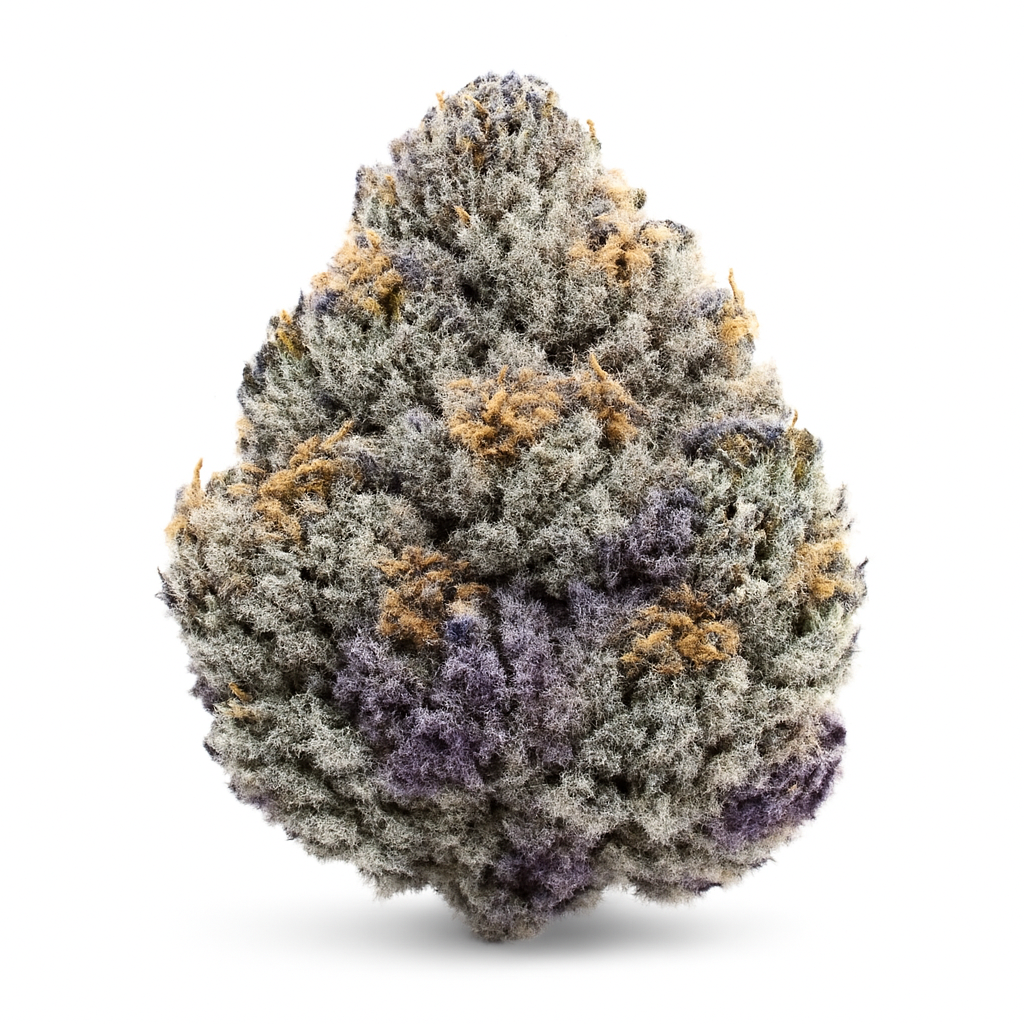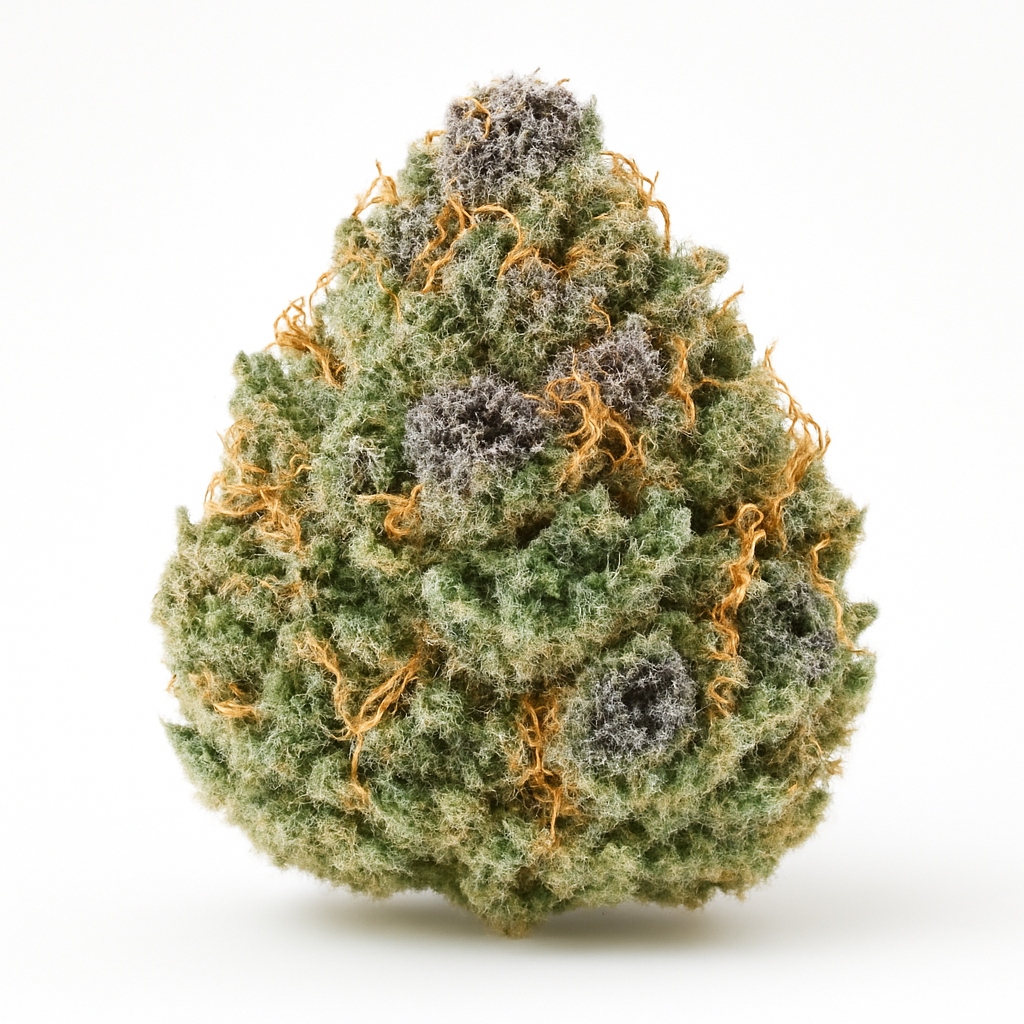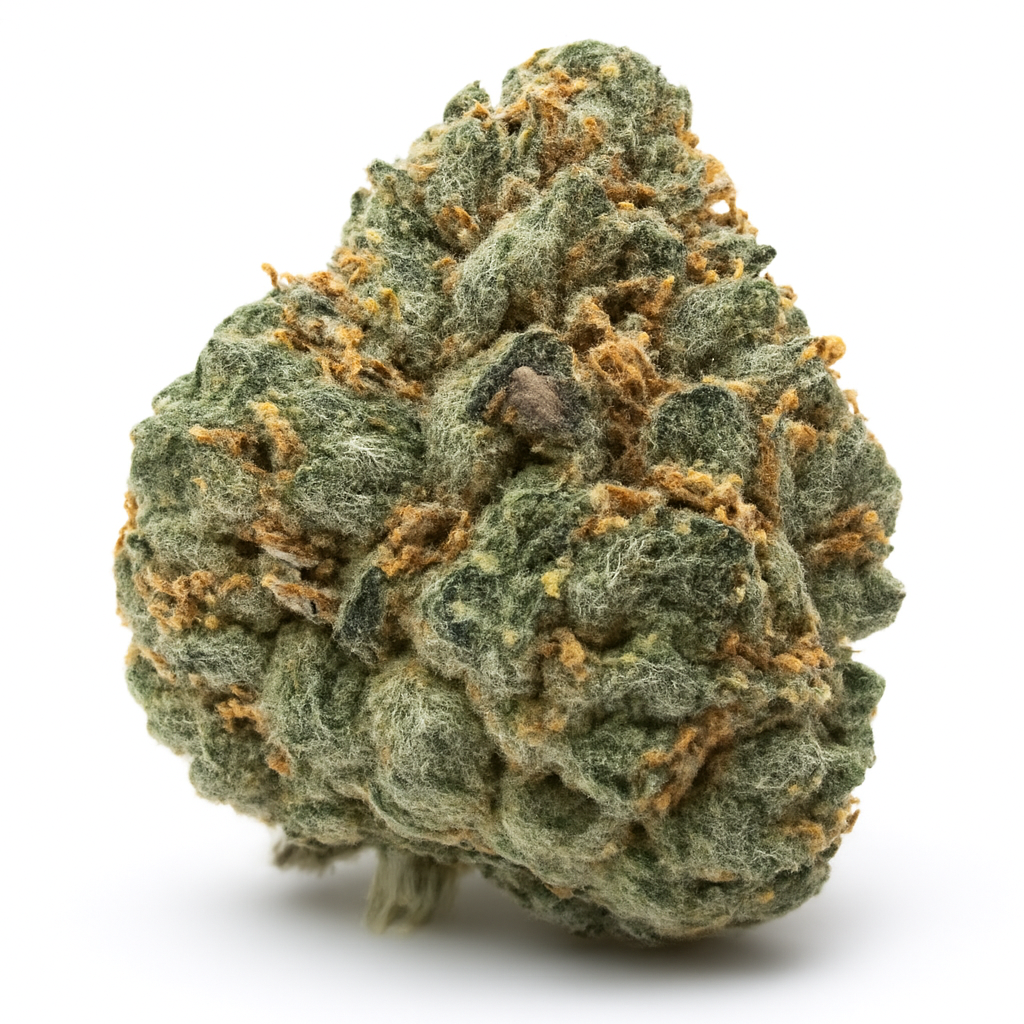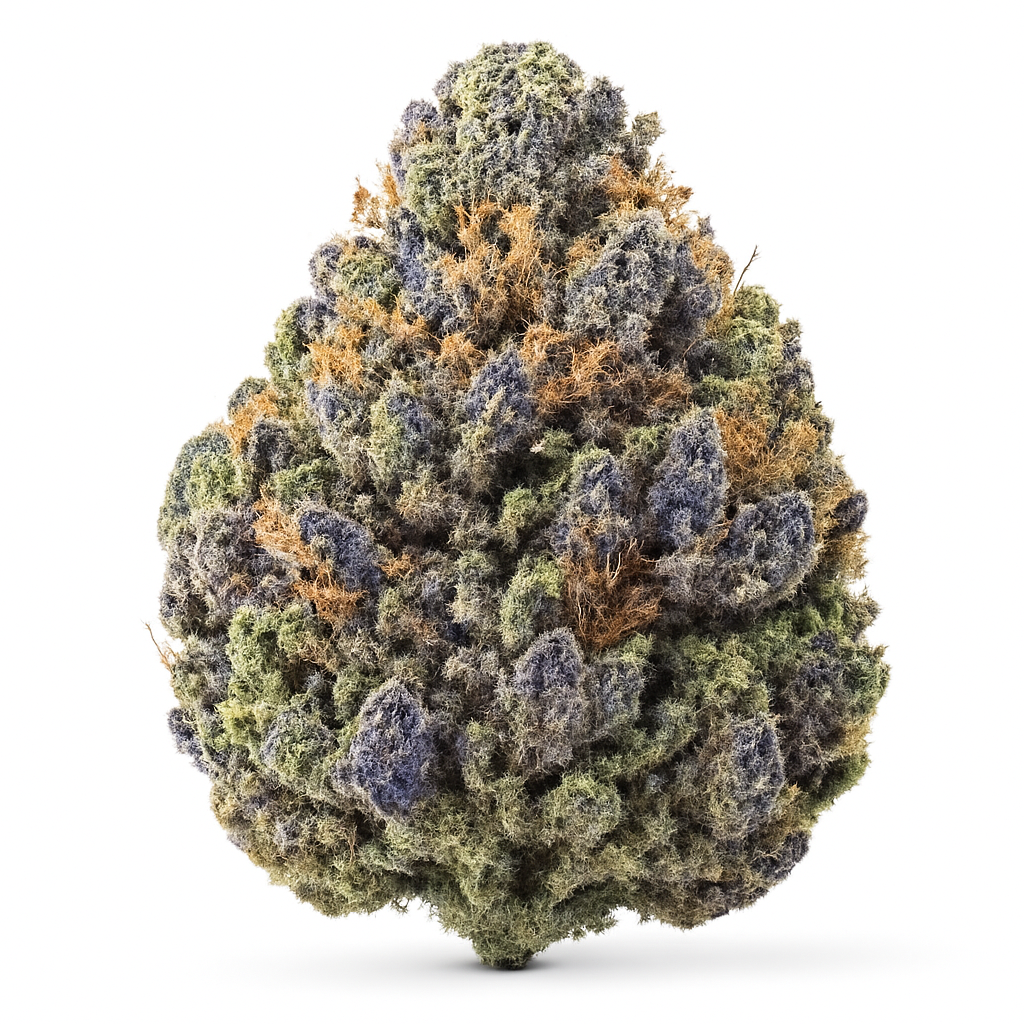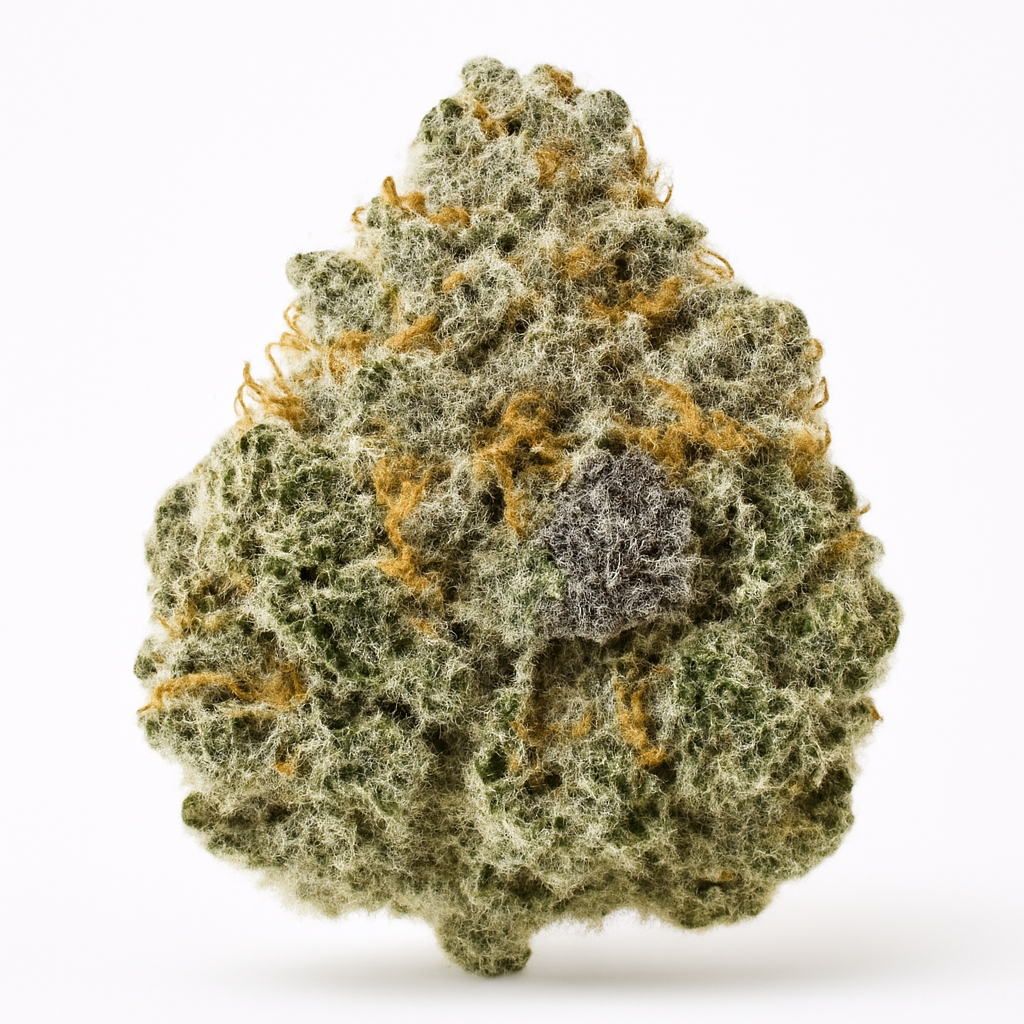
Representative image of Kong
Kong is a hybrid that leans on relaxing, sleep‑friendly effects without pushing THC to the extremes. With 14% THC and a touch of CBG, it delivers a tingly, calming profile that reviewers consistently praise.
What Is the Kong Strain?
Kong is a hybrid cannabis variety bred from White Russian and Motavation, carrying a headline potency of 14% THC and 1% CBG. It presents as a milder, balanced option in a catalog where many strains hover closer to 20% THC, positioning itself as a calmer alternative rather than an overpowering powerhouse.
Kong Effects
Reported effects for Kong include a tingly onset that settles into relaxed, sleepy sensations - the kind of experience that moves from a mild buzz into full-body calm. Users can expect the initial tingling to give way to winding down rather than cerebral stimulation, making the strain feel soothing and grounding rather than energizing.
Kong Flavors & Aroma
Kong’s flavor profile is built around sharp diesel and skunk notes with an earthy base, producing a pungent, old‑school bouquet. The diesel and skunk create a bold upfront aroma while the earthy undertone keeps the smoke rounded and rustic; peppery spice from the terpene mix may add a subtle bite on the exhale.
Terpene Profile of Kong
The dominant terpenes in Kong are caryophyllene (pepper), humulene (hoppy) and myrcene (herbal). Caryophyllene brings peppery, spicy tones that often pair with a grounding mouthfeel; humulene contributes a dry, hoppy or woody character; and myrcene adds herbal, almost clove‑like notes and is commonly associated with more sedating, couch‑friendly effects. Together these terpenes reinforce Kong’s relaxing, slightly sedative profile.
What Does Kong Help With?
Anecdotal reports suggest people turn to Kong for stress relief, pain reduction, and easing anxiety. Those seeking a gentle way to decompress at the end of the day often reach for this strain because its combination of calming effects and aroma supports restfulness without the intense psychoactivity of higher‑THC varieties.
Kong Side Effects & Negatives
The most commonly reported side effects are dry mouth and dry eyes, with dizziness listed by some users. To minimize issues, start with a low dose, stay hydrated, and avoid mixing with alcohol or other depressants until you know how Kong affects you; if dizziness occurs, lying down and sipping water usually helps.
Kong Genetics & Lineage
Kong’s lineage traces back to White Russian and Motavation, a cross that suggests a purposeful blend of traits rather than a single‑minded aim at extreme potency. That parentage helps explain Kong’s hybrid character - carrying both calming, dense qualities and an assertive aroma - without leaning fully toward either parent’s extremes.
Kong THC & CBG Content
At 14% THC, Kong is notably milder than the catalog average of about 20% THC, so its psychoactive impact will generally feel more approachable and controllable. The 1% CBG is a minor cannabinoid present in small measure; while not dominant, it contributes to the overall cannabinoid mix and may subtly influence the entourage effect. For dosing, expect a gentler onset and consider starting low if you’re sensitive to THC despite the lower percentage.
Is Kong Indica or Sativa?
Kong is classified as a hybrid, which typically means a mix of indica and sativa heritage and a balanced effect profile. In Kong’s case the hybrid classification aligns with its reported tingly-to-sleepy trajectory: a mixed genetic background that manifests as calming, body‑oriented effects rather than a pure head high or an energetic uplift.
Who Is Kong Best For?
Kong is best saved for evening or late‑night use when the goal is to unwind, watch a movie, or ease into sleep. Its below‑average THC makes it a good fit for those who prefer milder highs or are newer to cannabis, while still offering meaningful relaxation for seasoned users. Consume slowly in a comfortable setting, hydrate to counter dry mouth and eyes, and avoid operating heavy machinery if you feel sleepy or tingly.
Our Take on Kong
We appreciate Kong as a thoughtfully balanced hybrid that prioritizes relaxation over headline THC numbers. Its 14% THC sits well below the typical catalog average, which makes Kong a reliable choice for people who want calming, tingly, slightly sedating effects without the intensity of high‑THC strains. The terpene trio of caryophyllene, humulene and myrcene explains much of the aroma and contributes to the sedative, earthy character. With a strong crowd rating of 4.7/5 from 151 reviewers, there’s clear consensus that Kong delivers on its promises. We’d recommend it to anyone seeking an evening relaxer or a gentle sleep aid; if you want an energetic or high‑octane cerebral ride, you should look elsewhere.
Kong FAQ
What type of strain is Kong?
Kong is a hybrid, offering a mix of effects that tilt toward relaxation and sleepiness.
How strong is Kong compared to other strains?
Kong tests at 14% THC, which is milder than the catalog average of about 20%, making it a gentler option.
What effects can I expect from Kong?
Users report a tingly onset that moves into relaxed, sleepy sensations-more body calming than energetic uplift.
What does Kong taste and smell like?
Kong has pronounced diesel and skunk notes layered over an earthy base, with a peppery spice on the finish.
What is Kong commonly used for?
Anecdotally, people use Kong to help with stress, pain, and anxiety relief and for evening relaxation.
Are there any side effects to watch for with Kong?
Reported negatives include dry mouth, dry eyes, and occasional dizziness; start with a low dose and stay hydrated.