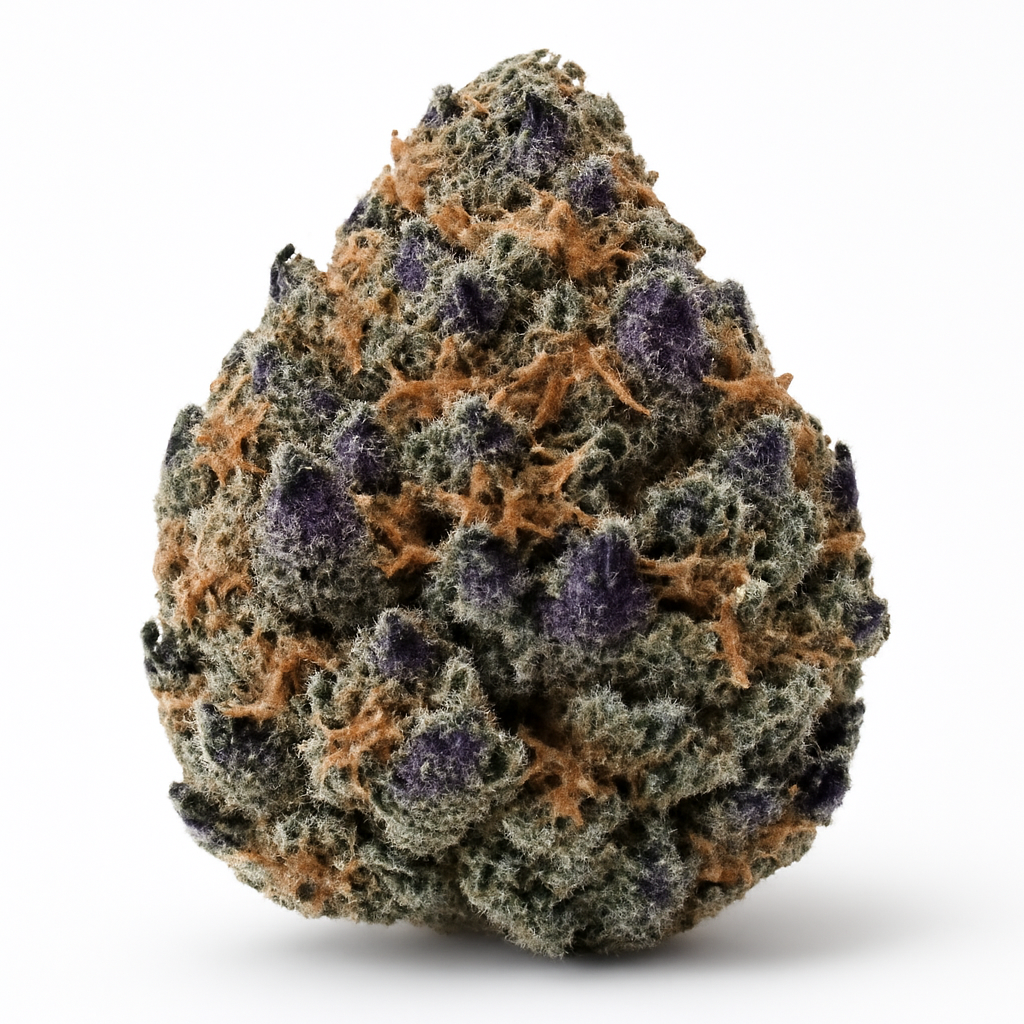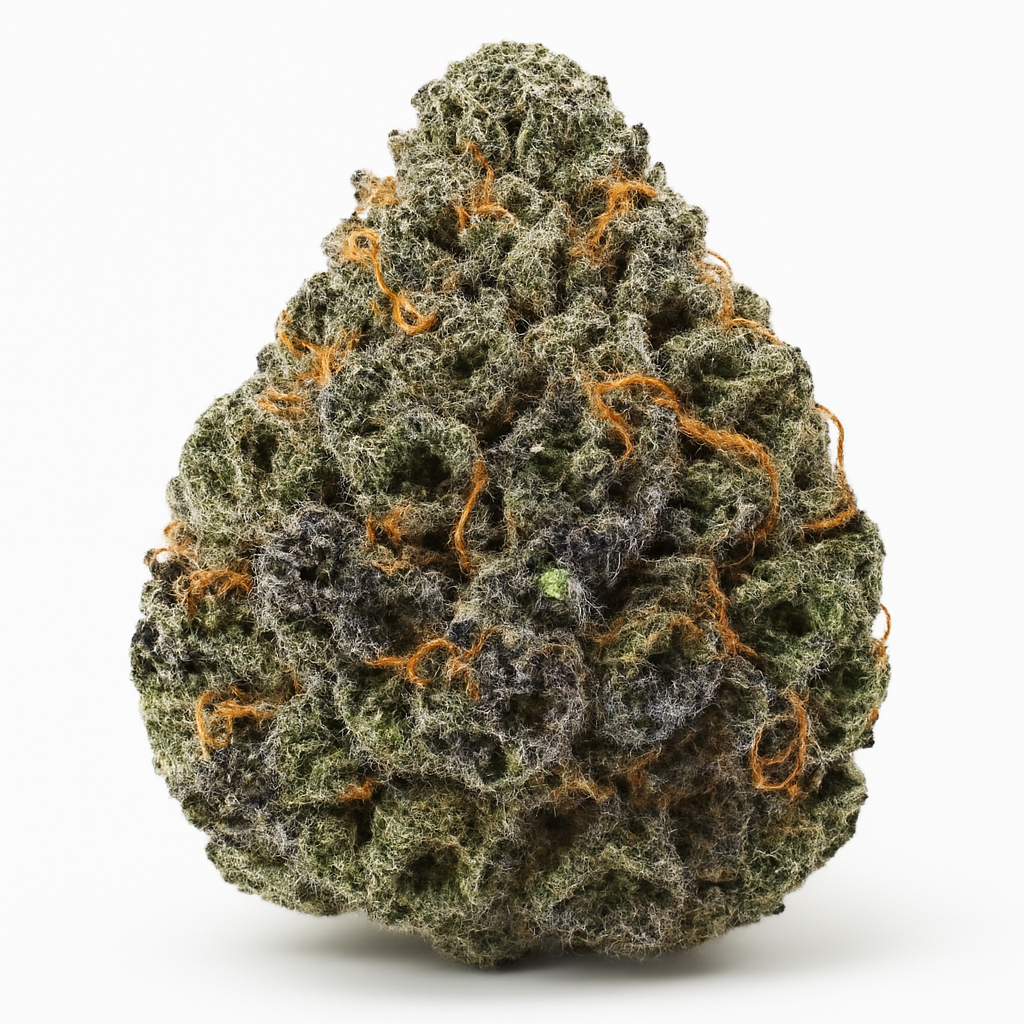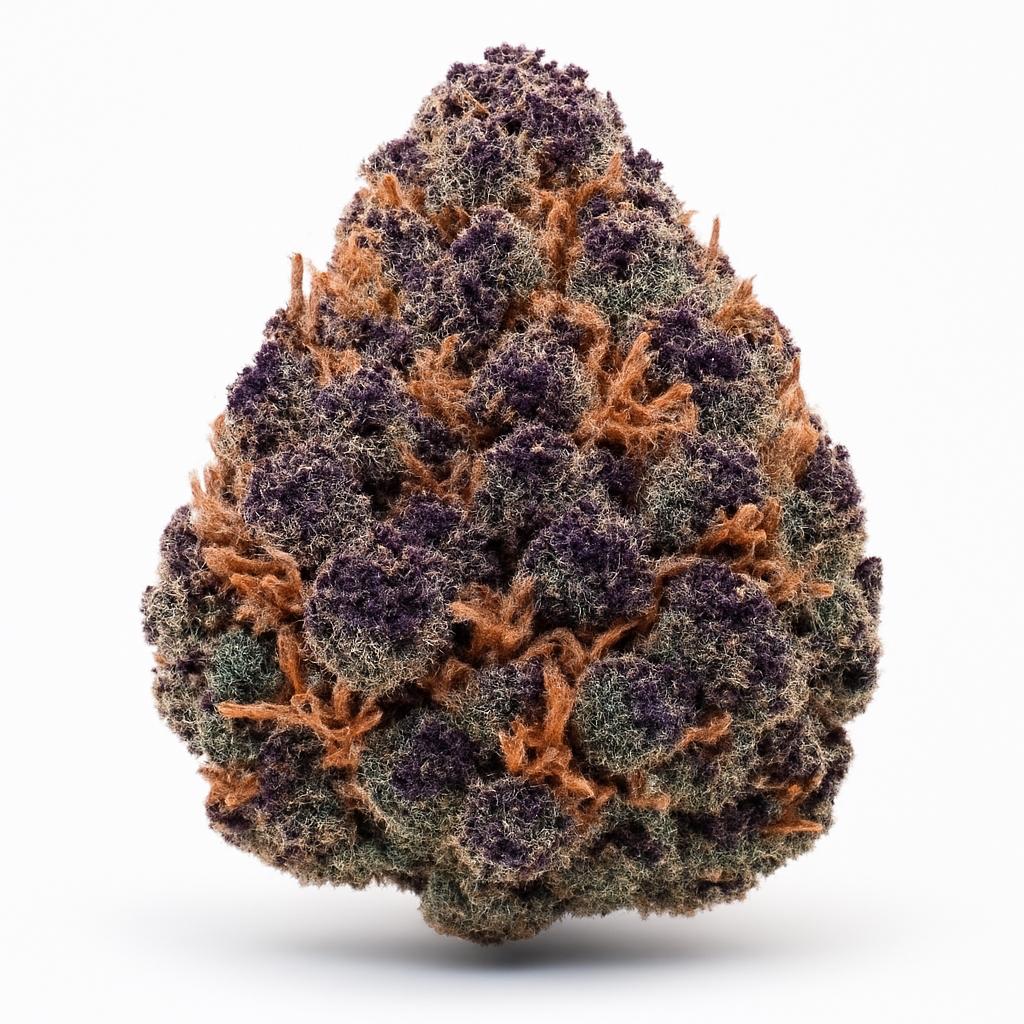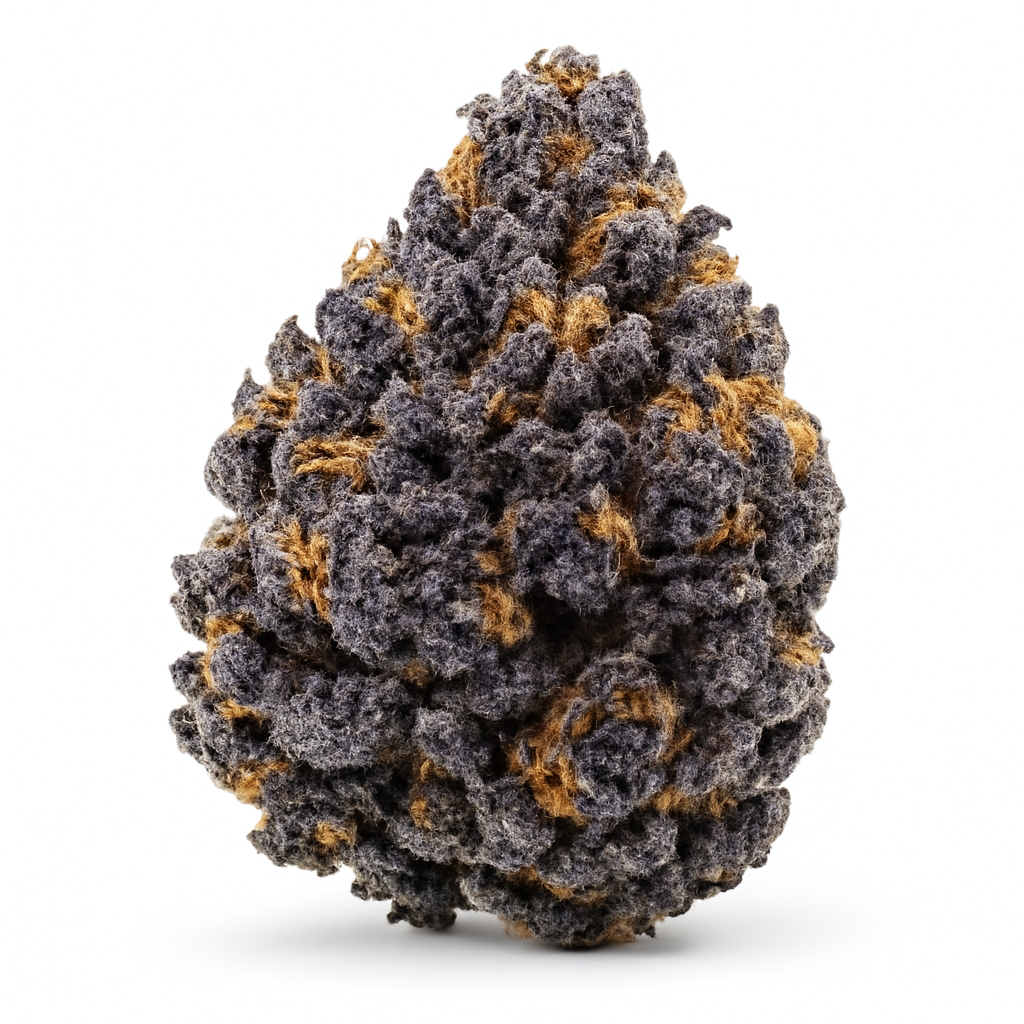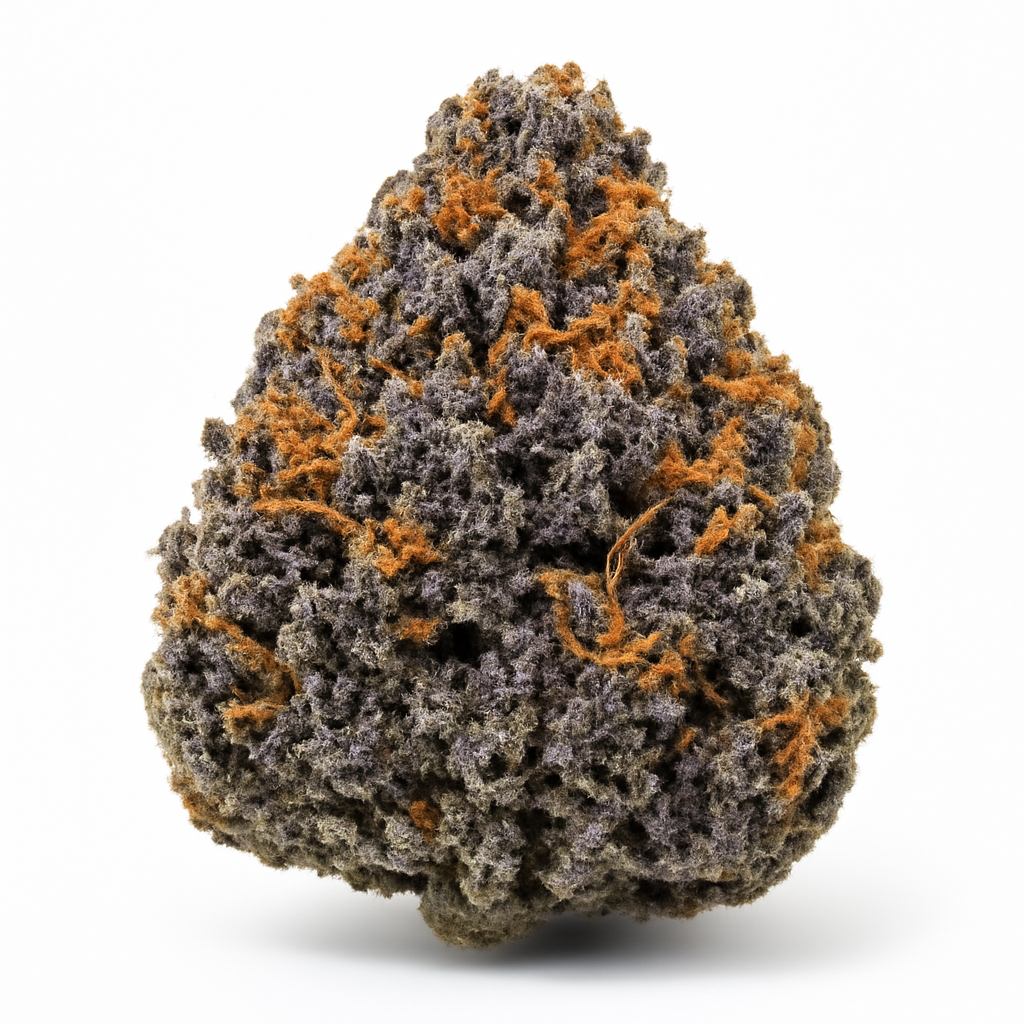
Representative image of Lavender
Lavender, often sold as Lavender Kush, is an indica known for its distinctly floral nose and reliably sedating character. With 18% THC and a touch of CBG, it leans toward gentle but effective relaxation rather than full-on potency theater.
What Is the Lavender Strain?
Lavender is an indica variety grown from Afghani and Super Skunk parentage, carrying a headline potency of about 18% THC and 1% CBG. It presents as a classic body-focused indica with an emphasis on floral aroma and calming effects rather than extreme THC numbers.
Lavender Effects
Users report a pronounced sleepy and relaxed effect profile, often followed by increased appetite. Expect a slow-moving, body-forward experience that eases tension and nudges toward restfulness rather than a cerebral, energetic high. Because the effect list centers on sleepiness and relaxation, sessions with Lavender commonly settle into couchbound calm rather than active creativity or daytime tasks.
Lavender Flavors & Aroma
The flavor and aroma lean heavily floral - lavender sits front and center, supported by flowery and violet notes that give the smoke a perfumed, sweet edge. That floral backbone is often perceived alongside earthier or herbaceous undertones, creating a bouquet that reads more like a fragrant garden than a classic fuel-forward strain.
Terpene Profile of Lavender
Lavender’s dominant terpenes are caryophyllene, myrcene, and pinene. Caryophyllene brings peppery, spicy accents and is often linked to a warming sensation; myrcene contributes herbal, musky tones and is commonly associated with sedative, couch‑oriented qualities; pinene adds a sharper pine top note that can brighten the aroma. Together these terpenes help shape the strain’s aromatic profile and likely amplify the relaxing, body-centered effects.
What Does Lavender Help With?
Anecdotally, consumers reach for Lavender to manage stress, soothe pain, and help with insomnia. Its sleepy and relaxing tendencies make it a common evening choice for people looking to unwind, ease tension, or transition into sleep. These reported benefits are user experiences rather than medical claims, but they align with the strain’s indica nature and terpene mix.
Lavender Side Effects & Negatives
Reported downsides include dry eyes and dry mouth, which are typical with many cannabis varieties. Some users also report bouts of paranoia; for those prone to anxiety, smaller doses and a calm setting are sensible. Start low, go slow, stay hydrated, and avoid high doses if you’re sensitive to anxious feelings.
Lavender Genetics & Lineage
Lavender’s parents - Afghani and Super Skunk - give clear clues to its character. Afghani contributes the classic heavy indica backbone, resinous structure, and a calming profile, while Super Skunk can introduce a pungent, robust aroma and an easy-to-handle potency. The result is a floral-forward indica that retains the sedating, compact feel associated with these lineages.
Lavender THC & CBG Content
At 18% THC, Lavender sits a bit below the catalog average of roughly 20% THC. That makes it moderately potent: strong enough to deliver pronounced relaxation but not typically in the high-potency tier that might overwhelm novices. The 1% CBG is present at a low level and may subtly influence the overall effect, but THC remains the primary driver. New or sensitive users should still dose cautiously.
Is Lavender Indica or Sativa?
Lavender is classified as an indica, which generally implies a body-focused, sedating experience. Indicas are typically chosen for evening or restorative use, and Lavender’s reported sleepy effects fit that expectation - it’s more likely to promote physical relaxation than mental stimulation.
Who Is Lavender Best For?
Lavender is best saved for evenings or downhill days when sleep, relaxation, or pain relief is the goal. Its slightly below-average THC makes it approachable for many regular users, but beginners should start with small amounts because the sedating effects can be strong. It pairs well with low-key activities - watching a movie, winding down before bed, or settling into a relaxed social setting - and isn’t ideal for work or tasks that require alertness. Keep water nearby to offset dry mouth and eyes, and consider a calm environment to minimize the risk of paranoia.
Our Take on Lavender
We appreciate Lavender for its genuine floral character and dependable relaxation. The strain’s 18% THC places it slightly under the catalog norm, which we see as a strength for users who want effective sedation without extreme potency. Its terpene mix (caryophyllene, myrcene, pinene) explains the peppery-spice, herbal earthiness, and pine lift that round out the lavender aroma, and the Afghani × Super Skunk lineage supports the overall indica weight. With a 4.1/5 average from 793 ratings, community sentiment is solid - people consistently enjoy it for night‑time use and stress relief. We’d recommend Lavender to those seeking a floral, sleep-friendly indica; if you need daytime alertness or are highly THC-sensitive and prone to anxiety, look elsewhere or use very low doses.
Lavender FAQ
Is Lavender an indica or sativa?
Lavender is an indica, which generally implies a body-focused, sedating experience suited to evening use.
How strong is Lavender compared to other strains?
Lavender clocks in at about 18% THC, slightly below the catalog average of around 20%, so it’s moderately potent but not in the highest-strength tier.
What does Lavender taste and smell like?
Lavender is floral and perfumed, with clear lavender, flowery, and violet notes that can be joined by herbal or pine undertones from its terpene profile.
What effects can I expect from Lavender?
Users report feeling sleepy, relaxed, and hungry - a body‑forward, calming experience that often helps with winding down.
What issues do people report with Lavender?
Common negatives include dry eyes and dry mouth, and some users report paranoia; lower doses and a calm setting can reduce those risks.
What is Lavender good for?
Anecdotally, people use Lavender for stress relief, pain management, and insomnia due to its relaxing and sleep‑promoting effects.