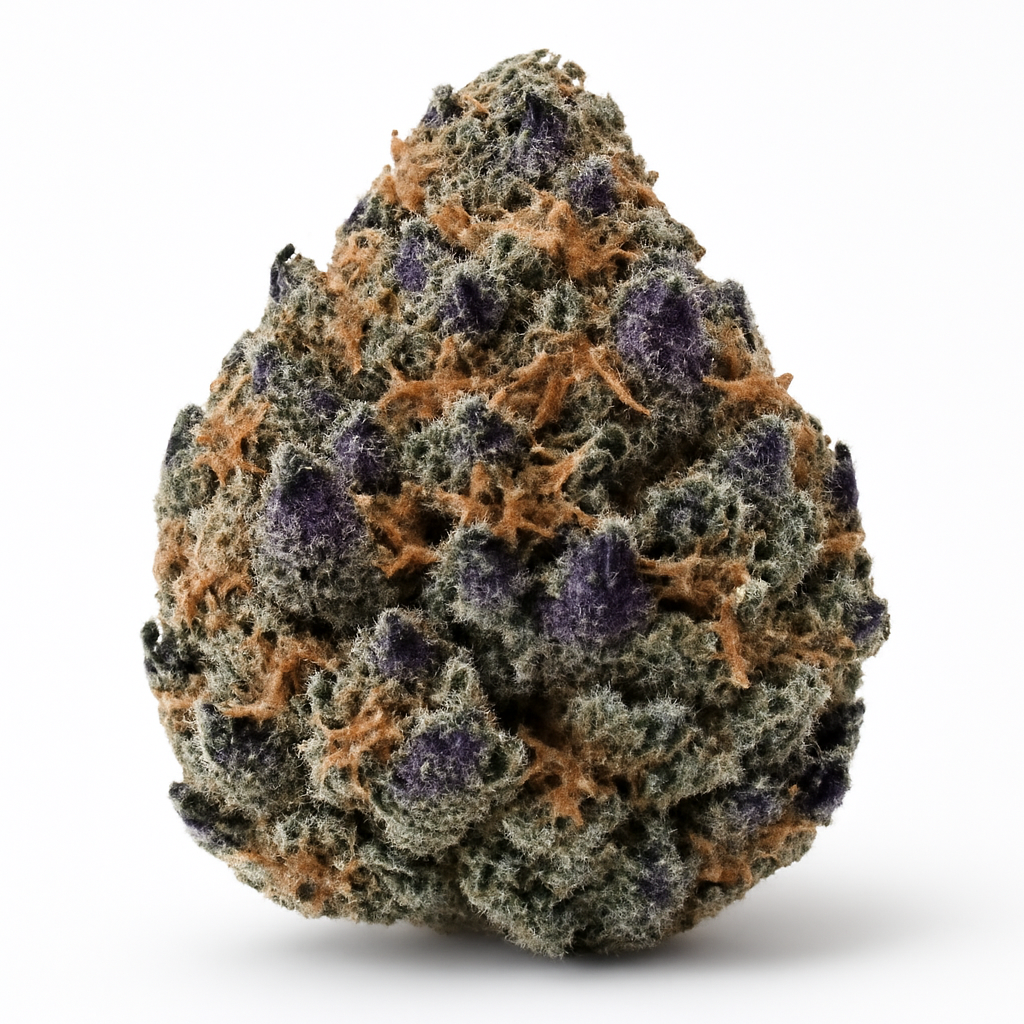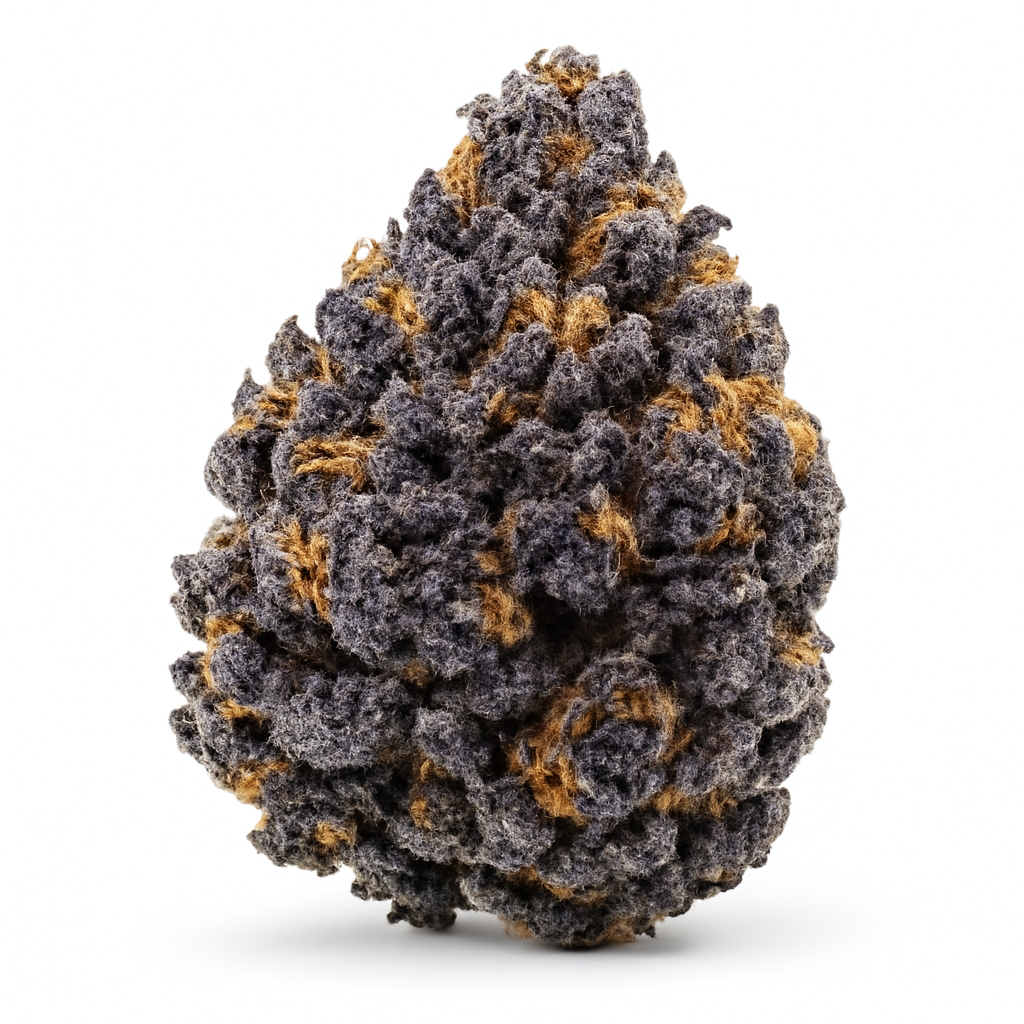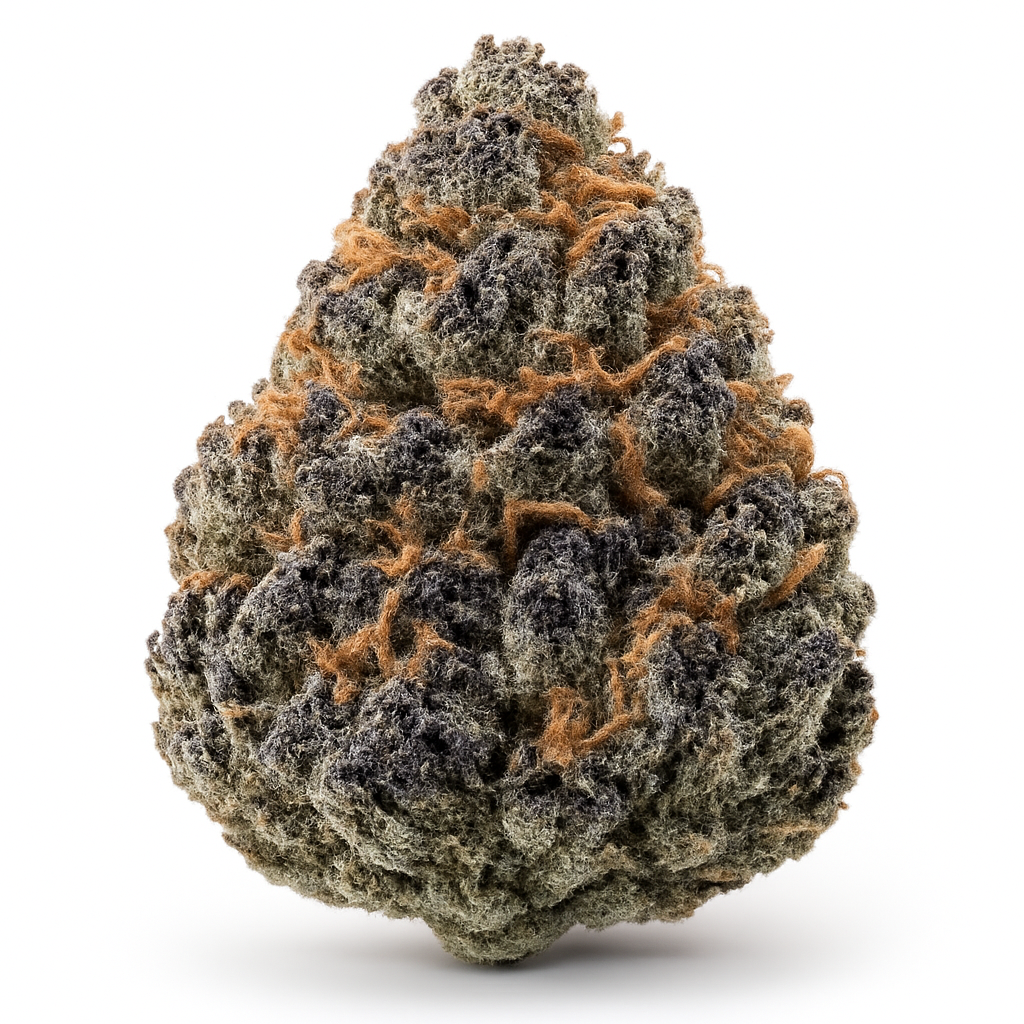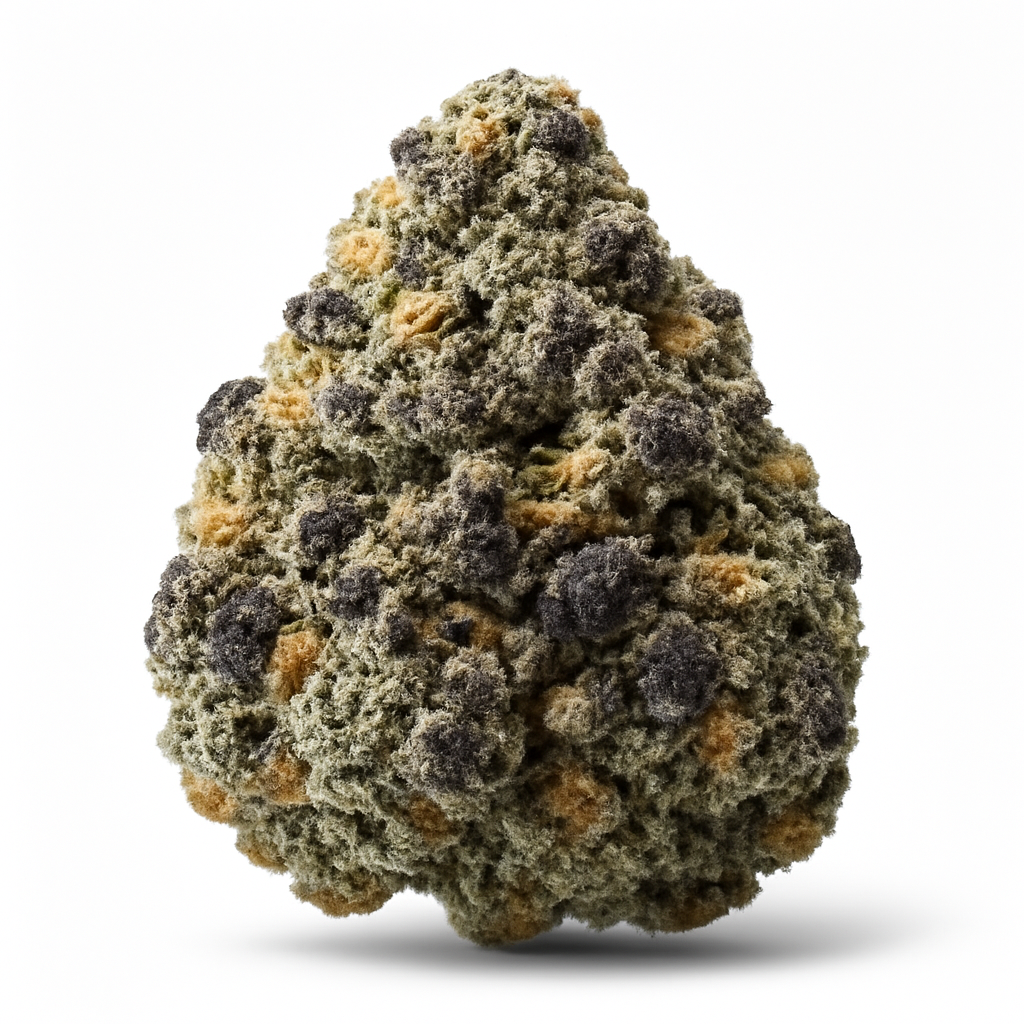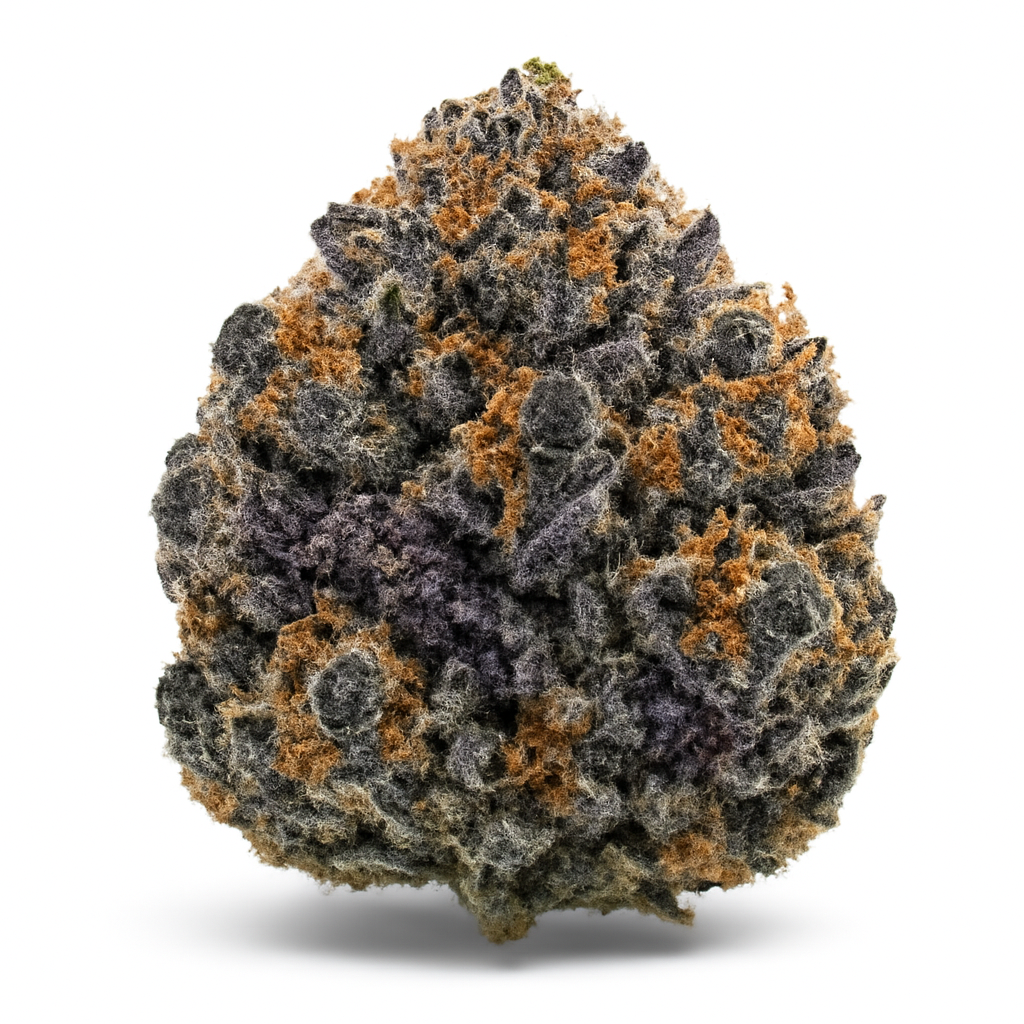
Representative image of Mandarin Sunset
Mandarin Sunset is an indica-leaning cultivar that pairs citrus brightness with a distinctly heavy finish. With 18% THC and 1% CBG, it delivers a calming, sleep-forward experience without reaching the top end of modern potency.
What Is the Mandarin Sunset Strain?
Mandarin Sunset is classified as an indica and lists Herijuana and Orange Skunk as its parents. Its headline cannabinoid profile reads 18% THC and 1% CBG, positioning it as a comforting, body-centered cultivar intended for downtime and rest. This is a strain built to favor relaxation rather than energetic daytime activity.
Mandarin Sunset Effects
Users report feelings of sleepiness, relaxation, and happiness as the dominant effects. Expect the initial lift of mood to give way to a slow, sedating body calm that favors winding down; the happiness reported tends to be gentle rather than hyperactive. Taken together, those descriptors suggest a late-afternoon or evening use pattern where mental ease precedes physical tranquility.
Mandarin Sunset Flavors & Aroma
The nose and taste lean heavily on orange and citrus notes cut through by a skunky backbone. Think bright citrus rind up front, a slightly sharp tang through the mid-palate, and a lingering skunk earthiness on the exhale. That interplay keeps the smoke flavorful rather than one-note, balancing sweet citrus with a rawer, animalic finish.
Terpene Profile of Mandarin Sunset
Mandarin Sunset's dominant terpenes are pinene, myrcene, and caryophyllene. Pinene contributes a fresh pine-like top note that can sharpen the nose and counterbalance heavier aromas. Myrcene brings herbal, earthy tones and is commonly associated with muscle relaxation and sedation, which lines up with the strain's sleepy profile. Caryophyllene adds peppery, spicy accents and interacts with cannabinoid receptors in ways users often connect to calming and anti-inflammatory responses. Together these terpenes form an entourage that amplifies the strain's relaxing, pain-relieving reputation.
What Does Mandarin Sunset Help With?
Anecdotally, people reach for Mandarin Sunset to ease pain, lift mood during depressive episodes, and help with insomnia. The combination of a sedative terpene (myrcene), the peppery caryophyllene, and measurable CBG makes it a go-to for those seeking relaxation and symptom relief at the end of the day, according to user reports. These are reported effects and not medical claims, but the pattern of use is consistent across reviews.
Mandarin Sunset Side Effects & Negatives
Reported downsides include anxiety, dry mouth, and dizziness. Because it leans sedative, overconsumption can increase the chance of lightheadedness or uncomfortable cognitive effects for susceptible users. Moderate dosing, staying hydrated, and consuming in a safe seated environment can reduce those risks; if anxiety or dizziness are recurring issues, a lower dose or a different terpene profile may be preferable.
Mandarin Sunset Genetics & Lineage
The parentage of Herijuana crossed with Orange Skunk helps explain Mandarin Sunset's dual personality. Orange Skunk likely contributes the pronounced citrus and skunk notes, while Herijuana helps anchor the cultivar with the heavier, indica-type body effect implied in the strain's sleepy reputation. The lineage reads as a purposeful pairing of bright aroma and robust physical relaxation.
Mandarin Sunset THC & CBG Content
At 18% THC, Mandarin Sunset is slightly below the catalog average of about 20% THC. That places it in a middle ground: potent enough to deliver noticeable effects for regular consumers, but a touch friendlier for those sensitive to very high THC numbers. The 1% CBG is modest but potentially supportive of the overall entourage, adding nuance without driving intoxicating effects. Dosing should still be conservative for new users given the indica-leaning, sedative outcome.
Is Mandarin Sunset Indica or Sativa?
As an indica, Mandarin Sunset typically skews toward body-centered effects: heaviness in the limbs, muscle relaxation, and a propensity to promote sleep. Its classification aligns with the reported sleepy and relaxed sensations, making it more suitable for evening or restorative use than for daytime productivity.
Who Is Mandarin Sunset Best For?
Mandarin Sunset is best used in the evening or before bed for people seeking relaxation, help falling asleep, or relief from chronic discomfort. Its slightly-lower-than-average THC makes it approachable for cautious consumers, but the sedating terpene profile and reported dizziness/anxiety mean beginners should start low and go slow. It's well suited to quiet activities-reading, watching a movie, or personal downtime-rather than active or socially demanding situations.
Our Take on Mandarin Sunset
We like Mandarin Sunset for what it sets out to do: provide citrus-forward aroma with a reliable, sleep-oriented indica effect. Its 18% THC level sits a hair below the catalog norm, which we view as a strength for evening users who want potent relaxation without the peak-edge of ultra-high THC cultivars. The terpene mix (pinene, myrcene, caryophyllene) explains both the appealing scent and the strain's pain and sleep reports, and the 4.7/5 rating from 67 reviewers shows it resonates with the community. That said, it isn't ideal for anyone prone to anxiety or dizziness-those users should approach carefully or choose a less sedating profile. Overall, we recommend Mandarin Sunset to people seeking a tasty, effective indica for nighttime relief and rest; if daytime functionality or anxiety-prone reactions are priorities, look elsewhere.
Mandarin Sunset FAQ
Is Mandarin Sunset an indica or sativa?
Mandarin Sunset is classified as an indica, favoring body relaxation and sleepiness.
How strong is Mandarin Sunset?
Mandarin Sunset tests at 18% THC, slightly below the catalog average of about 20%, with 1% CBG.
What does Mandarin Sunset taste and smell like?
It features orange and citrus notes with a skunky backbone-bright citrus up front with earthier skunk on the finish.
What effects can I expect from Mandarin Sunset?
Users report feeling sleepy, relaxed, and happy; expect a mood lift that transitions into sedating body calm.
What are the common side effects?
Reported negatives include anxiety, dry mouth, and dizziness, so start with a low dose and stay hydrated.