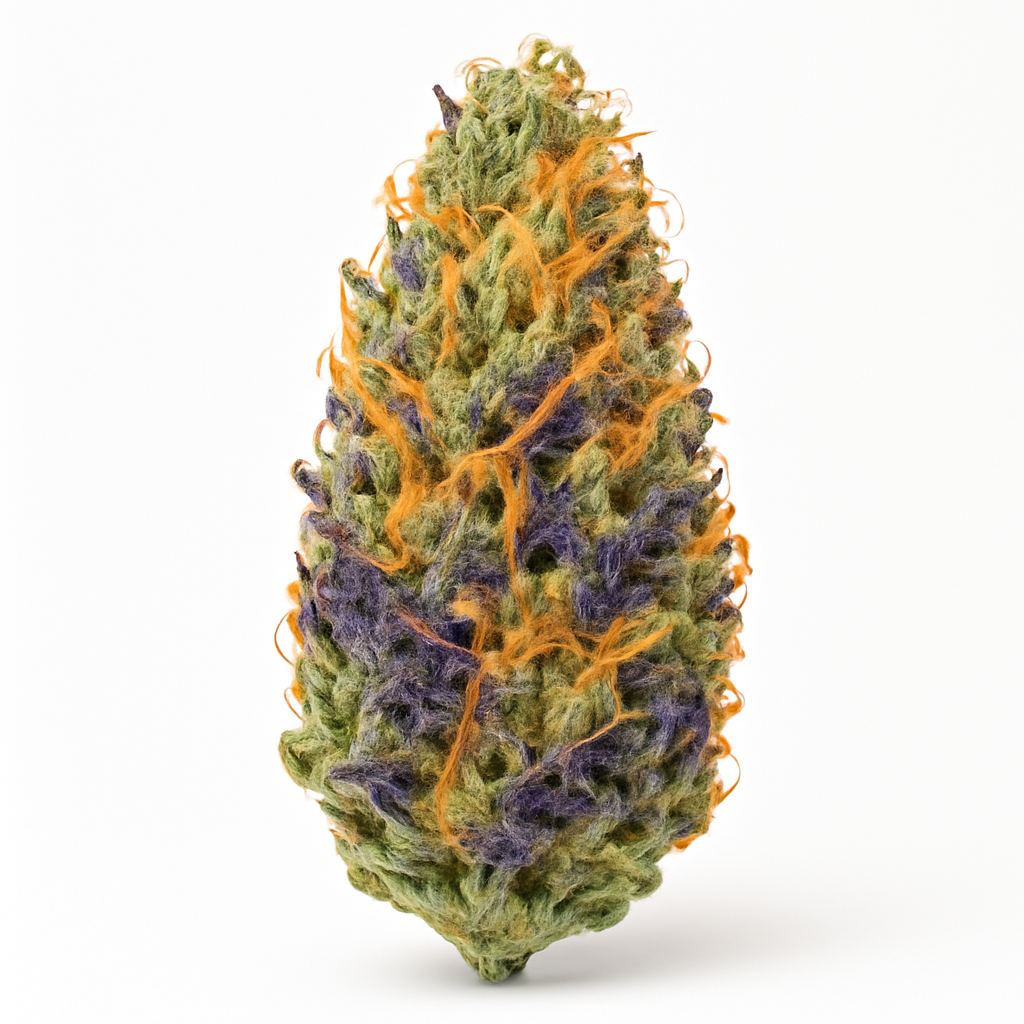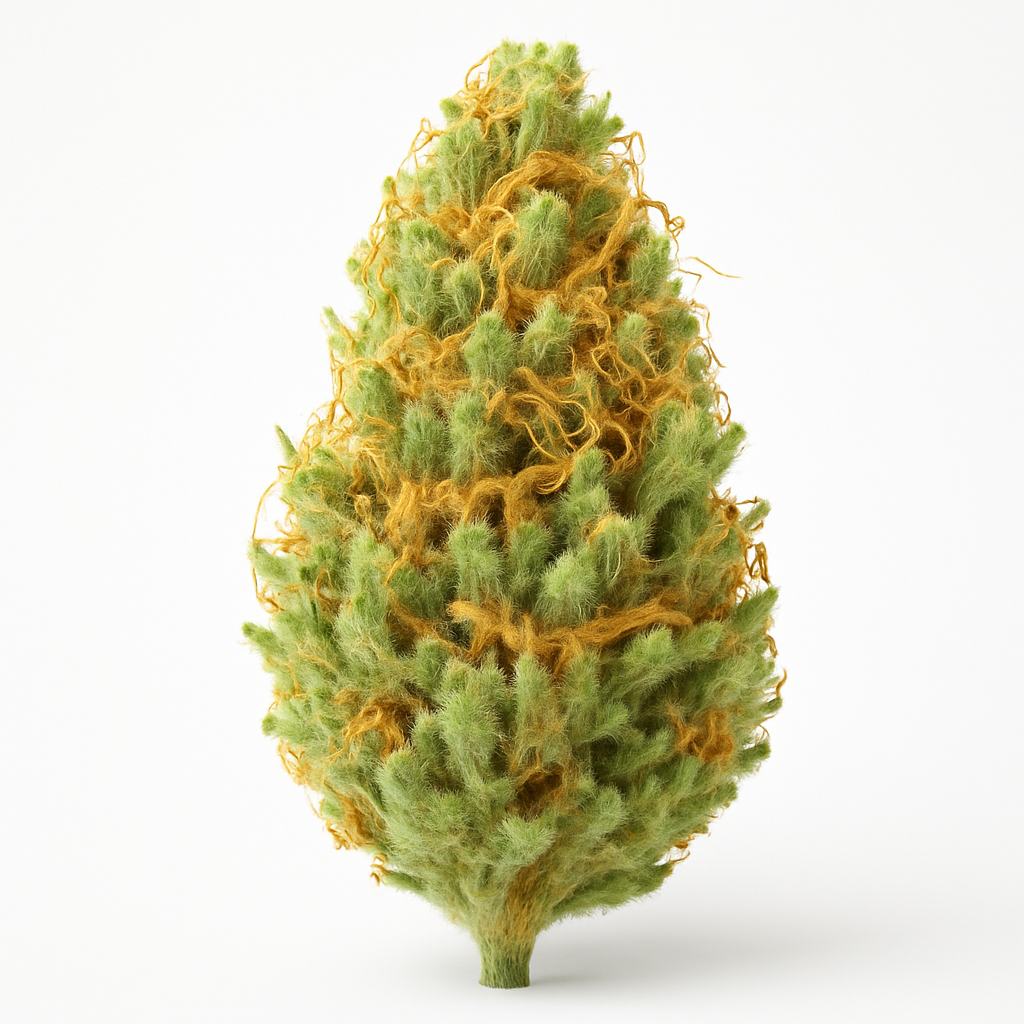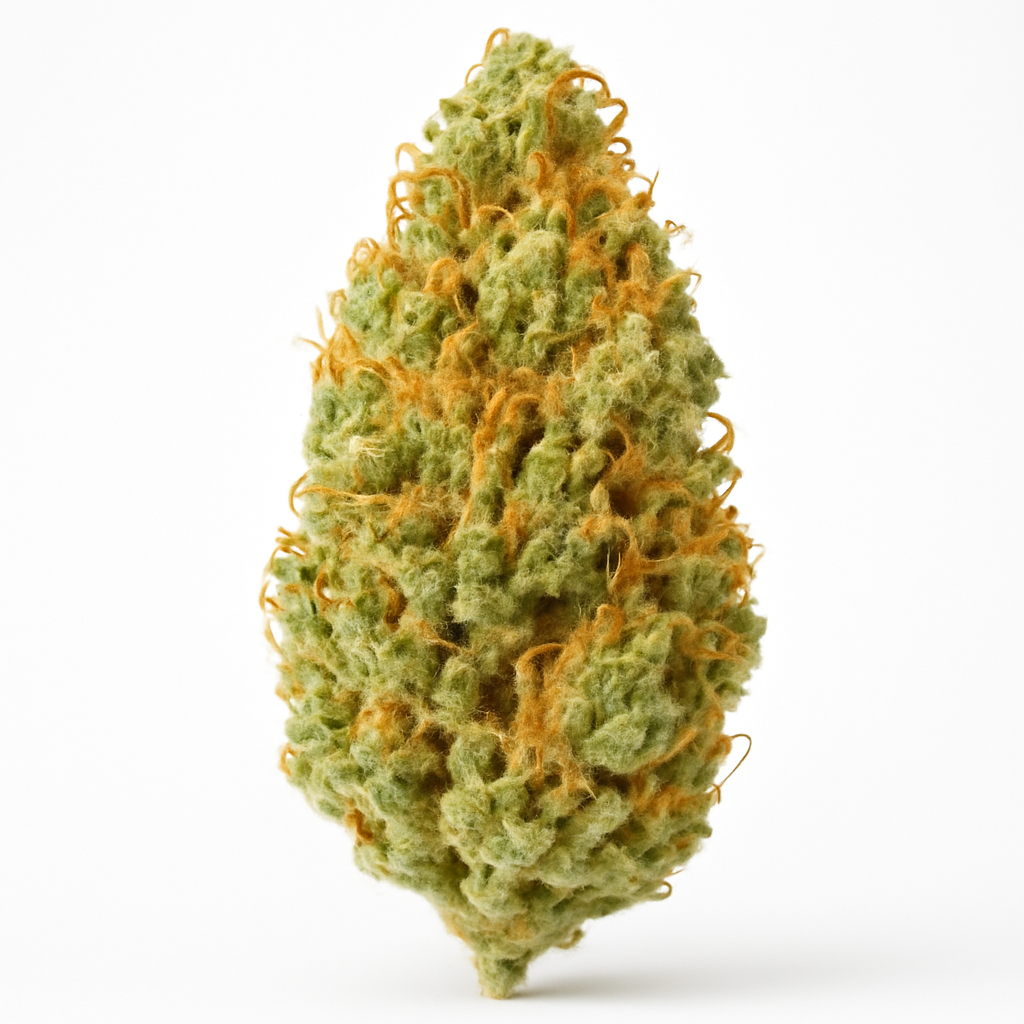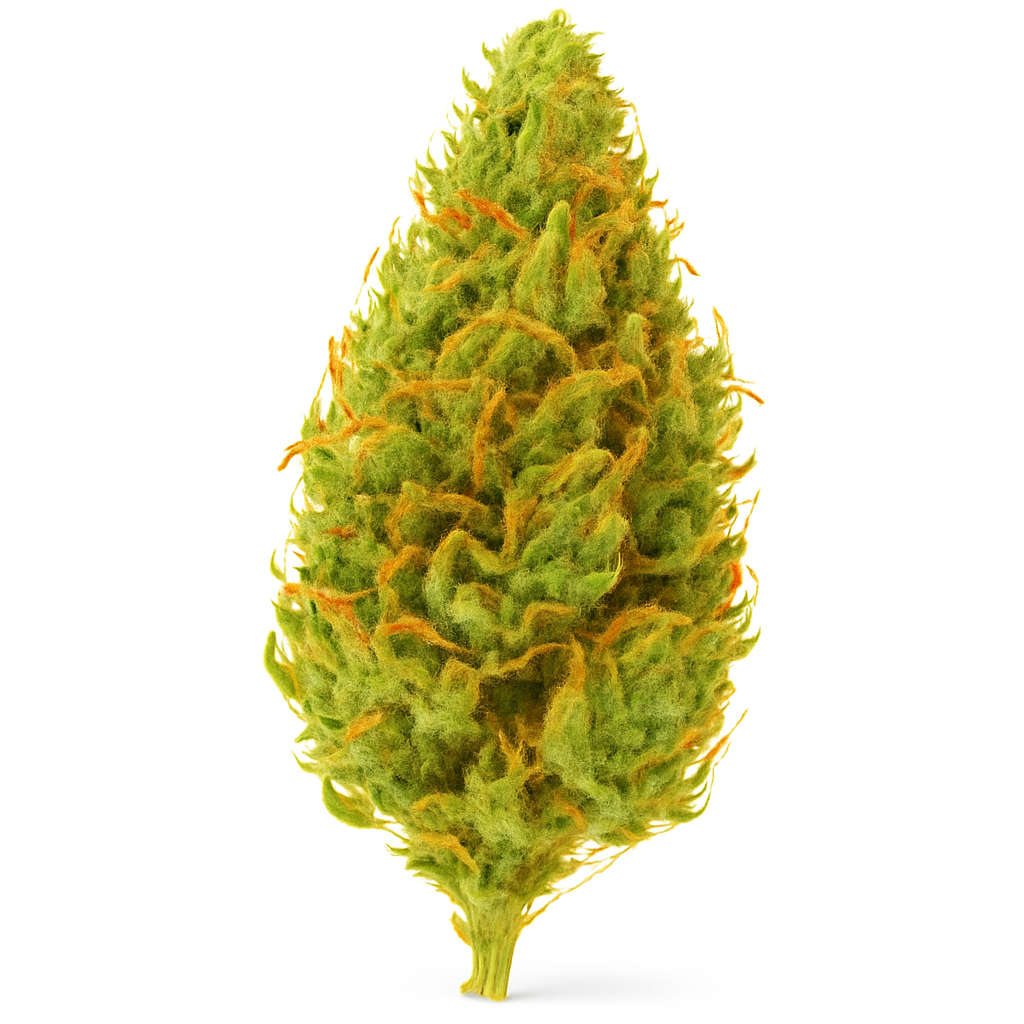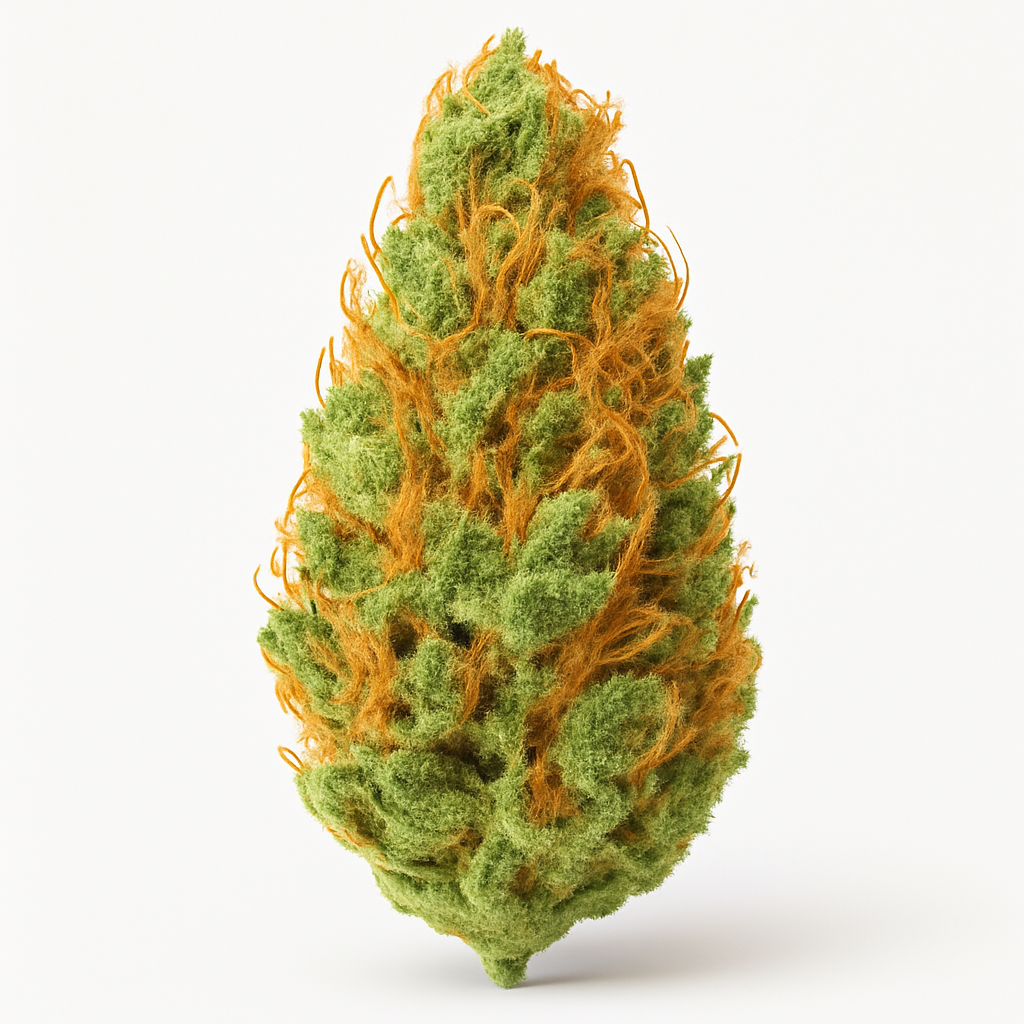
Representative image of Mango Dream
Mango Dream is a sativa cannabis strain with 18% THC. Users report feeling energetic, focused and creative. Flavors include mango, tropical and citrus.
Mango Dream Effects
Users report energetic, focused, and creative effects from Mango Dream - a profile that favors movement, projects, and idea flow. Expect a cerebral kick that sharpens attention rather than flattening it; the 4/5 average rating from 55 reviewers suggests this effect profile is consistent and generally well-received.
Mango Dream Flavors & Aroma
Aroma and taste lean into ripe mango with tropical sweetness and a bright citrus finish. The profile reads like a sun-warmed fruit bowl: mango at the forefront, softened by tropical notes and a zesty citrus lift on the exhale.
Terpene Profile of Mango Dream
Mango Dream’s dominant terpenes are myrcene, caryophyllene, and limonene. Myrcene brings an herbal, earthy baseline that can soften harsher edges; caryophyllene adds a peppery spice that rounds the nose and is commonly associated with comforting sensations; limonene contributes a clear citrus top note often linked to uplifting, mood-brightening effects. Taken together, these terpenes help shape both the flavor and the tendency toward focused, upbeat effects.
What Does Mango Dream Help With?
Anecdotal reports say people reach for Mango Dream to manage stress, discomfort, and anxiety in a way that keeps them active and engaged rather than sedated. Its blend of uplifting effects and supportive terpenes makes it a common daytime choice for those seeking mood relief or gentle pain modulation without heavy couch-lock.
Mango Dream Side Effects & Negatives
Commonly reported side effects include dry mouth, dizziness, and headache. To minimize risk, start with a low dose and hydrate; if you’re prone to lightheadedness or headaches from cannabis, take smaller hits and avoid rapid escalation of dosage.
Mango Dream Genetics & Lineage
Mango Dream descends from Mango and Blue Dream, and the lineage explains much of its character: the Mango parent is clearly responsible for the fruit-sweet aroma and tropical notes, while Blue Dream’s influence helps tilt the experience toward sativa-style uplift and approachability. The pairing yields a strain that tastes like its name and behaves like a daytime performer.
Is Mango Dream Indica or Sativa?
Mango Dream is classified as a sativa, which generally implies a cerebral, energizing effect profile that supports activity and creativity rather than deep physical sedation. Expect stimulation of thought and motion more than heavy body relaxation.
Mango Dream FAQ
What type of strain is Mango Dream?
Mango Dream is a sativa strain, known for cerebral, energizing effects.
What effects can I expect from Mango Dream?
Users report energetic, focused, and creative effects-an uplifting, daytime-leaning experience.
What does Mango Dream taste like?
The flavor profile is mango-forward with tropical sweetness and a citrusy finish.
What is Mango Dream commonly used for?
Anecdotally, people use Mango Dream to help manage stress, mild pain, and anxiety while staying active and engaged.
Are there any side effects to watch for?
Reported negatives include dry mouth, dizziness, and headache; start with a low dose and stay hydrated to reduce risk.