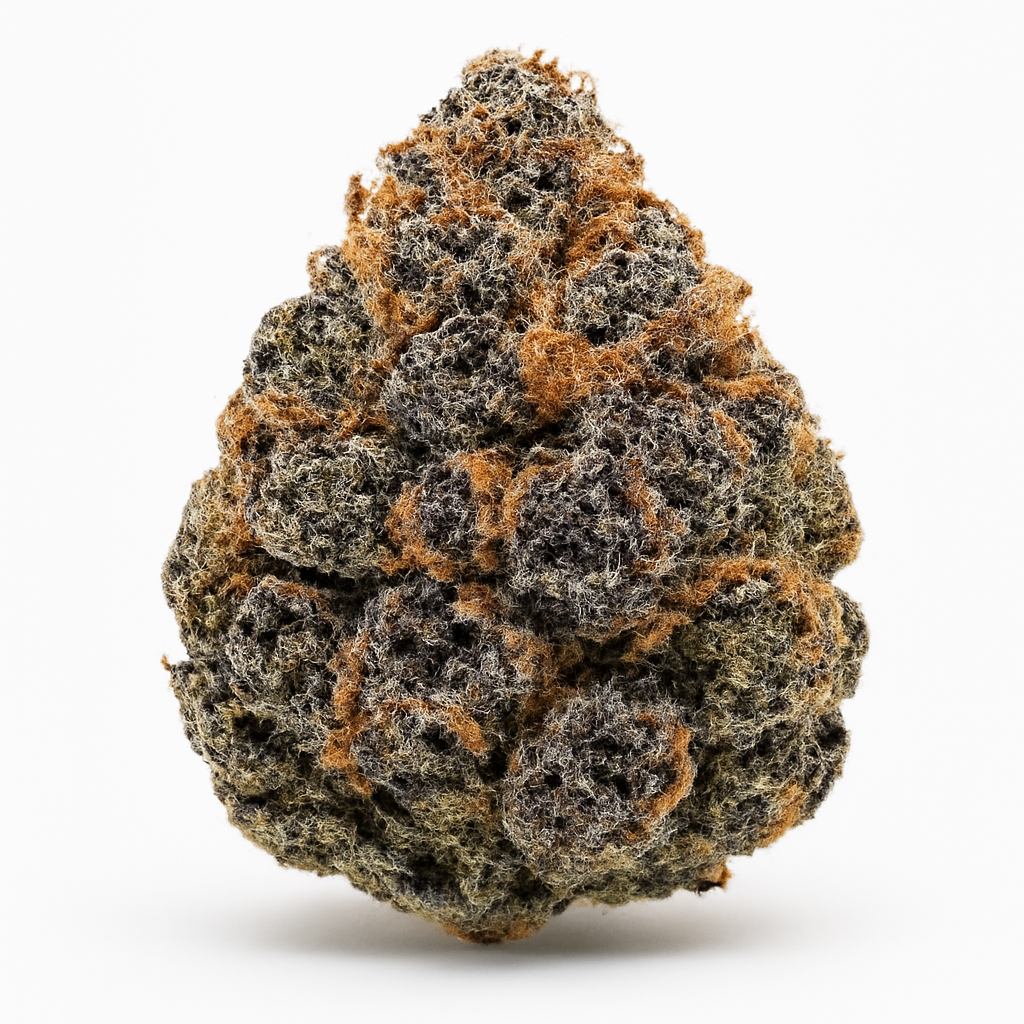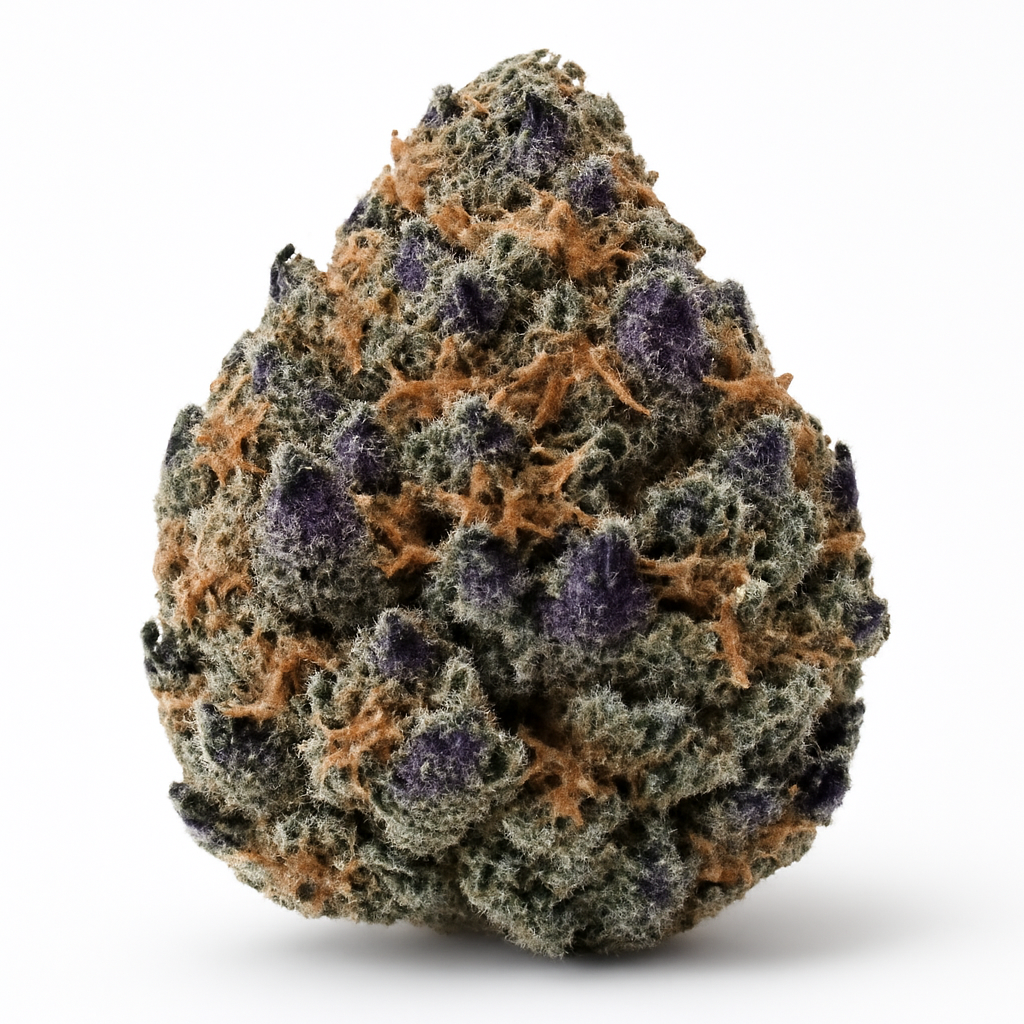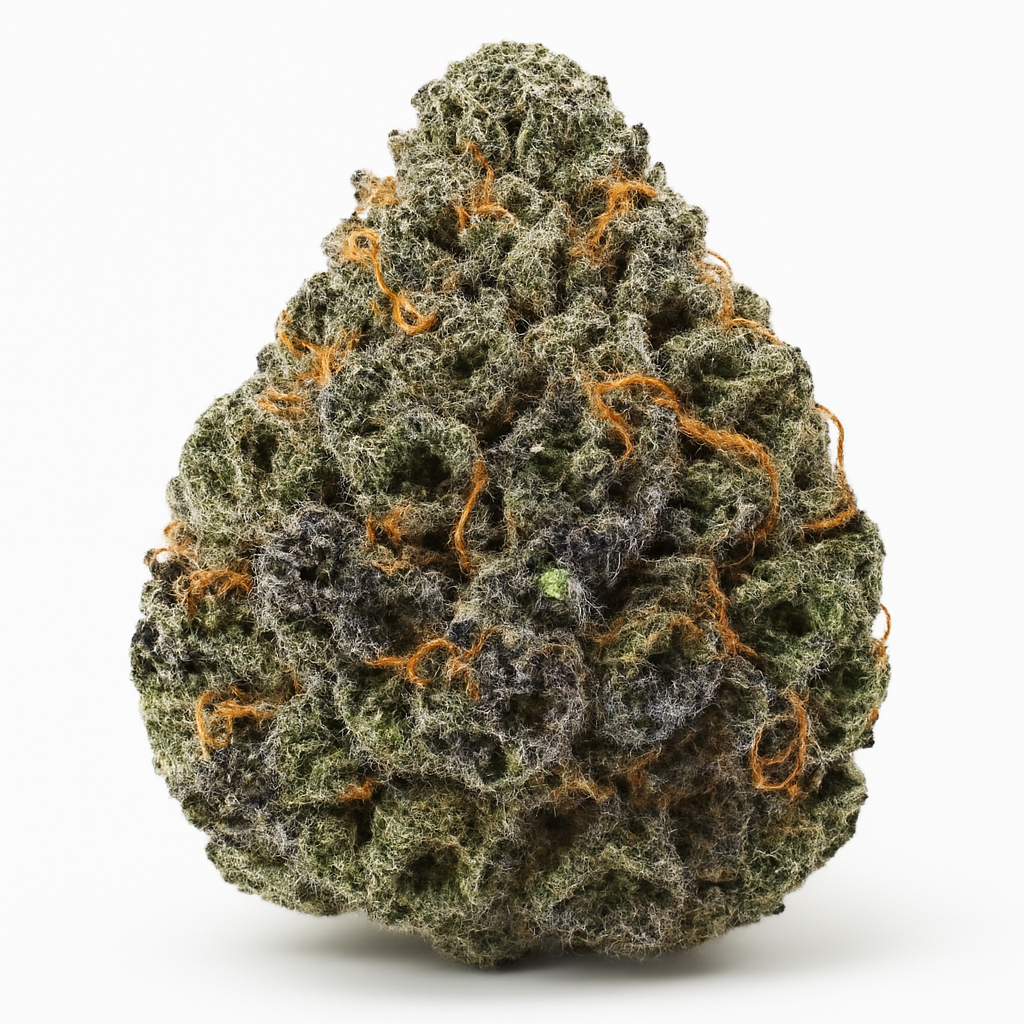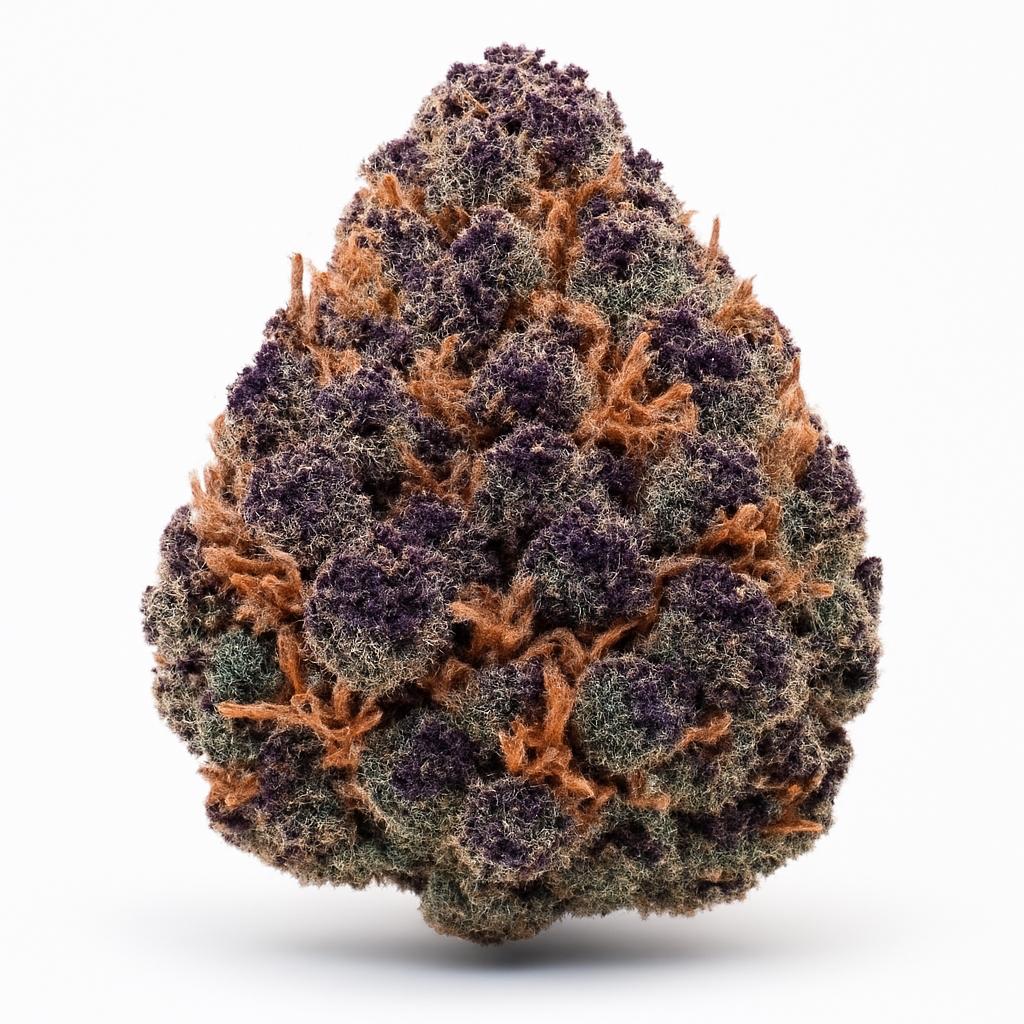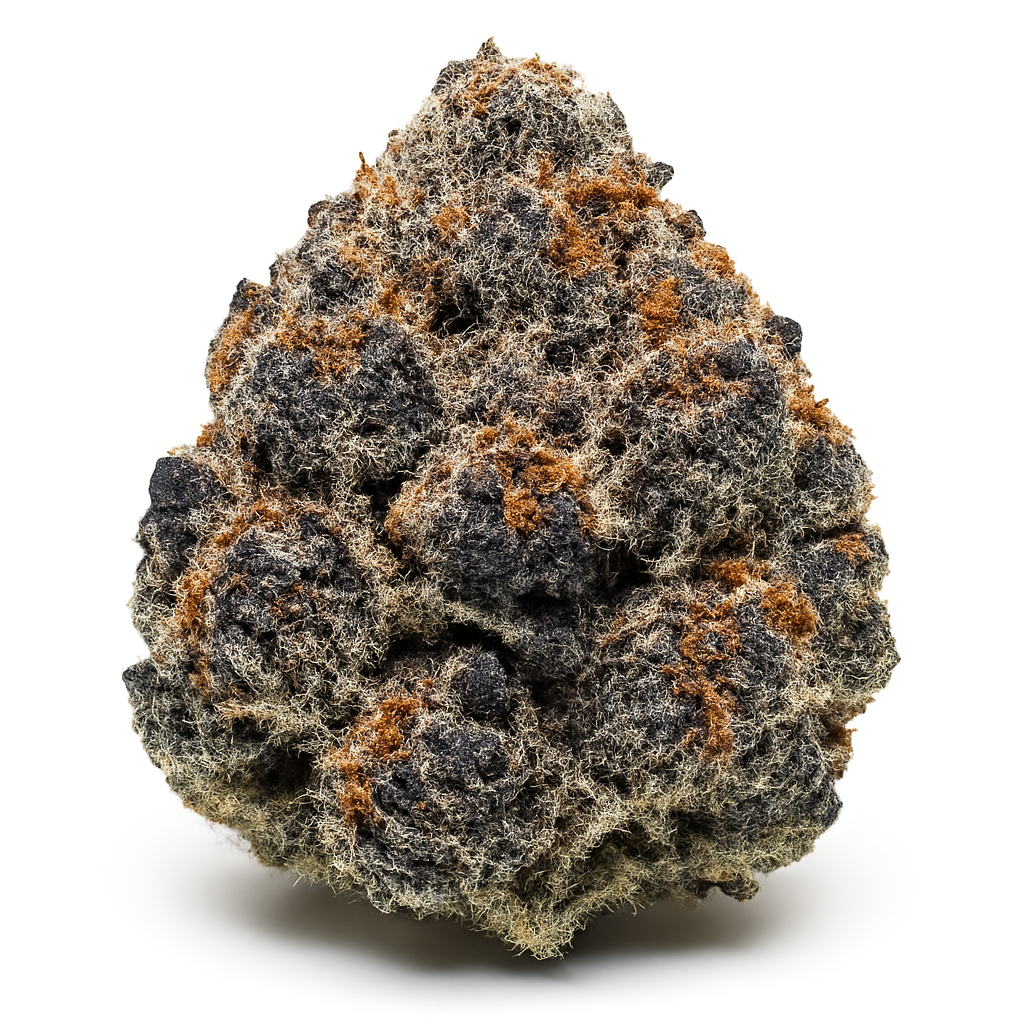
Representative image of Maple Leaf Indica
Maple Leaf Indica is a classic Afghani-rooted indica that favors deep relaxation over heady stimulation. With 16% THC and 1% CBG, it leans toward a soothing, body-forward experience that often shows up as sleepy, tingly, and occasionally giggly.
What Is the Maple Leaf Indica Strain?
Maple Leaf Indica is an indica-dominant strain descended from Afghani genetics, presenting a modest lab profile of 16% THC and 1% CBG. It’s the sort of strain that emphasizes body comfort and mellowing rather than energetic cerebral effects, making its identity as an indica clear from both chemistry and reported experience.
Maple Leaf Indica Effects
Users report a heavy drift toward sleepiness, paired with a tingly physical sensation and bursts of giggles rather than sharp mental stimulation. That combination points to a calming, body-first high: expect muscles to relax and mood to soften, with laughter popping up for some users as the sedation takes hold.
Maple Leaf Indica Flavors & Aroma
The flavor profile mixes warm, sweet notes of honey and butter with an overall sweetness that lingers on the palate. On the nose it can read as comfortingly rich - think bakery-like sweetness with a smooth, creamy finish rather than sharp or citrusy edges.
Terpene Profile of Maple Leaf Indica
Maple Leaf Indica lists myrcene, pinene, and caryophyllene as its principal terpenes. Myrcene tends to contribute herbal, earthy tones and is commonly associated with sedative, couch-friendly effects; pinene brings a fresh pine lift to the aroma that can brighten the profile; and caryophyllene adds a peppery spice that rounds out the bouquet and may play into the strain’s relaxing character. Together they help shape both scent and the so-called entourage effect that colors subjective experience.
What Does Maple Leaf Indica Help With?
Anecdotally people reach for Maple Leaf Indica to address insomnia, pain, and stress. Its sleepy, body-centered effects and the terpene mix contribute to why users report relief in those areas, but those reports are experiential rather than medical claims.
Maple Leaf Indica Side Effects & Negatives
Reported negatives include headache, dry mouth, and occasional feelings of paranoia. Because of the sedative lean and these possible side effects, users should moderate dose and avoid activities that require alertness; staying hydrated can help with dry mouth, and lower starting doses may reduce the chance of anxious reactions.
Maple Leaf Indica Genetics & Lineage
With Afghani listed as a parent, Maple Leaf Indica inherits traits typical of classic indica landrace lineage: dense, resinous buds, a heavy-body effect, and aroma notes that favor earth, spice, and sweetness. That Afghani ancestry explains much of the strain’s sedating profile and the sticky, comforting flavors it displays.
Maple Leaf Indica THC & CBG Content
At 16% THC, Maple Leaf Indica sits below the catalog’s typical 20% average, so it’s milder than many contemporary offerings. The 1% CBG is modest but notable. Practically, that lower THC means a gentler peak for many users, though the indica genetics and terpene mix still produce strong sedative effects - so dosing should reflect both the moderate THC and the strain’s propensity to induce sleepiness.
Is Maple Leaf Indica Indica or Sativa?
This is an indica, which generally implies a body-focused experience: relaxation, physical sedation, and calming sensations rather than energetic cerebral stimulation. Maple Leaf Indica’s reported sleepy and tingly effects align with that classification.
Who Is Maple Leaf Indica Best For?
Maple Leaf Indica is best suited for evening or nighttime use when relaxation and sleep are the goals. Its below-average THC makes it approachable for users who prefer moderate potency, but the pronounced sedative profile means it’s most comfortable for people who don’t need to stay active or alert. Start with a low dose if you’re sensitive to dry mouth, headaches, or anxiousness, and avoid mixing with alcohol or other sedatives.
Our Take on Maple Leaf Indica
We find Maple Leaf Indica to be a quietly effective, old-school indica: it doesn’t chase high THC numbers but delivers the couch-friendly calm many users want. The 16% THC and 1% CBG profile, combined with myrcene-led terpenes and Afghani roots, produces a reliably sedating, sweet-smelling experience that explains why it scores a solid 4.4 from 49 reviewers. It’s a good pick for evening relaxation, sleep support, or anyone who prefers classic indica effects without the punch of ultra-high-THC cultivars; those seeking energetic or creative highs should look elsewhere.
Maple Leaf Indica FAQ
Is Maple Leaf Indica an indica or sativa?
Maple Leaf Indica is an indica; expect body-focused, calming effects typical of indica varieties.
How strong is Maple Leaf Indica?
It tests at 16% THC, which is below the catalog average of around 20%, so it’s moderately potent but leans sedating due to its genetics and terpene profile.
What does Maple Leaf Indica taste like?
Users describe honey, butter, and sweet flavors - a warm, creamy sweetness with a smooth finish rather than sharp or citrus notes.
What effects can I expect?
Reported effects are sleepy, tingly, and giggly, producing a relaxing, body-forward experience that often helps users wind down.
What does Maple Leaf Indica reportedly help with?
Anecdotally it’s used for insomnia, pain, and stress relief; these uses are based on user reports rather than medical claims.
What side effects should I watch for?
Reported negatives include headache, dry mouth, and occasional paranoia; starting with a low dose and staying hydrated can reduce some risks.