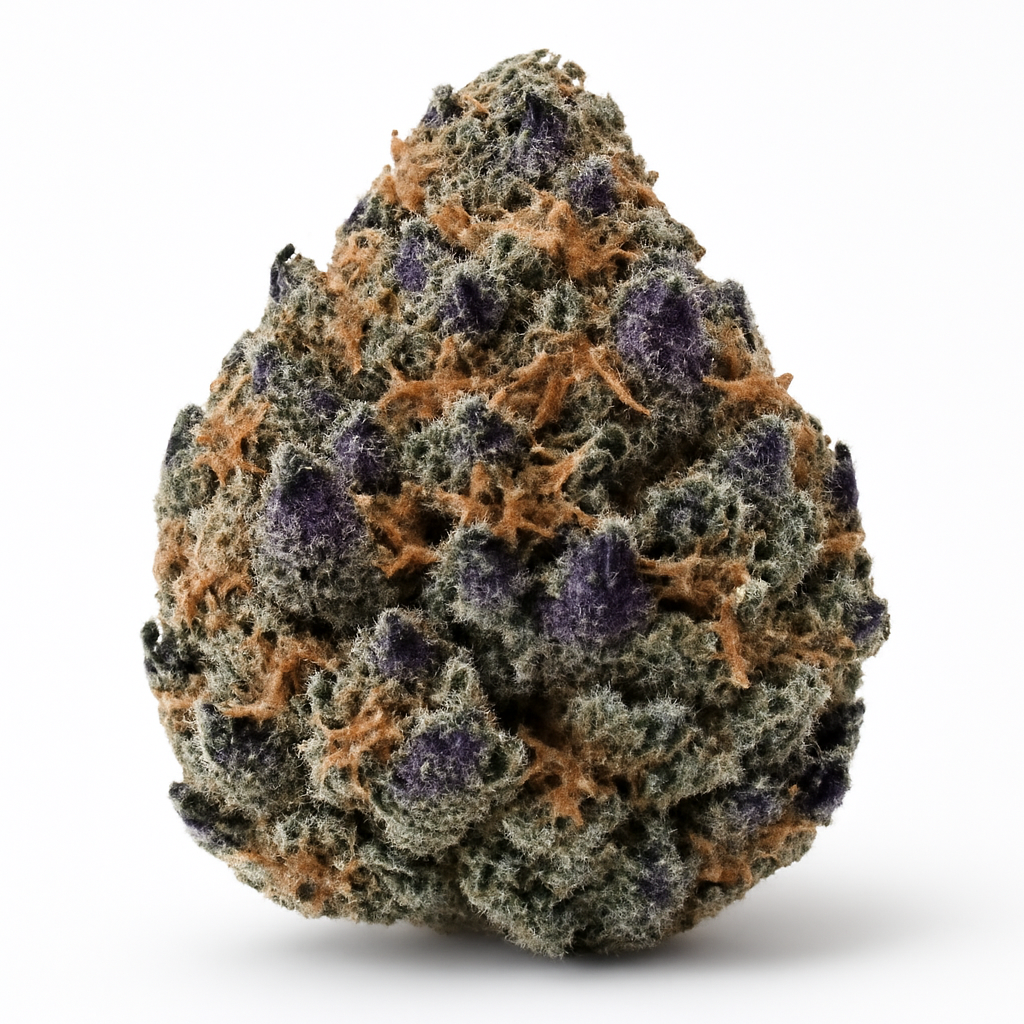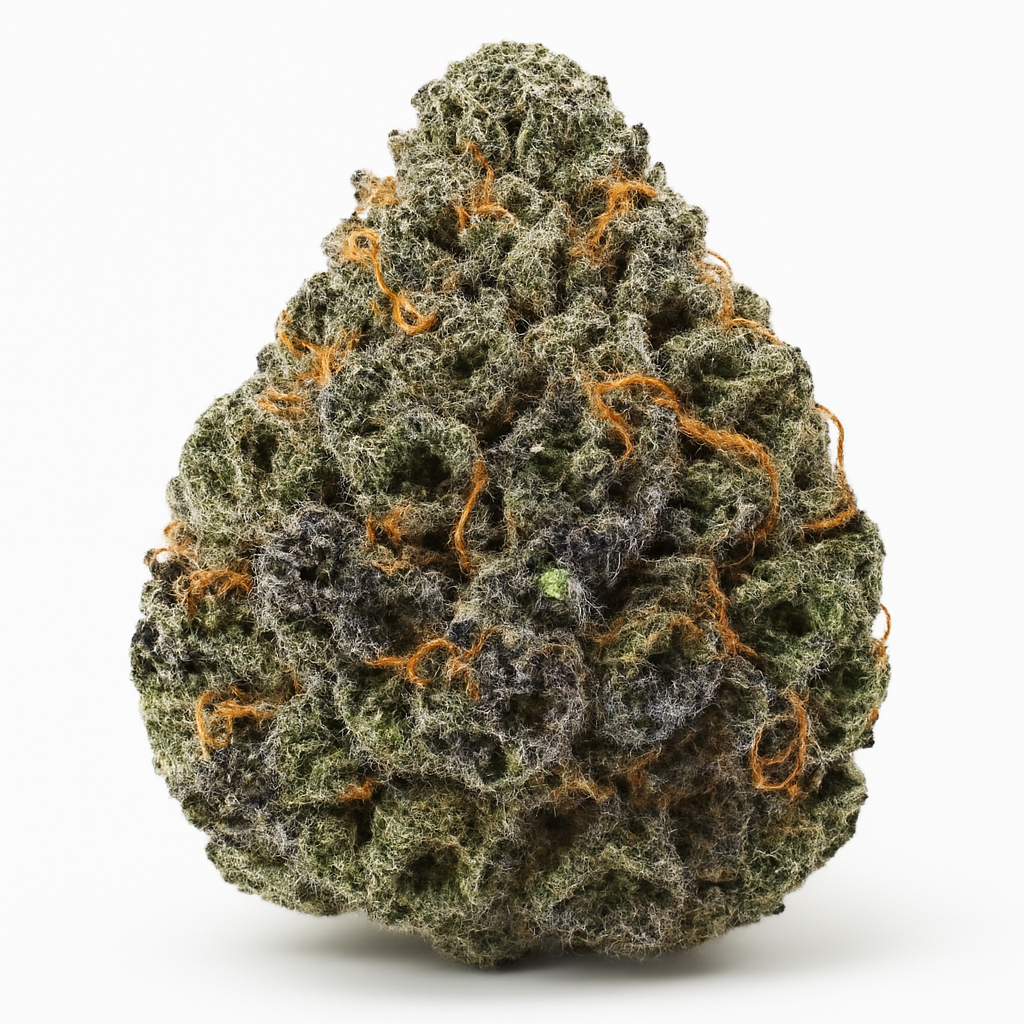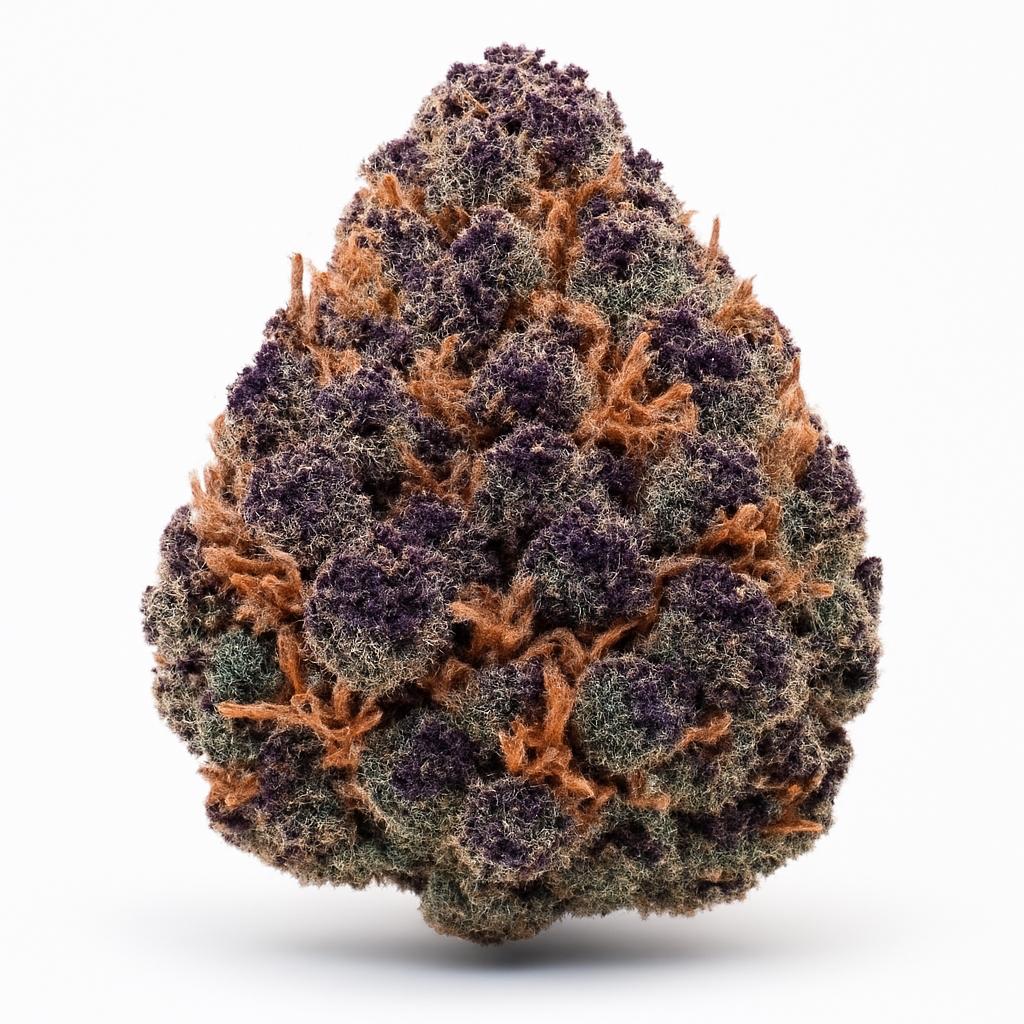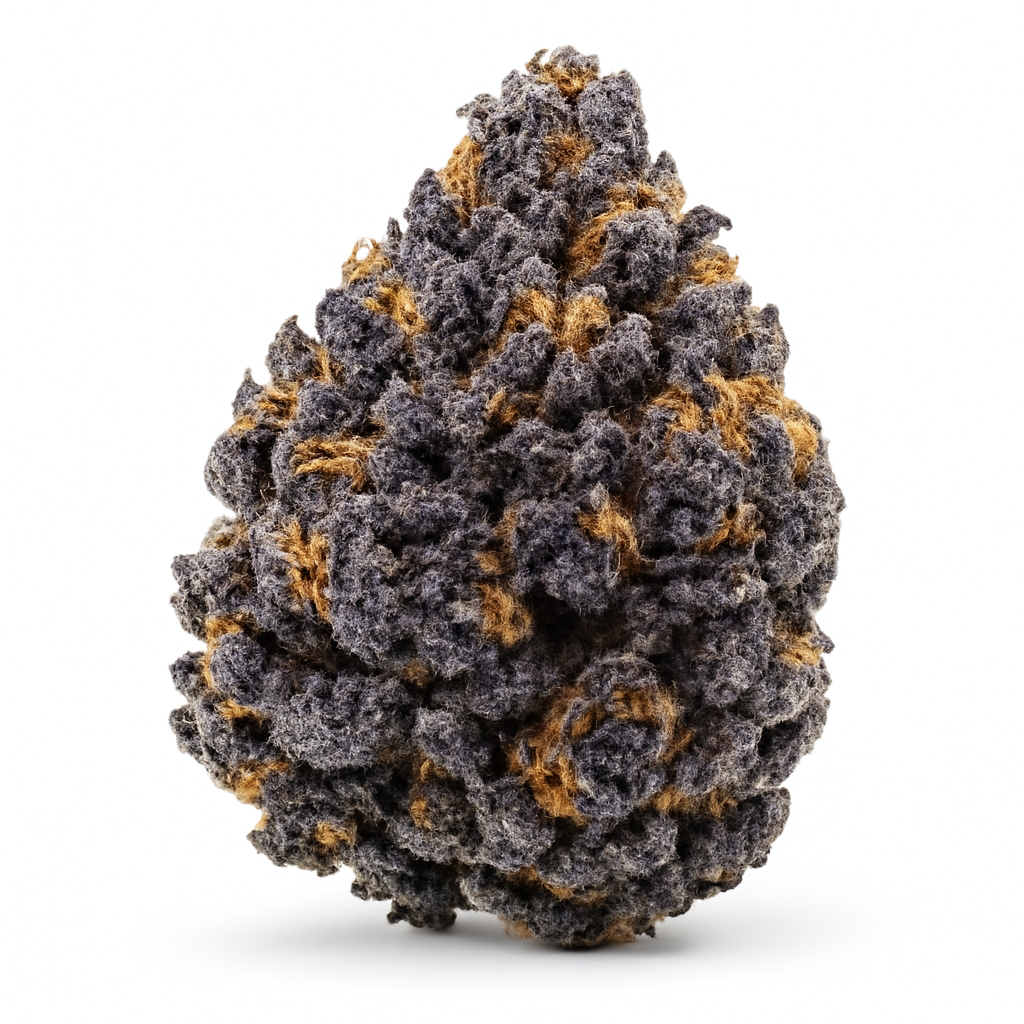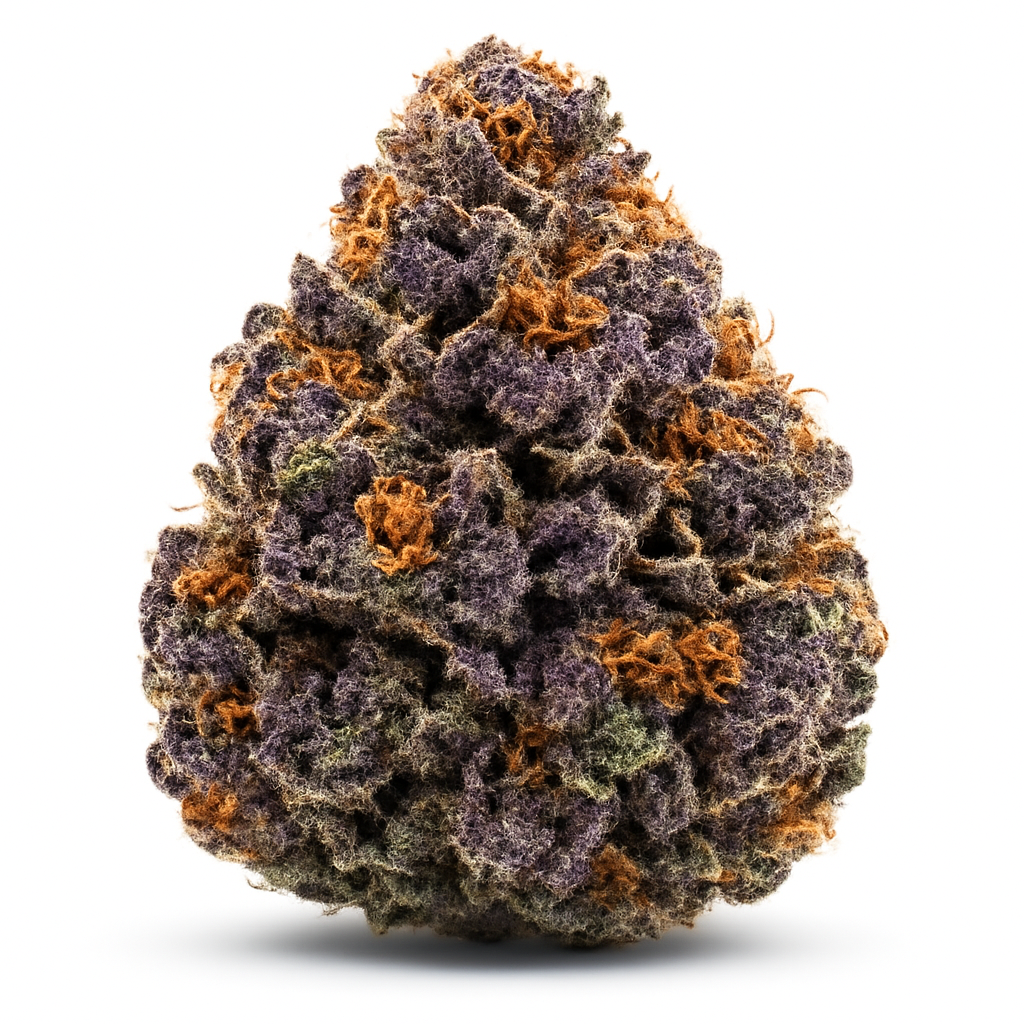
Representative image of Papaya
Papaya is an indica-forward strain known for its tropical fruit profile and soothing finish. With a measured 17% THC and a touch of CBG, it leans toward a calming, sleep-friendly experience rather than a heady high.
Papaya
Terpenes
What Is the Papaya Strain?
Papaya is classified as an indica and traces its lineage back to the parent strain Ice. Lab figures list it at 17% THC with roughly 1% CBG, positioning it as a gently potent indica. Expect a strain built for relaxation rather than stimulation, with a cannabinoid profile that supports calming effects.
Papaya Effects
Users report Papaya as predominantly sleepy, hungry and relaxed - a pattern that points toward a body-centered, unwinding session. The sleepy and relaxed notes suggest that it often produces couch-friendly sedation, while the hunger effect is a common follow-on that can make sessions feel more appetitive than introspective.
Taken together, these effects make Papaya well suited for low-energy evenings where the goal is to decompress rather than chase creativity or focus. Individual reactions will vary, but the reported triad of sleepy, hungry and relaxed is consistent with a classic indica experience.
Papaya Flavors & Aroma
Papaya’s flavor leans into ripe tropicals: clear mango top notes, broader tropical fruit sweetness and an underlying tree-fruit quality that gives it some textural depth. The aroma typically mirrors the taste, with a warm, fruity bouquet that makes the strain approachable and distinctly tropical.
Terpene Profile of Papaya
The dominant terpenes listed are myrcene, limonene and caryophyllene. Myrcene often brings herbal, earthy undertones and is commonly associated with sedative, couch‑leaning effects. Limonene contributes citrus brightness and can lift the aroma toward zesty, fruity edges. Caryophyllene adds a spicy, peppery element and is unique among terpenes for its interaction with cannabinoid receptors, which can accentuate savory, grounding notes. Together these terpenes help shape both the smell and the mellow, body-focused experience users report.
What Does Papaya Help With?
Anecdotal reports suggest people reach for Papaya to manage stress, anxiety and pain. Its indica orientation and myrcene-heavy profile align with these uses by favoring relaxation and physical ease. These are reported effects from user experience, not medical claims, but they help explain why Papaya is commonly chosen for evening symptom relief or downtime.
Papaya Side Effects & Negatives
Reported downsides include dizziness, dry mouth and occasional paranoia. Those effects are consistent with sedating indicas and any THC-containing product: overconsumption increases risk. Moderating dose, staying hydrated and avoiding mixing with depressants are sensible precautions to reduce unpleasant reactions.
Papaya Genetics & Lineage
Papaya’s listed parent is Ice, and that lineage helps explain its frost-tinged, resinous character and indica-leaning structure. Traits inherited from Ice commonly include dense buds and a cooling, resin-forward mouthfeel, which in Papaya translate into a tropical-flavored indica with a substantial body effect.
Papaya THC & CBG Content
At 17% THC, Papaya sits slightly below the catalog mean of roughly 20% THC. That places it in a moderate potency band: potent enough to produce clear effects for most users, but less likely to overwhelm than many contemporary high‑THC varieties. The presence of about 1% CBG is modest but noteworthy; CBG at low levels can contribute to the overall cannabinoid mix without drastically changing dosing considerations. Start low and go slow, especially if you’re sensitive to THC.
Is Papaya Indica or Sativa?
As an indica, Papaya typically delivers effects that lean toward body relaxation, sedation and appetite stimulation rather than cerebral stimulation or creativity. Indicas are generally chosen for evening use or for tasks where physical calm is the goal, and Papaya fits that expectation based on its reported effects.
Who Is Papaya Best For?
Papaya is best for evening or late-night sessions when you want to unwind, encourage sleep, or eat and relax. Its slightly-below-average THC makes it approachable enough for intermediate users, while the strong sleepy and relaxed effects suggest beginners should use conservative doses. Avoid planning demanding tasks afterward and prepare for possible dry mouth or lightheadedness by having water and a calm environment ready.
Our Take on Papaya
We find Papaya to be a reliably mellow indica with a tropical personality. Its 17% THC and 1% CBG produce a gentler, more controlled experience than many modern high‑THC strains, and the terpene mix of myrcene, limonene and caryophyllene aligns well with the reported sleepy, relaxed and hungry effects. With a solid 4.3/5 from 339 ratings, users generally like what it offers - steady relaxation without excessive potency. If you want a fruity, sedating nightcap and prefer something less intense than 20%+ THC varieties, Papaya is a good pick. If you need daytime focus, high potency, or are prone to paranoia from THC, you may want to look elsewhere.
Papaya FAQ
Is Papaya an indica or sativa?
Papaya is classified as an indica.
How potent is Papaya?
Papaya tests at about 17% THC, which is slightly below the catalog average of roughly 20%.
What does Papaya taste like?
Users report flavors of mango, tropical fruit and tree-fruit notes, with a sweet, fruity aroma.
What effects can I expect from Papaya?
Reported effects are sleepy, hungry and relaxed-a body-focused, sedating experience typical of indicas.
What negative effects have been reported?
Reported negatives include dizziness, dry mouth and occasional paranoia; moderate dosing is advised.
What does Papaya reportedly help with?
Anecdotally, users reach for Papaya to help with stress, anxiety and pain.