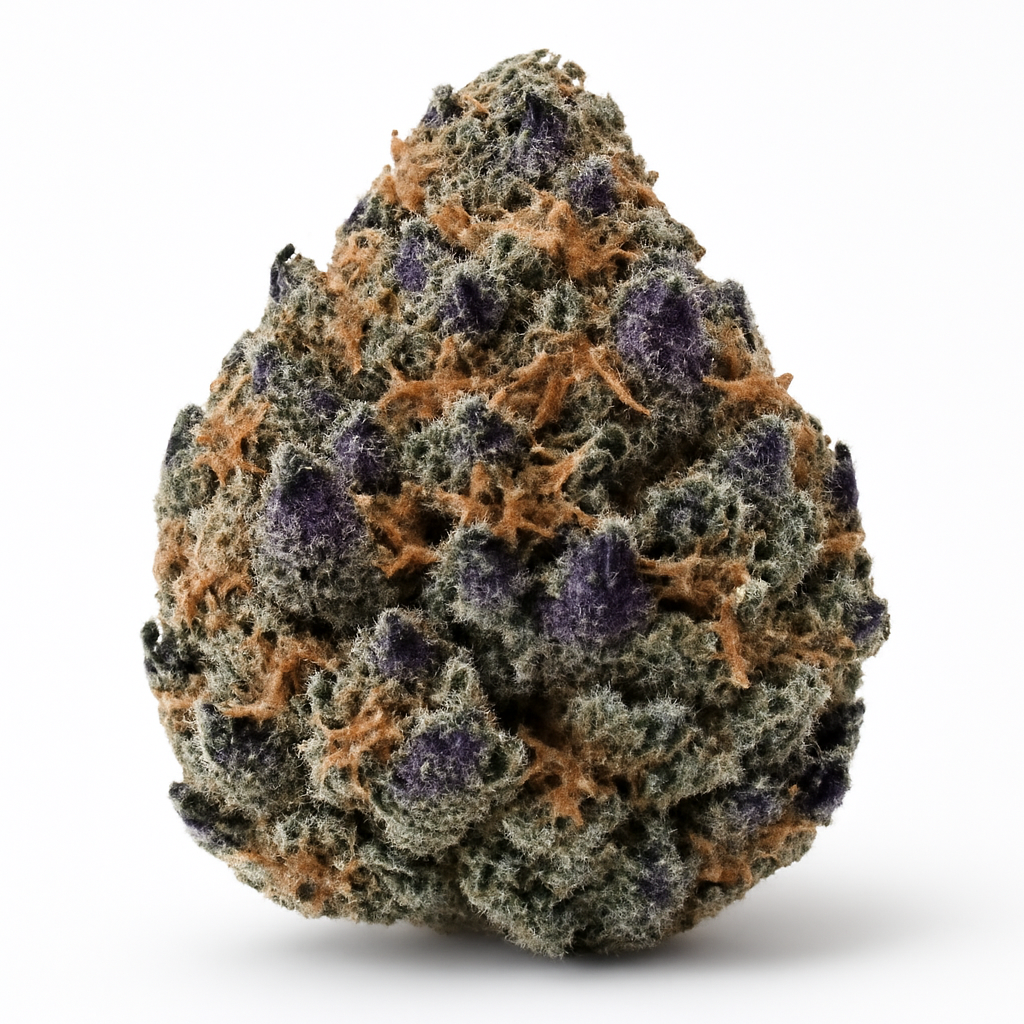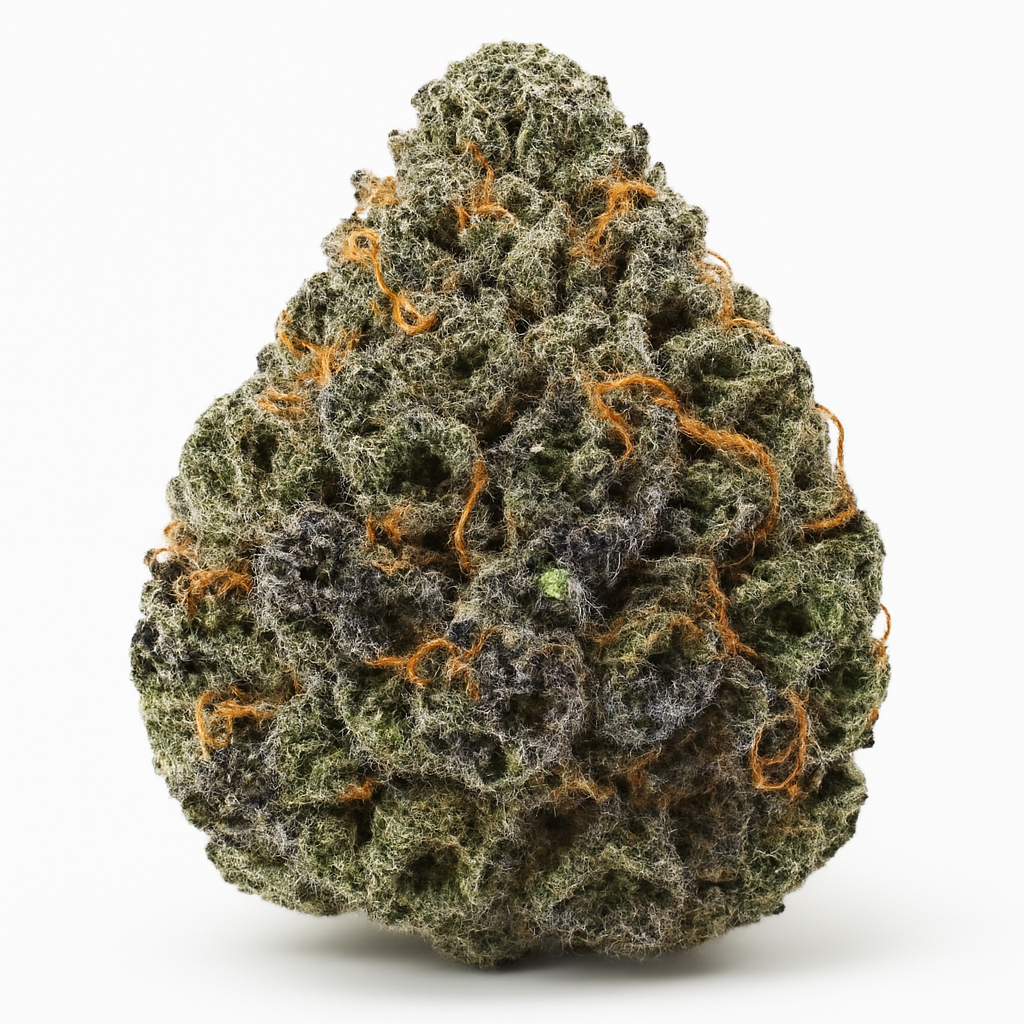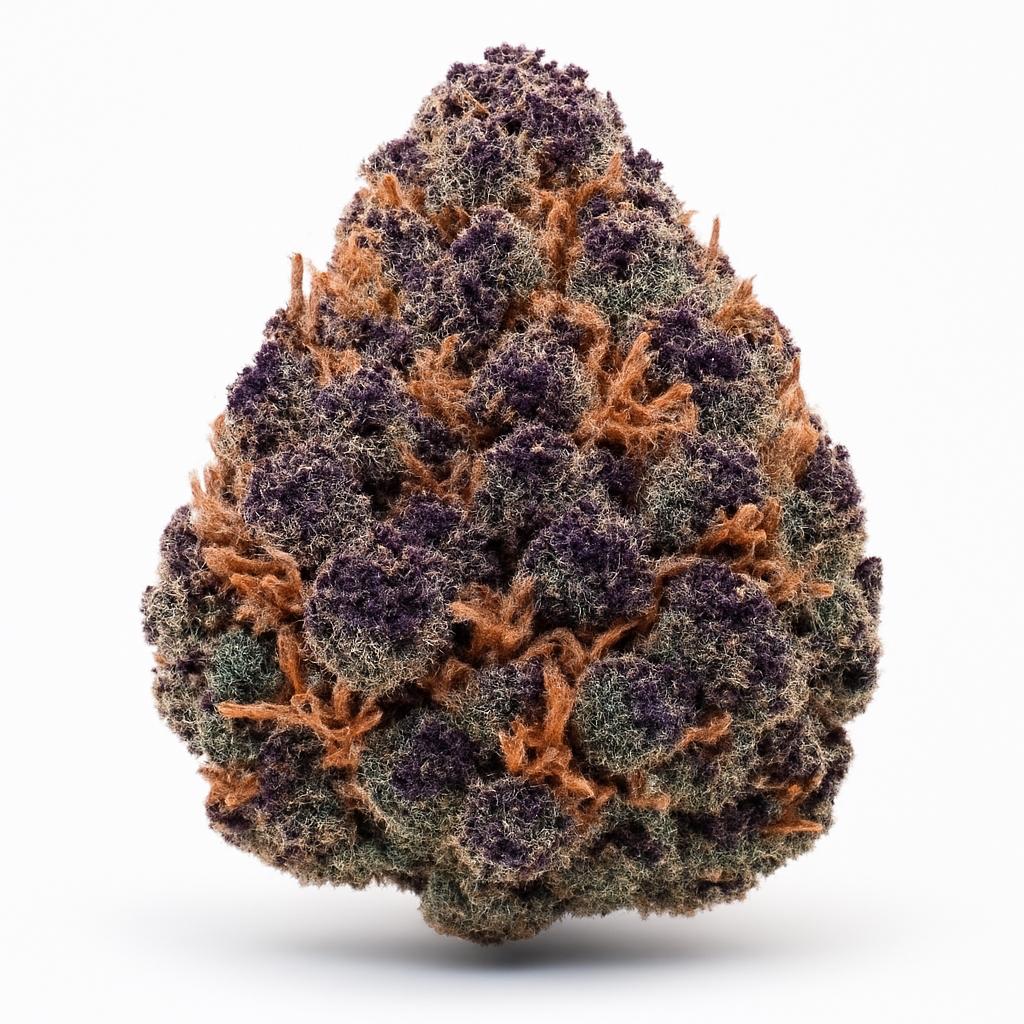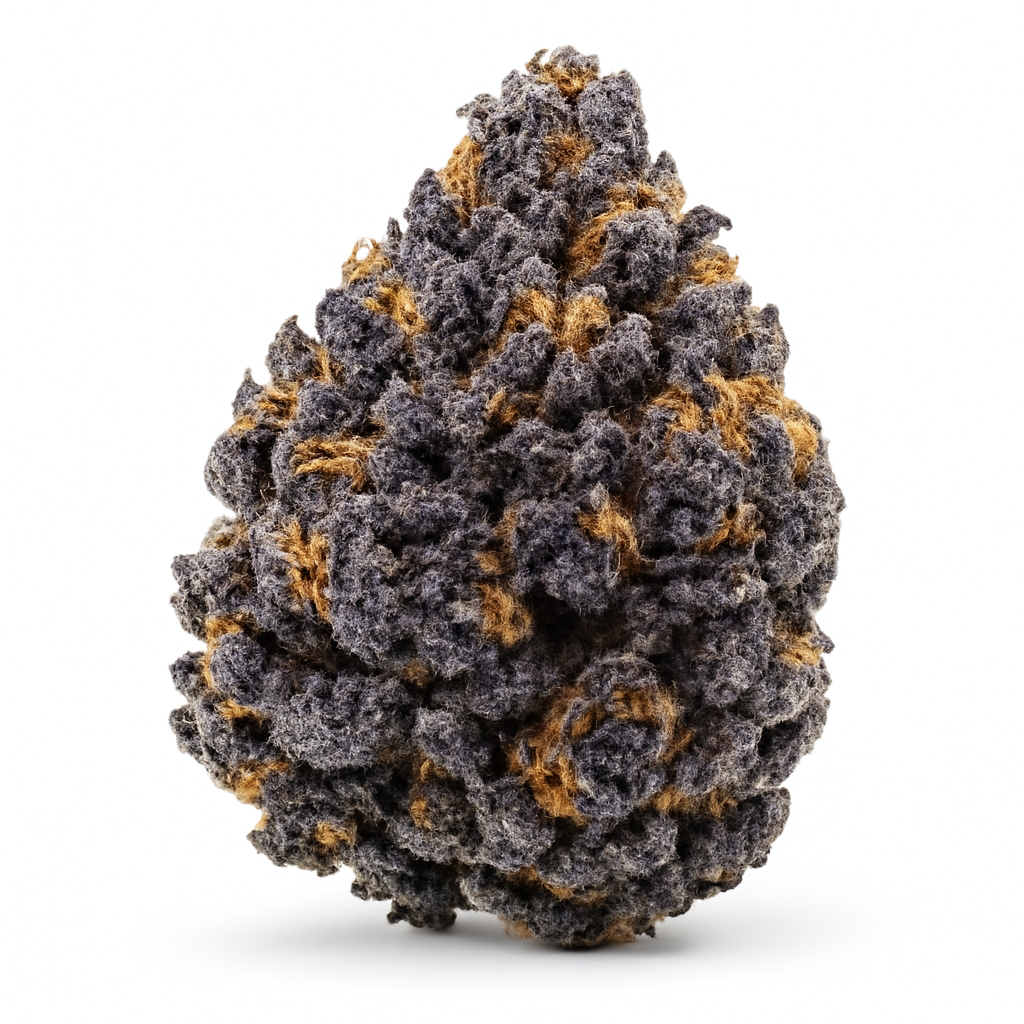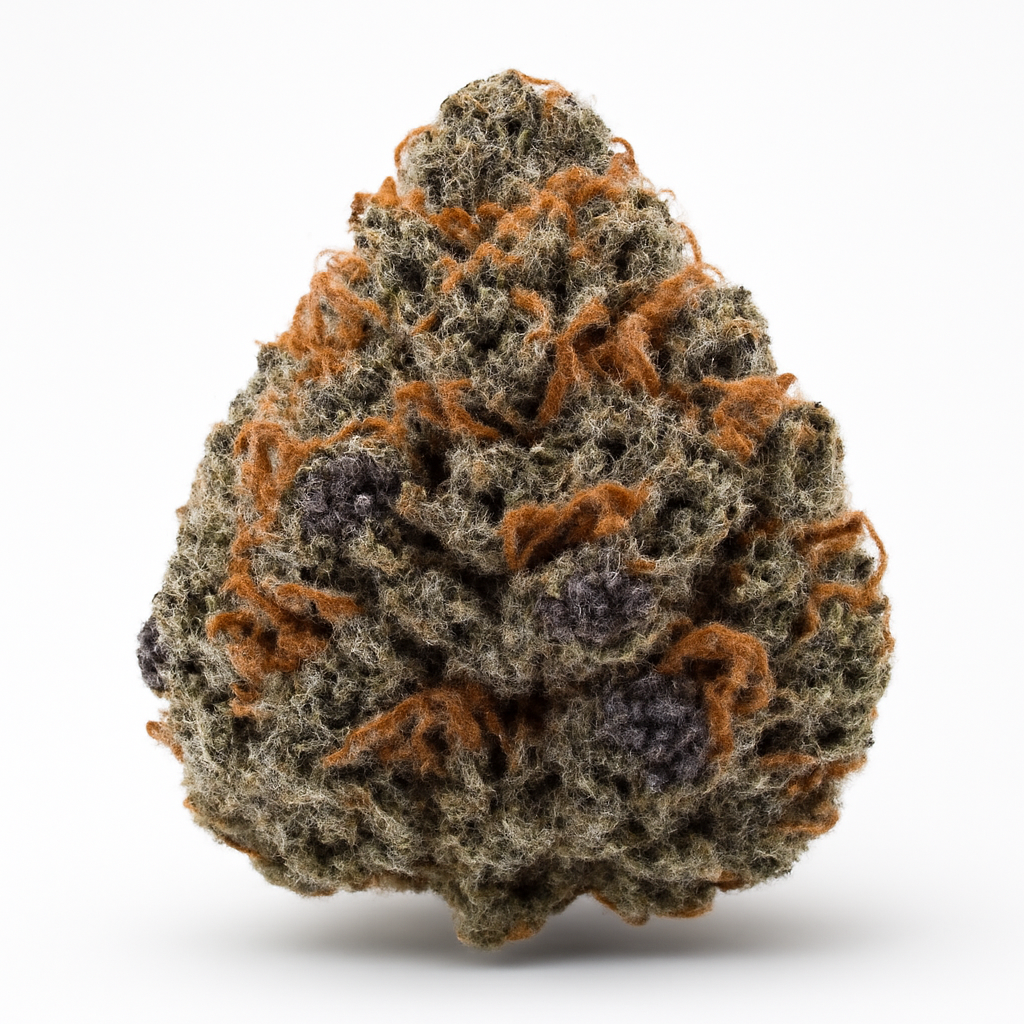
Representative image of Tangerine Kush
Tangerine Kush is an indica-leaning strain that pairs citrus-forward aroma with a mellow, body-centered high. Clocking in at 18% THC and 1% CBG, it favors relaxation and sleepiness over high-octane cerebral buzz.
What Is the Tangerine Kush Strain?
Tangerine Kush is listed as an Indica with parentage from Tangerine Haze and Rare Dankness #1, and it tests at 18% THC with 1% CBG. That combination positions it as a sleep-leaning, aroma-driven entry in the catalog rather than an all-out potency showpiece.
Tangerine Kush Effects
Users report a distinctly sleepy, hungry, and relaxed profile when using Tangerine Kush. Expect a body-forward descent into relaxation that often nudges the appetite and can make activity feel pleasantly dull or deeply unwinding. Because the dominant descriptors center on sleepiness and relaxation, many people find this strain best suited to evening or low-key settings rather than daytime tasks that require alertness.
Tangerine Kush Flavors & Aroma
The flavor and aroma lean decisively on bright citrus notes-orange and wider citrus characters-balanced by tropical undertones. Nugs often register as zesty and fruit-forward on the nose, with the palate following through on orange peel and sunnier tropical hints rather than earthy or diesel-heavy tastes.
Terpene Profile of Tangerine Kush
Tangerine Kush lists myrcene, caryophyllene, and limonene as its dominant terpenes. Myrcene contributes herbal, earthy aromas and is commonly associated with more sedative, couch‑relaxing sensations. Caryophyllene brings a peppery, spicy note to the mix and is one of the few terpenes that also interacts with the body's receptor systems, which can enhance the strain's calming presence. Limonene supplies the clear citrus scent and can lift the nose with bright, zesty top notes-together these terpenes create a citrusy-but-relaxing entourage that aligns with the reported sleepy and relaxed effects.
What Does Tangerine Kush Help With?
Anecdotal reports indicate people reach for Tangerine Kush to manage stress, anxiety, and pain. Those outcomes are user-reported rather than clinically proven, but the combination of sedative-leaning effects and the terpene profile helps explain why people report symptom relief in low-activity contexts like winding down in the evening.
Tangerine Kush Side Effects & Negatives
Commonly reported negatives include dry mouth, paranoia, and headache. Because paranoia can arise even with moderate THC levels, we advise starting with a small dose and giving yourself time to assess effects. Staying hydrated can help with dry mouth, and pacing consumption reduces the risk of uncomfortable headspace or headaches.
Tangerine Kush Genetics & Lineage
The listed parents, Tangerine Haze and Rare Dankness #1, help explain the strain’s personality: the Tangerine name suggests the bright citrus aromatics, while Rare Dankness #1 likely contributes the denser, more resinous backbone that tilts the overall effect toward indica-style relaxation. That lineage feels coherent with the orange-forward flavor and the sleep-leaning experience reported by users.
Tangerine Kush THC & CBG Content
At 18% THC, Tangerine Kush sits slightly below the catalog’s typical ~20% average. That makes it approachable for many users who want a reliable indica effect without the peak potency of top-shelf high-THC varieties. The 1% CBG is present but modest; it won’t dominate the experience but may play a small supporting role in the overall cannabinoid profile. Start modestly and increase slowly-especially if you’re sensitive to THC or prone to anxiety.
Is Tangerine Kush Indica or Sativa?
As an Indica, Tangerine Kush generally implies a more sedating, body-focused experience rather than an energetic cerebral lift. The reported effects-sleepy, hungry, relaxed-align with classic indica expectations and suggest it’s designed for downtime, rest, or night use.
Who Is Tangerine Kush Best For?
Tangerine Kush is best suited to evening or nighttime use, particularly when the goal is relaxation, sleep, or appetite stimulation. Its slightly below-average THC makes it a reasonable choice for moderate-tolerance consumers who want clear calming effects without extreme potency. Avoid using it before tasks that require concentration or coordination, and if you’re new or prone to anxiety, take smaller doses to reduce the chance of paranoia or headaches.
Our Take on Tangerine Kush
We see Tangerine Kush as a dependable citrus-leaning indica with a clear personality: orange-forward aroma, relaxing body effects, and a modest potency that keeps it accessible. Its 4.1/5 rating from 270 reviews indicates broad satisfaction but not universal enthusiasm-people like it for what it does, especially at night, but it’s not a runaway potency favorite. If you want a mellow, tasty indica to unwind and encourage sleep or appetite, this strain is worth trying. If you’re chasing very high THC or daytime energy, look elsewhere.
Tangerine Kush FAQ
Is Tangerine Kush an indica or sativa?
Tangerine Kush is classified as an Indica, which typically means more sedating, body-focused effects.
How strong is Tangerine Kush?
Tangerine Kush tests at 18% THC, slightly below the catalog average of around 20%, making it moderately potent and approachable for many users.
What flavors can I expect from Tangerine Kush?
Expect bright orange and citrus notes with tropical undertones-zesty and fruit-forward rather than earthy or diesel-like.
What effects does Tangerine Kush produce?
Reported effects are sleepy, hungry, and relaxed, so many users experience a mellow, body-centered high well-suited to evening use.
What are common side effects?
Users have reported dry mouth, paranoia, and headache as potential negatives; starting with a low dose and staying hydrated can help mitigate these.