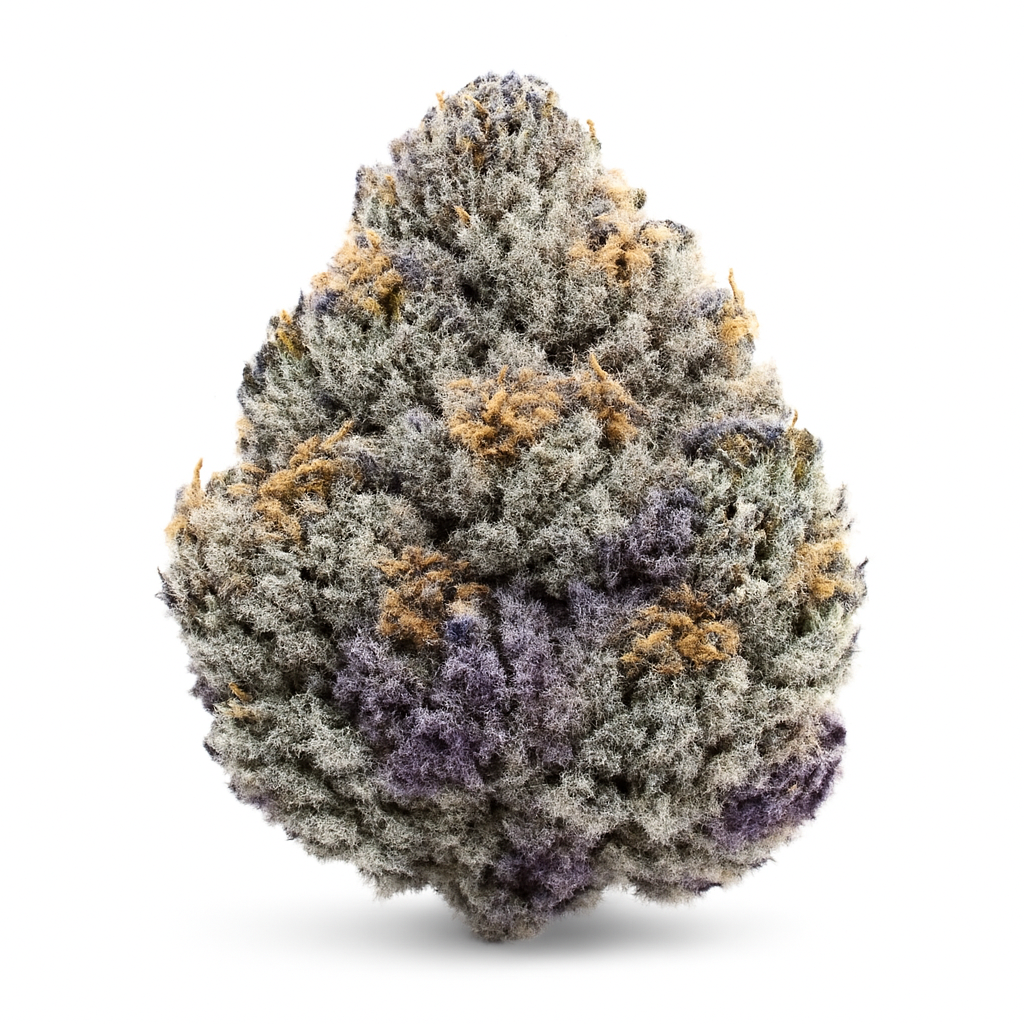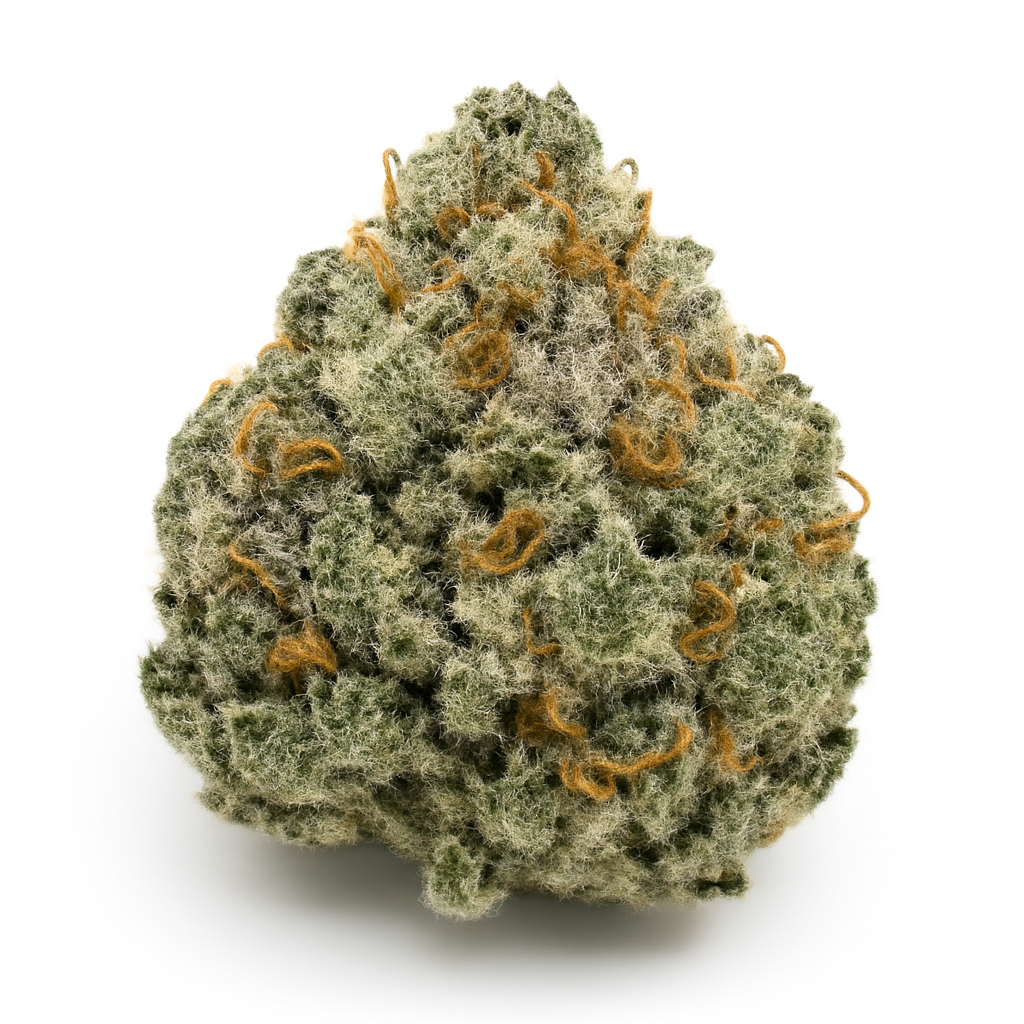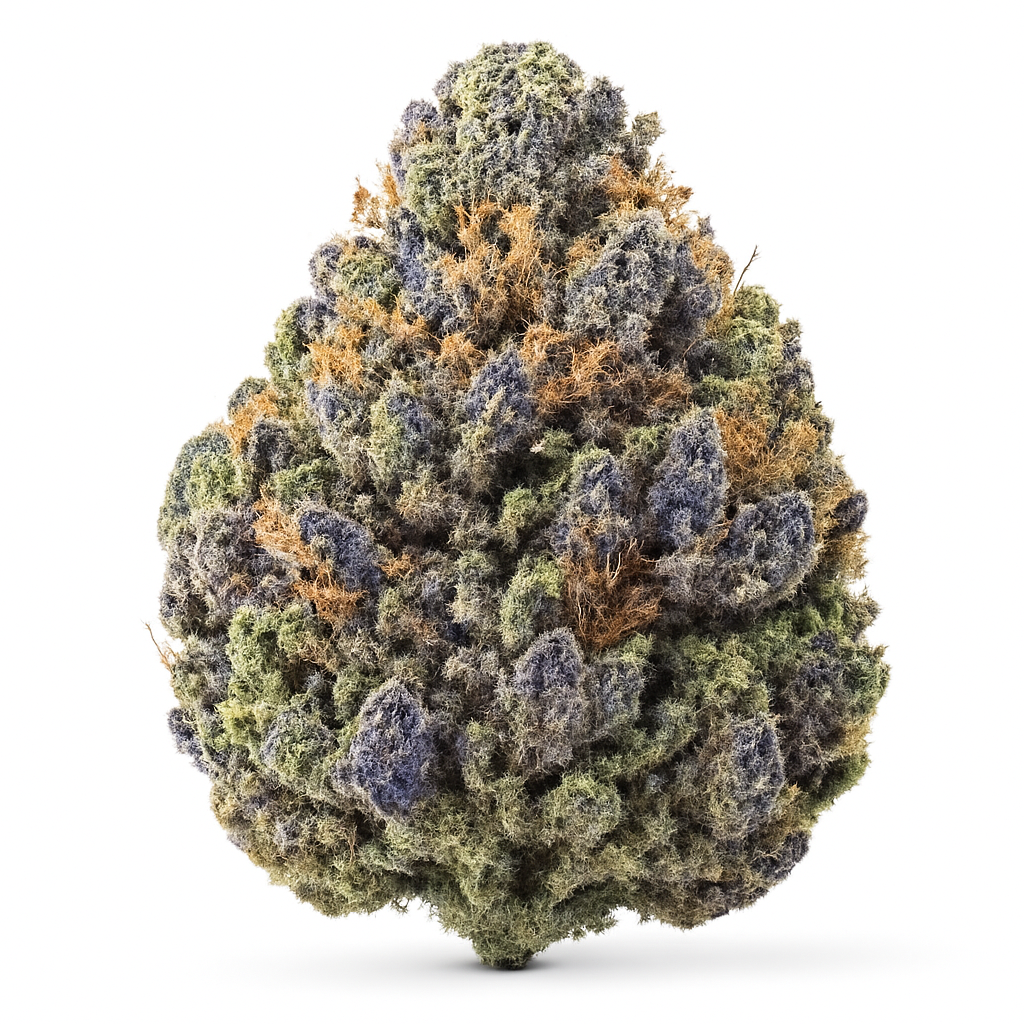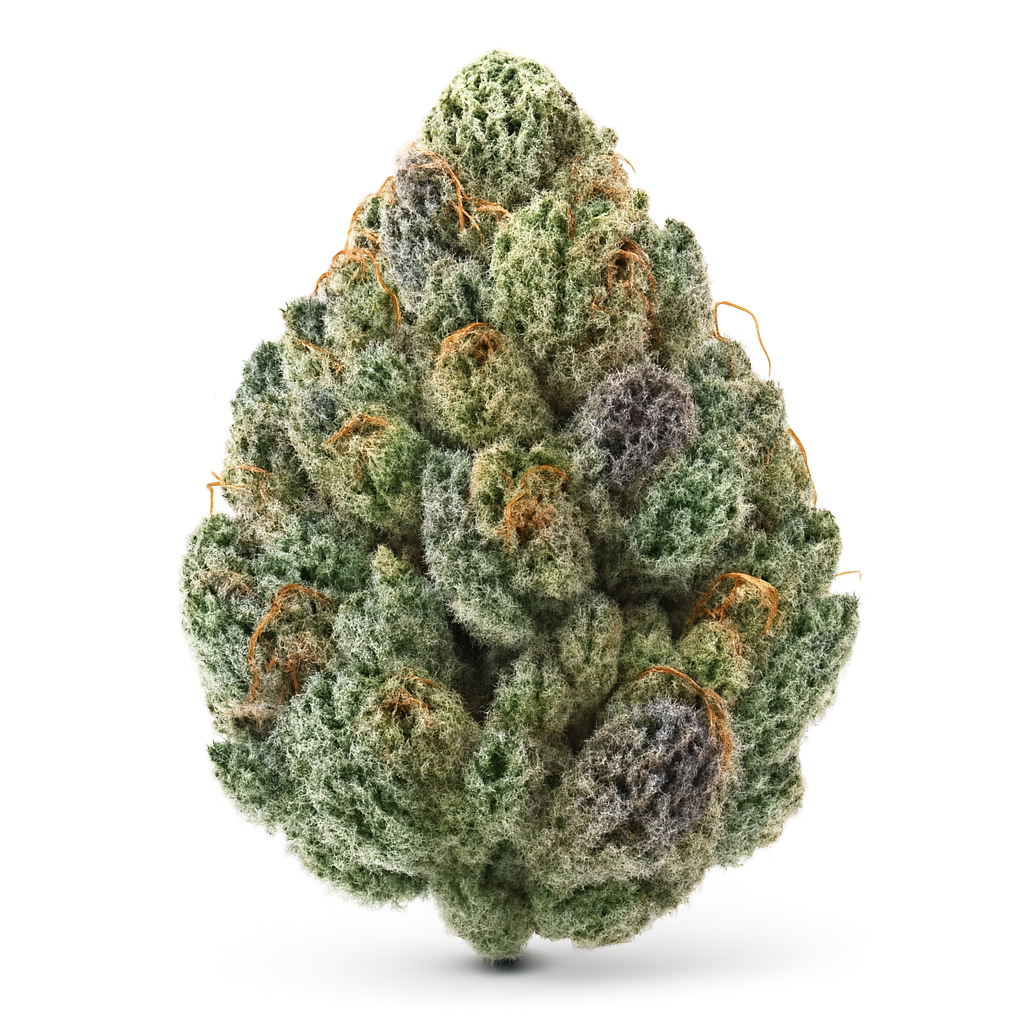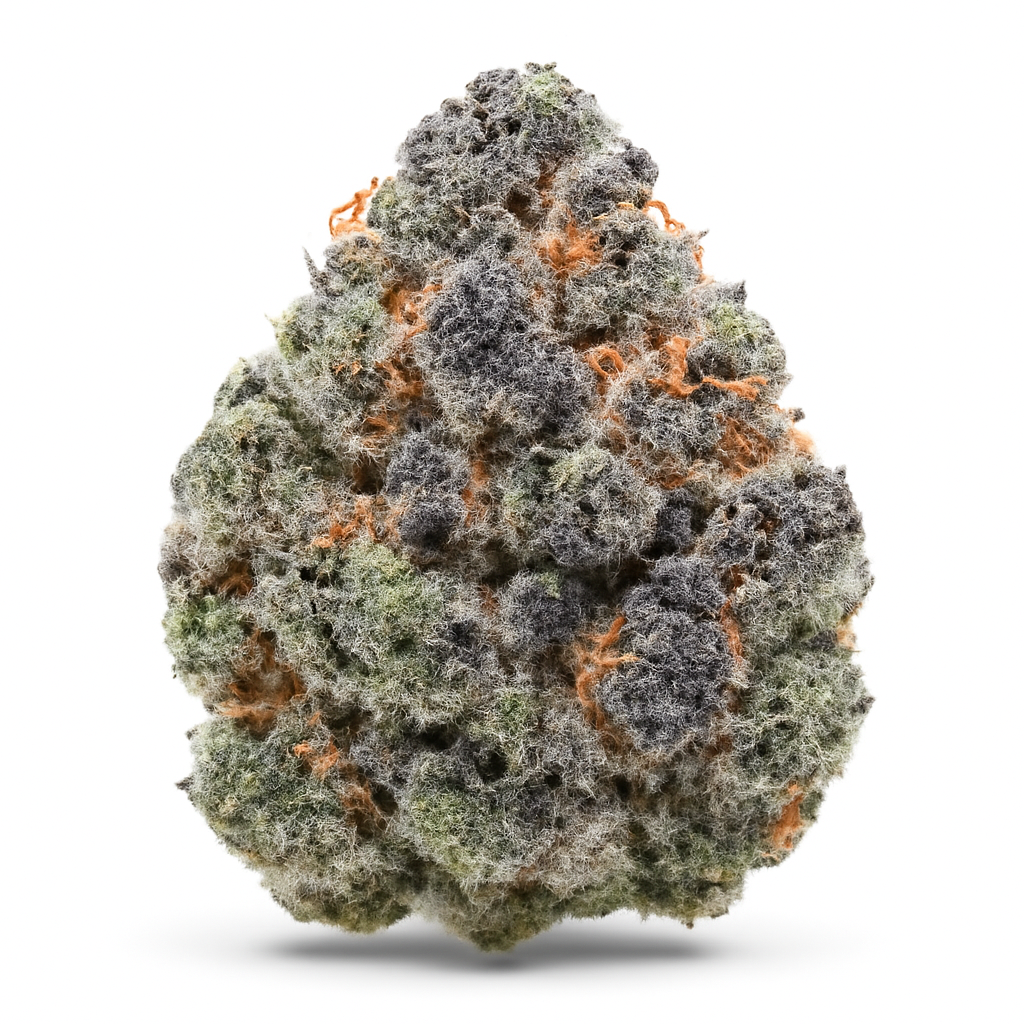
Representative image of Blueberry Cheesecake
Blueberry Cheesecake blends sweet berry notes with a savory cheese funk into a mellow hybrid experience. With 17% THC and 1% CBG, it leans slightly gentler than many strains in our catalog while still serving both upbeat and sedating moments.
Blueberry Cheesecake
Also known as Blue Cheesecake
Terpenes
What Is the Blueberry Cheesecake Strain?
Blueberry Cheesecake is a hybrid built from the Blueberry and Cheese families, carrying a dessert-forward name and balanced effects. Its lab numbers show 17% THC and 1% CBG, which frames it as a moderate-potency option rather than an all-out powerhouse.
Blueberry Cheesecake Effects
Users report an initial lift-happy and creative-that can segue into a heavier, sleepy finish. That combination makes the experience feel like a day-to-evening strain: it can spark ideas and good mood early on, then settle into relaxation as the session continues. Expect a spectrum that starts social and cerebral and drifts toward restfulness.
Blueberry Cheesecake Flavors & Aroma
The flavor profile fuses ripe blueberry sweetness with a distinct cheesy tang, often described specifically as blue cheese. That juxtaposition creates a dessert-like aroma with a savory undercurrent: sweet berry on the inhale, tangy, funky cheese toward the exhale.
Terpene Profile of Blueberry Cheesecake
Blueberry Cheesecake lists myrcene, caryophyllene, and humulene as dominant terpenes. Myrcene tends to give herbal, slightly musky notes and is commonly linked with relaxing effects; caryophyllene brings peppery spice and interacts uniquely with cannabinoid receptors, often adding a warm, woody edge; humulene contributes hoppy, earthy tones and can layer in a dryer, green finish. Together these terpenes support both the strain's savory-berry aroma and its mix of mellow and warming effects.
What Does Blueberry Cheesecake Help With?
Anecdotally, people turn to Blueberry Cheesecake for stress relief, easing anxious feelings, and managing pain symptoms. Its early uplifting qualities can help interrupt a negative mood, while the later sedating side can make it useful for unwinding or drifting toward sleep. These are reported effects rather than medical claims.
Blueberry Cheesecake Side Effects & Negatives
Some users have reported paranoia, headache, or dizziness after using this strain. Because it can move from uplifting to sedating, pacing your dose is wise-start low to reduce the chance of anxiety or lightheadedness. Staying hydrated, sitting or lying down when you feel dizzy, and avoiding large first-time doses are sensible precautions.
Blueberry Cheesecake Genetics & Lineage
The parentage-Blueberry crossed with Cheese-explains much of the profile. Blueberry contributes the fruity, sweet berry aroma and a reputation for calming, late-day effects, while Cheese brings the pungent, savory funk and a grounding character. The hybrid outcome keeps both the dessert sweetness and the tangy, savory backbone intact.
Blueberry Cheesecake THC & CBG Content
At 17% THC, Blueberry Cheesecake sits below the typical catalog average of about 20%, making it less intense than many modern high-THC strains but still meaningfully psychoactive. The 1% CBG is modest but present; CBG may subtly influence the overall cannabinoid profile without changing the fact that this is a mid-strength option. For dosing, that means moderate users will likely find it approachable, while novices should still begin with a small amount.
Is Blueberry Cheesecake Indica or Sativa?
Classified as a hybrid, Blueberry Cheesecake balances uplifting and sedating qualities rather than leaning fully sativa or indica. The reported effects-happy and creative early, sleepy later-reflect a hybrid that can bridge daytime uplift and evening relaxation depending on dose and timing.
Who Is Blueberry Cheesecake Best For?
This strain works well for late-afternoon to evening use when you want a creative lift that can mellow into restful relaxation. It's a good fit for moderate users who enjoy dessert-forward flavors and a balanced high; novices should start low because of reported paranoia and dizziness. Use it for low-key social evenings, creative winding-down, or when you're aiming to shift from stress to calm without an immediate heavy sedation.
Our Take on Blueberry Cheesecake
We like Blueberry Cheesecake for what it promises: a flavorful, approachable hybrid that blends berry sweetness with a savory cheese twist. At 17% THC it’s milder than the catalog average, which makes it easier to recommend to people who want a reliable mood boost without the intensity of high-THC strains. The myrcene-caryophyllene-humulene terpene mix explains both the aroma and the sweet-to-sedating experience, and a 4.3/5 average from 286 reviews shows consistent positive reception. On the flip side, the strain can trigger paranoia, headache, or dizziness in some users, so it’s not ideal for people sensitive to THC or those seeking an all-day functional variety. In short: fans of dessert-forward, gently soporific hybrids will likely love Blueberry Cheesecake; if you’re THC-sensitive or need full daytime clarity, look elsewhere.
Blueberry Cheesecake FAQ
What is Blueberry Cheesecake?
Blueberry Cheesecake is a hybrid strain descended from Blueberry and Cheese, known for a mix of fruity and savory flavors with balanced effects.
How strong is Blueberry Cheesecake?
It tests at 17% THC with 1% CBG, which is slightly less potent than our catalog average of about 20% THC.
What effects can I expect?
Users report feeling happy and creative at first, with effects often becoming sleepy later-an initial uplift that can transition to relaxation.
What does Blueberry Cheesecake taste like?
The strain combines ripe blueberry sweetness with a tangy, blue-cheese funk, producing a dessert-like inhale and a savory exhale.
Can Blueberry Cheesecake help with stress or pain?
Anecdotally, people report using it for stress, anxiety, and pain relief, but these are user-reported effects rather than medical claims.
Are there common side effects?
Reported negatives include paranoia, headache, and dizziness; starting with a low dose and staying hydrated can help reduce these risks.