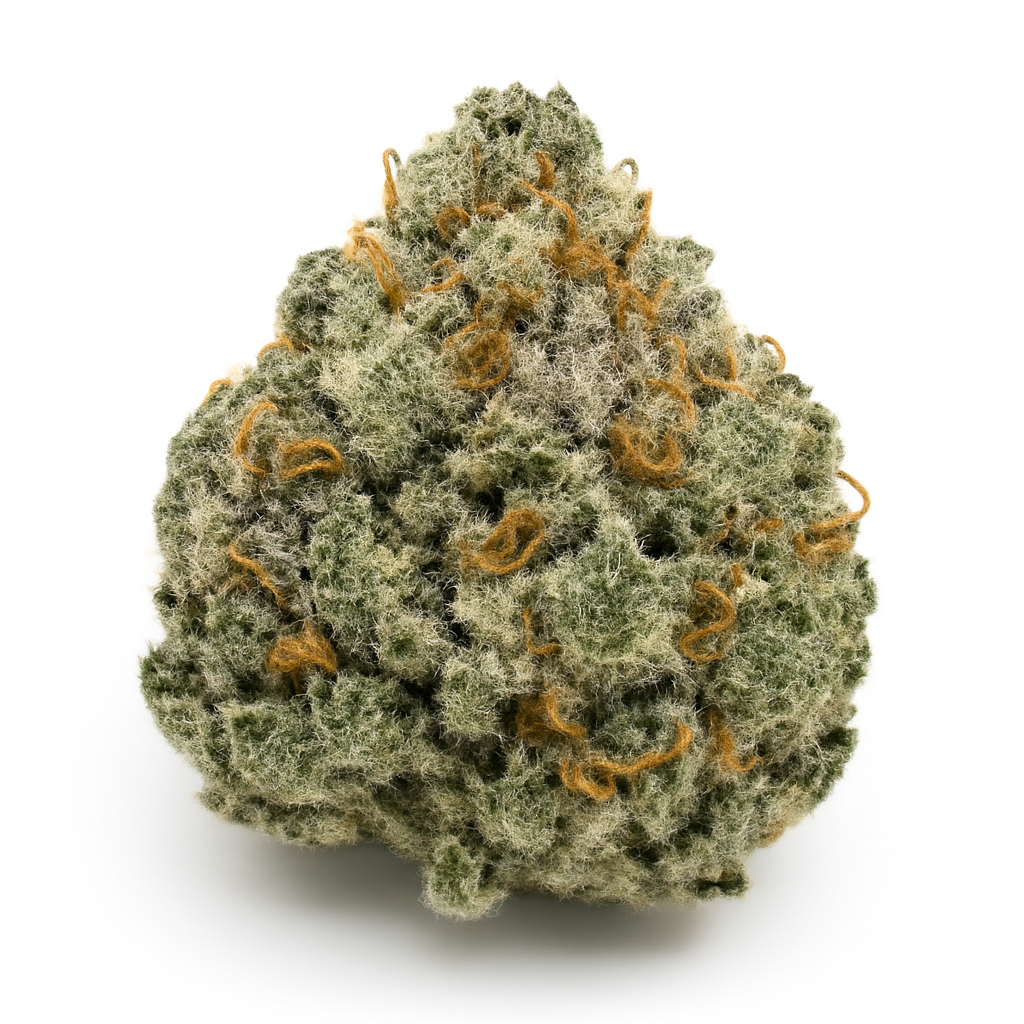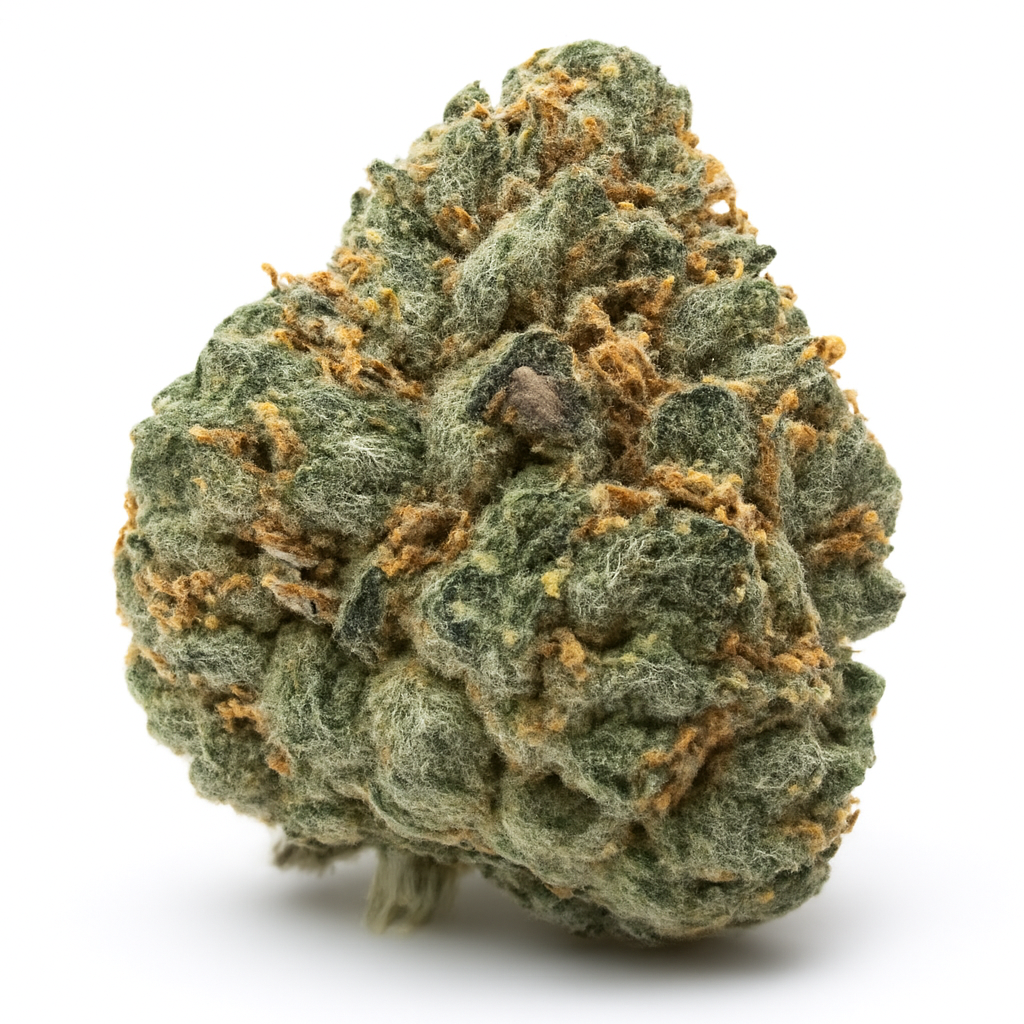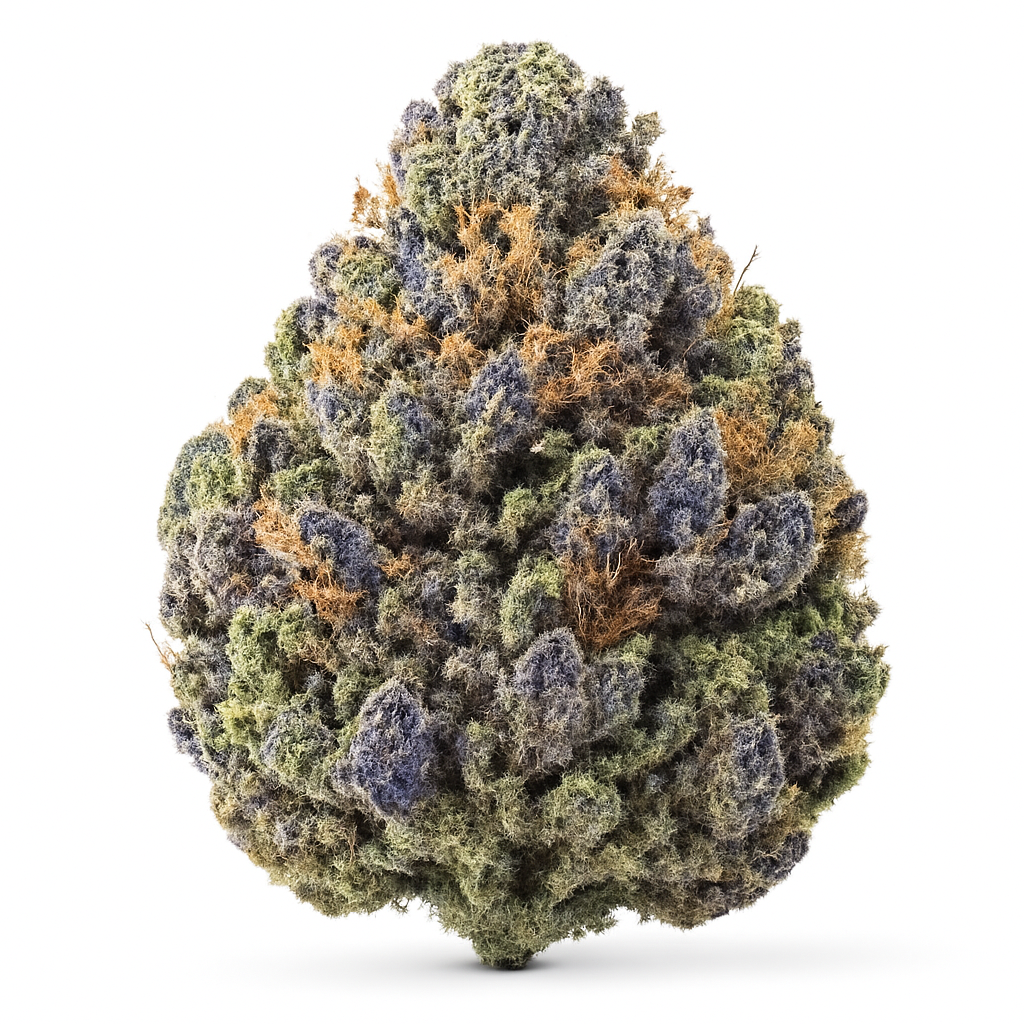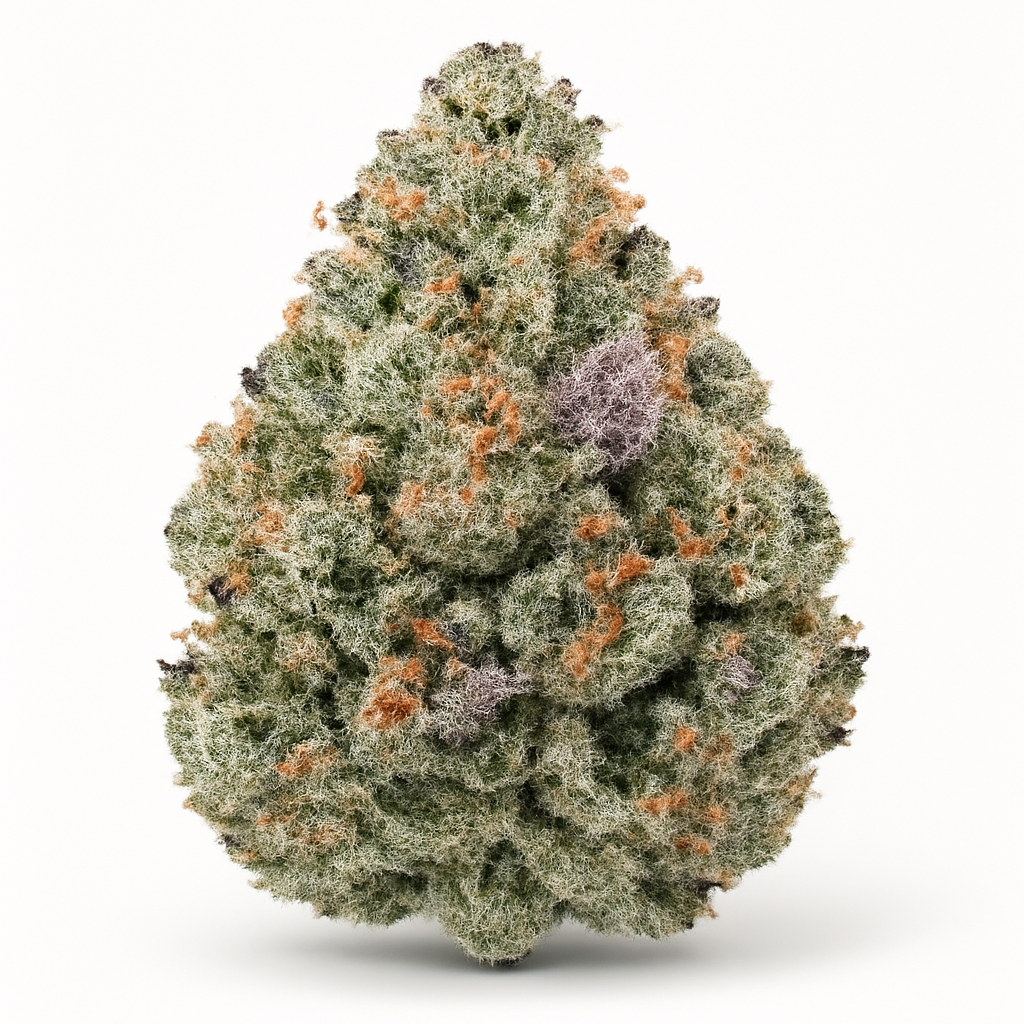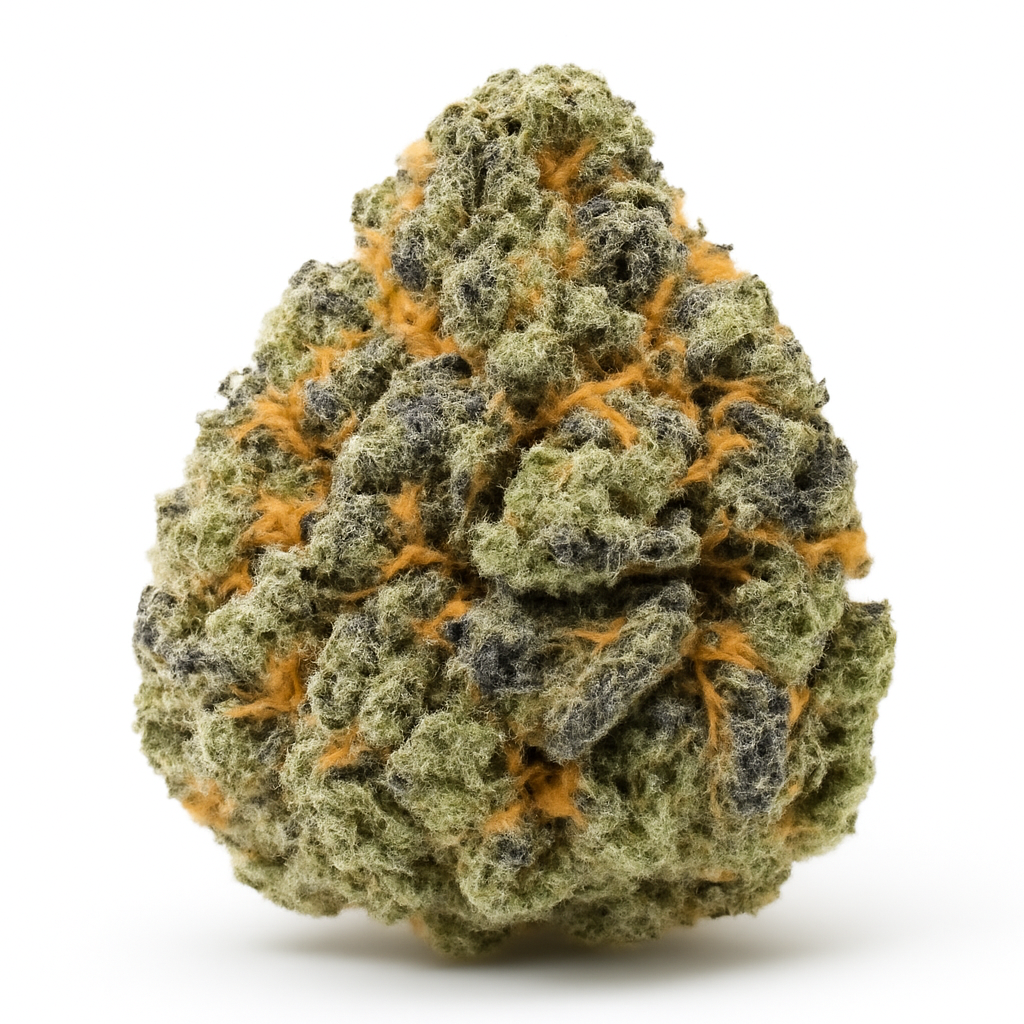
Representative image of Orangutang
Orangutang is a punchy hybrid that flexes bright citrus character alongside a full-bodied high. With potent THC and a lively terpene mix, it’s built to lift the mood without losing a sense of calm.
What Is the Orangutang Strain?
Orangutang is a hybrid strain bred from GG4 and Tangie that clocks in at 26% THC and 1% CBG. It sits squarely in the potent hybrid category, offering both an energizing citrus profile and a substantial calming edge.
Orangutang Effects
Reports consistently list Orangutang as relaxed, giggly, and uplifted, which suggests a mood-lifting cerebral buzz paired with a gentle body ease. Expect an initial upbeat, social lift that can settle into a mellow, comfortable state rather than full sedation.
Orangutang Flavors & Aroma
Orangutang delivers a bright citrus bouquet dominated by orange and lime, with an overall citrus-forward flavor that stays true to its Tangie lineage. The taste is zesty and fresh on inhale, with lingering sweet-orange notes on the exhale.
Terpene Profile of Orangutang
The terpene trio for Orangutang is limonene (citrus), caryophyllene (pepper) and humulene (hoppy). Limonene supplies the pronounced citrus top notes and is commonly associated with uplifting sensations, caryophyllene adds a spicy, peppery backbone that can feel grounding in the mix, and humulene brings a subtle hoppy-earthiness to round out the aroma.
What Does Orangutang Help With?
Anecdotal reports indicate people use Orangutang for pain, stress and anxiety, leaning on its combination of calming and uplifting effects. Those seeking a mood boost that also eases tension are the most likely to reach for it, based on user feedback.
Orangutang Side Effects & Negatives
The most commonly reported downsides are dry eyes and dry mouth, typical of many high-THC strains. Because Orangutang is stronger than average, starting with a smaller dose can reduce the chance of uncomfortable intensity or lingering cottonmouth.
Orangutang Genetics & Lineage
Orangutang’s parents are GG4 and Tangie, a pairing that explains its dual nature: GG4 contributes notable potency and a heavy-handed relaxation, while Tangie supplies the citrus aroma and bright, uplifting character. The cross results in a hybrid that balances punchy THC with a lively flavor profile.
Orangutang THC & CBG Content
At 26% THC, Orangutang is about 30% higher in THC than the typical 20% catalog average, so it sits well into the potent range. The 1% CBG is present but low; novices should dose cautiously while experienced consumers will find the strength predictable for social or evening use.
Is Orangutang Indica or Sativa?
Orangutang is labeled a hybrid, which implies a blend of indica and sativa traits rather than a pure one-side effect. That hybrid classification matches the strain’s mix of uplifted, giggly cerebral effects and a relaxed, body-oriented finish.
Who Is Orangutang Best For?
Orangutang works well for late-afternoon to evening use, social situations, or casual relaxation when you want to feel uplifted without racing energy. Because of its 26% THC, we recommend lower starting doses for inexperienced users and keeping hydration handy to combat dry mouth and eyes.
Our Take on Orangutang
We like Orangutang for its clear personality: citrus-forward flavor, a reliably pleasant uplift, and a heavier-than-average THC punch that still lands as approachable rather than overwhelming. With a 4.4/5 average from 21 ratings, it’s a consistently enjoyed hybrid for people who want mood elevation plus relaxation. If you’re THC-sensitive or need razor-sharp focus, look for a milder option; if you want bright flavor and a sociable, relaxing high, Orangutang is a strong candidate.
Orangutang FAQ
What is the THC level of Orangutang?
Orangutang tests at 26% THC.
Is Orangutang an indica or sativa?
Orangutang is classified as a hybrid, combining both uplifting and relaxing effects.
What effects does Orangutang produce?
Users report feeling relaxed, giggly and uplifted-an upbeat cerebral buzz that eases into a calm body sensation.
What does Orangutang taste like?
The flavor profile is citrus-forward with pronounced orange and lime notes and a bright, zesty aroma.
What can Orangutang help with?
Anecdotally, people use Orangutang to help with pain, stress and anxiety.
Are there side effects to expect?
Commonly reported negatives are dry eyes and dry mouth; because it’s stronger than average, start with a small dose if you’re inexperienced.