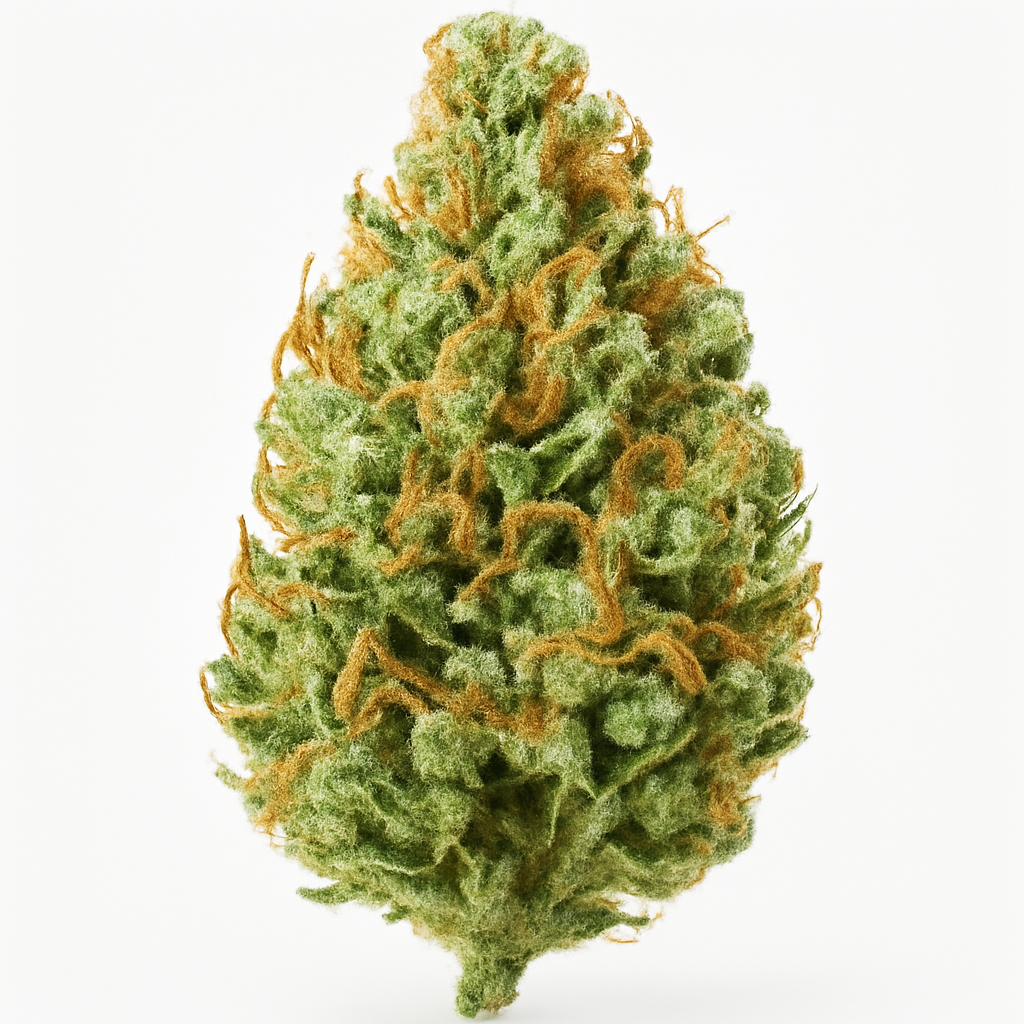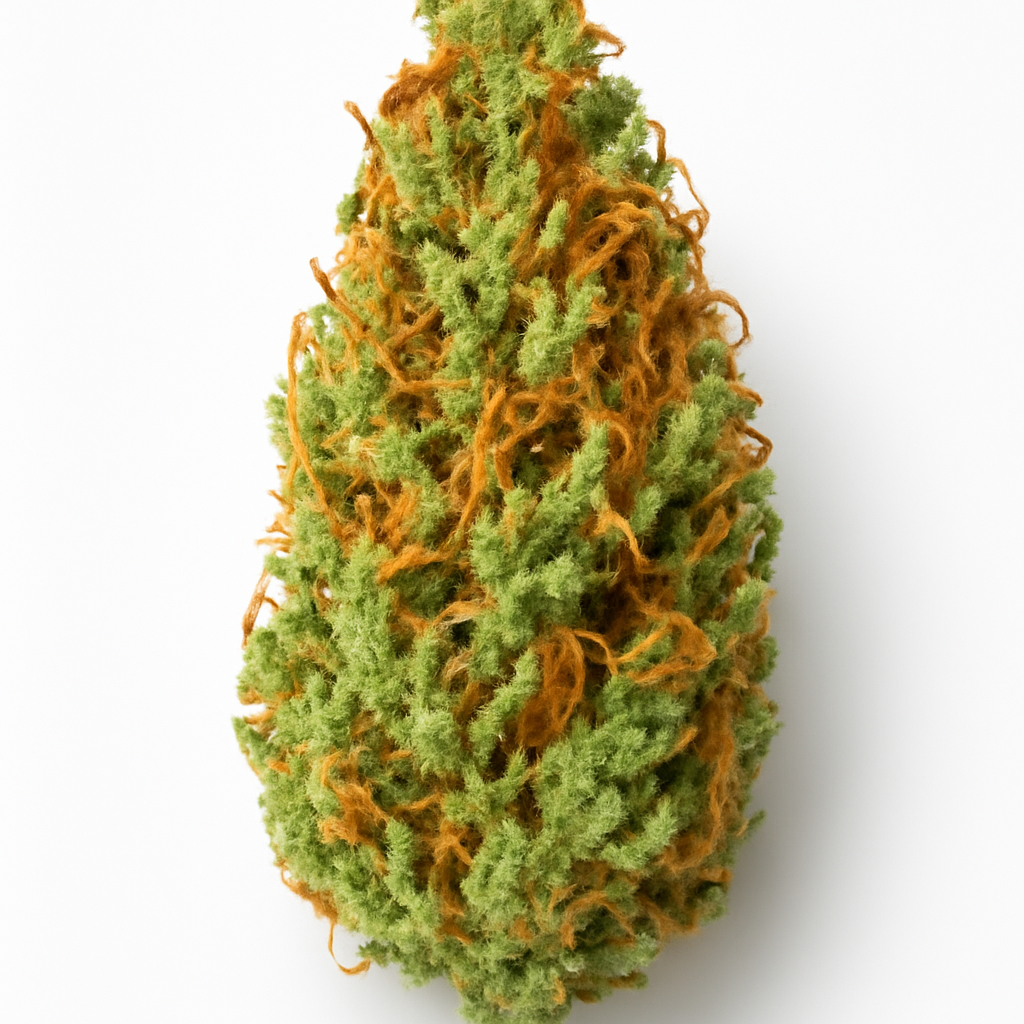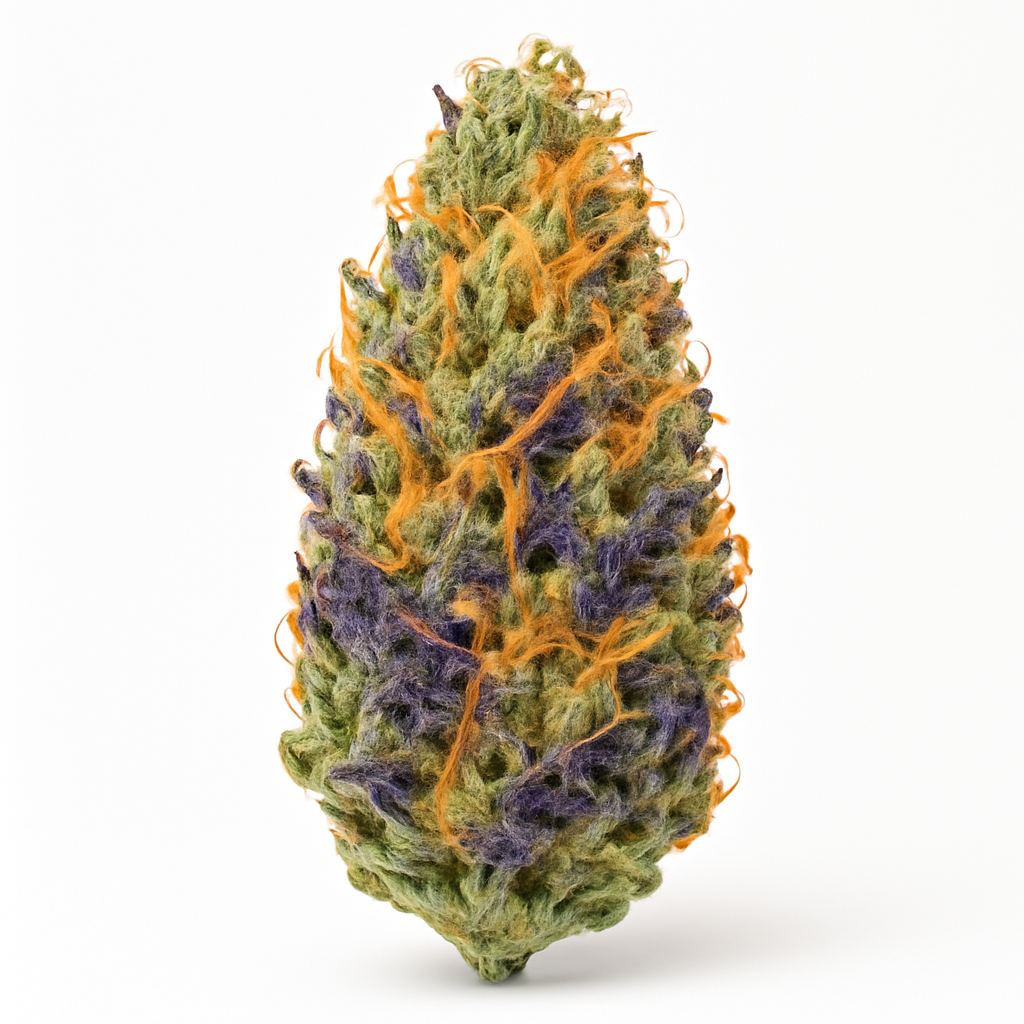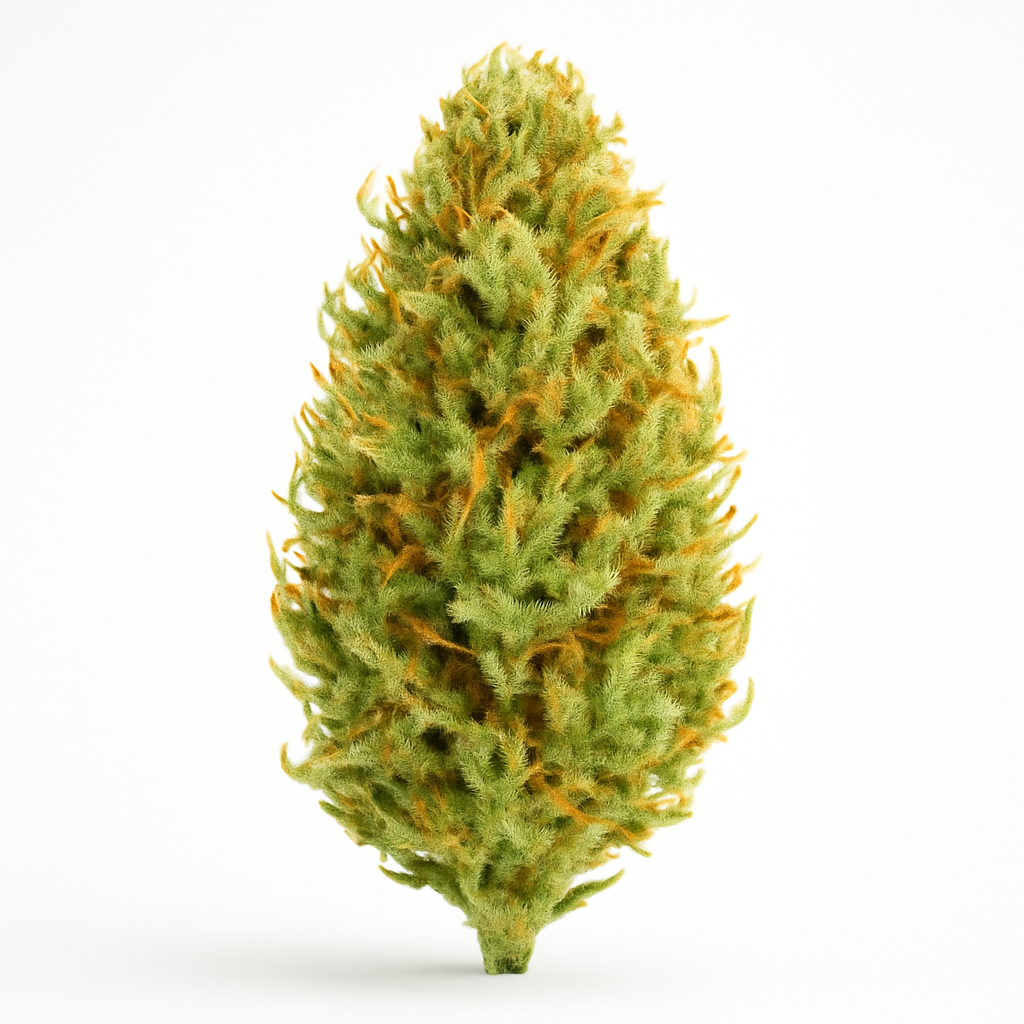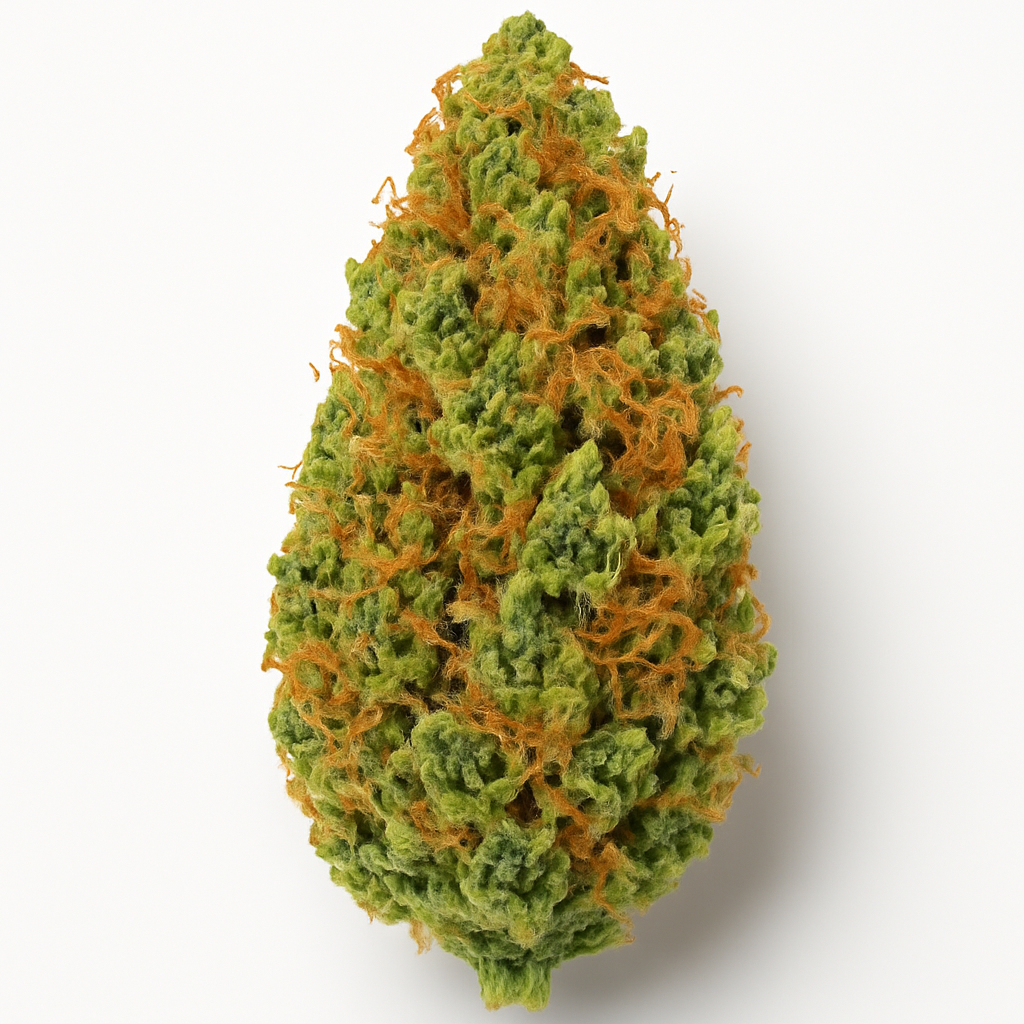
Representative image of SPK
SPK is a sativa-forward strain that blends lively focus with a tingling, upbeat edge. With a 20% THC level and a light 1% CBG presence, it leans energetic without being overwhelming.
What Is the SPK Strain?
SPK is a sativa-leaning cannabis variety also seen under the names Sour Patch Kids and Sour Patch. Its genetics trace back to Sour Diesel and Candyland, and it tests at about 20% THC with 1% CBG - a profile that signals a clear, enlivening high rather than a heavy body stone.
SPK Effects
Users report SPK delivers an upbeat, happy lift that sharpens attention and leaves a subtle tingle. Expect a cerebral clarity that favors focus and creative tasks, while the tingly element can add a pleasant sensory buzz rather than sedation. Those seeking purely couch-bound relaxation may find SPK too activating for late-night use.
SPK Flavors & Aroma
The flavor leans tropical and fruity with apricot undertones, finished by delicate floral notes of rose. Aromatically it can read sweet and candy-like on the inhale, then reveal a brighter, citrus-tropical character as it settles - an approachable profile for consumers who like fruit-forward strains with a floral hint.
Terpene Profile of SPK
SPK’s listed terpenes include caryophyllene (pepper), limonene (citrus), and humulene (hoppy). Caryophyllene often lends a spicy, peppery kick and can interact with cannabinoids to influence sensation; limonene brings bright citrus aromas that are commonly linked to uplifting mood effects; humulene contributes earthy, hoppy tones and can balance the bouquet with grounding herbal notes. Together these terpenes help shape SPK’s lively, focused character through the entourage interplay.
What Does SPK Help With?
Anecdotal reports suggest people reach for SPK when they want help with anxiety, pain, or headaches. Its clear-headed uplift and focused quality appear to make it a go-to for those looking to stay productive while managing discomfort, though individual responses vary and these accounts are user-reported rather than clinical claims.
SPK Side Effects & Negatives
Some consumers list negative effects such as headache, paranoid feelings, or dizziness. Because SPK sits at about average THC, these reactions most often occur with larger doses or in sensitive users. Start low and go slow, stay hydrated, and avoid mixing with alcohol or unfamiliar medications to reduce the chances of adverse effects.
SPK Genetics & Lineage
SPK’s parentage of Sour Diesel and Candyland helps explain its personality: Sour Diesel contributes a sativa-driven, energetic backbone while Candyland likely adds sweet, fruit-forward nuances and a playful lift. That lineage aligns with SPK’s citrus-tropical flavors and its tendency toward focused, uplifting effects rather than heavy physical sedation.
SPK THC & CBG Content
At 20% THC, SPK sits right around the catalog’s typical potency level - neither a mild beginner option nor an extreme extractor target. The 1% CBG is present but modest, contributing to the cannabinoid mix without dominating effects. For most users, moderate doses will showcase SPK’s clarity and tingle; higher doses raise the chance of overstimulation for sensitive consumers.
Is SPK Indica or Sativa?
As a sativa, SPK generally promotes alertness, mental energy, and a forward-moving mindset rather than deep relaxation. Sativa classifications like this one typically favor daytime or active use where cognitive engagement is desired.
Who Is SPK Best For?
SPK is best suited to daytime or early-evening sessions when you want to stay engaged - think creative work, social outings, or tasks that benefit from focus. Because its THC is average but its effects are energizing, novice users should begin with small amounts; more experienced consumers can explore slightly larger doses to emphasize the tingly uplift. Avoid heavy late-night use if you need sleep.
Our Take on SPK
We see SPK as a dependable sativa choice that balances familiar potency with a distinctly fruity-floral flavor and a focused, tingly lift. Its 20% THC keeps it in the approachable middle of the pack, and the caryophyllene/limonene/humulene terpene mix backs up the reported happy, focused effects. With a 4.4/5 average from 48 ratings, the community response is solid - people like it, but the reported negatives (headache, paranoia, dizziness) remind us it isn’t for everyone. We’d recommend SPK to consumers who want an energetic, flavor-forward sativa for daytime projects or social settings; those prone to anxiety or sensitive to THC should take smaller doses or look for gentler alternatives.
SPK FAQ
What kind of strain is SPK?
SPK is a sativa-leaning strain, known for energizing, focused effects rather than heavy body sedation.
How strong is SPK in terms of THC?
SPK tests at approximately 20% THC, which is about average compared with the typical strains in the catalog.
What does SPK taste and smell like?
Expect tropical and apricot notes with a floral rose hint - a fruity, slightly candy-like aroma with a bright, citrus-tinged finish.
What effects does SPK produce?
Reported effects include feelings of happiness, enhanced focus, and a tingling sensory quality; it’s often used when mental clarity and engagement are desired.
What are common side effects of SPK?
Users have reported headaches, paranoia, and dizziness as possible negatives, so sensible dosing and moderation are advised.